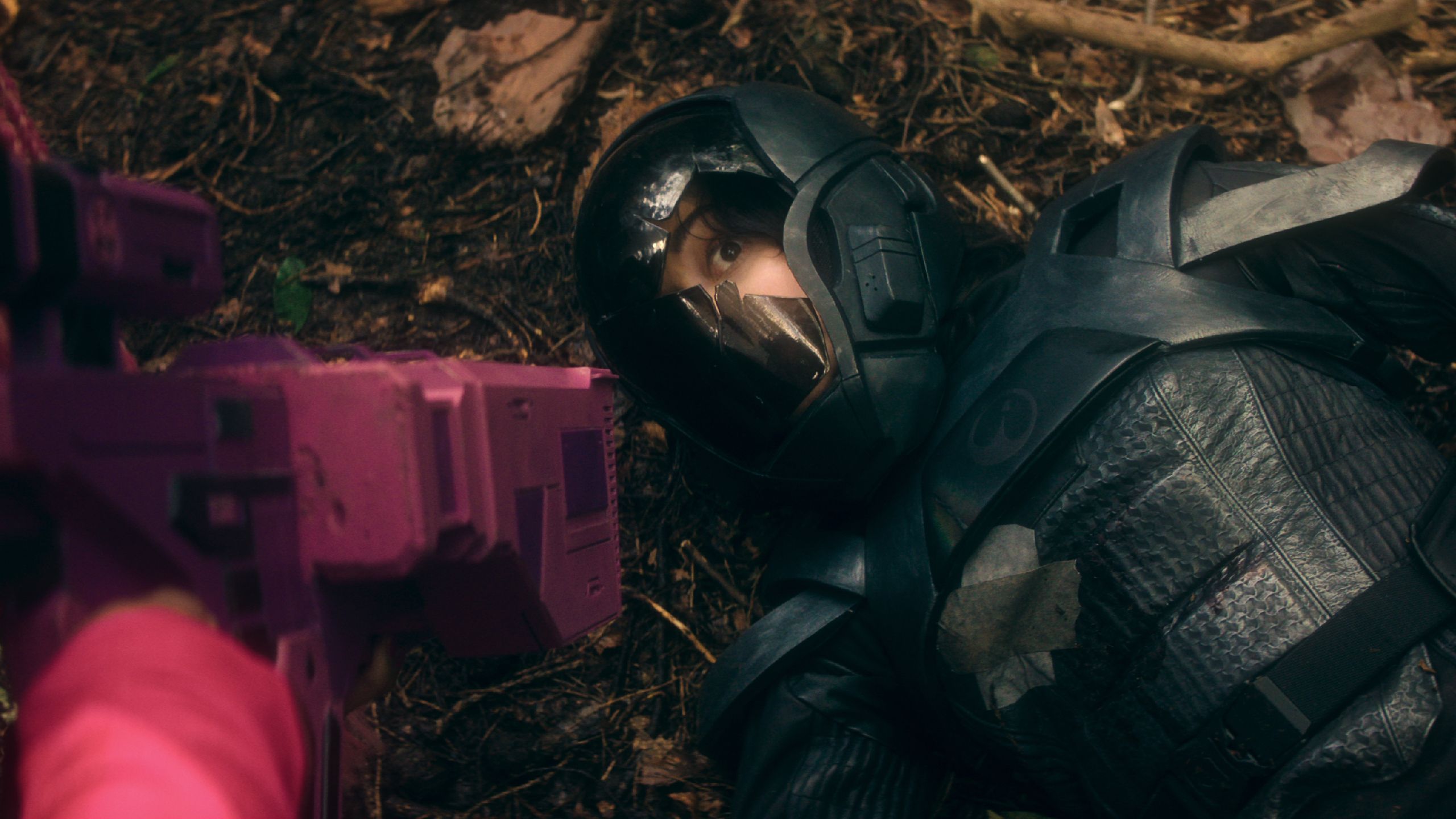
Netflix’s Black Mirror is well-known for its daring and disturbing stories that often surprise viewers. But while Black Mirror is very creative, another Netflix series delivers equally ambitious and strange science fiction – and arguably does it even better.
The show is called Love, Death & Robots, and it premiered on Netflix in 2019. Now with four seasons, it was created by Tim Miller. It’s an animated anthology series, similar in style to Black Mirror, but much more unpredictable and visually striking. While Black Mirror is known for its thought-provoking sci-fi, Love, Death & Robots takes things to a whole new level of surprise.
While Black Mirror explores sci-fi with some restraint, Love, Death & Robots throws caution to the wind. If you enjoyed the unique sci-fi of Black Mirror, Love, Death & Robots feels like a bolder, more adventurous follow-up.
Love, Death & Robots Goes Places Black Mirror Never Will
Animation Lets It Break Every Rule Without Limits
While Black Mirror is known for its innovative science fiction, Love, Death & Robots takes creative freedom to a new extreme. Black Mirror‘s live-action format, even with far-out concepts, keeps it somewhat realistic. Love, Death & Robots, using animation, isn’t limited in the same way and can tell stories that would be impossible to film with real actors.
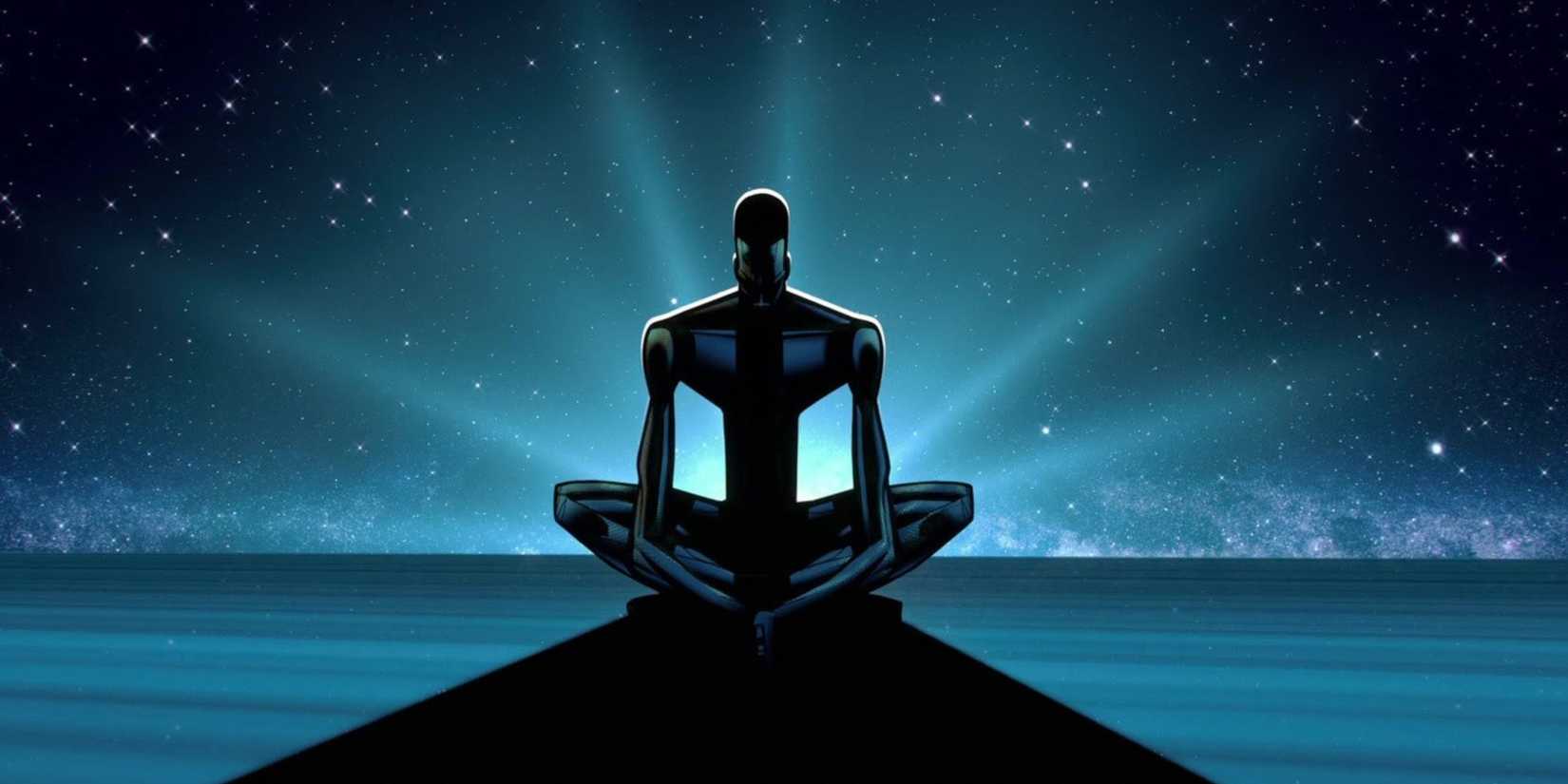
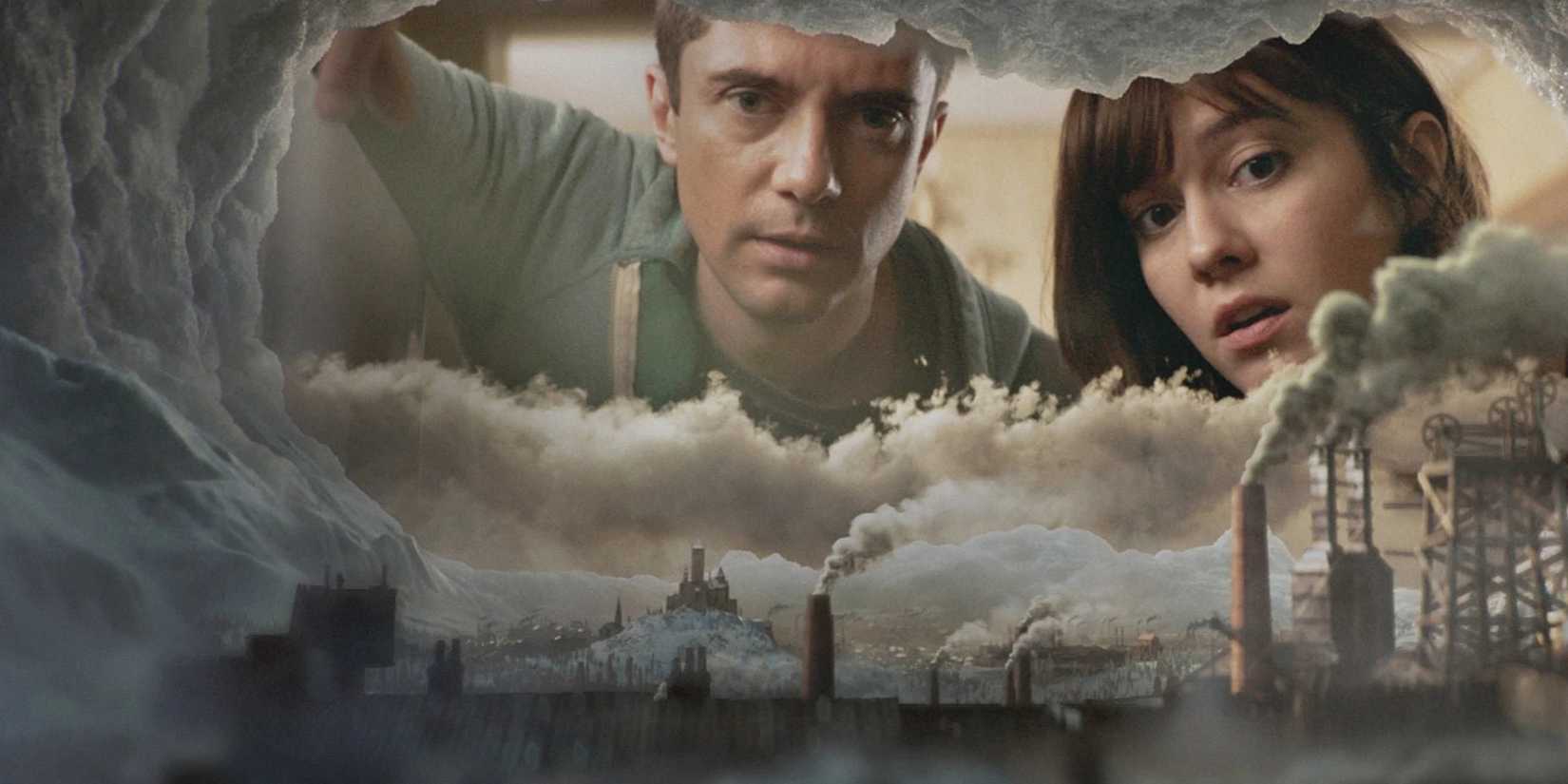
Consider the episode “Zima Blue” from the first season of Love, Death + Robots. It’s a story about an artist consumed by a single color, which ultimately leads to a deep and thought-provoking understanding of what it means to be a person, and what it means for artificial intelligence to exist. The episode’s simple, mesmerizing animation beautifully enhances its philosophical themes. In contrast, “Night of the Mini Dead” offers a unique take on the zombie apocalypse, showing it unfold through fast-motion with miniature figures. Then there’s “Ice Age,” a partly live-action episode where a couple, played by Topher Grace and Mary Elizabeth Winstead, find an entire civilization hidden in their freezer.
When it comes to originality, Love, Death & Robots really surpasses Black Mirror, and animation allows it to do so. While Black Mirror sometimes explores strange ideas, it usually stays grounded in themes of technology-driven fear and possible futures. Love, Death & Robots isn’t afraid to go all-in on the weird, the dreamlike, and even the totally confusing. This willingness to experiment lets it take anthology science fiction to places Black Mirror hasn’t ventured.
Embracing Weirdness Gives LD+R More Staying Power Than Black Mirror Will Ever Have
Its Strangeness Makes It Timeless While Black Mirror Risks Feeling Dated
One reason Love, Death & Robots surpasses Black Mirror in innovation is its unrestrained creativity, which also helps it stay fresh longer. Black Mirror often focuses on technology that feels realistic and could happen soon, but this realism can become a weakness. As technology advances in the real world, the show’s once-futuristic ideas start to feel less like science fiction and more like everyday life.
The Black Mirror episode “The Entire History Of You” offers a good illustration of this shift. When it originally aired in 2011, the idea of recording and rewatching memories using a contact lens and brain implant seemed like something from a distant future and was quite disturbing. Now, with the growing popularity of smart glasses and our habit of constantly documenting life digitally, the episode feels much less like science fiction. While the episode’s central theme – how technology can worsen jealousy and toxicity in relationships – is still powerful, its futuristic feel has faded.
As a huge fan of both shows, I think Black Mirror has a challenge ahead. Because it grounds its stories in a very believable near future, there’s a real risk of episodes feeling dated as that future actually becomes the present. Love, Death & Robots cleverly sidesteps this problem. Its stories are often so fantastical and removed from everyday life that they don’t really feel tied to any specific time, which I think gives them a timeless quality and makes them much more likely to stay relevant for years to come.
Unlike Black Mirror, which tries to feel realistic and predict potential futures, Love, Death & Robots focuses on creating unforgettable experiences. This is key to why Love, Death & Robots is likely to stay fresh and interesting for years to come. While Black Mirror still tells good stories, its focus on realism might eventually make it feel dated. Love, Death & Robots, by leaning into the bizarre and unexpected, makes sure each episode remains captivating over time.
Read More
- Биткойн падает после громких заявлений из Белого Дома о криптовалюте и Федеральной Резервной Системы, сохраняющей спокойствие.
- The True Story That Inspired Abbott Elementary’s Choice To Move The School Into A Mall
- Viggo Mortensen ‘Thrilled’ With Jamie Dornan’s Aragorn Recasting
- Доллар обгонит южноафриканский рэнд? Эксперты раскрыли неожиданный сценарий
- 6 Batman: The Animated Series Episodes With Multiple A-List Stars
- Inception Meets Lost In HBO’s 4-Part Sci-Fi Game Of Thrones Replacement
- Seth Rogen’s Knocked Up Becomes a Global Streaming Hit on Netflix
- James Gunn on What Makes DCU Unique & Different From Marvel
- Циан акции прогноз. Цена акций CNRU
- Every Jack Ryan Movie, Ranked
2026-05-07 03:21