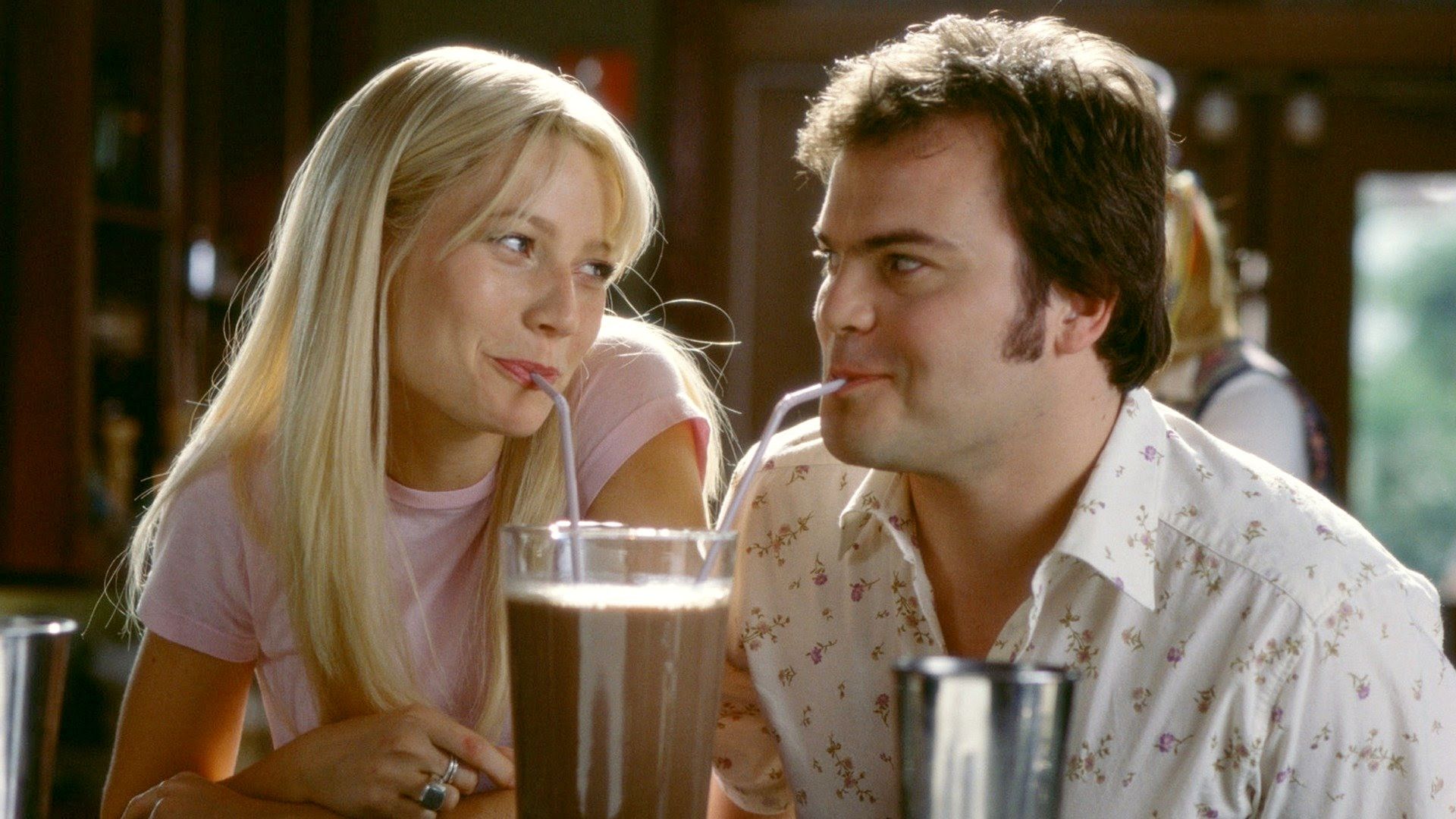
The year 2000 and beyond gave us a lot of popular movies, but some haven’t aged well. Films from that decade often pushed boundaries with their humor and explored tricky moral issues. Watching them now can feel surprisingly awkward, like looking back at a past that’s a bit embarrassing.
Cultural standards change, so things that were once considered funny or inspiring can now feel insensitive, awkward, or even offensive. Today’s audiences are more conscious of how people are portrayed in media, and how stereotypes can be harmful, which means some older films haven’t aged well. However, that doesn’t automatically mean those films were created with bad intentions.
Many older movies reveal the prejudices and limited perspectives of the past, relying on tired clichés and offensive jokes for quick amusement. From comedies that make fun of vulnerable groups to dramas that treat sensitive topics poorly, these films serve as a reminder of how much better mainstream storytelling has become.
I Now Pronounce You Chuck & Larry (2007)
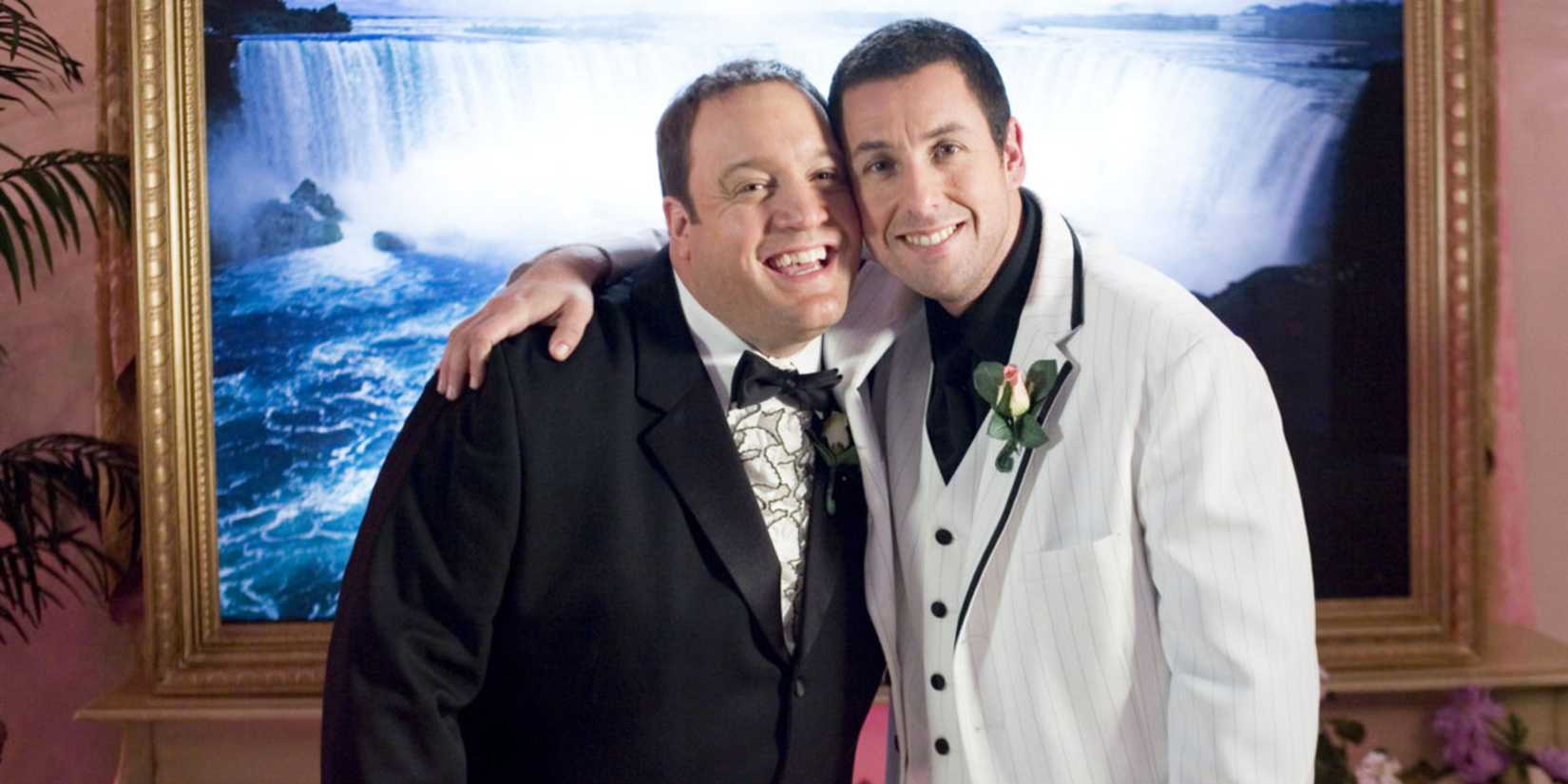
When I Now Pronounce You Chuck & Larry came out, it was promoted as a lighthearted comedy with a message about acceptance and the power of friendship. The movie stars Adam Sandler and Kevin James as two straight firefighters who pretend to be a gay couple so they can get benefits usually reserved for couples. The basic idea seemed to suggest it could be a film with something to say about society.
The movie unfortunately relies heavily on tired and insensitive jokes targeting LGBTQ+ individuals. The humor often depends on harmful stereotypes, using exaggerated depictions of gay men simply for laughs instead of developing them as characters. Although the film tries to deliver a message of acceptance near the end, it feels forced and doesn’t make up for the nearly two hours of offensive content beforehand.
The show of honesty feels like a way to justify past hurtful actions. What was once considered playfully shocking now clearly comes across as homophobic, which hurts the film’s attempts to earn forgiveness by the end. Looking back, Chuck & Larry perfectly illustrates how comedies of that time often mistook being provocative for actually being funny – and explains why audiences today expect more from comedy.
Shallow Hal (2001)
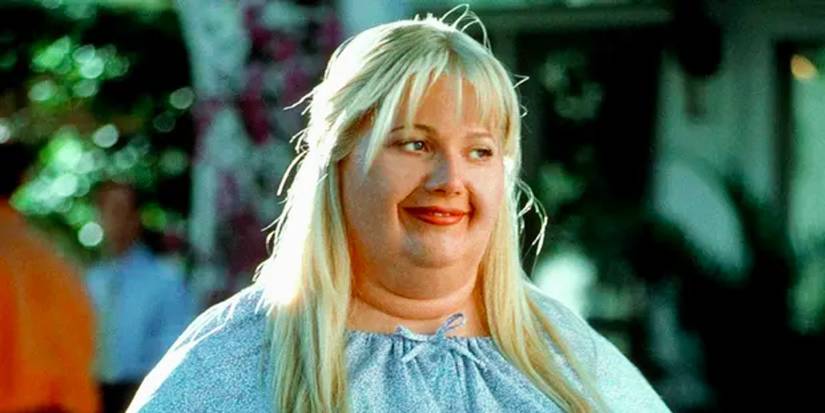
The early 2000s comedy Shallow Hal, starring Jack Black and Gwyneth Paltrow, feels particularly awkward when watched today. The film centers on a man who is hypnotized to see only a person’s inner beauty, but despite a potentially positive message, the way the story unfolds is problematic.
The movie’s main comedic idea relies on one character, Hal, seeing Gwyneth Paltrow’s character as slender and beautiful, while everyone else views her as overweight. However, the film repeatedly makes jokes about her body, which actually strengthens the focus on appearance that it supposedly aims to criticize.
Rather than fighting against prejudice related to body size, the film actually reinforces it by portraying larger bodies as a joke. Similar to the movie Chuck & Larry, it pretends to give a voice to a group of people while simultaneously making them the target of ridicule.
Beyond that, the movie Shallow Hal portrays women in a deeply prejudiced way, focusing only on their physical appearance or how well they cater to men. What was intended as a sweet romantic comedy now comes across as a failed attempt at satire, missing the point entirely.
The Legend Of Bagger Vance (2000)
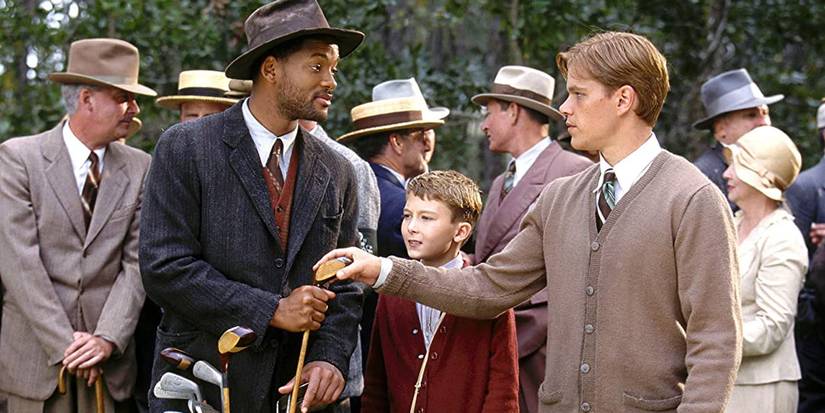
Okay, let me tell you about The Legend of Bagger Vance. Even when it first came out, this movie felt…odd. And honestly, watching it now, it feels even more disconnected from what audiences want. Robert Redford directs, and we’ve got Matt Damon as a golfer who’s lost his game, but the story really centers on Will Smith as this incredibly enigmatic caddie, Bagger Vance, who comes in and tries to help him not just with his golf swing, but with finding meaning in his life. It’s a pretty unusual premise, to say the least.
The film takes place in the 1920s American South, a time of strict racial segregation, but surprisingly avoids showing the difficulties and dangers Black people faced. Instead of dealing with serious discrimination, the main problem for the Black character, Bagger, is helping Matt Damon’s character improve his golf game. This relies on a common and problematic storytelling pattern—the ‘magical negro’—where Black characters are portrayed as having special abilities solely to help white characters succeed.
The film relies on the tired idea that a Black character’s main purpose is to help a white character grow and learn. This turns Bagger Vance into simply a plot tool, preventing him from becoming a complex, fully developed person with his own motivations and inner life.
Although Will Smith is charming in the film, The Legend of Bagger Vance doesn’t feel grounded in its historical setting, which is especially noticeable now. What might have felt uplifting in the past now comes across as an old-fashioned and troubling make-believe story.
Tropic Thunder (2008)
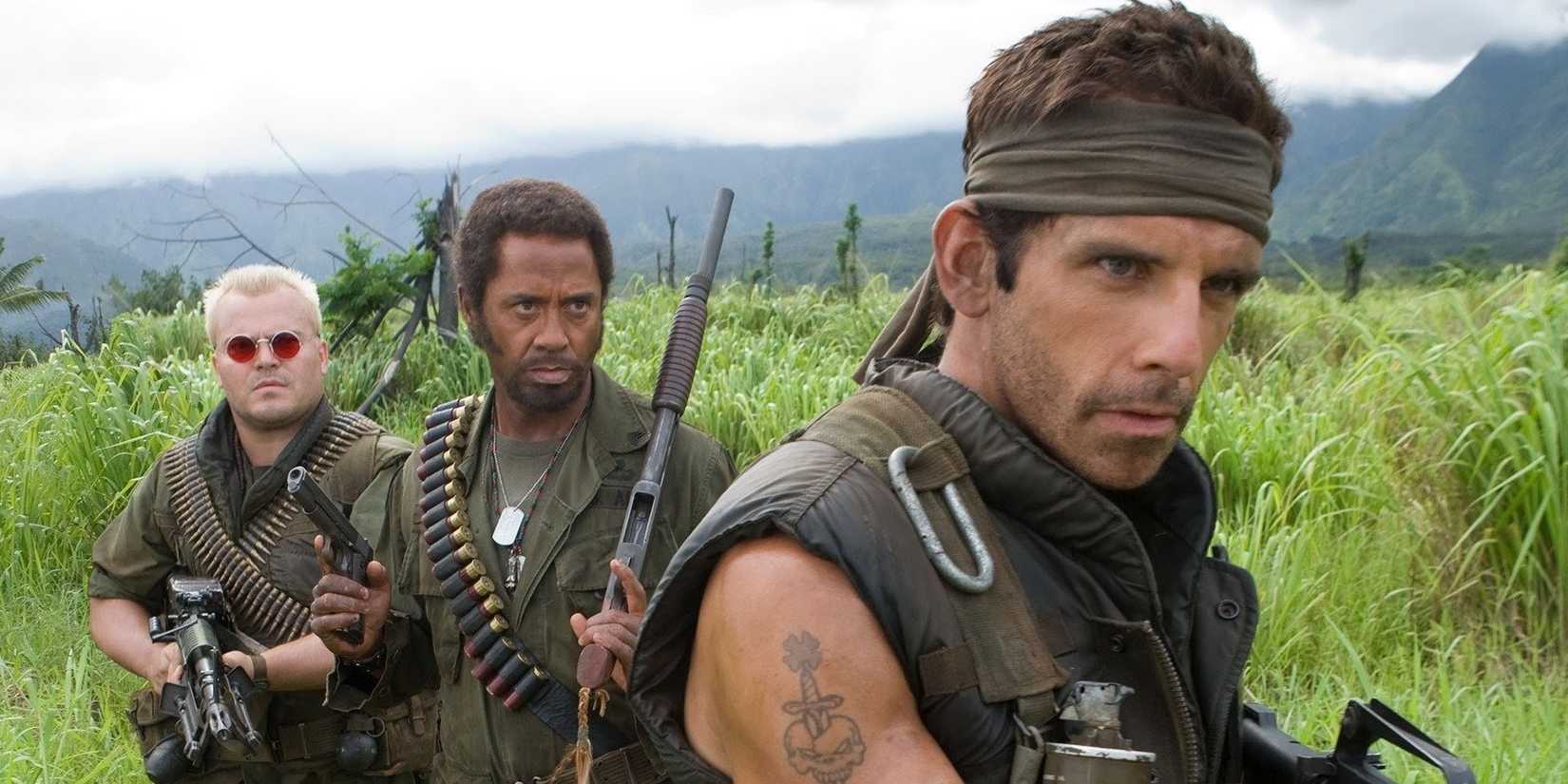
When Tropic Thunder came out, it received a lot of positive attention for its sharp and funny commentary on the over-the-top nature of Hollywood and the dedication of method actors. Robert Downey Jr.’s portrayal of Kirk Lazarus – an actor who went to extreme lengths, even controversially changing his appearance, to play a Black soldier – was meant to be a commentary on actors who take their roles too seriously.
It’s tricky when humor doesn’t land as intended, and this is especially true with a sensitive topic like blackface. The movie Tropic Thunder tries to navigate this carefully, but many viewers today feel it goes too far. Although the joke is meant to be about the character Lazarus and the Hollywood system, the history and negative connotations of blackface are hard to overlook.
While Tropic Thunder was once seen as clever and satirical, it now feels like a potentially misguided choice. The film does try to examine its own ideas through the character played by Brandon T. Jackson, but this doesn’t fully resolve the awkwardness. It shows that satire can become problematic over time if it relies too much on the stereotypes it’s attempting to make fun of.
The Blind Side (2009)
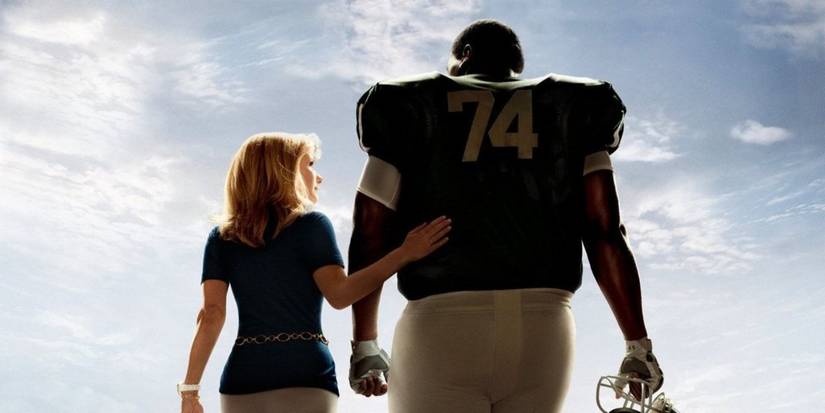
When it was first released, The Blind Side was a feel-good movie that won an Oscar, with Sandra Bullock receiving an Academy Award for her role. It’s based on the true story of Michael Oher, a young Black man who achieves stability and success thanks to a supportive, affluent white family. However, in recent years, the film has received increasing criticism for the way it portrays this story.
The story largely focuses on Leigh Anne Tuohy, played by Bullock, presenting her as the main reason for Oher’s achievements. Oher, on the other hand, is depicted as someone who is easily led, inexperienced, and requires a lot of help. This approach relies on the harmful “white savior” stereotype, suggesting that a Black person’s success is due to the assistance of White individuals.
Today, people view those actions as very condescending. The situation became clearer in 2023 when Michael Oher sued Leigh Anne and Sean Tuohy, claiming they never officially adopted him. Instead, he alleged they used a legal arrangement called a conservatorship to control his finances, make business deals using his name, and profit from him.
Oher also objected to the movie portraying him as unable to read, which he felt made him seem childlike. He argued this reinforced a harmful idea that he couldn’t succeed without help from white people, and ultimately presented the story in a condescending and problematic way.
Crash (2004)
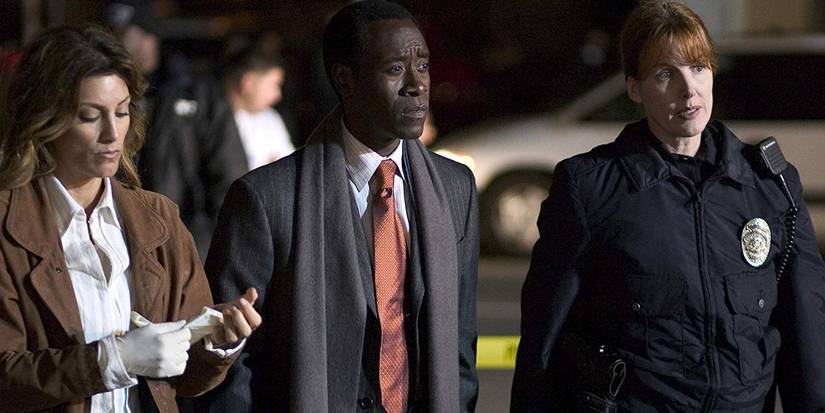
As a film buff, I remember when Crash won Best Picture and everyone was talking about it. It really tried to tackle the complex issue of race relations in America, and it did so through a bunch of different, interwoven stories. The cast was incredible – Don Cheadle, Sandra Bullock, Matt Dillon – and they all helped bring these moments of prejudice and miscommunication, set in Los Angeles, to life. It felt like a really important film at the time.
Over time, the way the film Crash tackles racism has faced increasing criticism. It portrays racism as a problem caused by individual bad choices, suggesting it can be fixed through personal apologies or changes of heart. While this approach can be emotionally powerful, it doesn’t fully address the complex, long-standing problems built into our systems.
This approach simplifies relationships, making them seem artificial and business-like. As a result, many scenes now feel forced, relying on obvious dialogue instead of subtle, well-developed stories.
The film relies too heavily on simple characterizations and biases, which makes its message feel simplistic instead of deep. What initially seemed daring and clever now appears to be a well-intentioned but oversimplified view of a complicated and continuing problem.
Read More
- The Best Sci-Fi Movie From Every Year of The 1990s
- Доллар обгонит лев? Эксперты раскрыли неожиданный сценарий
- ‘Deadpool’ Star Stefan Kapičić Joins Keanu Reeves in Tim Miller’s New Sci-Fi Action Thriller
- Game Of Thrones Star’s New Sci-Fi Movie Changes The Rules Of A Popular Genre
- Hogwarts Sure Does Look Familiar In The New Harry Potter Trailer (But Not From The Movies)
- 29 Years Later, Pokémon’s Banned Electric Soldier Porygon Episode Is Still the Franchise’s Biggest Controversy
- 10 Mario Characters Who Need to Appear in the Illumination Movies
- Why Atonement Is Officially The Most Devastating Movie Streaming On Netflix
- Titus Welliver’s Return In Bosch’s New Prequel Series Gets Definitive Response
- Terminator 2: Judgement Day Still Hasn’t Been Topped By Hollywood
2026-04-11 16:00