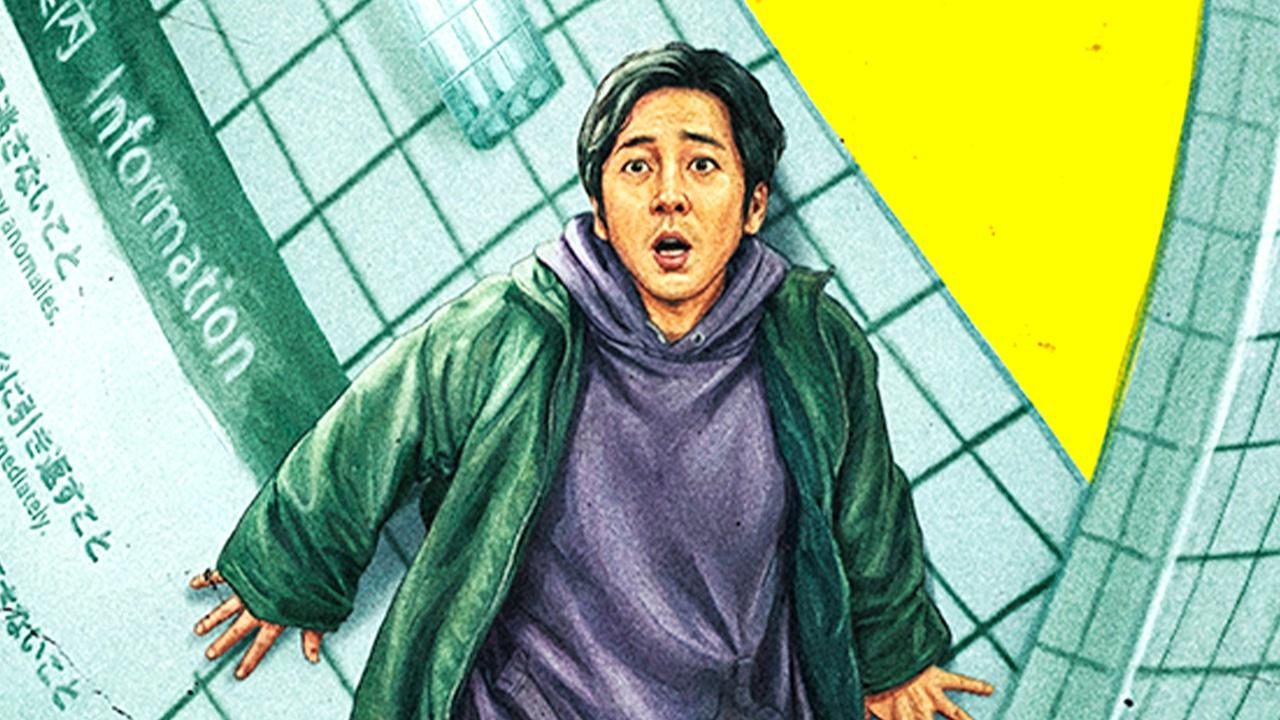
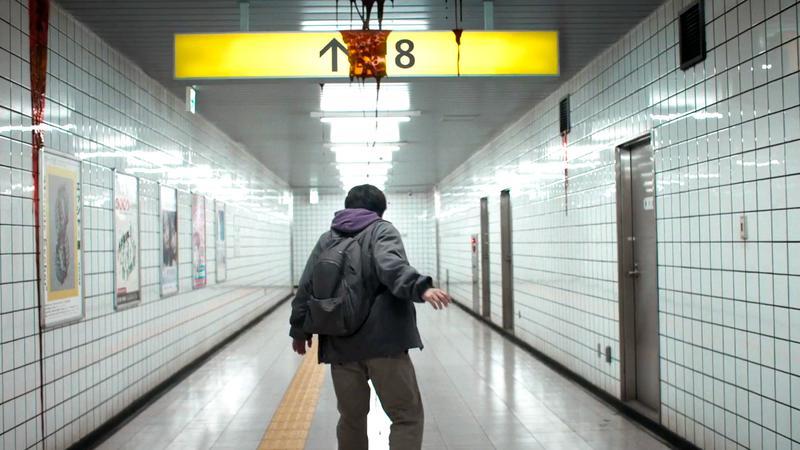
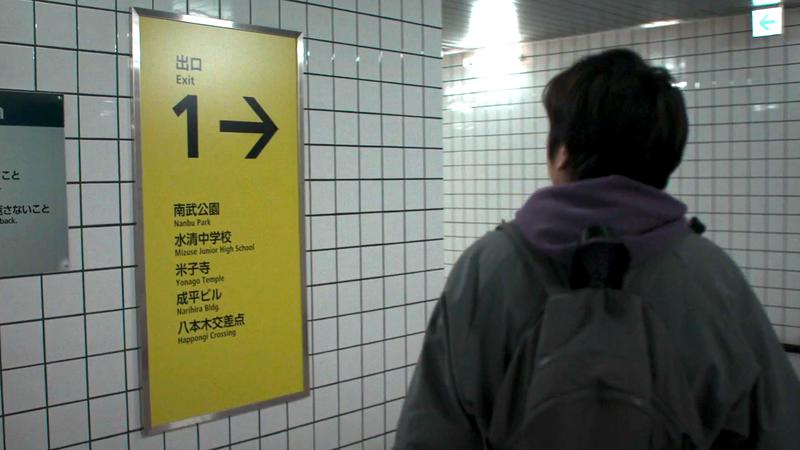
Released in 2023, the indie game The Exit 8 quickly became popular with players. Despite its simple premise, the game was incredibly engaging. Players navigate an endlessly repeating subway tunnel, looking for subtle clues – like strange advertisements or unsettling details – that indicate they’ve gone too far. If they spot one of these anomalies, they must turn back, or their progress will be lost.
Honestly, when I first heard about adapting this game into a film, I was pretty skeptical. Video game movies rarely live up to the hype, you know? But the director, Genki Kawamura, clearly had a vision. He’s turned it into a movie called Exit 8, and I’m excited to say it’s finally coming to the US on April 10, 2026. I’m genuinely curious to see how it turned out!
So, I was reading an interview with Genki Kawamura, the director and writer of Exit 8, and he let slip something really interesting. Apparently, there was this one cool anomaly from the original video game he really wanted to put in the movie. Sadly, it just didn’t quite fit and they had to cut it. It’s always fascinating to hear what doesn’t make the final cut, you know?
Kawamura described a strange creature called the ’tile man’ – a human-like figure that seemed to blend in with the tiles and chased after the main character. They initially attempted to create this creature practically, using live actors, but ultimately decided against it. The director felt it would have made the scene too comical and didn’t fit the overall tone, so they removed it.
TopMob interviewed Kawamura about how he brought the film to life, including developing a story for the character known as the Walking Man, and other aspects of the production.
If you’re a fan of horror, don’t miss TopMob’s interviews from the premiere of the new thriller, Faces of Death.
Which Anomaly Didn’t Make It Into Exit 8’s Adaptation?
“It Would Have Skewed Too Far In the Comedy Direction…”
- TopMob: “The game is obviously based around this idea of an endless hallway, and you’re looking for anomalies. And there are a lot of anomalies in the game. What was the process like in deciding which ones you wanted to feature in the film?”
As a fan, I found it really interesting to hear Genki Kawamura talk about the inspiration behind the world of the film and game. He mentioned ‘Dante’s Divine Comedy,’ specifically the idea of purgatory, and how it influenced the setting. He explained that the anomalies in the story almost represent the little sins or flaws we all have inside us – it’s a really cool way to think about them!
As the project progressed, the corridor started to feel almost alive, as if it had its own intentions. It’s as though the strange things happening inside – like the doorknob being placed in the middle of a metal door – weren’t just random, but were the corridor’s way of messing with anyone who entered.
- TopMob: “Was there any particular anomaly from the game that didn’t make it into the film, but was very close. Like, you were like, ‘I’m gonna do it,’ but then just decided that it just didn’t fit or wasn’t the right choice for this moment?”
There was this really strange character we designed – we called him the ’tile man’ – basically a humanoid figure that looked like he was made of tiles, and he’d rush at the main character. But we realized if we tried to film that in live-action, it would probably come across as too silly and ruin the tone we were going for. So, we ended up having to cut it, which was a shame because it was a cool idea, but just didn’t quite fit.
- TopMob: “As I mentioned previously, the movie is so insanely accurate to the game. What was the process like in designing that hallway and making sure it felt and looked exactly like the game?”
Kawamura explained that the long, looping corridor seen in the film was created by building two identical sets and joining them together. This ‘copy and paste’ technique allowed the filmmakers to achieve the incredibly long, unbroken shots that give the impression the corridor endlessly circles back on itself.
Yamato Kochi, who played the walking man, had a clever trick to create a seamless, looping shot. He’d walk past the camera, then quickly run to the other end of the corridor, hop on a bike, and circle back to start walking again. This allowed us to achieve the effect in one continuous take, using practical filmmaking techniques instead of digital effects. Because we built two identical sets, everyone on set kept getting confused about which one they were in! To solve this, I named each corridor after famous directors: one was ‘Hitchcock’ and the other was ‘Kubrick’.
Making an Impossible Video Game Adaptation Possible
“I Abandoned the Idea That What I Was Doing Was Taking a Video Game and Adapting It…”
- TopMob: “Exit 8 is a game that strikes me as kind of a near impossible one to make as an interesting film, yet you did it, and that is awesome. Can you just talk about how you approached the game, which hardly has any story, and then created something incredibly faithful yet wholly unique with this film?”
Genki Kawamura acknowledged that film adaptations of video games haven’t typically been successful. Instead of directly adapting the game, he focused on creating something that blended the lines between video games and movies.
- TopMob: “How much involvement was there with the original game creator?”
I learned that the original Touhou Project was created by just one person, a developer known as Kotake Create! It’s amazing to think one person built that whole world. I was really lucky to get a chance to talk with them a lot during development, and their insights were incredibly helpful to us.
I remember a conversation I had with Nintendo’s Shigeru Miyamoto during a panel discussion. He explained that truly great video games need to be enjoyable not just for the person playing, but also for anyone watching them play – it’s about creating something engaging to watch as well.
As a huge gamer myself, I really wanted to capture the energy of the video game world in the movie. I thought about how players, streamers, and viewers all interact, and that whole dynamic actually became the foundation for how I built the screenplay. It helped me figure out the best way to tell the story, mirroring that cool, layered experience you get in gaming.
Giving the Walking Man a Story
Genki Kawamura Wants the Characters to Still Feel Like NPCs.
- TopMob: “One of the kind of more shocking and truly inspiring choices I feel like in this film, is the fact that you gave the walking man a story. Can you talk about why you felt that was the direction you wanted to go into, and how that further fleshed out the story you were telling?”
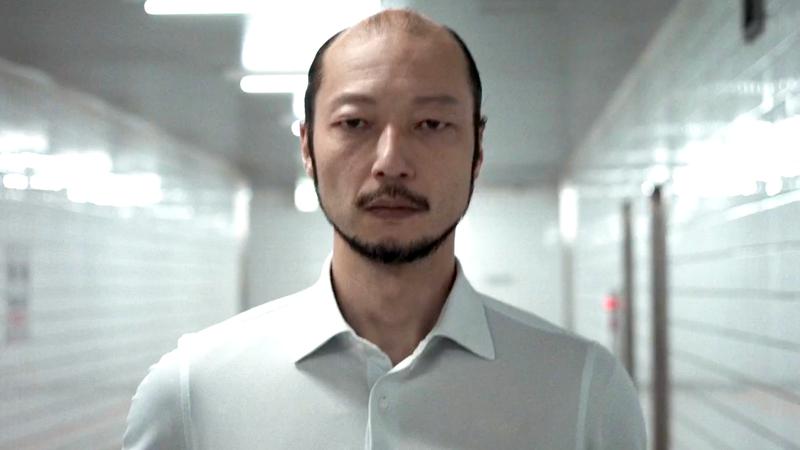
Genki Kawamura explains that the characters in the film are deliberately unnamed, creating a sense that they are like non-player characters (NPCs). He relates this to his own experience commuting on the Tokyo metro, where he feels like the protagonist of his own life, but realizes he likely appears as just another face in the crowd to others.
I really wanted to show how all these characters connect and influence each other. I figured giving the mysterious wanderer his own story would offer a fresh point of view.
- TopMob: “When you played the game originally, is there a key moment or experience you had within it that just really stuck with you, and it’s just kind of a core memory for you in relation to the game?”
Before writing the script, I spent a lot of time watching people play the game online and looking through old recordings. Because the game itself is so straightforward, players naturally created their own unique experiences and stories through their reactions and commentary – there were as many stories as there were players and videos.
I discovered the game was a great way to explore what makes people tick. I really wanted to observe those human qualities, document them, and then bring them to life in the movie.
The Bigger Messages of Exit 8
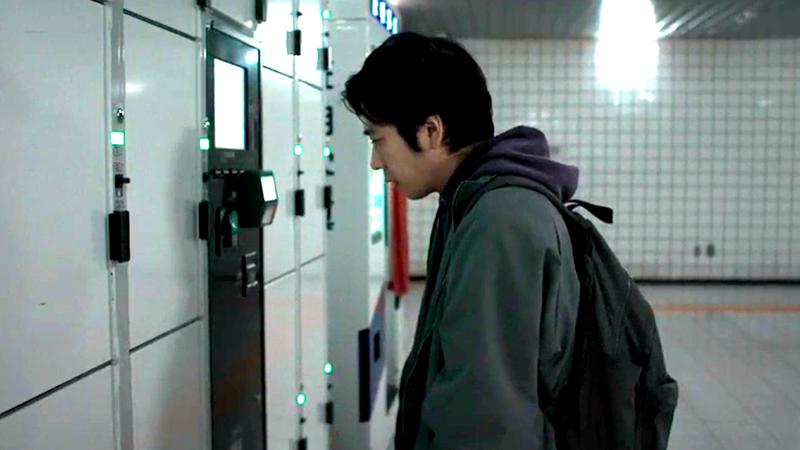
It’s Not Just About a Haunted Infinite Train Station Hallway.
- TopMob: “What were some of the bigger messages you were hoping to portray and kind of tackle with this movie and give to audiences past what was actually happening on screen?”
I often ride the Tokyo Metro and notice everyone is glued to their phones. It’s strange – we’re physically together, but feel completely disconnected. I believe our society has become increasingly focused on the self, to the point where people often don’t even notice someone in distress. Even when exposed to difficult news on their phones – things like war or violence – many people simply scroll past, ignoring or pretending not to see it.
While nothing compares to the seriousness of taking a life, I believe we all carry everyday guilt and make small mistakes that add up. This is a common experience for everyone. I started thinking, what if those small feelings of guilt physically appeared as strange occurrences, almost like echoes of our actions, and those who caused them were the ones who experienced these anomalies?
When we face a roadblock, we can either keep going and risk getting stuck – maybe even repeating the same mistake endlessly – or we can recognize the issue, change direction, and make a different decision moving forward.
Read More
- Доллар обгонит лев? Эксперты раскрыли неожиданный сценарий
- Game Of Thrones Star’s New Sci-Fi Movie Changes The Rules Of A Popular Genre
- The Best Sci-Fi Movie From Every Year of The 1990s
- New Star Wars Series Debuts With Rare Perfect Rotten Tomatoes Score After Early Season 2 Renewal
- 10 Near-Perfect PS1 Games That Dropped the Ball With Their Endings
- Hogwarts Sure Does Look Familiar In The New Harry Potter Trailer (But Not From The Movies)
- 29 Years Later, Pokémon’s Banned Electric Soldier Porygon Episode Is Still the Franchise’s Biggest Controversy
- Why Atonement Is Officially The Most Devastating Movie Streaming On Netflix
- Titus Welliver’s Return In Bosch’s New Prequel Series Gets Definitive Response
- Terminator 2: Judgement Day Still Hasn’t Been Topped By Hollywood
2026-04-10 00:08