Science fiction has captivated television audiences for decades, becoming incredibly popular by offering viewers a chance to journey to distant planets, different eras, or unfamiliar worlds. Shows like the original Star Trek helped transform the genre from a niche interest into a widespread cultural force, fostering early examples of dedicated fandom through fanfiction, conventions, and creative costumes. However, as time passes and technology advances, these classic shows can sometimes feel dated or reflect outdated viewpoints.
It can be jarring to revisit older TV shows and movies objectively, as you start to notice problematic elements like harmful racial stereotypes, poor casting choices, sexist plots, and outdated views on gender. While some classics still hold up, remakes and revivals offer a chance to recapture the good feelings without repeating those mistakes. Over time, it’s not just the special effects in science fiction that feel dated – many aspects of older shows can seem surprisingly out of touch.
The X-Files Treated Scully Like a Damsel in Distress
Dana Scully from The X-Files quickly became a role model for women in the 1990s and paved the way for strong female characters in shows like Bones, Law & Order: SVU, and Veronica Mars. Her practical, questioning, and logical approach inspired more women to pursue careers in science, technology, engineering, and math – a phenomenon known as the “Scully Effect.”
Despite being a groundbreaking female character, Scully often fell into the predictable “damsel in distress” role. She frequently needed rescuing from the weekly monsters, usually by Mulder, and this even contributed to storylines where she developed cancer and was unable to have children. Beyond the frustrating plot devices, actress Gillian Anderson also earned significantly less than her co-star, David Duchovny.
During the 2016 revival of the show, Gillian Anderson had to negotiate for equal pay after being offered half as much as David Duchovny for returning. She was even initially directed to position herself behind him in scenes, highlighting the pay disparity and the challenges she and her character, Dana Scully, faced.
Classic Doctor Who Used Racial and Cultural Stereotypes
Historically, Doctor Who was praised for its forward-thinking approach to issues like environmental protection, opposing colonialism, and fighting social injustice. More recently, the show’s revival has gained attention for its commitment to diverse characters, including gender-fluid Time Lords and the introduction of Rose, Donna Noble’s transgender daughter.
From the beginning in the 1960s, Doctor Who has tried to be socially aware, but it hasn’t always succeeded. Some older episodes include problematic and outdated depictions of race, culture, and gender. A particularly glaring example is an episode that used offensive and racist stereotypes by casting white actors in makeup and accents to play Chinese characters, rather than hiring Chinese actors.
The recent return of The Toymaker in the 60th anniversary special has prompted viewers to revisit the original 1966 Doctor Who episode, “The Celestial Toymaker.” Many are now recognizing the episode’s problematic and harmful racist depictions, including the use of yellowface on actor Michael Gough, stereotypical Chinese attire, and a racial slur used by his character. While older Doctor Who episodes can evoke nostalgia, it’s important to acknowledge that not all of them deserve positive remembrance.
Stargate SG-1 Lacked Diversity and Depicted Foreign Cultures As Backwards
Following the events of the 1994 film Stargate, the series Stargate SG-1 centers on a military team that travels to different planets. Their missions involve seeking allies and powerful technologies to protect Earth from alien dangers. Though widely regarded as one of the best military science fiction shows on television, early seasons of Stargate SG-1 have been criticized for overly sexualizing the character Samantha Carter and relying on the problematic “White Savior” storyline.
In the early seasons, Stargate SG-1 often portrayed the team as imposing their own beliefs and values on the cultures they encountered, reflecting a distinctly American worldview and a tendency to act as rescuers for societies seen as less advanced. The show frequently used stereotypes when depicting non-Western cultures instead of offering more complex and accurate portrayals.
The first season of “Emancipation” received the series’ lowest IMDb rating (5.9/10) due to problematic depictions of a nomadic culture with Mongolian roots. The show portrays this culture as “primitive” and treats women as possessions. Additionally, the character Sam Carter is shown as overly passive after being kidnapped, and the team frequently acts as if it needs to civilize this culture, implying they are incapable of progress without outside help. These elements make the early episodes difficult to watch despite the show’s overall quality.
Lost Had a Hostile Work Environment and Mistreated BIPOC Characters
Despite being hailed by many as one of the best TV shows ever made, Lost remains a source of debate. While the series was known for its creative and compelling stories, many plotlines weren’t fully resolved, leaving viewers with unanswered questions. Though the controversial series finale often gets the most criticism for disappointing fans after six seasons, issues with behind-the-scenes conflicts and the portrayal of characters of color also contributed to the show’s problematic aspects.
Problems within the show’s writing team included prejudice and racist comments. This resulted in white characters receiving more developed storylines. Racism extended beyond the writers’ room, impacting on-screen events. For example, Adewale Akinnuoye-Agbaje, after deciding to leave after a single season, had his character killed off in a particularly violent and racially insensitive manner orchestrated by showrunner Carlton Cuse.
Actor Harold Perrineau shared that he was let go from the show after voicing concerns about how he was treated and the problematic racial stereotypes associated with his character. This, along with the departures of other characters like Sayid, Jin, Sun, Ana Lucia, Nikki, and Paulo, makes it difficult for many fans to revisit this otherwise iconic science fiction series.
Heroes Let Down Leonard Roberts and
The superhero series Heroes, which aired from 2006 to 2010, was a surprising success for NBC and helped launch the careers of actors Zachary Quinto and Milo Ventimiglia. The show explored innovative concepts that paved the way for later hits like Arrow, The Flash, and the more mature The Boys. Many fans think a Writers Guild of America strike contributed to a decline in the show’s quality.
Leonard Roberts, who played D.L. Hawkins, was a main cast member in the first season of the show until his character was unexpectedly removed. He later explained that this was connected to the Black Lives Matter protests and the realization of how widespread systemic racism was, even in his first major television role. Roberts revealed that co-star Ali Larter, who played his wife on the show, disliked him and contributed to his character being written off.
Sources say the actress couldn’t stand being around her co-star. The lack of on-screen chemistry and her unwillingness to work with him resulted in his character being given less and less to do, eventually leading to his death on the show. Combined with complaints about a lack of diversity among the writers and the issues surrounding Ali Larter’s departure, seeing D.L. killed off on Heroes now just makes what should have been a major opportunity for Roberts feel disappointing.
Battlestar Galactica Tapped Into Anti-Asian Tropes
The reimagined Battlestar Galactica, a revival of the 1978 series, follows the same basic story: humans escaping destruction by the Cylons, a race of intelligent robots determined to wipe out humanity. While darker and more serious than the original’s lighthearted approach, the reboot has drawn criticism for its heavy-handed parallels to post-9/11 America, specifically its portrayals of torture, suicide attacks, and the strong, sometimes oppressive leadership of Admiral Adama.
A key casting decision was Grace Park as Sharon Valerii, known as Boomer, who is eventually revealed to be a Cylon—a robot designed to secretly harm humans. Boomer is a complex and often heartbreaking character, facing imprisonment, being cast out, betrayal, and a struggle with her own identity. Within the show’s conflict between humans and Cylons, Boomer unfortunately embodies harmful stereotypes often associated with East Asian women—being seen as cold, interchangeable, and threatening.
In Battlestar Galactica, Boomer and the other Eight characters represent the way Asian people are often seen as outsiders. While Boomer finds a sort of redemption through her relationship with Athena, the show still relies on harmful stereotypes about East Asian women that are common in Western media, and echoes the dangerous ‘Yellow Peril’ trope. This contributes to anti-Asian bias, making it difficult to watch the series without recognizing these problematic elements.
Firefly Faced Problematic Portrayals of Female Characters
Despite being canceled after only one season, Firefly remains a beloved sci-fi show for many fans, even after two decades. However, recent revelations about its creator, Joss Whedon, have complicated its legacy. Reports of his problematic and abusive behavior on set have led to a reevaluation of his work, casting a shadow over everything he’s created.
The female characters in Firefly were initially celebrated for being strong and well-developed, but a closer look reveals they mostly served to support the male leads. While capable and skilled, the four women on the Serenity often found themselves sidelined, taking a backseat in the main stories. The male characters, meanwhile, consistently drove the plot forward and frequently got away with actions that were ethically ambiguous or outright questionable.
The women in the show often face unwanted sexual attention and are treated as objects rather than people. This is particularly noticeable with Inara, whose profession and perceived foreignness are overly emphasized, especially when she serves female clients. Additionally, the show’s portrayal of harmful masculine behavior and its female characters—who sometimes feel underdeveloped and exist primarily to support the male leads—reflects problematic trends.
Quantum Leap Sticks To a White Savior Narrative
The series follows Dr. Sam Beckett, a physicist played by Scott Bakula, who is accidentally sent traveling through time. He doesn’t physically travel, but instead leaps into the bodies of different people throughout history. His goal is to fix mistakes in the past to improve the future and, ultimately, find a way back to his own time. The show has been growing in popularity since a brief return in 2022.
Although the show starts with an interesting idea, it often falls into the problematic “White Savior” trope. This happens when Sam temporarily becomes people from marginalized groups – like when he portrays Ray Jordan, a Black medical student during the 1965 Watts Riots, or Jimmy, a man with Down Syndrome fighting to avoid being sent to an institution. In these episodes, the focus shifts to Sam ‘saving’ them, reinforcing an unequal power dynamic.
While the show was forward-thinking for addressing important social issues, it unfortunately relied on a common and problematic pattern: a brilliant, physically capable white man consistently saving others. The story focuses so heavily on his perspective and actions that the other characters lose their own power and ability to help themselves, falling into the well-worn “White Savior” trope.
The Twilight Zone Includes Outdated Depictions of Race, Gender & Disability
The original Twilight Zone is still a hugely influential TV show, known for its thought-provoking stories and surprising endings – often considered even better than those of M. Night Shyamalan. However, some episodes haven’t aged well and now contain views that many find offensive. For example, the show once presented harmful and inaccurate depictions of intellectual disability and used hurtful language. One episode, “A World of His Own,” features a character who mistreats women, and this behavior is presented without criticism.
Episodes of the classic show The Twilight Zone, while once known for making viewers think, now often do more harm than good when tackling sensitive issues. A prime example is the episode “The Encounter.” Intended to address the prejudice still felt towards Japanese-Americans after World War II, it actually worsened racist attitudes and reinforced damaging stereotypes. The episode also falsely suggested that Japanese-Americans were involved in the attack on Pearl Harbor, a claim that contributed to the unjust imprisonment of Japanese-Americans during the war.
The situation was made even worse by the story’s lack of sensitivity, especially considering that George Takei and his family had been held in Japanese American internment camps. After the Japanese-American community voiced their concerns, the episode wasn’t shown on television for many years.
Star Trek: The Original Series is Indicative of Its Time Period
Since its debut in 1966, Star Trek has grown into a huge franchise with many TV shows and movies. However, some fans now criticize newer installments. While Star Trek has always been known for its inclusive cast and thought-provoking stories, certain aspects of the original series haven’t held up over time and are now considered problematic.
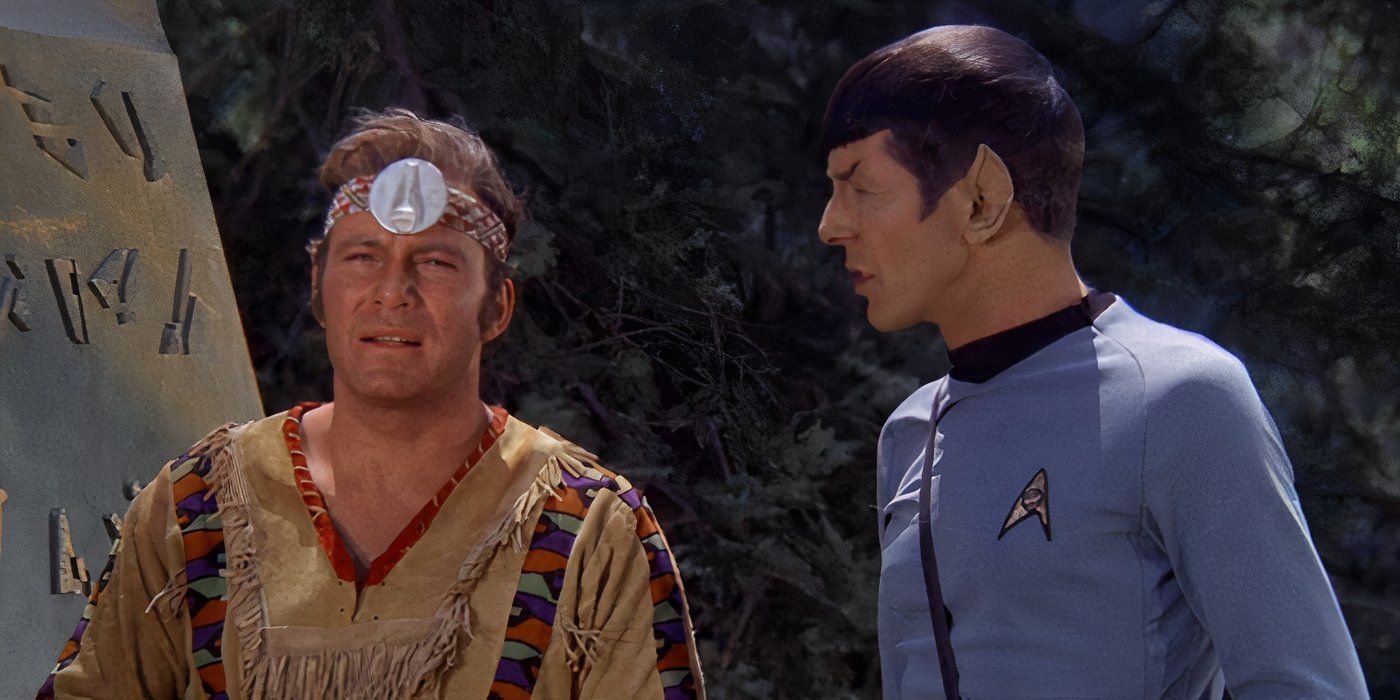
Some classic Star Trek episodes contain problematic and outdated portrayals. “The Paradise Syndrome” relies on harmful stereotypes of Native Americans, and other episodes display casual sexism. Examples include the way women are treated as commodities by Harry Mudd, the condescending treatment of Princess Elaan, and the attempted assault on Yeoman Rand. The episode “The Turnabout Intruder” highlights gender inequality, as Kirk’s ex-girlfriend switches bodies with him to commandeer the Enterprise, revealing that Starfleet, even in the 23rd century, doesn’t allow women to be captains.
Despite efforts to explain away the issues in this particular Star Trek episode, it clearly shows how women were often treated as secondary characters – a reflection of the sexist attitudes common in the 1960s. While the show was forward-thinking for its time, rewatching it today, after 60 years, makes these issues increasingly apparent.
Found an error? Send it so it can be corrected.
Read More
- Доллар обгонит лев? Эксперты раскрыли неожиданный сценарий
- Hogwarts Sure Does Look Familiar In The New Harry Potter Trailer (But Not From The Movies)
- Zander Hawley Discusses The Rookie Season 8 Return & New Single ‘Caroline’
- Netflix’s 4-Part Black Mirror Replacement Series Will Never Run Out Of Stories
- Netflix’s 8-Part Psychological Thriller Is Its Best New Show To Binge This Weekend
- Daredevil Born Again Reveals Full Look At Bullseye’s Comic-Accurate Costume In Season 2
- HBO’s Harry Potter Series Lands 2026 Release Date
- Marvel Studios Confirms Historic Release For 2nd Chapter Of MCU Netflix Reboot
- Dark Winds Season 4 Release Date on Netflix
- Disney’s Greatest Sci-Fi Franchise Of All Time Finds New Streaming Home
2026-04-06 04:16