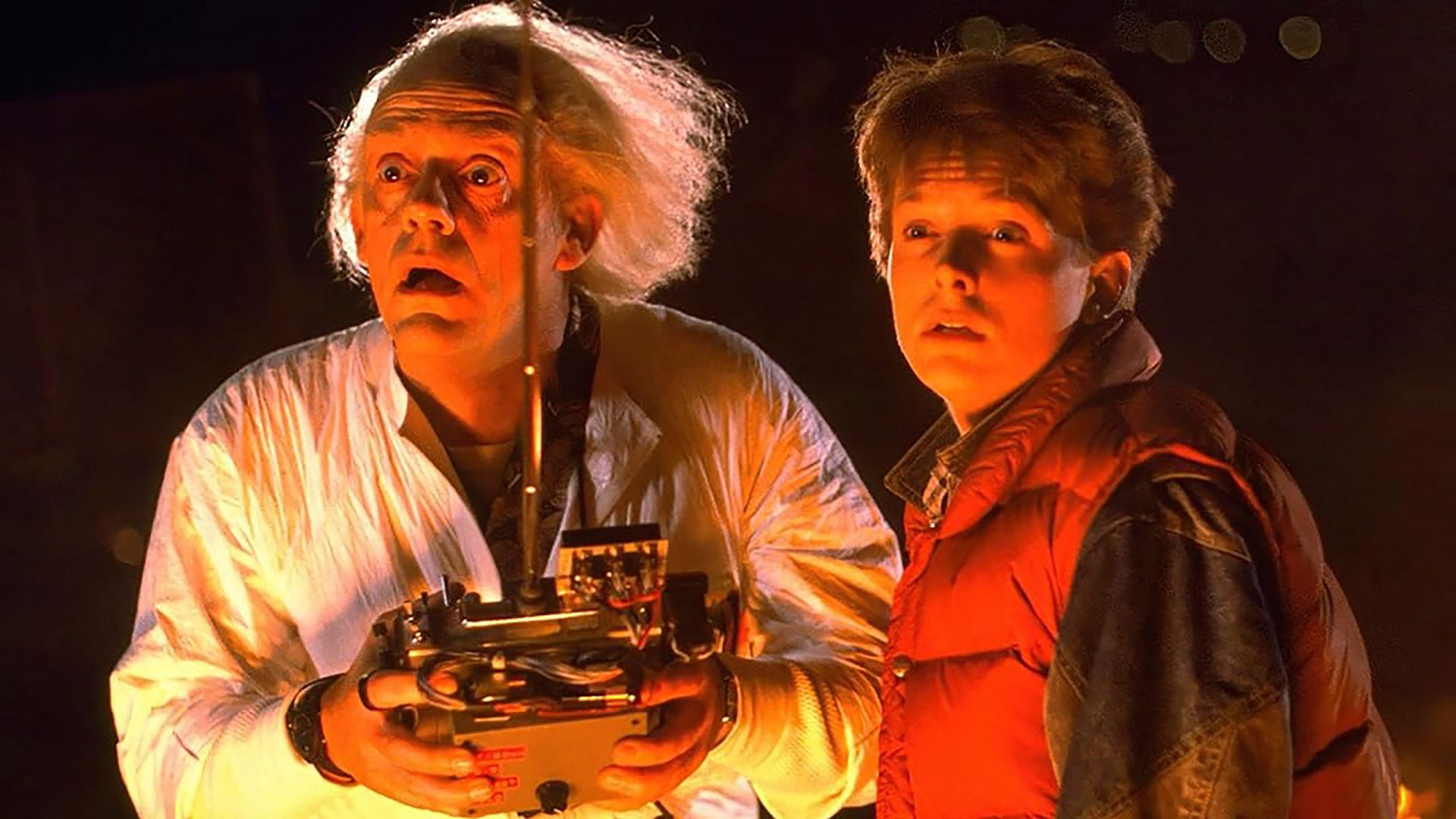
Even after over 40 years, the movie Back to the Future continues to be incredibly influential. It’s become a classic part of pop culture, loved by generations for its warmth, funny moments, and thrilling science fiction story. The film’s success is largely thanks to its script, which was written by Bob Gale, based on a story he created with director Robert Zemeckis.
The Back to the Future franchise has grown to include animated series and comic books, but despite its popularity, no one has tried to make a sequel or reboot, mainly because the original movies are so well-loved. While a direct continuation hasn’t happened, Bob Gale helped create Back to the Future: The Musical, which isn’t a sequel but rather a reimagining of the film’s key moments designed to evoke the same feelings as the original. The making of the musical is documented in A Future on Stage: The Making of a Broadway Musical, which is now available to stream.
In retrospect, Gale and his team had no idea how popular the movie would become. However, he recalled to MovieWeb realizing it would be at least initially successful – he remembered the moment he first felt that way.
You just never know with movies, do you? I remember working on “I Want to Hold Your Hand” and “Used Cars,” and both of them absolutely killed it in the early test screenings. The studios were convinced they had blockbusters on their hands, saying the audience reactions were incredible. But, sadly, neither one really took off when they were released. It’s tough when that happens, but honestly, those failures were really valuable lessons. They definitely kept us grounded and made us work even harder, so in a way, I’m grateful for them.
Honestly, after making those two films, we proved to ourselves we could actually make a good movie – we knew how to tell a funny story. The frustrating part was, we just couldn’t figure out how to get people to actually go see it, you know? It was a real head-scratcher.
Interestingly, Eric Stoltz was initially chosen to play Marty McFly. However, the filmmakers felt he wasn’t quite the right fit for the character, so they ultimately replaced him with Michael J. Fox.
Gale Ann Hurd recounted that Sid Sheinberg, then head of MCA, essentially gave them permission to cast Eric Stoltz, but with a safety net. Sheinberg told them they could switch actors and start over if Stoltz wasn’t working, though he was confident Stoltz would succeed. He proved to be a man of his word, admitting the initial choice wasn’t quite right. They only approached him about a replacement once Michael J. Fox was available, which made it difficult for Sheinberg to object, as Fox was the star of a hugely popular TV show at the time.
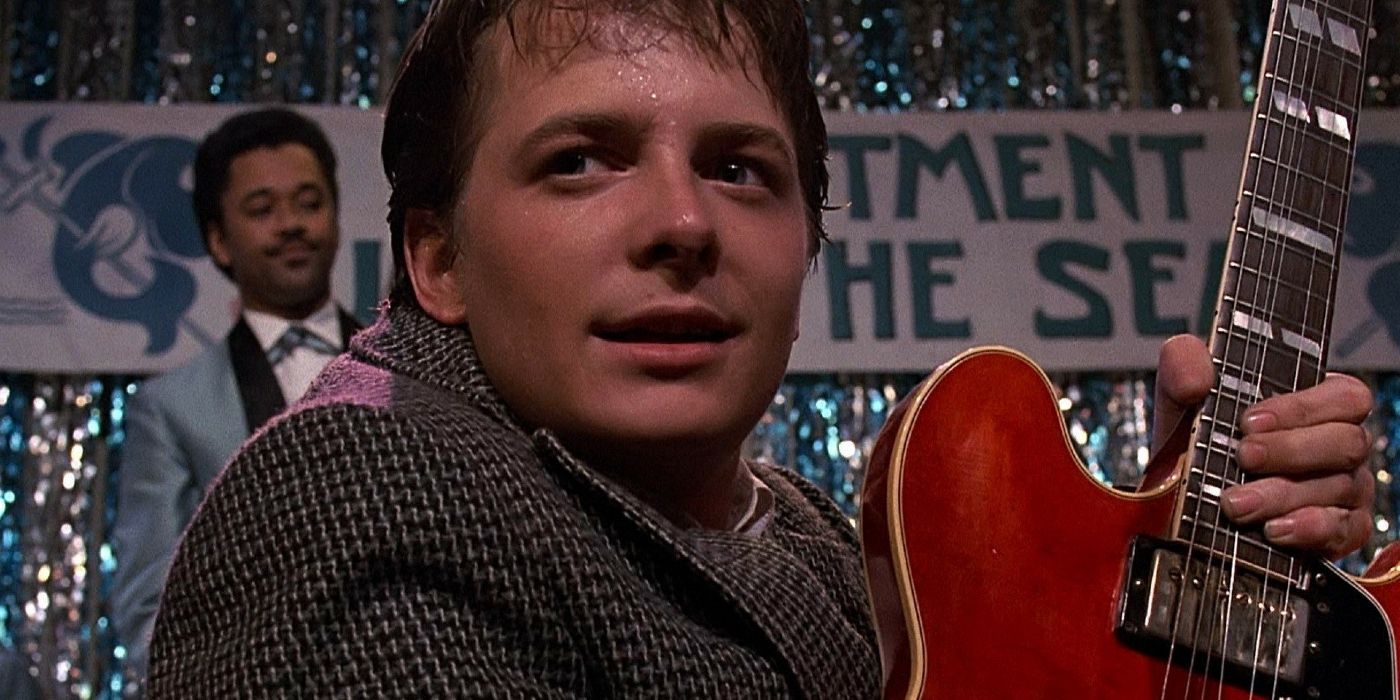
He recalled filming the Enchantment Under the Sea dance scene in the spring of 1985 at Whittier High School. Since filming at a school requires it to be closed for students, they initially shot scenes with Eric Stoltz over Christmas break in 1984. They expected local kids to come and watch, but nobody showed up because no one knew who Eric Stoltz was. However, once word spread that Michael J. Fox was filming at the school, crowds of kids—seven deep—gathered just to catch a glimpse of him. Bob and he realized at that moment that Michael J. Fox was a genuine star, and people would likely go to the movies to see him.
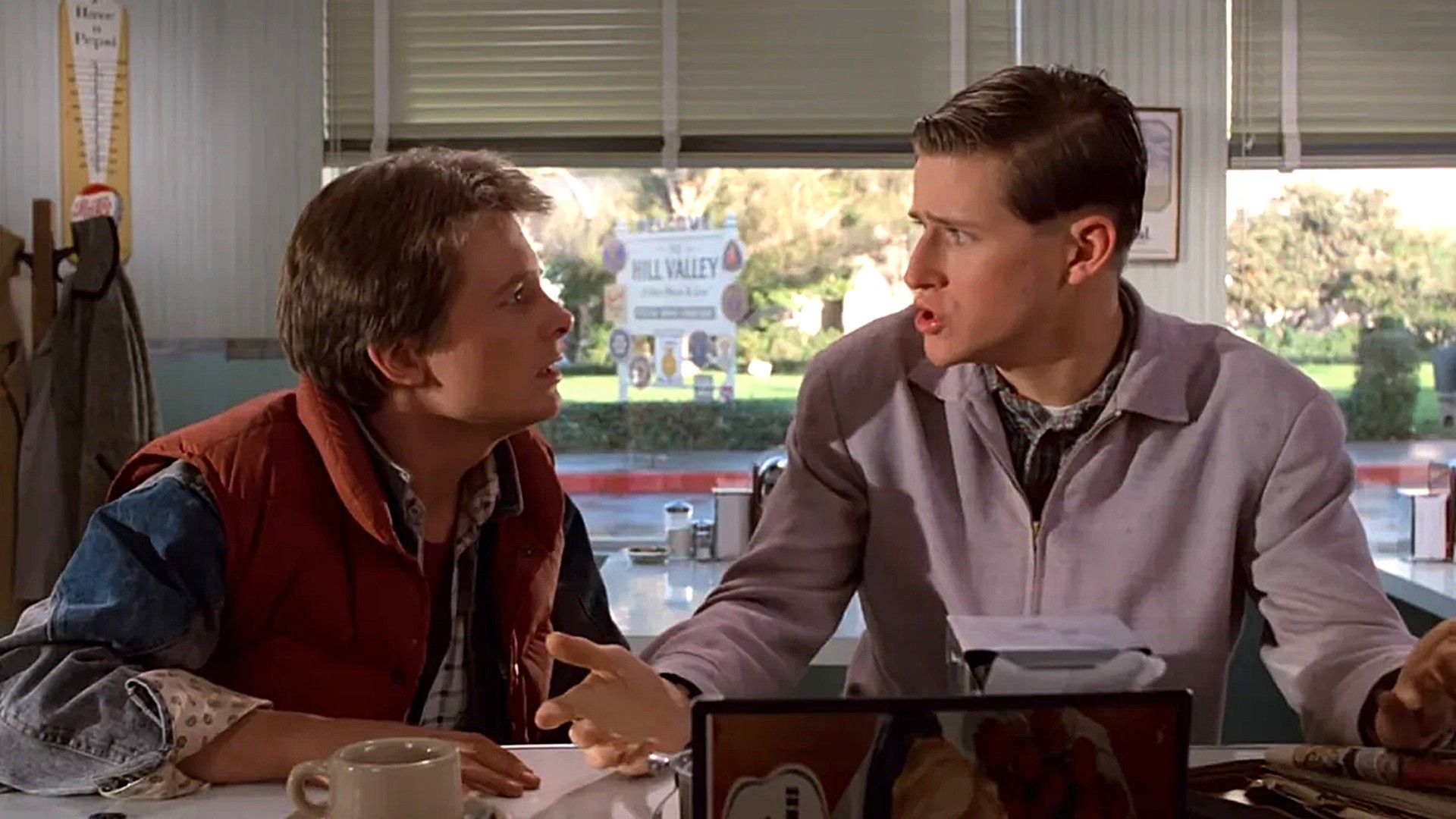
I heard the first test screening was incredible! Apparently, people were so excited they were high-fiving each other during the movie, and that was even before all the special effects were done – they actually ended up cutting seven minutes later on. That reaction was so strong, it made the studio head, Sheinberg, decide they needed to release it sooner, aiming for the July 4th weekend instead of mid-July. It cost another million to finish everything, but when it finally hit theaters, it was a total phenomenon!
He knew the musical was hitting the mark when he could gauge the audience’s reaction – just like with the original movie.
We initially tested the show in Manchester, running for almost three hours, to see what resonated with the audience. Over the next three weeks, we gradually trimmed about 35 to 40 minutes, eventually getting it down to just over two hours. We experimented nightly, removing songs one at a time to gauge the audience’s reaction. If removing a song didn’t change the response at all, we knew it wasn’t essential and could be cut. This iterative process allowed us to refine the show until it was just right.
The first preview in Manchester was amazing! Fans traveled from all corners of the globe to be among the very first to see it. I actually met people who flew in from places like Japan, Kansas City, and Germany – it was incredible to see so much enthusiasm.
Despite all the positive early reactions, two people in particular helped Gale understand just how special their musical was.
During an early screening, two women sat directly in front of me with a skeptical attitude, arms crossed, clearly waiting to be impressed. But they quickly became engrossed in the film. During the intermission, they recognized me and introduced themselves as the co-presidents of the UK’s Michael J. Fox fan club. They told me they hadn’t believed anyone could ever replace Michael J. Fox as Marty McFly, but that this new actor had won them over within seven or eight minutes.
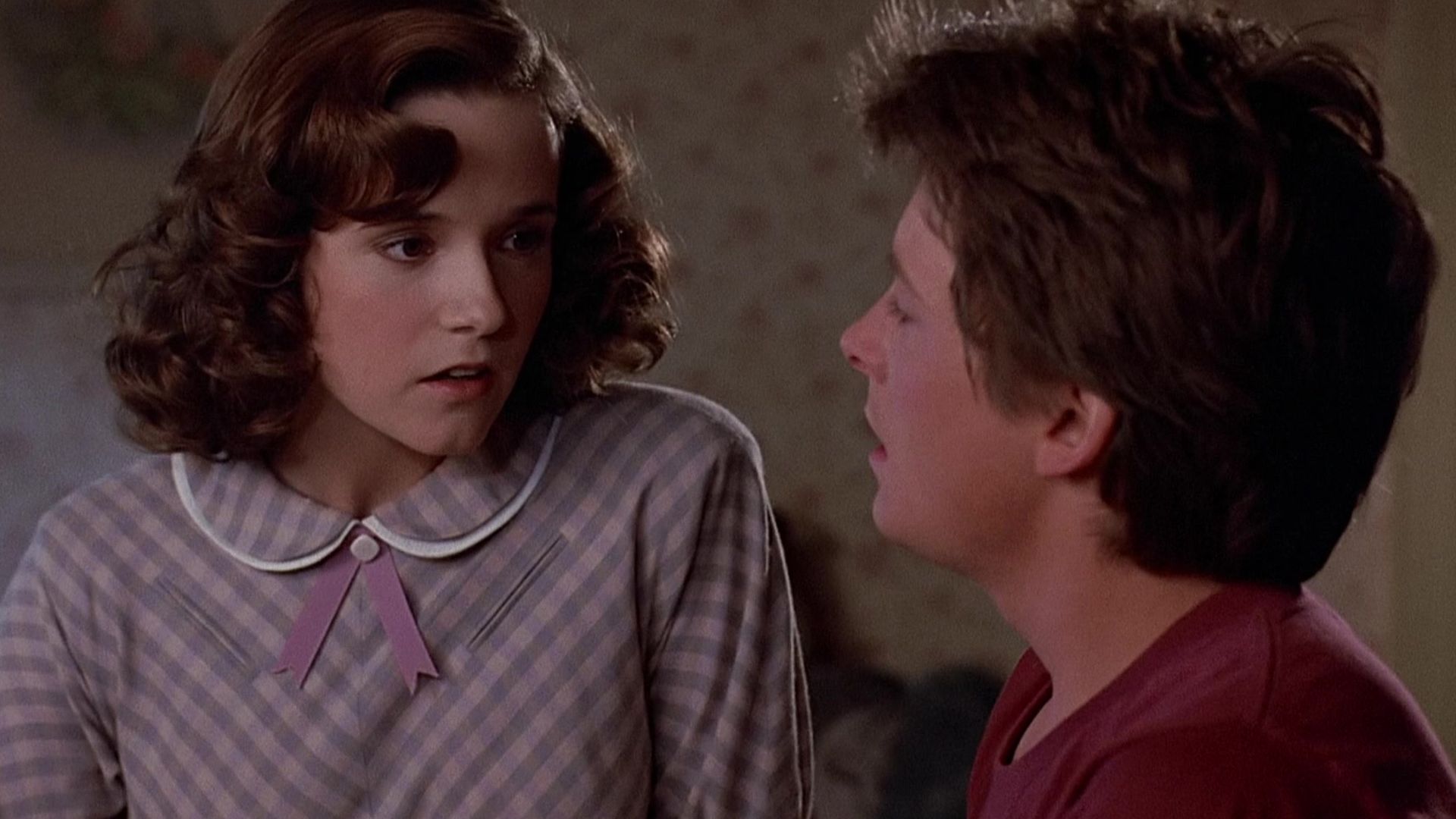
The original film was a hit, and its approach to time travel became so influential that many subsequent projects tried to copy it. Even Avengers: Endgame, a massive box office success, acknowledges the established rules of time travel (though, within the Marvel Cinematic Universe, Scott Lang playfully dismisses them as inaccurate). Reflecting on creating this now-common formula, Gale shared:
We really loved the 1960 film, The Time Machine, directed by George Pal. Something we found particularly interesting was that the time machine only moved through time, not through space. The traveler always remained in the same location – England – and the machine itself never physically moved. The filmmakers really highlighted this detail, as if to say, ‘Look how clever that is!’
Obviously, all of that is pretty far-fetched. The Earth, our solar system, our galaxy, and the entire universe are constantly in motion. If you actually traveled through time, you’d likely end up lost in space. But in the movie, we decided Doc Brown was clever enough to account for all those movements.
While the first Back to the Future film remains highly influential, co-writer Bob Gale has shared his opinions on some of its successors. He admitted he’s not a fan of Rick and Morty, feeling the show goes too far, though he clarified this isn’t due to being easily offended. He enjoys shows like South Park and even the horror of The Texas Chain Saw Massacre, but simply doesn’t find Rick and Morty humorous.
What makes Back to the Future such a great adventure film isn’t just its humor, excitement, or clever time travel plot—it’s the perfect combination of everything. According to the filmmakers, the heart of the movie lies in the relationships between the characters.
At its heart, this is a story about people. While it involves time travel, the real power of the film lies in the relationship between Marty McFly and his parents. That’s why it’s remained popular for so long, resonates with every generation, and connects with audiences worldwide – from Japan and Germany to Asia and South America, everywhere you look.
Around age seven, eight, or nine, kids often have a surprising realization: their parents were once children too. It’s a big thought to understand that your mom and dad had similar experiences to your own – scraped knees, homework troubles, even getting bullied. You begin to see they went through the same things you are. Later, you start wondering about their childhoods and how they met. You imagine their first date – who asked who, how it happened, and all the details. It’s fascinating to think about their lives before you were born.
Gale wasn’t alone in understanding what made the original story so good. John Rando, the musical’s director, also knew what worked. Just like an actor was replaced early in filming, Rando wasn’t the first director considered for the musical, but his understanding of the project’s potential is what ultimately won him the job.
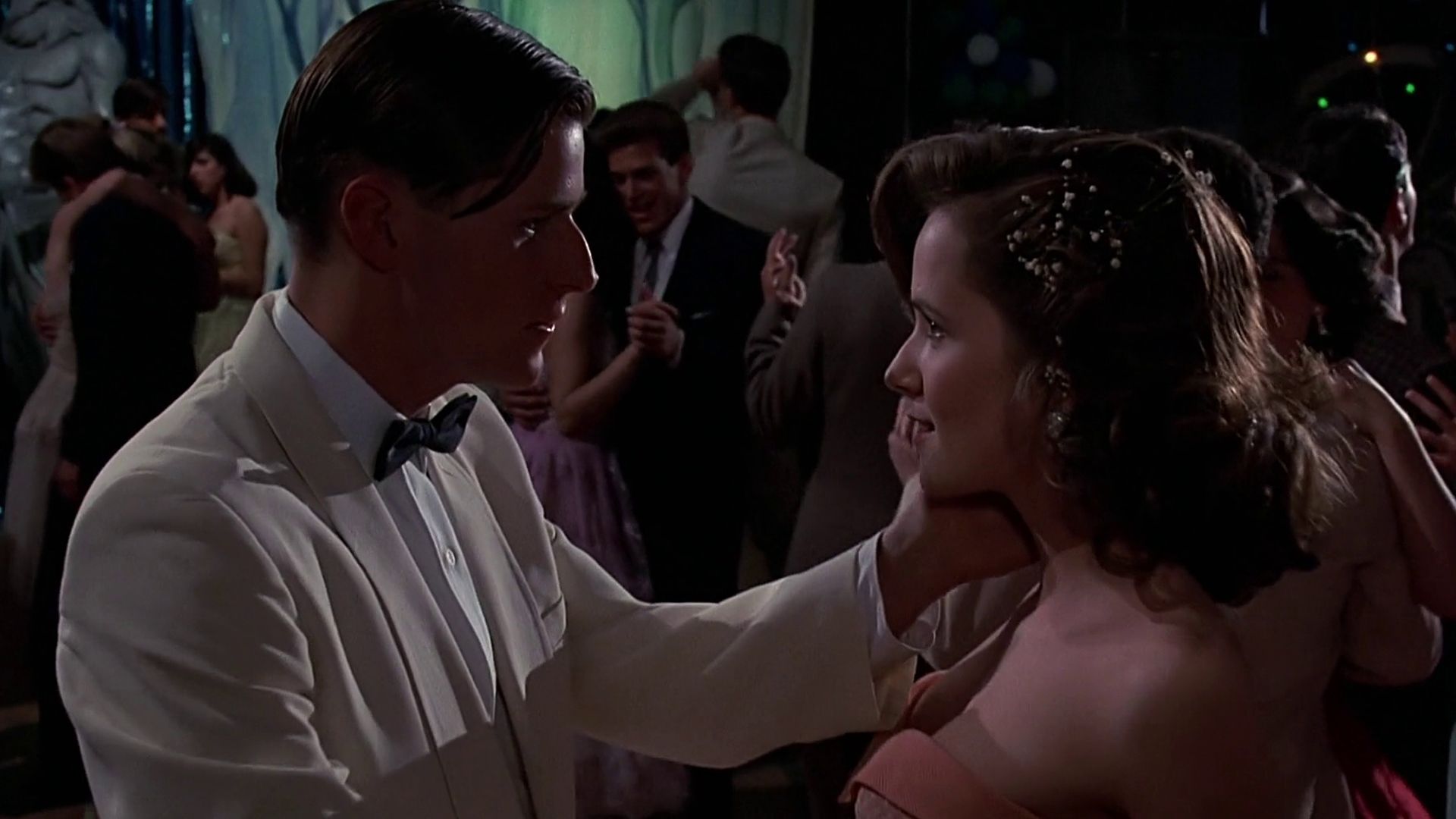
The director recalled that Rando told him and producer Colin Ingram he didn’t want to discuss the technical aspects of the DeLorean or the clock tower. He wanted the workshops to focus solely on developing strong, likable characters. Once he felt good about the character dynamics after the second workshop, he began collaborating with production designer Tim Hanley on the visual and practical challenges of bringing the story to life.
He explained that what he loved most about creating the musical was how passionate everyone involved was about the original movie. They all felt a strong sense of responsibility to do it justice and ensure the stage version lived up to the film, because they were all fans who didn’t want to see something they loved ruined. He found that dedication incredibly inspiring.
Gale was a key part of the project from the very beginning and remained dedicated throughout its long development. While many people contributed to the film’s success, not all were involved as deeply as he was. Robert Zemeckis, for instance, gave his approval early on, but didn’t actively participate until later stages. Gale explained:
It was helpful that he wasn’t present initially. When he joined us for the second workshop, he offered a fresh perspective, noticing things we had missed. Being a bit removed allowed for that, but it was also crucial for the actors to know I was available. They’re more comfortable taking risks and trying different lines when they know the writer – and the person who wrote the movie – is present and invested in making the scene work.
I often get my best ideas when I see something directly. There were many times I’d notice something and immediately think, ‘That could be better,’ or I’d suddenly have a great idea for a line of dialogue. I even developed a tell – a certain look on my face – that John recognized. He’d see it and say, ‘Oh, you’ve come up with something new, haven’t you?’
Since the musical adaptation of Back to the Future was so popular and ran for a long time, many fans are hoping the other movies in the series might also become musicals. However, Bob Gale, a key figure behind the original films, doesn’t think the other stories would translate well, believing the strength of Back to the Future lies in its focus on relationships and core ideas.
The writer explained that through researching musicals – something he always does thoroughly – he learned a key ingredient for success: a central love story. Having worked closely with musical theater expert John Rando, who has directed many classic revivals, he realized that the most popular musicals almost always feature a romantic relationship at their core. He noted that while Back to the Future II is a great story, it’s driven entirely by plot, which doesn’t translate well to the stage. Unlike a mystery like an Agatha Christie play, which focuses on unraveling a puzzle, a plot-driven story without a love story simply doesn’t make for a compelling musical.
He believes a third installment could be successful, mainly because it features a compelling love story. However, he doesn’t think a second part would work, feeling it’s best to stop after the first one, which he considers the strongest and most successful. He notes that some fans in London have seen the show hundreds of times over its five-year run, which is remarkable.
Gale recognizes that even if a film version of the musical were made, it couldn’t recapture the special feeling of seeing it live. Just like understanding something’s boundaries, he knows recreating the experience wouldn’t be the same.
I personally preferred seeing ‘Wicked’ live in the theater rather than watching the film adaptation. Andrew Lloyd Webber has always felt that his stage productions are best experienced on stage, and while anything is possible, the energy and spectacle of a live performance are unmatched. You can see special effects in a movie, but witnessing them happen right before your eyes, with the performers creating that magic for you, is something truly special – that’s what makes theater so powerful.
You can now rent the behind-the-scenes documentary A Future on Stage: The Making of a Broadway Musical on Prime Video. Plus, Back to the Future: The Musical is currently touring across North America.
2026-04-04 02:10