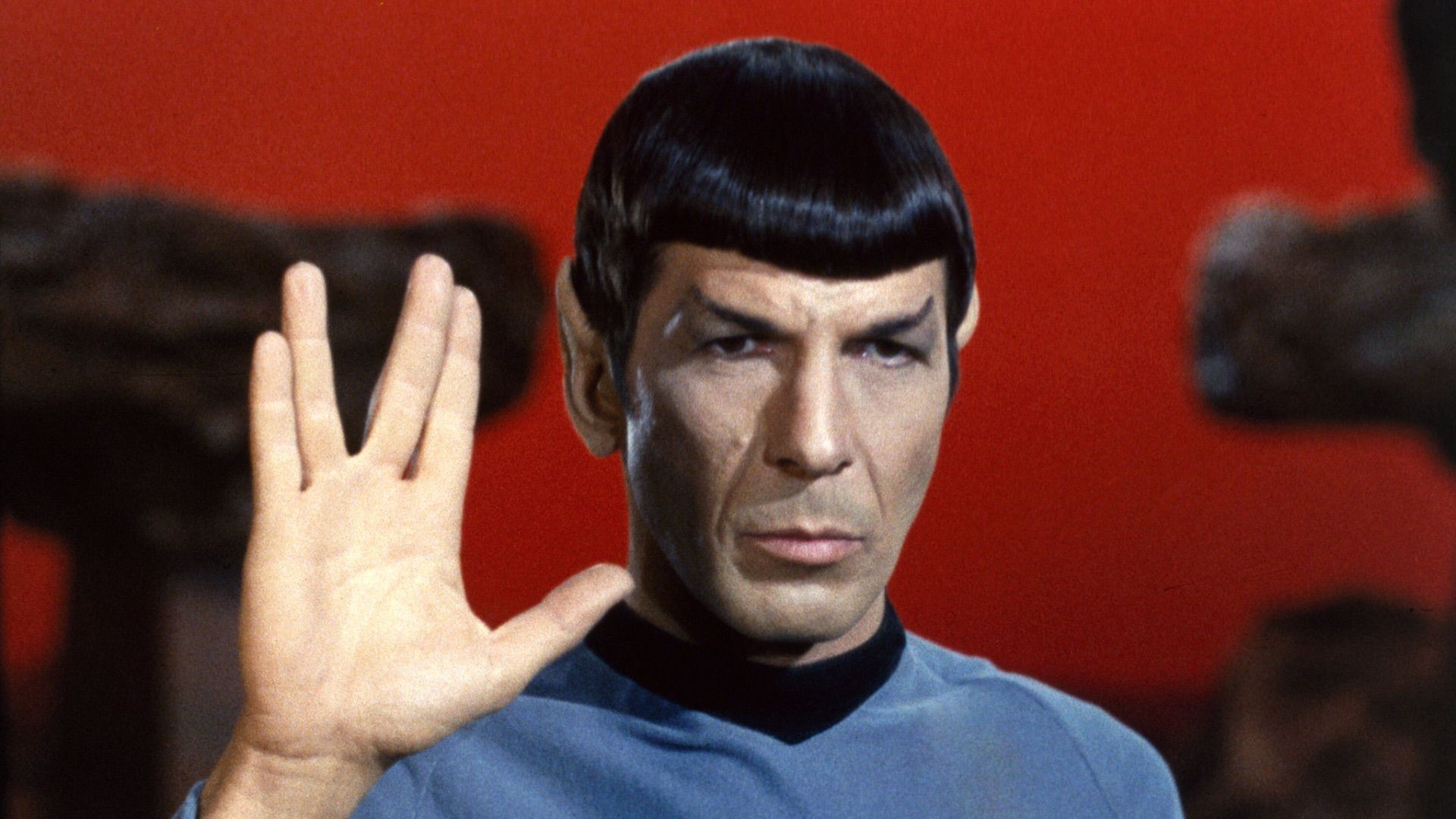
Star Trek is a truly important and influential science fiction show. The original series, which aired from 1966 to 1969, followed the adventures of a crew exploring the galaxy aboard the starship USS Enterprise. The show’s characters, like the brave Captain Kirk (played by William Shatner) and the logical Spock (Leonard Nimoy), were innovative and helped create new types of heroes and characters we still see today.
Although Star Trek includes 14 films and 13 TV series, its impact on science fiction, especially space operas, has been significant. Space operas, known for their large-scale galactic settings and focus on a small group of characters, are a distinct part of the sci-fi genre. Because of this, Star Trek is often used as the benchmark against which other similar shows are measured, and it continues to be considered the best example of the form.
The Expanse
2015–2022
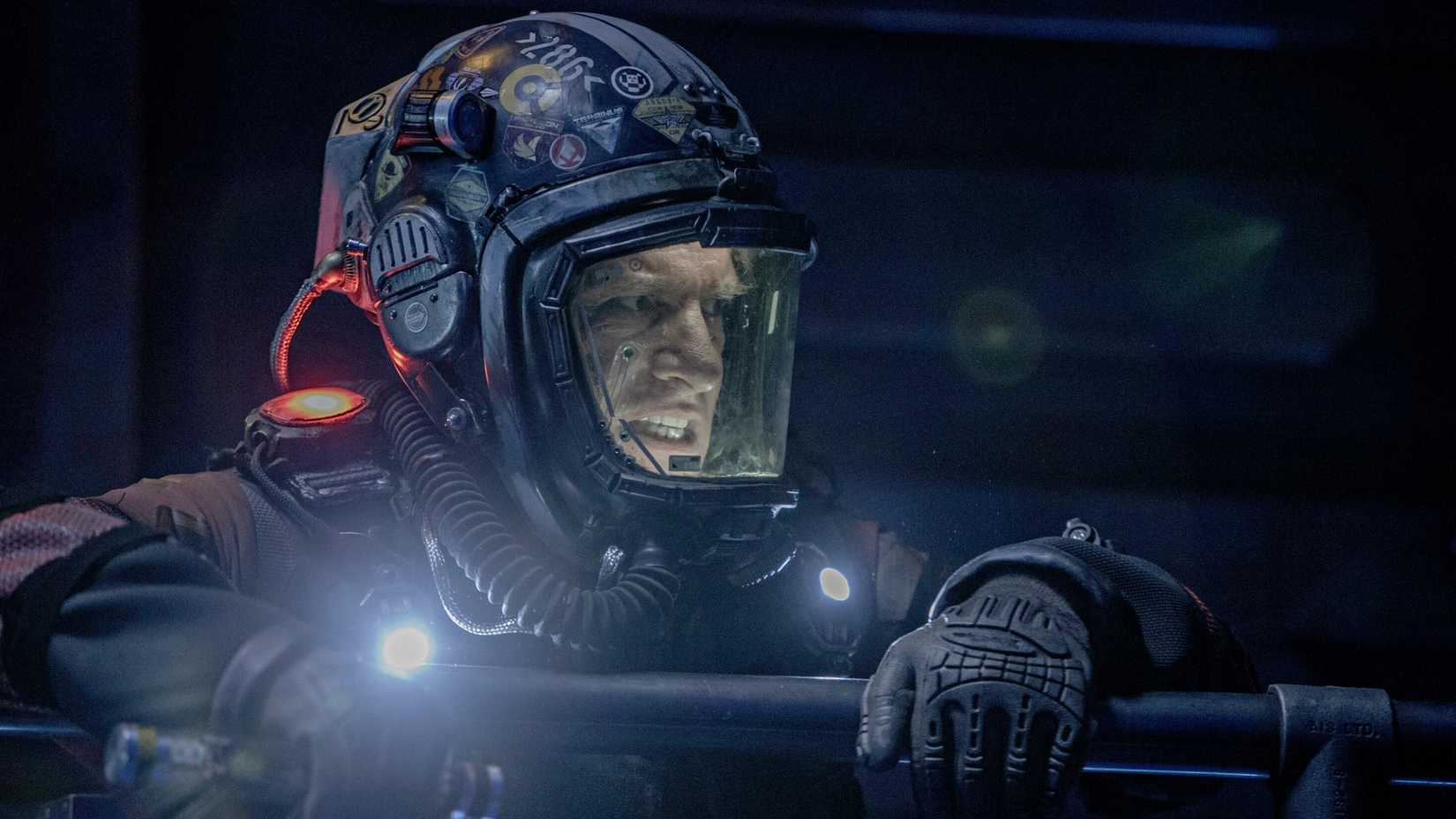
Set far in the future, The Expanse depicts a troubled galaxy where humans have colonized much of the Milky Way. The solar system is now controlled by either powerful corporations or military forces, leading to widespread chaos. When a wealthy young woman disappears, a jaded spaceship captain and a detective are forced to work together to find her, venturing into the dangerous and desolate areas of the colonized planets.
Though it’s considered one of the best science fiction adaptations from books in recent years, The Expanse first felt like a much more realistic and cynical take on Star Trek. While Star Trek was known for its thoughtful political themes and symbolic storytelling, it didn’t often feel as disillusioned as The Expanse. Also, Star Trek typically didn’t focus as much on complex conspiracies and mysteries.
Babylon 5
1994–1998
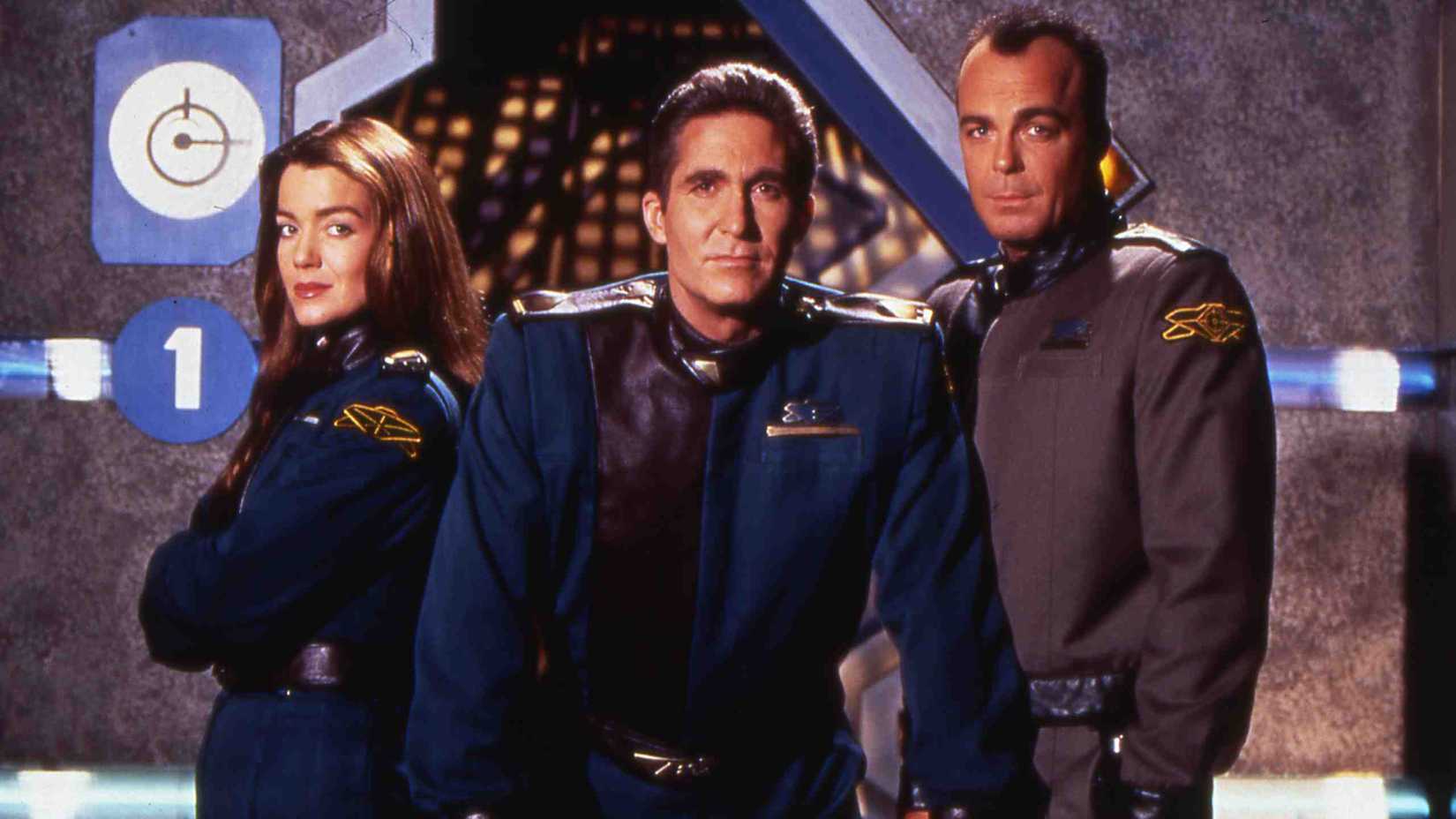
With its striking visuals – like the unique blue uniforms – and thought-provoking storylines, Babylon 5 quickly appealed to fans of Star Trek. While the show premiered almost 30 years after the original Star Trek, its influence is clear in every episode of Babylon 5‘s grand space adventure. However, the 1994 series was much more than just a copy; it forged its own path.
Babylon 5 was unique in how it told stories, unfolding them like chapters in a continuous novel. This helped it avoid the common problem of many sci-fi shows where each episode felt isolated and the series lost momentum. Babylon 5 always felt like it was headed somewhere important, and it’s also home to one of the most famous lines in science fiction.
Stargate SG-1
1997–2007
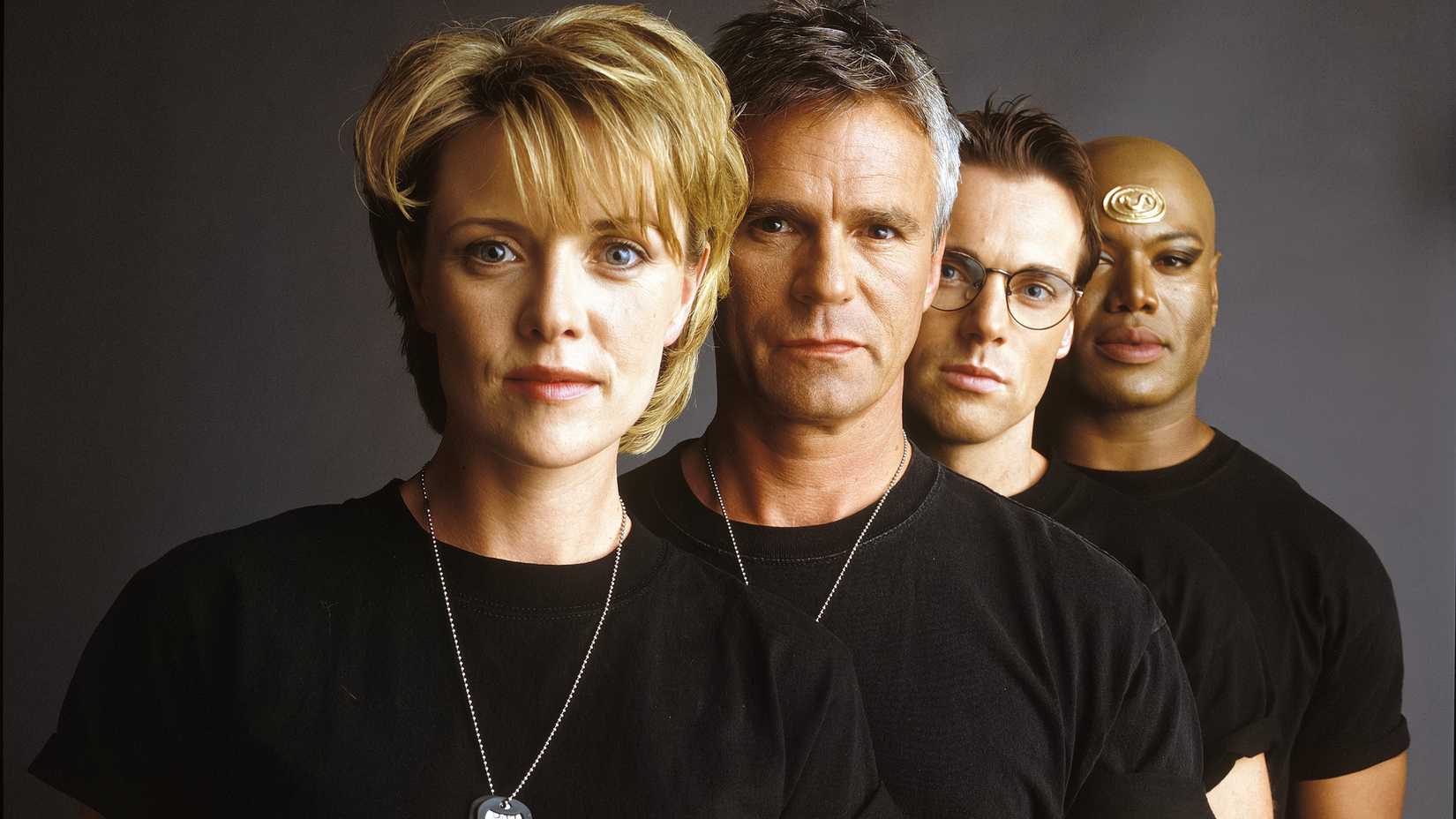
The Stargate story started with the 1994 movie, but it really became popular with the TV series Stargate SG-1. Unlike many sci-fi shows that take place on spaceships, Stargate focused on a team of soldiers who traveled to different worlds using a special portal called the Stargate.
| TV Shows In The Stargate Franchise | |
|---|---|
| Title | Year |
| Stargate SG-1 | 1997-2007 |
| Stargate Infinity | 2002-2003 |
| Stargate Atlantis | 2004-2009 |
| Stargate Universe | 2009-2011 |
| Stargate Origins | 2018 |
If you’ve watched both Star Trek and Stargate, you’d easily see they’re quite different. Star Trek is a classic space adventure, while Stargate takes its ideas from ancient myths and legends like those of Greece and King Arthur. While the names sound similar, and might confuse someone new to science fiction, Stargate has built a completely unique universe and isn’t simply copying Star Trek.
Red Dwarf
1988–2020

I have to admit, when I first saw Red Dwarf, it reminded me of those wonderfully silly, low-budget sci-fi movies. But that’s totally intentional! It’s brilliant how the show takes everything we know from classics like Star Trek and flips it on its head for laughs. The crew isn’t a bunch of polished heroes – they’re a wonderfully messy group of underdogs and familiar sci-fi types, and honestly, that’s what makes it so funny and endearing.
This comedy isn’t trying to be as serious as Star Trek or as grand as Star Wars, but it’s funny in its own way, especially because of the quirky and amusing relationships between the main characters. Star Trek fans might either really enjoy Red Dwarf or not get it at all, but the show clearly connected with people, lasting for 12 seasons and many years on television.
Farscape
1999–2003
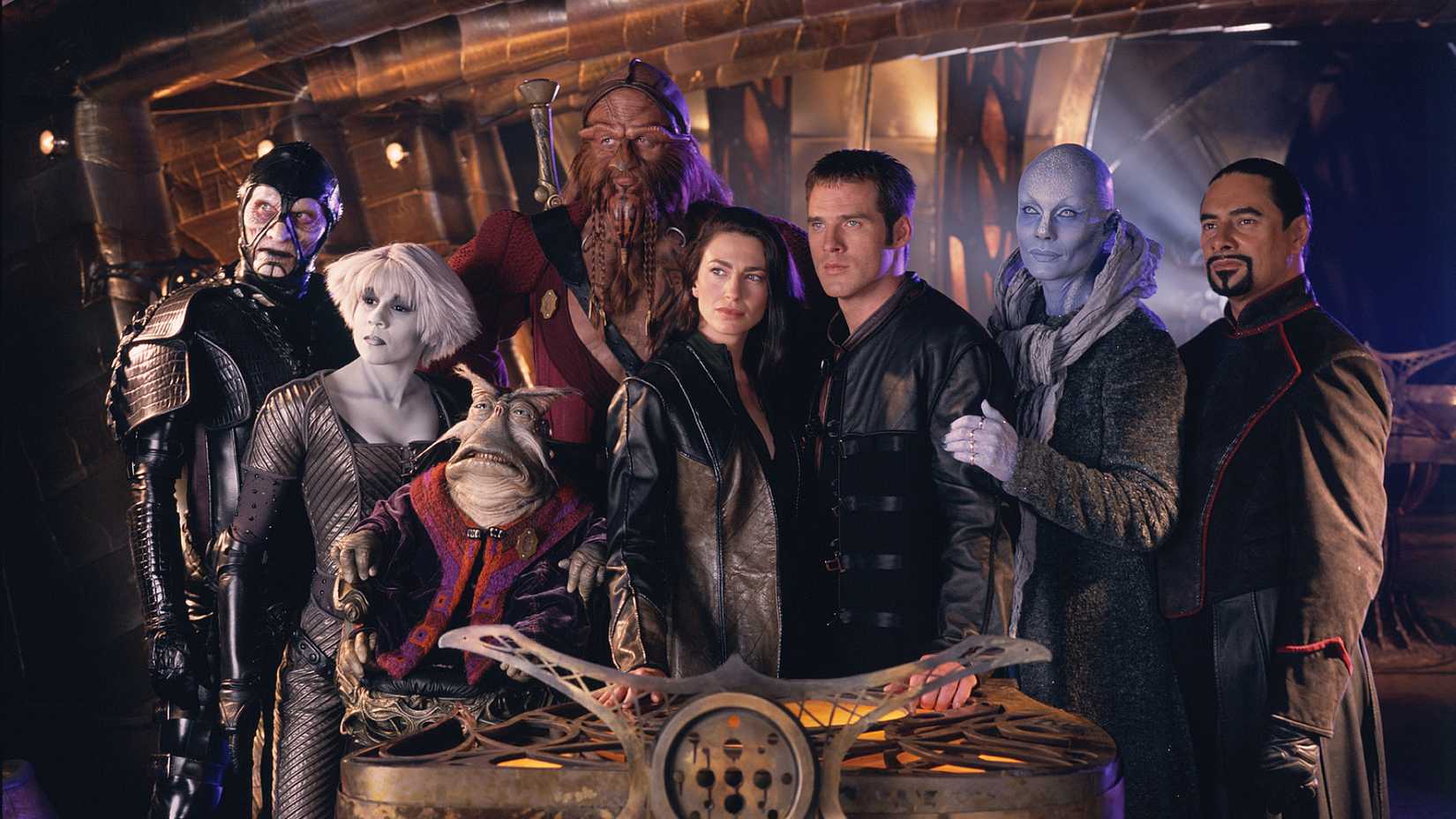
Most space operas quickly pull you into a completely new and unfamiliar world, asking you to accept it right away. However, Farscape is different. It grounds the story with a connection to reality by introducing John Crichton (Ben Browder), an American astronaut who unexpectedly travels through a wormhole and finds himself in this extraordinary sci-fi universe.
Though rooted in real-world issues, Farscape is a much more visually imaginative show than the original Star Trek. The Australian science fiction series uses puppets created by the Jim Henson Company, elaborate prosthetics, and striking makeup to immerse viewers in the world of the living ship Moya. The show’s stories touch on common themes like freedom, unjust governments, prejudice between different species, and the challenges of realistically navigating space.
SeaQuest
1993–1996
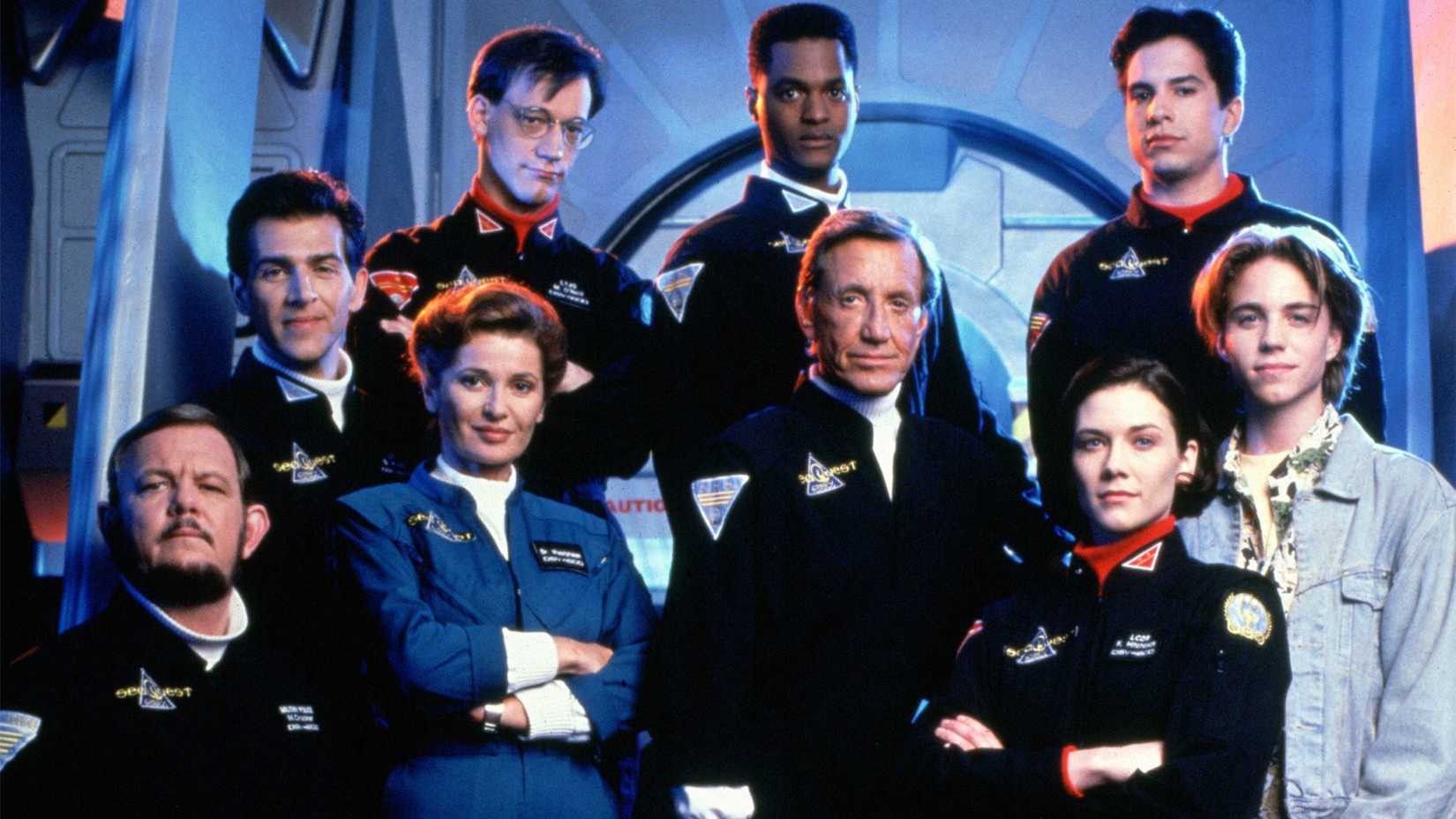
Often compared to Star Trek, SeaQuest (also known as SeaQuest DSV or SeaQuest 2032) presents a similar concept, but set underwater. Instead of exploring space with the USS Enterprise, the crew of SeaQuest operated a deep-sea submarine because humanity had exhausted the planet’s land resources and turned to the ocean.
Despite being a beloved sci-fi show for many today, SeaQuest struggled with poor viewership and internal problems, ultimately leading to its cancellation after just three seasons. Each season was quite different from the last, and the show never achieved the lasting success of sci-fi staples like Star Trek.
Odyssey 5
2002

As science fiction in the 2000s matured, it often became more popular to challenge established tropes than to simply follow them. Unlike successful shows like Star Trek, which famously explored new frontiers, Odyssey 5 focused entirely on Earth. This unusual approach ultimately makes the sci-fi/time travel series feel somewhat disconnected and uneven.
Despite having compelling storylines – exploring themes like the risks of artificial intelligence, the unpredictable consequences of small changes, and the moral issues of time travel – the show Odyssey 5 didn’t find a large audience. Its marketing didn’t quite capture what the show was about, and viewers’ expectations for science fiction clashed with the Canadian drama’s unique style.
Firefly
2002
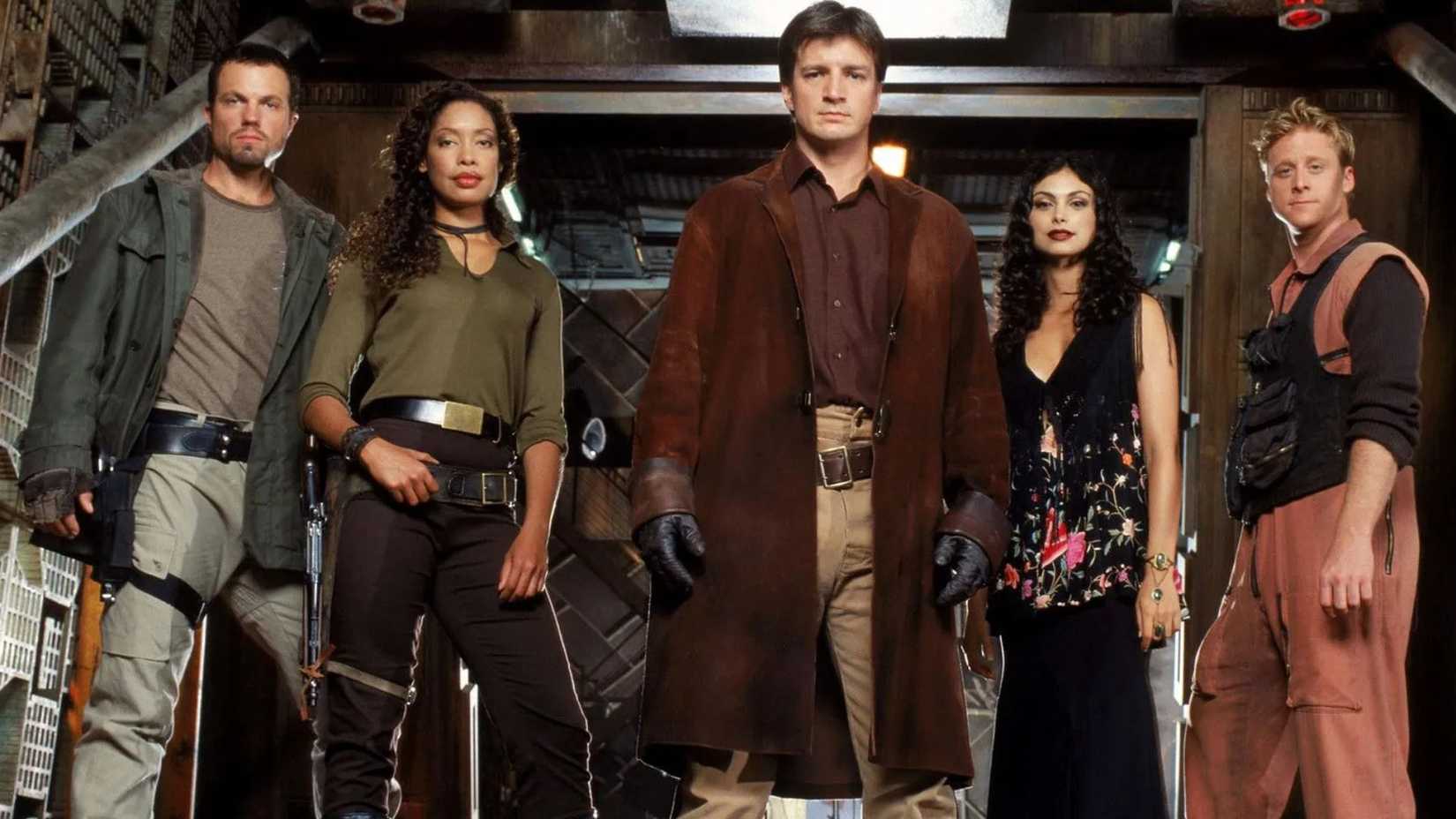
Despite being canceled after only one season, Firefly remains incredibly popular, with dedicated fans continuing to voice their disappointment nearly 25 years later. The show followed the crew of the Serenity as they journeyed through space in a universe recovering from a civil war and a major environmental catastrophe that made Earth uninhabitable.
Though Firefly wasn’t a direct successor to Star Trek due to its unique and complex nature, it felt like a modern update to the classic show. Unfortunately, it was cancelled after only one season, leaving its potential unrealized. Even without being connected to Star Trek, Firefly has become incredibly influential, and we’ll always wonder what could have been if it had continued.
Andromeda
2000–2005
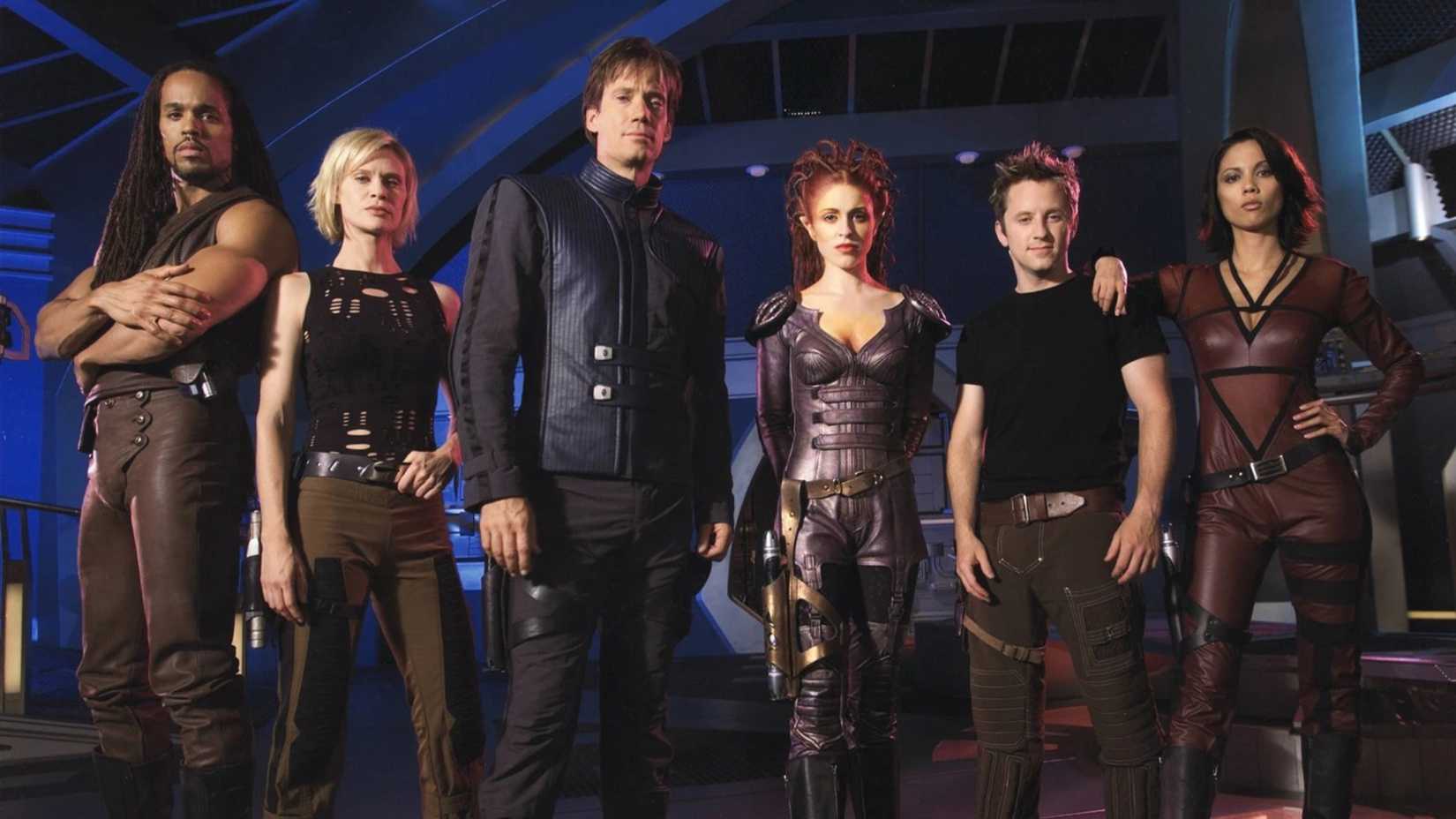
Interestingly, Andromeda feels more like a follow-up to Firefly than to Star Trek. However, the two shows share some common themes, though they also have noticeable differences. Like Star Trek, Andromeda explores political struggles in outer space and centers on a varied crew operating a highly advanced starship.
Despite sharing a similar sci-fi setting, Andromeda feels very different from Star Trek. While the Enterprise crew had a strong sense of unity – shown through their uniforms and friendly relationships – Andromeda emphasizes each character’s unique role in the story. Andromeda is a great show that didn’t quite get the recognition it deserved, and like many versions of Star Trek, it struggled to fully find its direction.
For All Mankind
2019–Present
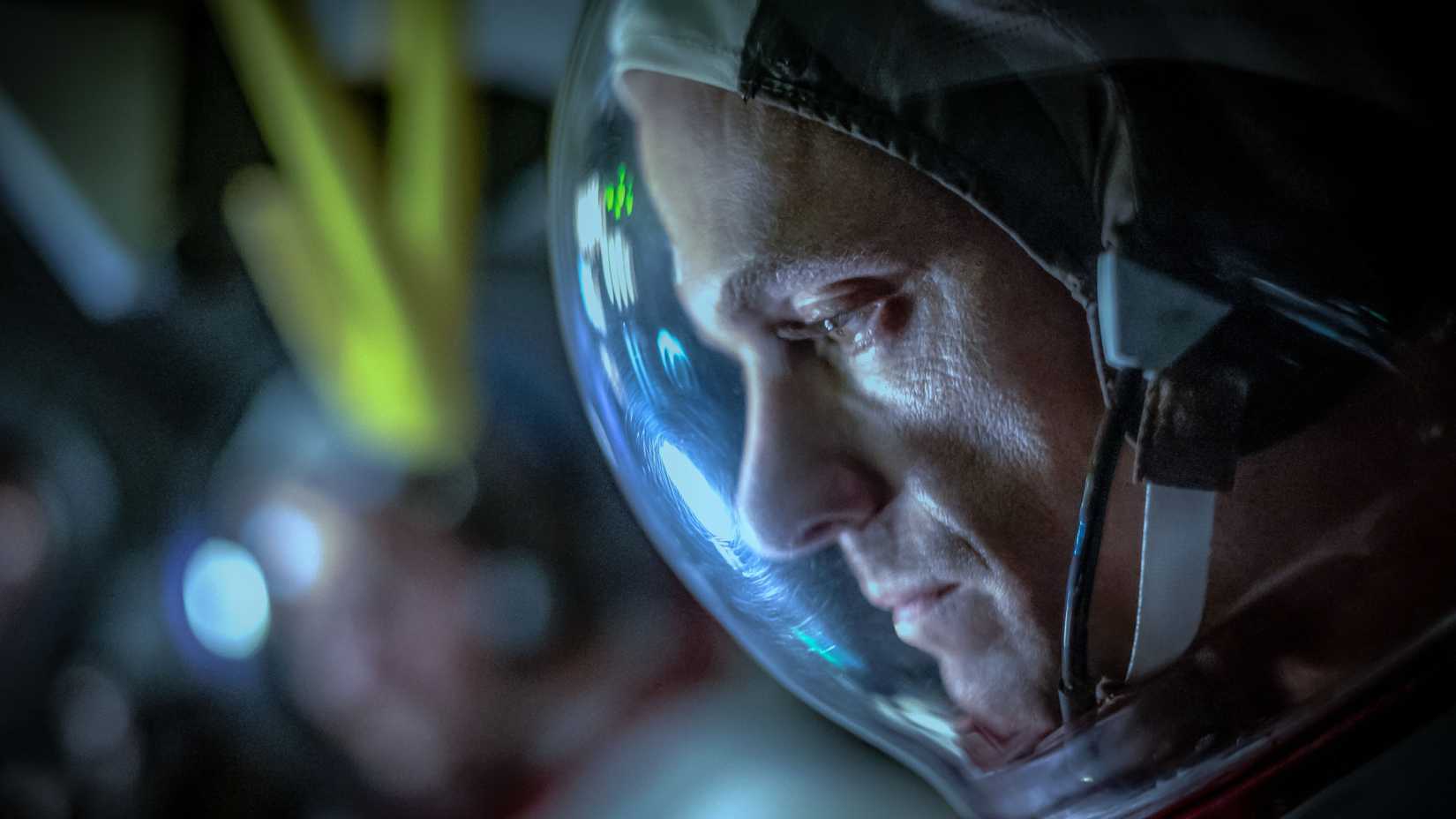
While Star Trek is based in the world of fantasy, For All Mankind offers a different approach by exploring an alternate history. Instead of being set in the distant future, this Apple TV+ drama reimagines the Space Race and asks ‘what if?’ – specifically, what if the Soviet Union had been the first to land on the moon.
Both For All Mankind and Star Trek are excellent science fiction shows, but they offer very different experiences. For All Mankind is a creative new series, though it explores familiar themes. Star Trek, on the other hand, was groundbreaking for its willingness to tackle social issues. Ultimately, comparing the two is like comparing apples and oranges – they’re both great, but distinctively different.
Read More
- Alan Ritchson’s War Machine Is Netflix’s Second Biggest Movie Debut of 2026
- Доллар обгонит малайзийский ринггит? Эксперты раскрыли неожиданный сценарий
- 9-1-1 Solidifies Buck & Eddie’s Romantic Future In Season 9
- 7-Part Netflix Series Starring A Hollywood Icon Broke All The Rules
- Twin Peaks’ Animated Successor Just Got The Green Light
- HBO’s 3-Part Dark Fantasy Is The Perfect Comic Book Show For People Who Hate Comic Book Shows
- Picard’s Single Greatest Star Trek Line Hits Harder Than Any Sci-Fi Quote Since
- Devil May Cry Showrunner Addresses Season 2’s Big Artistic Swings & Netflix Show’s Longevity
- Евро обгонит канадский доллар? Эксперты раскрыли неожиданный сценарий
- Доллар обгонит индийскую рупию? Эксперты раскрыли неожиданный сценарий
2026-04-03 00:32