Science fiction has consistently pushed the boundaries of television, offering compelling stories from classic shows to today’s big-budget streaming series. These programs have also helped launch the careers of many talented actors who have become sci-fi icons.
As a big sci-fi fan, I’ve noticed how all over the map these TV shows can be. Some, like Devs, are just fantastic, tight stories you can easily watch all in one go. Others, like Deep Space Nine, start a little slow but really find their groove. Then you get those huge, sprawling shows like Lost or Heroes that grab you immediately but sometimes lose steam. But honestly, the ones I really love are like Dark – consistently amazing from beginning to end.
When a TV series really knows what it’s doing, it can build into a successful franchise that gets better with each new season. This has happened with a number of popular science fiction shows.
Orphan Black
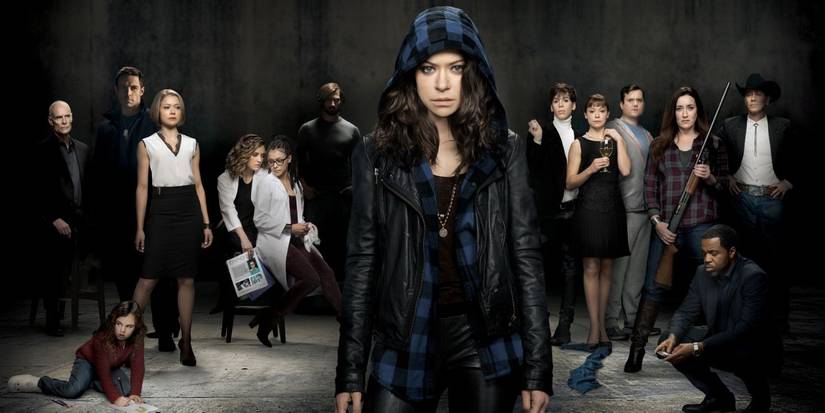
Initially, Orphan Black was a thrilling story about clones, but it truly became compelling when it explored the political forces at play. Created by Graeme Manson and John Fawcett, the show is best known for Tatiana Maslany’s incredible performance playing many different, well-developed characters – the clones themselves.
Over its third and fourth seasons, Orphan Black became more thought-provoking, diving into themes of personal freedom, the ethics of scientific research, and the bonds between sisters. Instead of running out of ideas, the show deepened its emotional impact, and the fifth season successfully gave each clone a satisfying conclusion, solidifying its place as a standout sci-fi series.
Tatiana Maslany won a Primetime Emmy Award in 2016 for her leading role, solidifying the show’s reputation with critics. The series concluded in 2017 after five seasons, but returned with a spin-off called Orphan Black: Echoes, which ran for one season.
Star Trek: The Next Generation
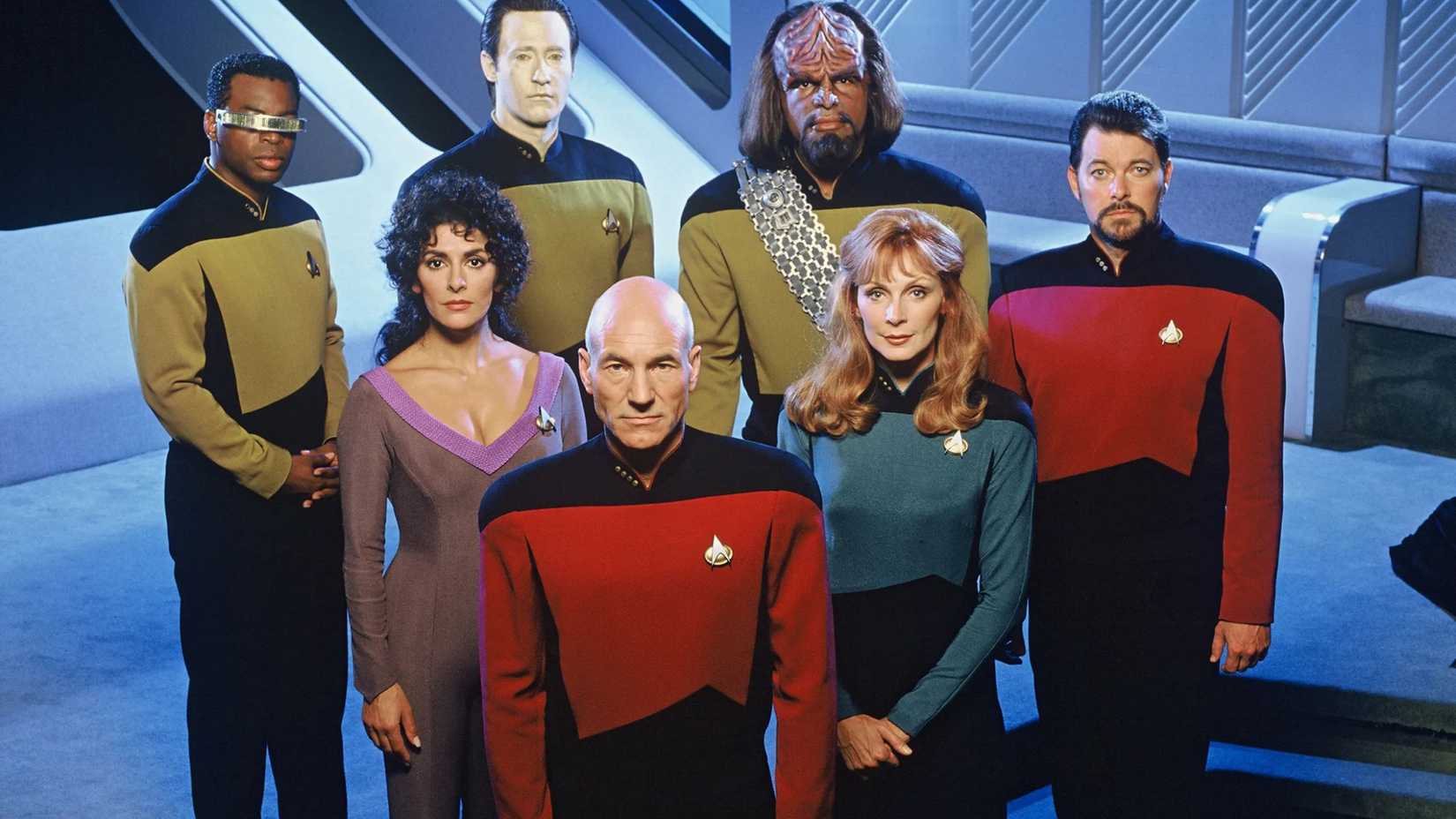
When Star Trek: The Next Generation first aired in 1987, it faced the challenge of living up to the popular series from the 1960s. While the first two seasons weren’t always consistent in quality and sometimes reused old ideas, the show quickly became a classic thanks to Patrick Stewart’s performance as Captain Jean-Luc Picard.
By the third season of The Next Generation, the show had significantly improved. The characters of Data, Worf, and Picard were developed more deeply, making the stories more compelling, and episodes like “Yesterday’s Enterprise” and “The Inner Light” are now considered among the best in the entire Star Trek franchise.
The show received many Emmy Awards and is still considered a classic of science fiction TV. It grew from a somewhat uncertain restart into a thoughtful, character-driven drama, establishing The Next Generation as a key part of the Star Trek legacy.
The Expanse
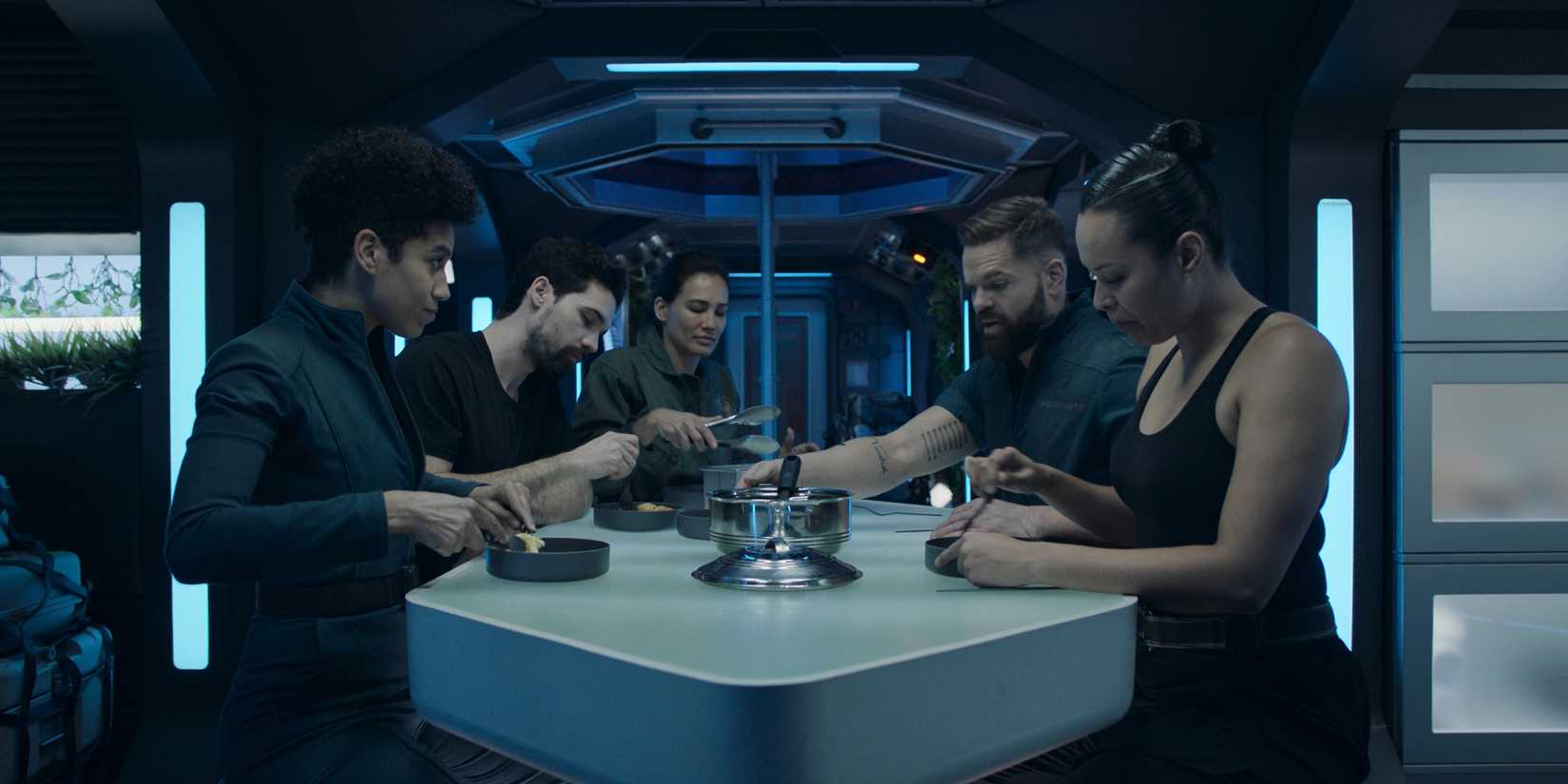
Based on the novels by James S. A. Corey, The Expanse became well-known for its realistic science and politics. Many fans consider this space opera to be excellent throughout its entire run, which is especially impressive considering it lasted for six seasons.
The show started slowly in its first season, but seasons 2 and 3 picked up the pace, especially with the storylines involving Eros and the Ring Gate. Moving to a streaming platform gave the show the freedom to tell even more complex stories in seasons 4 through 6, including adaptations of ‘Cibola Burn’ and everything that followed.
The Expanse was celebrated for realistically portraying space travel and complicated global politics, and it skillfully combined exciting action with compelling stories about its characters.
Babylon 5
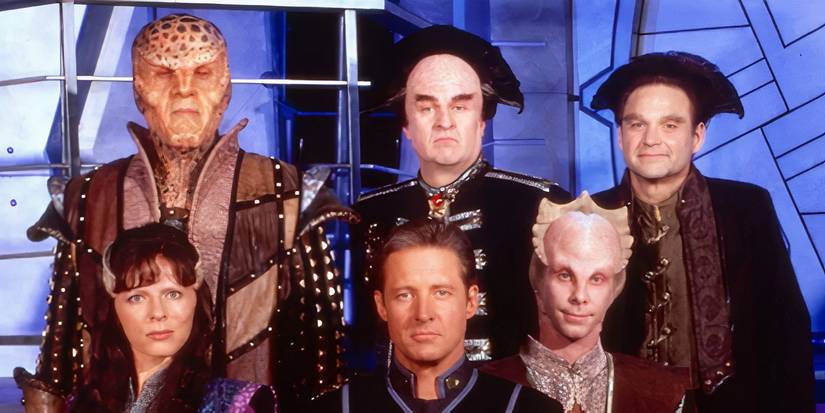
Created by J. Michael Straczynski, Babylon 5 was a groundbreaking science fiction show known for its complex, ongoing storylines – a format that paved the way for many series that followed. The show, set on a space station that acts as a center for diplomacy, is widely considered to have influenced Star Trek: Deep Space Nine.
The first season of Babylon 5, which debuted in 1994, initially focused on separate, sometimes awkward political conflicts. The dialogue felt unnatural, and the early computer effects haven’t held up over time. The show really found its footing when it began focusing on the central conflict with the Shadows.
At first, the show Babylon 5 only hinted at the enigmatic Shadows. Later, this developed into a massive war between them and the Vorlons. It turned out that the early episodes were carefully planned to build up to this conflict, rewarding viewers who followed the story over time. This five-year plan demonstrated that science fiction television could successfully create ongoing political and character development that lasted for multiple seasons.
Star Trek: Deep Space Nine
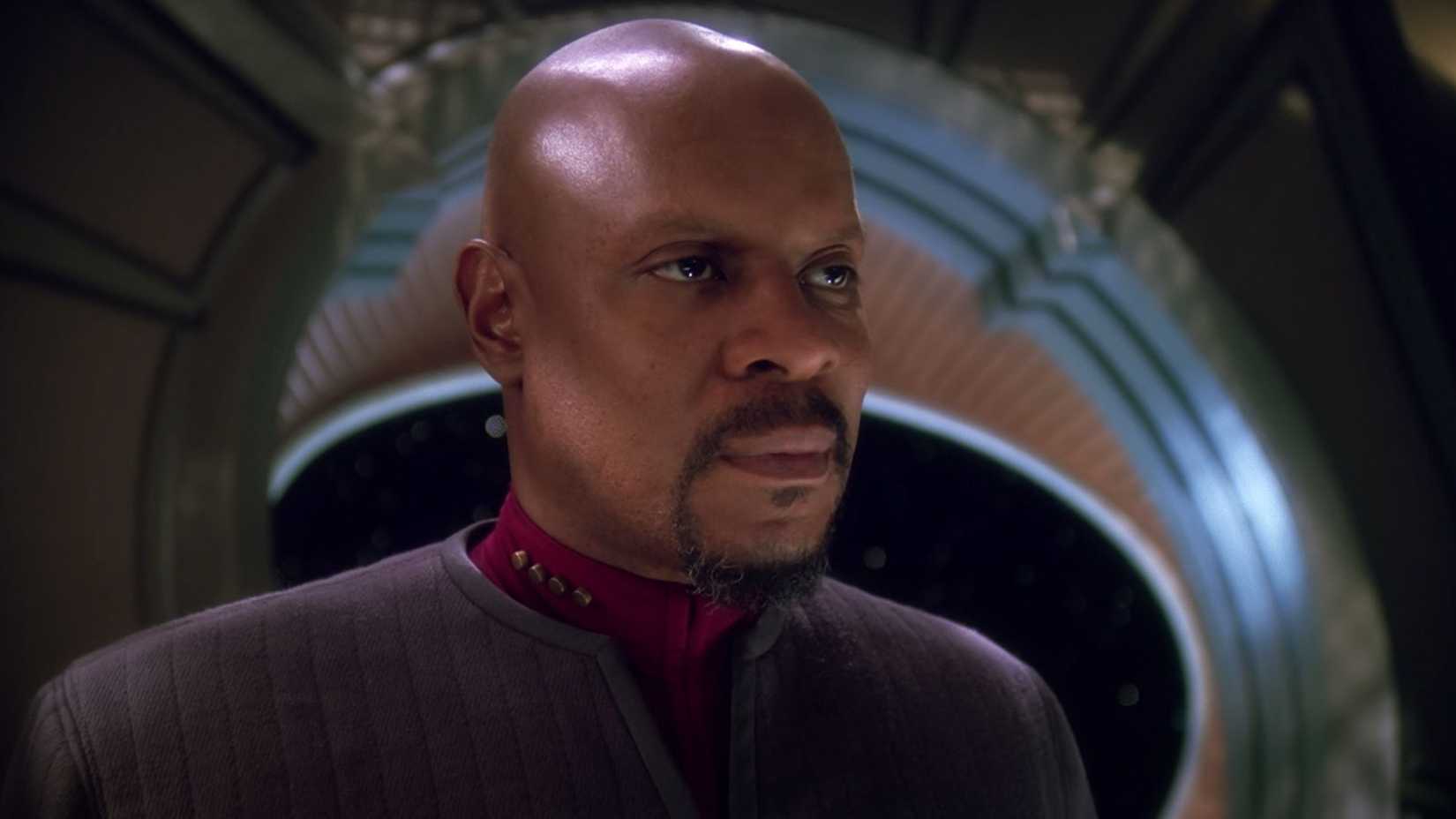
First airing in 1993, Star Trek: Deep Space Nine changed the focus of the Star Trek universe from exploring space directly to managing a space station that served as a hub for the Gamma Quadrant. When it began, the show initially caused some disagreement among fans who were accustomed to the style of The Next Generation.
Throughout its run, Deep Space Nine stood out as one of the most thought-provoking installments in the Star Trek universe. Episodes such as “The Way of the Warrior” and “In the Pale Moonlight” demonstrated its intricate political landscape and willingness to explore difficult ethical questions, often presenting Captain Sisko with choices that pushed the boundaries of Starfleet’s principles.
The Dominion War storyline, which unfolded over seasons 6 and 7, created a consistently gripping atmosphere and allowed characters like Kira Nerys and Gul Dukat to develop in meaningful ways. What began as a deliberately paced series ultimately transformed into a grand and ambitious war story that many fans consider the best of Star Trek.
Fringe

I first got into Fringe because of its intriguing cases – each episode felt like a brand new, bizarre mystery to solve. But what really captivated me was how the show evolved. It started with these standalone investigations into really unusual, almost unbelievable science – they called it ‘Fringe science’ – but it quickly became so much more. At its heart, it followed the incredible team of FBI agent Olivia Dunham and the brilliant, eccentric scientist Walter Bishop, along with his equally compelling son, Peter. Watching their dynamic as they tackled these cases was just amazing.
In seasons 2 and 3, Fringe moved away from standalone episodes and began telling a more continuous, overarching story, particularly focusing on the idea of an alternate universe. Season 3 really highlighted the show’s emotional core with its story about two universes, especially through the developing relationship between Olivia and her counterpart from the other universe.
John Noble’s acting consistently received high praise, with the LA Times even calling his role as Walter Bishop the heart of Fringe. By the show’s fifth and final season, Fringe had become known for its complex and imaginative stories, and many still consider it the best successor to The X-Files on Fox.
Person Of Interest
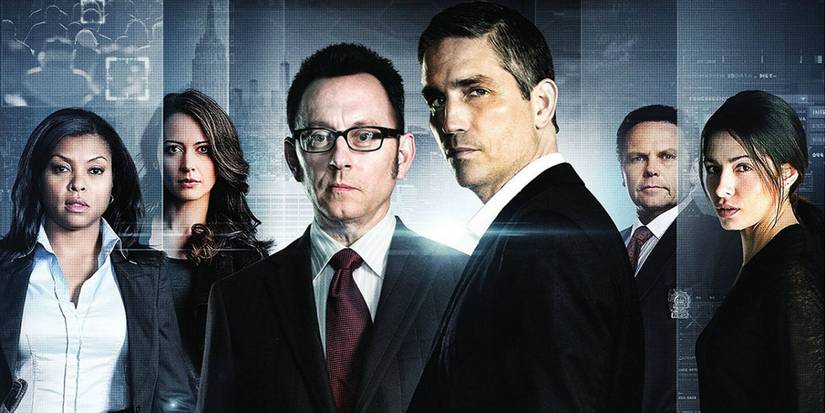
Initially, Person of Interest, created by Jonathan Nolan, seemed like a typical crime show. However, the series quickly revealed a central mystery: a powerful artificial intelligence simply known as “The Machine.”
I really enjoyed how the show evolved! The first season felt like each episode was a new mystery, but things got so much bigger later on. They started telling one long story, diving into really interesting themes like AI, how much we’re watched, and what it means to be free. That’s when characters like Root and Shaw really stood out – they became key players when this other AI, Samaritan, started causing trouble and putting everyone at risk.
During its fourth and fifth seasons, Person of Interest explored the complex relationship between technology, control, and individual freedom – a topic that feels especially important now. Over time, critics began to recognize the show as a truly innovative and insightful science fiction drama for its time, and now consider it one of the best of the 2010s.
Farscape
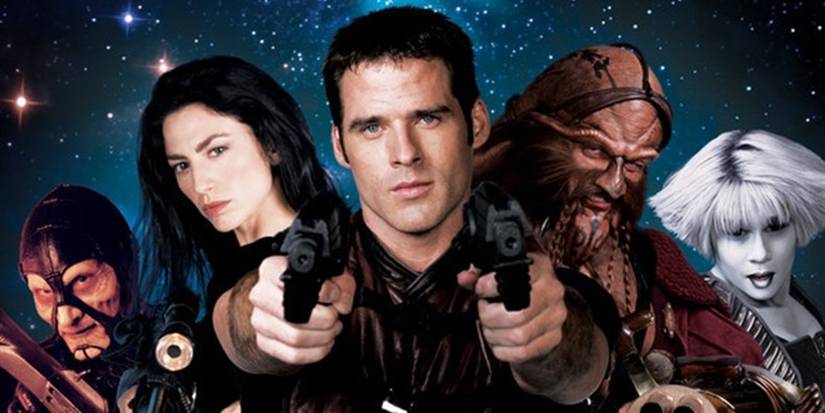
Premiering in 1999, Farscape was a unique science fiction series created with The Jim Henson Company, famous for its imaginative puppets and strikingly original alien creatures. The show followed astronaut John Crichton, played by Ben Browder, who accidentally traveled across the universe after being pulled through a wormhole during a flight test. While the first season had a somewhat slow start, the series quickly found its footing.
The first season of the show felt disjointed to many viewers because each episode was its own separate story and the characters didn’t always seem consistent. But as the show went on, it became more emotionally engaging and developed a more continuous, overarching plot. This was particularly noticeable with the storyline involving the character Scorpius and the internal challenges faced by Crichton.
Over time, Farscape evolved into a grand, dramatic story, reaching its peak with the miniseries The Peacekeeper Wars. The show started as a fun and unusual space adventure, but it grew into a deeply moving and complex space opera.
Dark
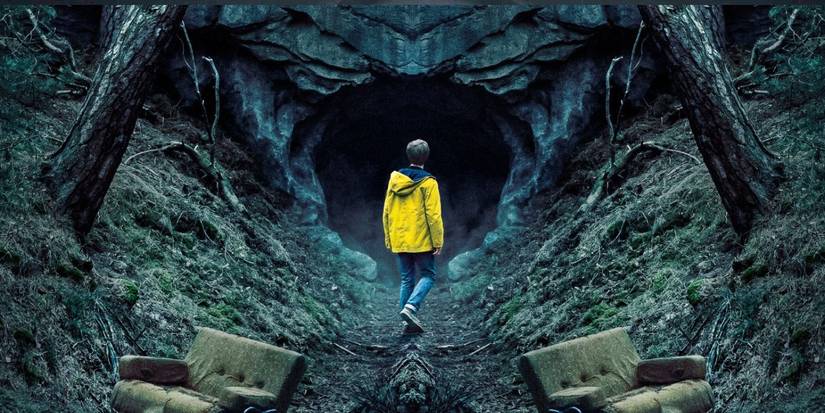
The Netflix thriller, set in the German town of Winden, explored the complex relationships between families as they dealt with the consequences of time travel and past hurts. The first season focused on the mystery of missing children and the discovery of a network of wormholes hidden in caves beneath the town. This investigation slowly uncovered a repeating time-travel pattern that linked events in 1953, 1986, and 2019.
I remember when Dark started, it was all about finding a missing kid, but by seasons 2 and 3, wow, the story just exploded! It went way beyond that initial mystery and became this incredibly complex, beautifully woven saga. Honestly, from beginning to end, Dark is just a perfect show.
Despite its intricate plot, Dark remained excellent throughout its final season. The show’s well-planned three-season story and emotionally resonant ending demonstrated how bold science fiction can succeed when it consistently expands on its own foundations.
Read More
- Five Nights At Freddy’s 2 Review: The Video Game Movie Sequel Limbos Under The Low Bar Set By The First Film
- ‘And Then The Chesty One Comes In.’ SNL’s Cut For Time Sketch Hilariously Reimagined Sydney Sweeney And Zendaya’s Euphoria
- Black Phone 2 Ending & Grabber’s Fate Explained
- Прогноз криптовалюты USD1: прогнозы цены USD1
- George Clooney Has The Best Reaction To The Viral Louvre Heist Following Ocean’s Eleven Comparison
- Прогноз криптовалюты BNB: прогнозы цены BNB
- Jenna Ortega Went Punk Rock With Her Latest Goth Wednesday Look, And I Can’t Get Over The Back Cutouts
- It’s Been Weeks Since I Watched Freaky Tales, And I’m Still Thinking About That Random Tom Hanks Scene
- President Trump Threatens Tariffs on Foreign-Made Films
- ‘I Think We’re In Trouble’: Miles Teller Gets Real About Fantastic Four Flopping (And Who Is Responsible)
2026-03-03 16:21