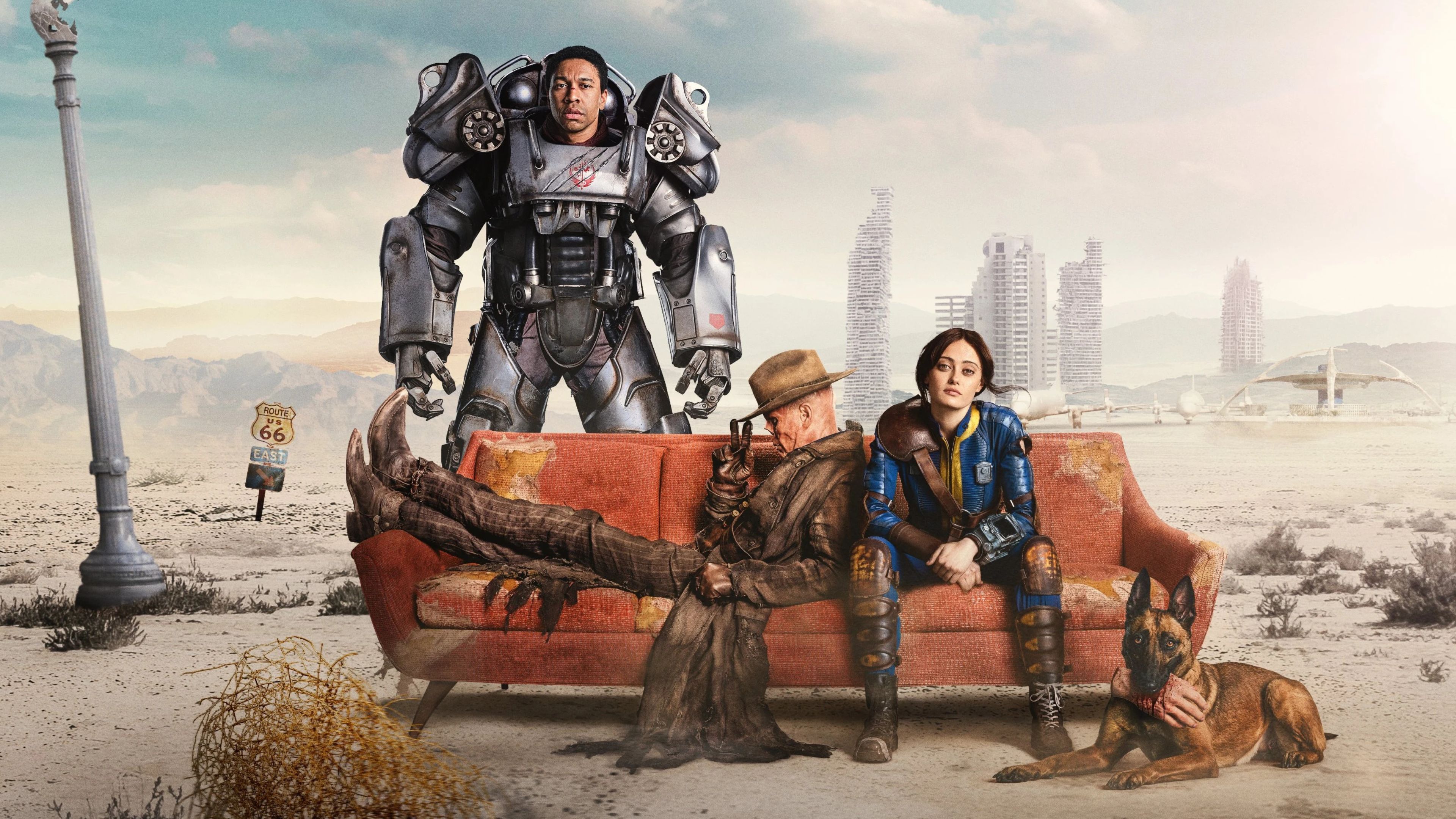
Science fiction is a genre built on new ideas, often featuring futuristic technology – think of the famous Star Trek motto, “to boldly go where no one has gone before.” While visual effects have improved dramatically in recent decades, many older sci-fi shows with strong stories and well-developed worlds now appear visually outdated.
Shows like The Twilight Zone really demonstrate what makes great science fiction TV. It’s definitely one of the series most deserving of a modern update. While some, such as the comedy Red Dwarf, proved you don’t need a huge budget to be successful – they created a very unique and memorable style – impressive visuals aren’t enough on their own. The best sci-fi shows combine a strong story with a distinctive look and effective visual effects.
Battlestar Galactica

As a huge fan of sci-fi, I remember when Battlestar Galactica first came out and it totally blew me away. A lot of shows were starting to look too perfect with all the CGI smoothing everything out, and it just didn’t feel real. But Battlestar Galactica did the opposite! They used CGI to make things look worn – you could see every scratch and dent on the ships, which really added to the feeling that these characters were actually living through a war. The director, Michael Rymer, intentionally went for a documentary-style look, using shaky cameras and making the space battles feel chaotic. It was a totally different vibe than anything else on TV back then, and honestly, it still stands out today.
Despite being a remake of a 1978 series, Battlestar Galactica still feels innovative thanks to Ronald D. Moore’s creative vision. The show boldly explored the relationship between humans and artificial intelligence, elevating a familiar sci-fi idea into a sophisticated drama and addressing political themes that resonate even now. The choice to cast Katee Sackhoff as a female Starbuck was initially debated, but ultimately made her a sci-fi star, and the series remains a remarkably intelligent and captivating example of the genre due to its progressive ideas and stunning visuals.
Foundation
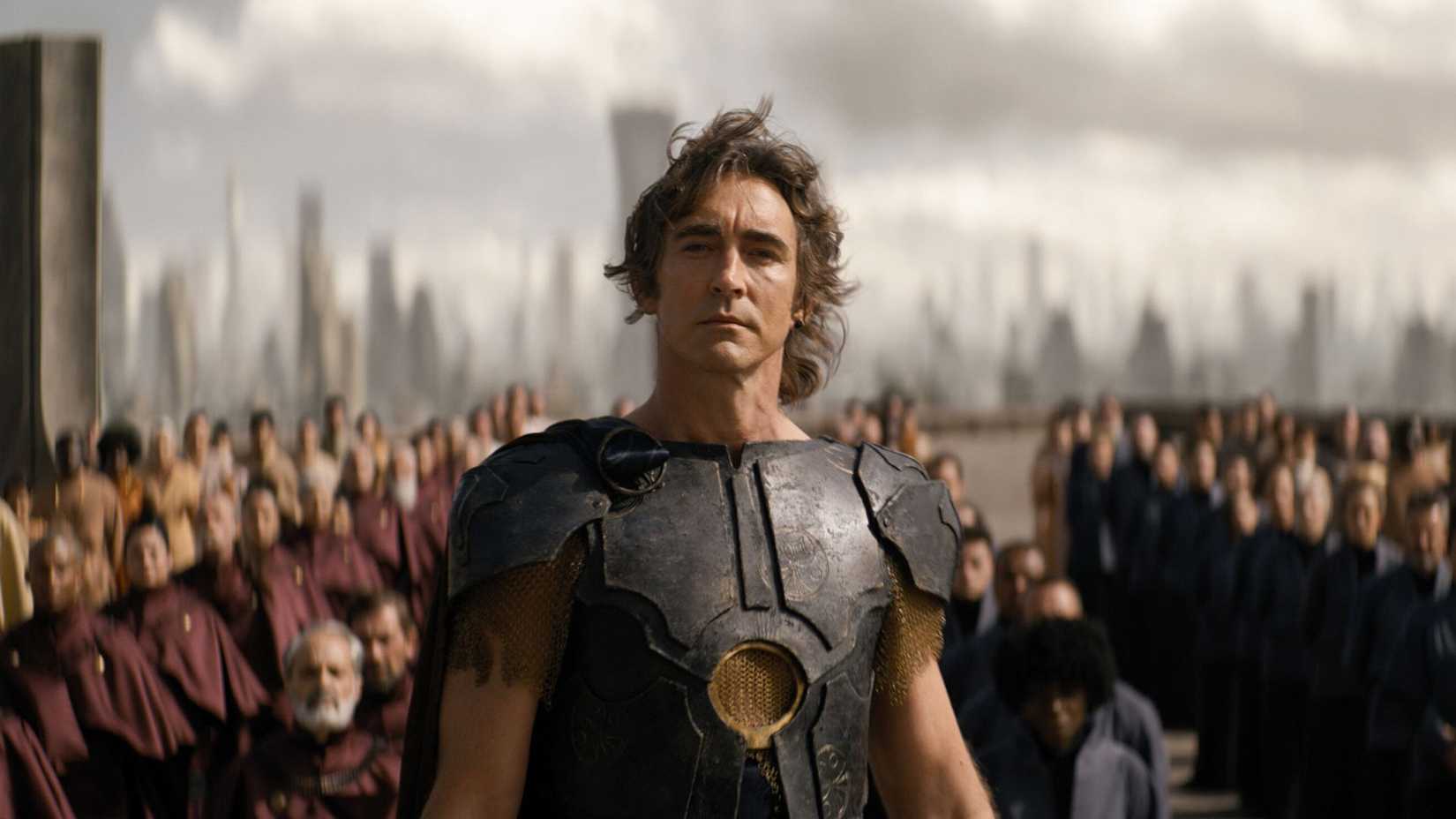
Initially, many thought Isaac Asimov’s Foundation would be difficult to adapt for television. Its story is massive, covering centuries and the collapse of civilizations, and it’s filled with complicated ideas about mathematics and history. However, Apple TV+ has shown a commitment to big, ambitious science fiction series, and Foundation is proving to be a success. The show continues to push boundaries with its stunning visuals and compelling writing. Remarkably, despite being based on a complex and detailed series of books, the TV adaptation is surprisingly accessible, even as it tackles some truly challenging concepts and plot twists.
| The four seasons of Foundation | |||
|---|---|---|---|
| Season | Year | Rotten Tomatoes critics’ rating | Rotten Tomatoes audience rating |
| 1 | 2021 | 72% | 66% |
| 2 | 2023 | 100% | 77% |
| 3 | 2025 | 91% | 77% |
The series Foundation effectively contrasts the insignificance of individuals against the vastness of time and the universe, while simultaneously highlighting their importance, even during massive events. While many sci-fi shows depict planetary destruction as a simple visual effect, leaving viewers detached, Foundation focuses on the personal impact of such events. The destruction of Terminus, and the reactions of those facing death, is a pivotal moment in the critically acclaimed season, which earned a 100% rating on Rotten Tomatoes.
Westworld
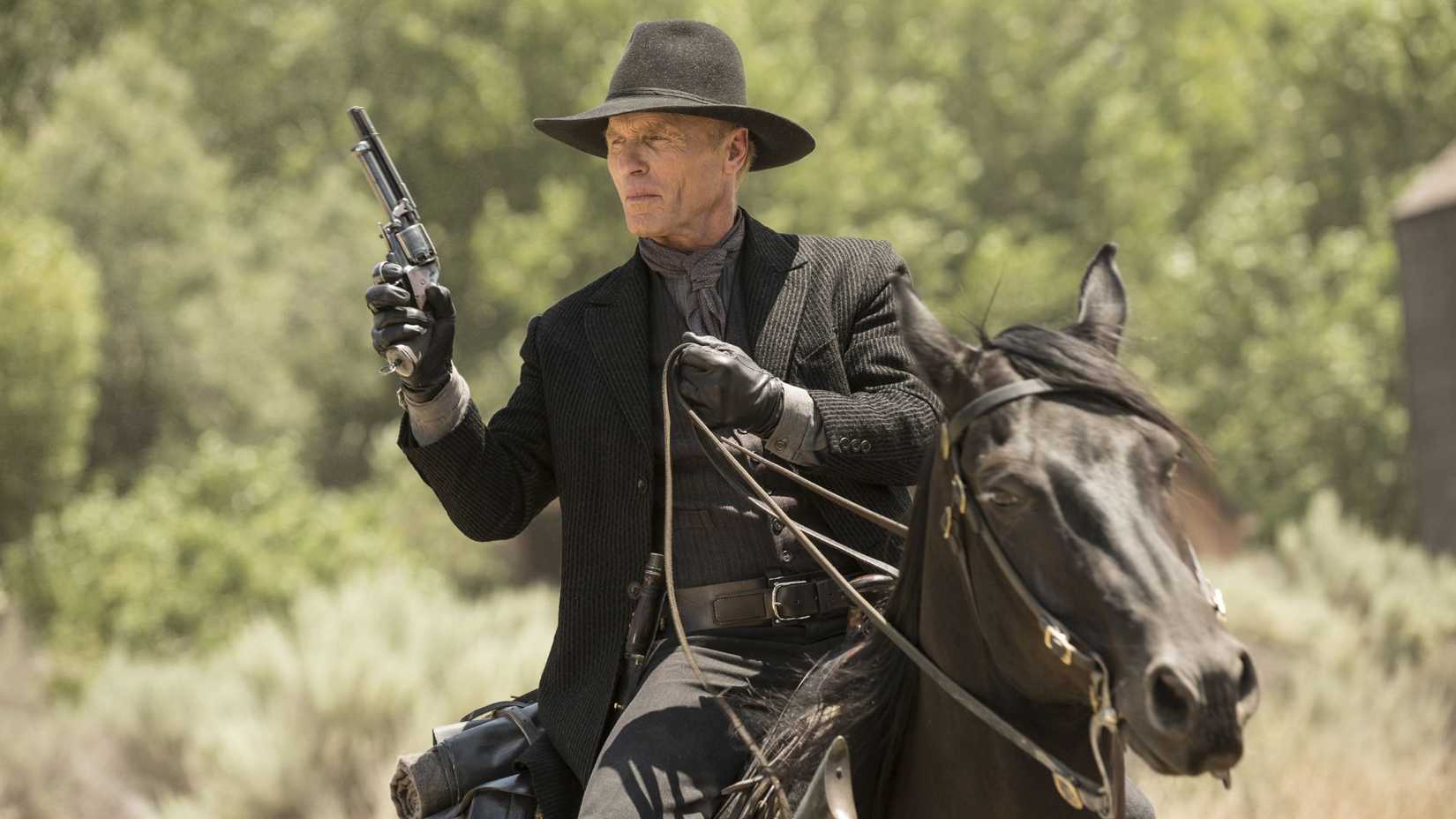
Before Westworld ended, it brilliantly combined science fiction and Western themes, creating a visually stunning experience. The show expanded beyond its initial concept, exploring futuristic worlds quite different from the original, limited scope. Though frustratingly canceled right before it could revisit the first season’s Old West park and complete its story arc, Westworld remained a captivating and groundbreaking series.
Westworld is packed with hidden clues about what’s real and what isn’t – details you often only notice when watching it a second time. This clever use of visual symbolism is central to the show’s complex storytelling. The show doesn’t follow a straight timeline or consistent character perspective, which keeps viewers guessing. While full of surprising twists and reveals that change how you understand previous scenes, the intricate mystery ultimately felt like it deserved a proper ending.
Arcane
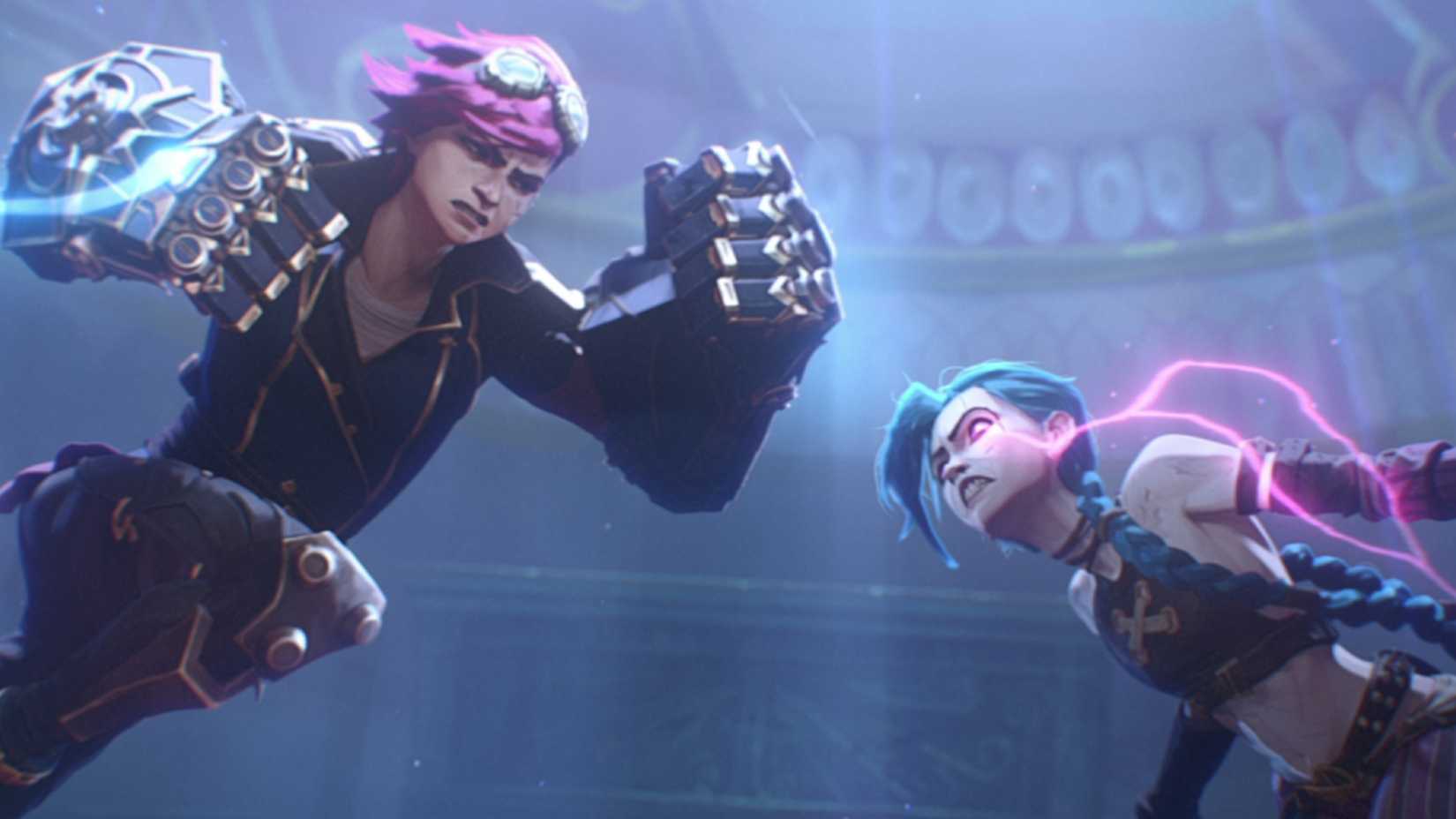
Animation varies greatly in quality and content. For a long time, many people assumed animated shows were just for kids, but that’s changing now. Arcane, with its gripping and sometimes violent plot, proved this point – it gained a large adult following despite being based on a video game. The show exceeded expectations by perfectly capturing the world of League of Legends, and its stunning animation allowed for visuals that wouldn’t have been possible in live-action.
The fight between Ekko and Jinx isn’t just a thrilling action sequence in the world of fantasy TV—it’s a prime example of why Arcane worked so well as an animated series. The scene cleverly cuts back and forth between the characters as children and adults, showing their history and how they still view each other. Achieving this same effect with live actors would have been much more difficult to follow, whereas every shot in the animation feels like a beautiful work of art, rightfully earning Arcane its two Emmy Awards.
The Expanse

As a huge sci-fi fan, I was absolutely thrilled when The Expanse got saved! What really hooked me, and a lot of other people, was how committed the show was to getting the science right, plus it had such a diverse cast and characters who felt incredibly real – flaws and all. When it was suddenly cancelled, fans weren’t going to let it die. Honestly, it sparked the biggest TV fan campaign I’ve ever seen, and it worked! It was amazing to have people like George R.R. Martin and even an astronaut, Andreas Mogensen, joining us in demanding more. It just proves how special the show was.
Despite its ambitious shifts in scope and style – starting as a space noir and evolving into a large-scale sci-fi adventure reminiscent of films like Alien and Star Wars – The Expanse has become one of the best science fiction shows ever made. It kept viewers engaged with well-developed characters and impressive special effects. The show expertly moved beyond its initial focus on Joe Miller, seamlessly introducing the mystery of the protomolecule, while still delivering memorable moments like the eerie exploration of Eros and the impactful conclusion to Miller’s story.
Love, Death & Robots
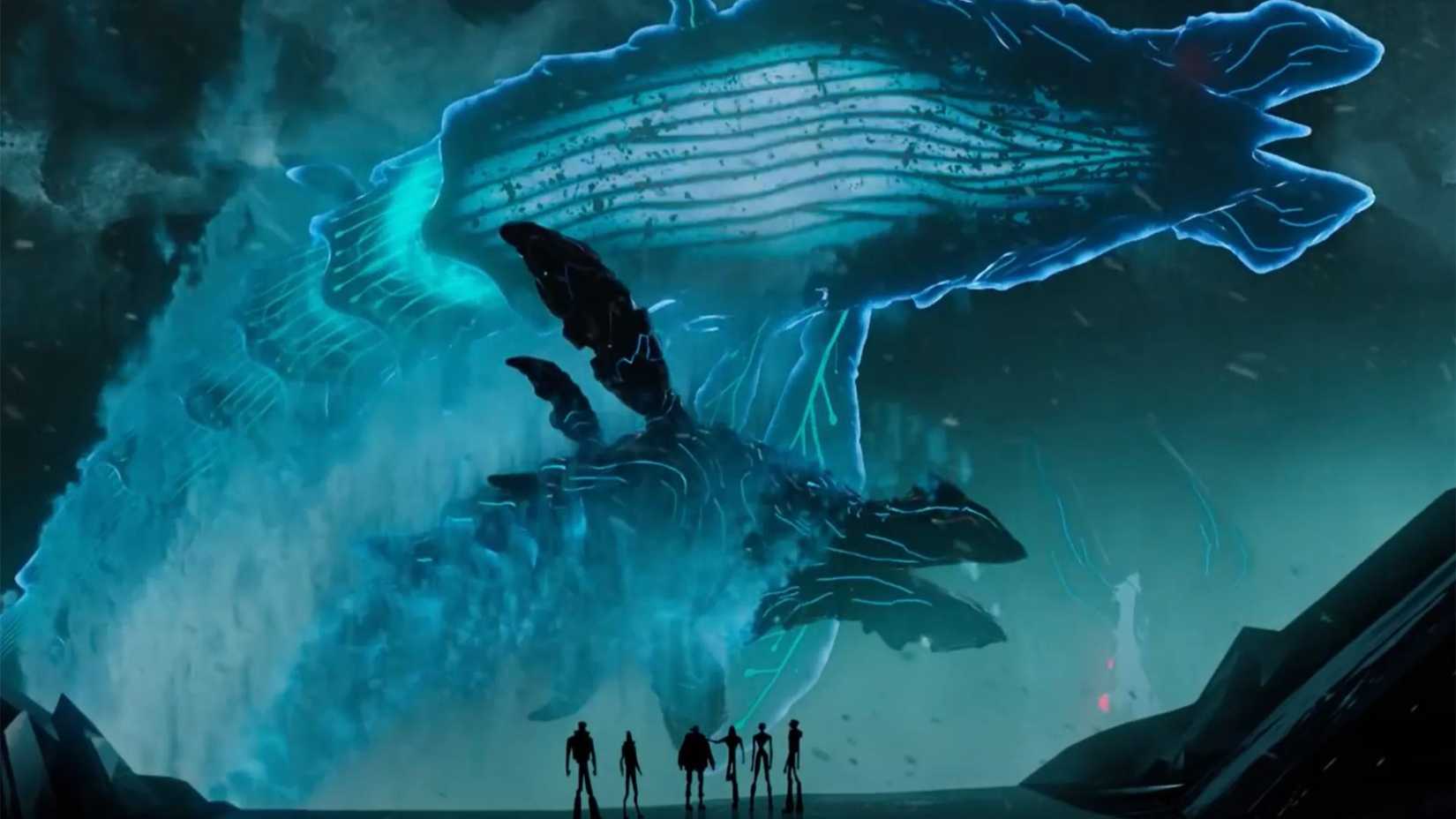
Love, Death & Robots is a boldly creative science fiction series, but because it’s structured as an anthology, quality varies from episode to episode. Each installment is a short film exploring sci-fi and cyberpunk ideas with different art styles, lasting anywhere from a few minutes to thirty minutes. Since everyone has their own tastes in art and stories, some episodes are widely praised while others appeal to more specific audiences.
From terrifying sea monster encounters created with motion capture to thought-provoking stories about colonization, Love, Death & Robots consistently delivers stunning visuals and is essential viewing for science fiction enthusiasts. What makes this series so impressive is its ability to be completely captivating even in short bursts – it doesn’t need multiple seasons to tell a complete story. Despite having four seasons already, each episode packs a perfect narrative into just minutes.
Star Trek: The Next Generation

The original Star Trek was a groundbreaking sci-fi show for its time, and remarkably, it still holds up today. This is mainly because of its innovative stories and characters – the special effects, understandably, haven’t aged as gracefully. When Star Trek: The Next Generation arrived, it brought the franchise back to life with updated visual effects while building on the ideas established in the original series.
While the special effects in The Next Generation don’t seem impressive today, they were groundbreaking for their time. The show had a large budget which allowed for detailed alien designs and futuristic sets. Continuing the ambitious storytelling of the original Star Trek, The Next Generation left a lasting impact, bringing a new generation of fans to the franchise and influencing countless other science fiction writers.
Fallout
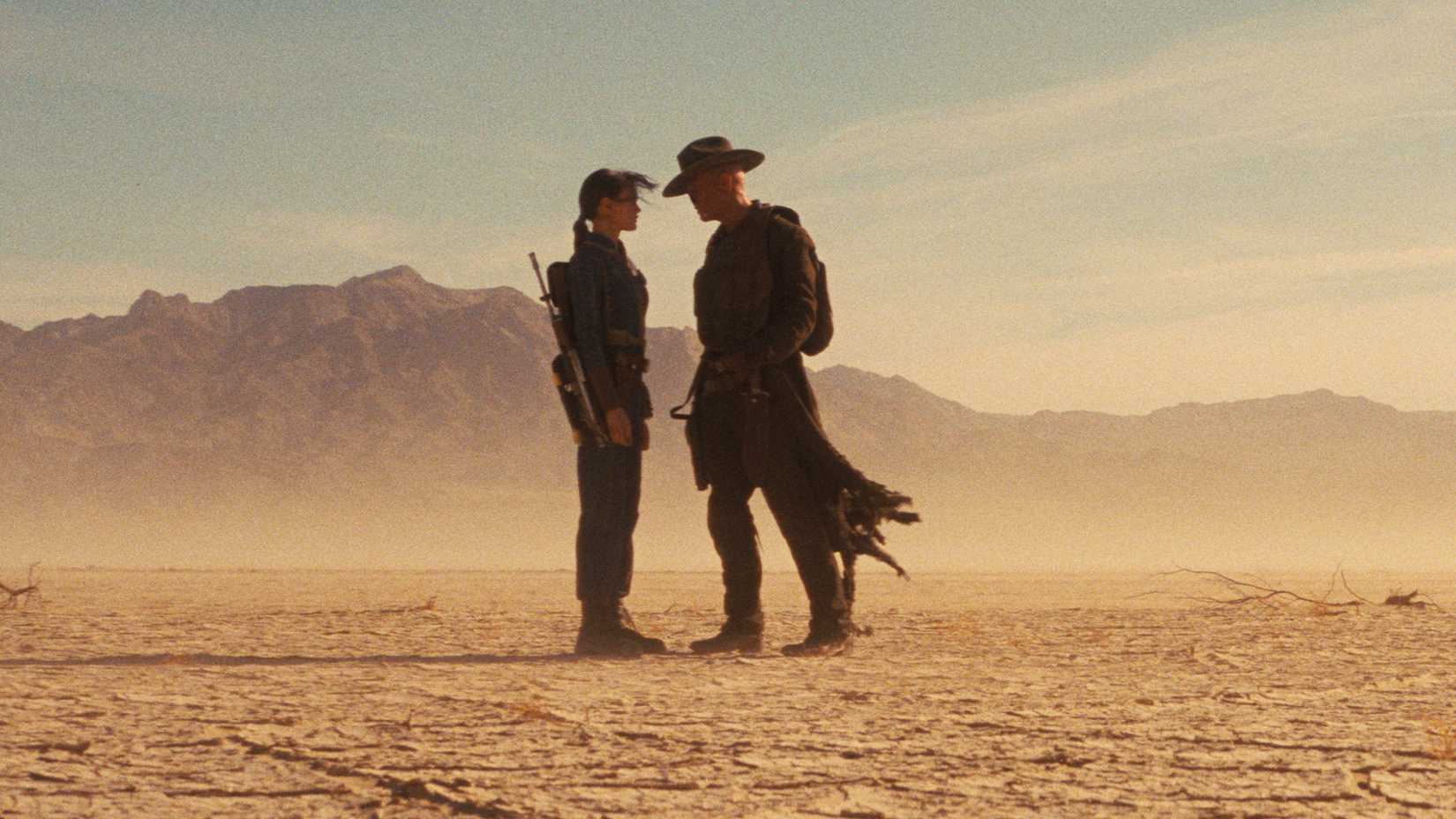
Even those who hadn’t played the Fallout video games were familiar with its world, making it a great foundation for the TV show. The show’s unique blend of Western and 1950s American styles gave the writers and designers plenty of room to be creative. Like Arcane, Fallout chose to tell a brand new story, and it did so brilliantly. The series stands out, and because it references the games without leaving newcomers lost, it’s incredibly easy to enjoy – quickly becoming one of the most popular shows on Prime Video.
Because the Fallout series is set in the same world as the video games, the show had a lot of creative freedom as long as it maintained the same darkly humorous vibe. The actors, Walton Goggins and Ella Purnell, brilliantly captured that spirit with their portrayals of very different characters. The show successfully recreates the feeling of playing the games with its visuals and familiar nods to the source material, while also offering a fresh expansion of the Fallout story.
2026-07-27 03:59