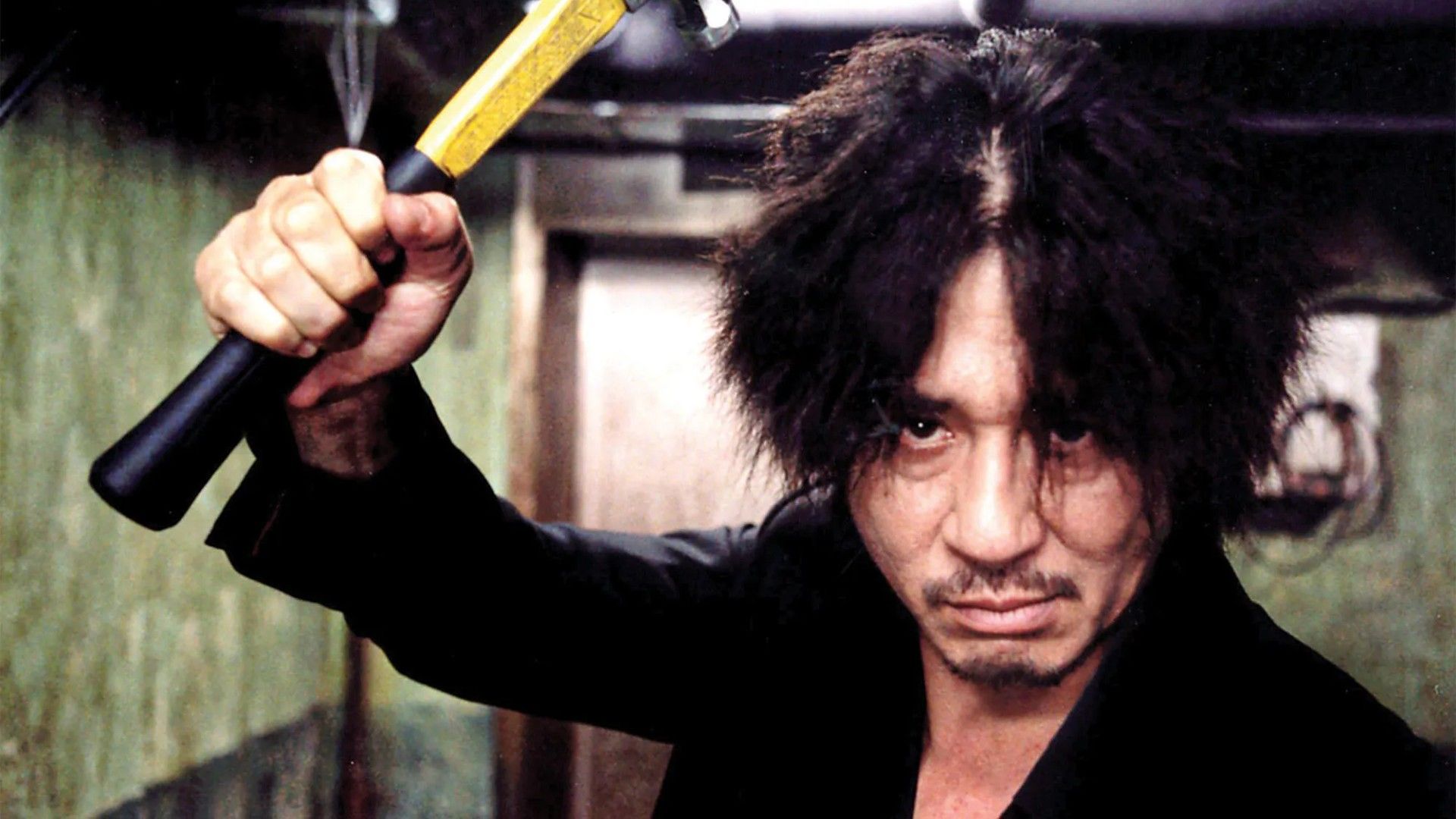
Many movie series don’t get the recognition they deserve, but very few have three truly exceptional films. While some franchises go on and on, a trilogy is often the perfect length for telling a complete story in a series of movies. Like most stories, trilogies naturally follow a three-part structure, creating a satisfying and balanced narrative.
Everyone knows iconic trilogies like The Godfather and Back to the Future, but there are plenty of other great three-part movie series that aren’t as well-known. This might be because the films weren’t widely seen, or simply because the trilogy isn’t officially defined – sometimes, three movies are considered a trilogy because they share common themes rather than a continuous story.
It’s incredibly rare for a film trilogy to be consistently excellent throughout all three movies. While some famous trilogies come from international or independent cinema, many great ones fly under the radar. These lesser-known trilogies offer a wealth of cinematic experiences, and dedicated film lovers shouldn’t miss them.
The Whit Stillman Trilogy

Whit Stillman is a filmmaker known for his clever and sophisticated comedies. He released a series of three films in the 1990s – Metropolitan, Barcelona, and The Last Days of Disco – that are connected by shared themes and recurring character types. These characters are consistently young adults striving for success, often dealing with romantic disappointments, and known for their intelligence and sharp wit.
Whit Stillman’s three best-known films feel a lot like stage plays, with extended conversations driving the stories. Despite their similarity, they remain engaging thanks to excellent acting from consistently strong casts. While each film shares common elements, this consistency actually strengthens the overall experience, creating a richer, more layered story across the trilogy rather than becoming repetitive.
The Samurai Trilogy

Considered a masterpiece of samurai films, Hiroshi Inagaki’s Samurai Trilogy—released between 1955 and 1957—follows the journey of Musashi Miyamoto as he trains to become a skilled swordsman and ultimately defends his hard-earned independence. The films are visually stunning, featuring vibrant color and expertly staged fight sequences.
The Samurai Trilogy beautifully follows the classic hero’s journey. Each film in the series is connected and builds upon the last, contributing to Musashi’s overall story. While the samurai film genre boasts many well-known titles, this trilogy is sometimes missed. However, it’s a truly exceptional set of films and a fantastic example of samurai storytelling at its finest.
Infernal Affairs
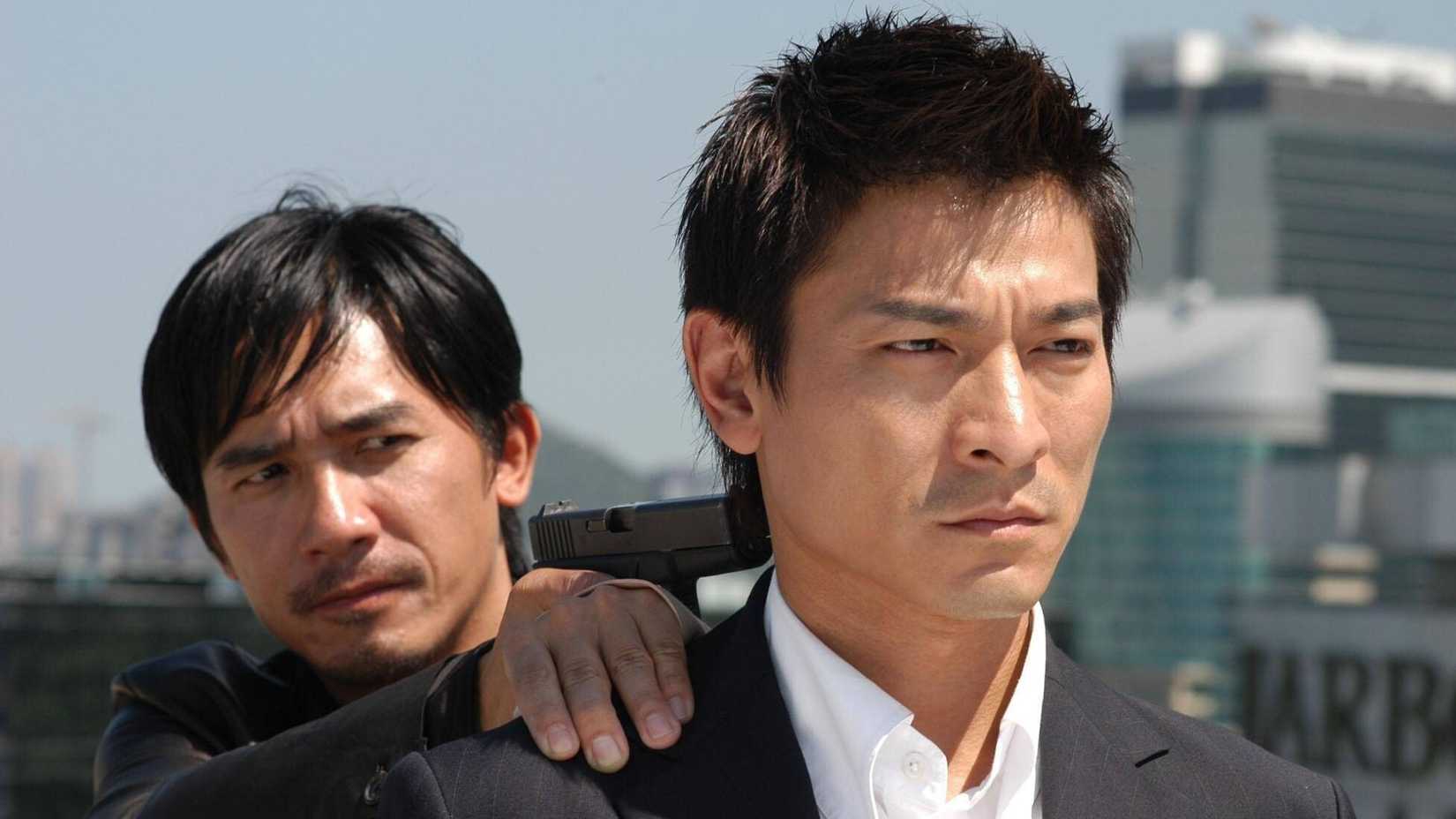
While many know the story as The Departed, the original Hong Kong crime thriller Infernal Affairs and its sequels are truly exceptional films that don’t get enough recognition. The first movie is famous for its shocking plot twists, but the second and third installments are equally gripping. The series cleverly jumps between different time periods, keeping the audience constantly guessing.
While Infernal Affairs is a strong film on its own, the two sequels are remarkable because they enrich the original story in a meaningful way. Instead of feeling like tacked-on additions, they add depth and complexity to the entire narrative, making the trilogy as a whole truly exceptional. Despite often being viewed separately, Infernal Affairs deserves recognition as part of a complete and compelling three-film series.
The Before Trilogy
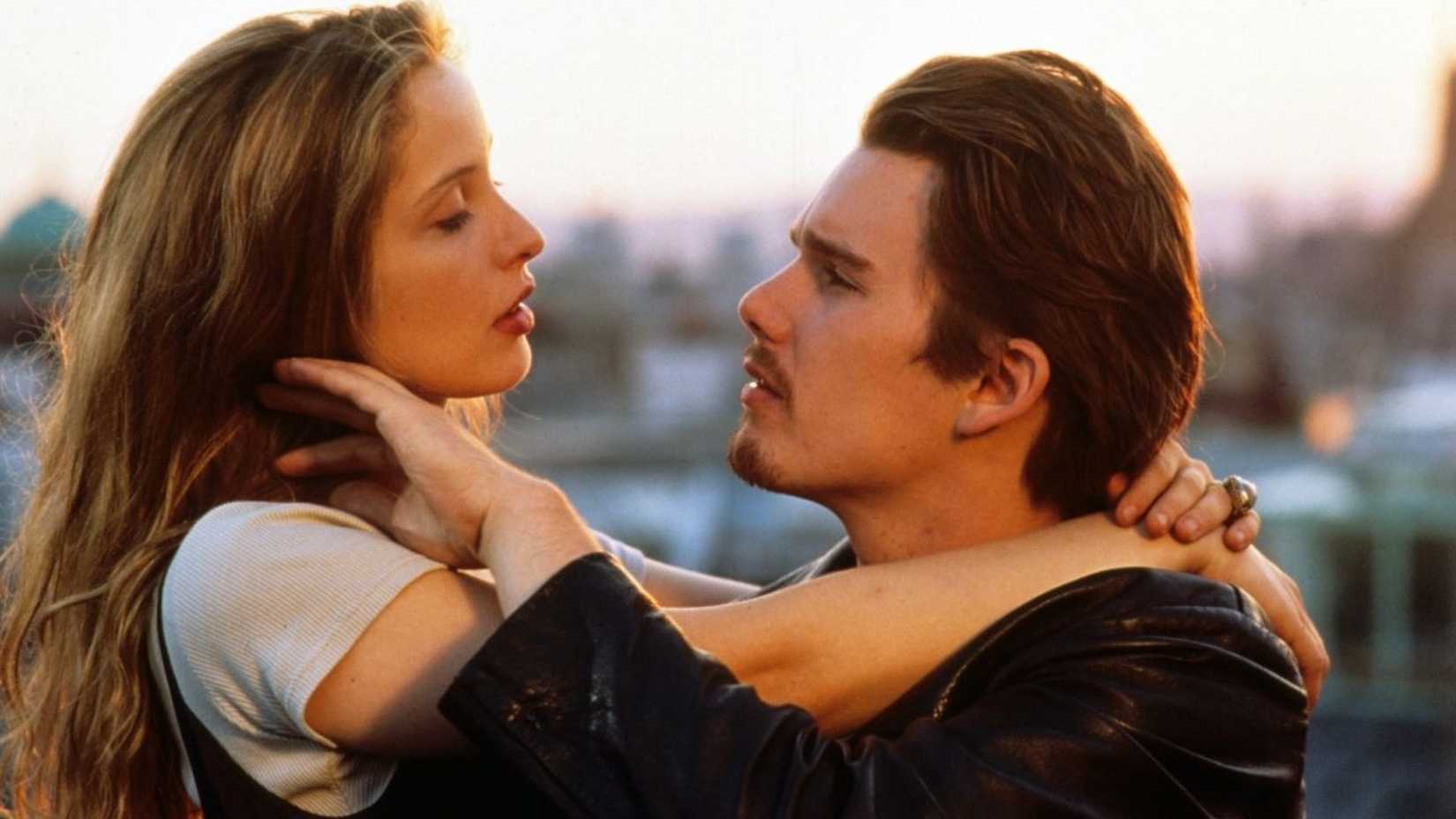
Director Richard Linklater often explores characters over extended periods, and the Before Trilogy is widely considered his most compelling character study. The series—Before Sunrise, Before Sunset, and Before Midnight—follows two people who meet and reconnect for short periods throughout many years. Stripped down to its essentials, the Before Trilogy relies almost entirely on conversations between the characters.
While the series might seem a little intimidating at first, it’s actually a beautifully intimate love story. Julie Delpy and Ethan Hawke deliver fantastic performances in each film, and we get to see their characters – and the actors themselves – grow and change over time. Each movie is excellent on its own, but experiencing all three together is truly special.
The Lisbeth Salander Trilogy

David Fincher’s film, The Girl with the Dragon Tattoo, wasn’t the first movie based on Stieg Larsson’s book. A Swedish film series adapting the entire trilogy came out first. These films follow journalist Mikael Blomkvist and the unconventional hacker Lisbeth Salander as they solve crimes and sometimes operate outside the law. Remarkably, all three Swedish films were released in the same year, 2009.
The Girl with the Dragon Tattoo series is a prime example of Nordic noir, known for its realistic and serious tone. It feels like a throwback to classic detective stories and mysteries. While each film is good on its own, the trilogy is best appreciated as a whole, and remains surprisingly overlooked despite being among the best films of the 2000s.
The Vengeance Trilogy
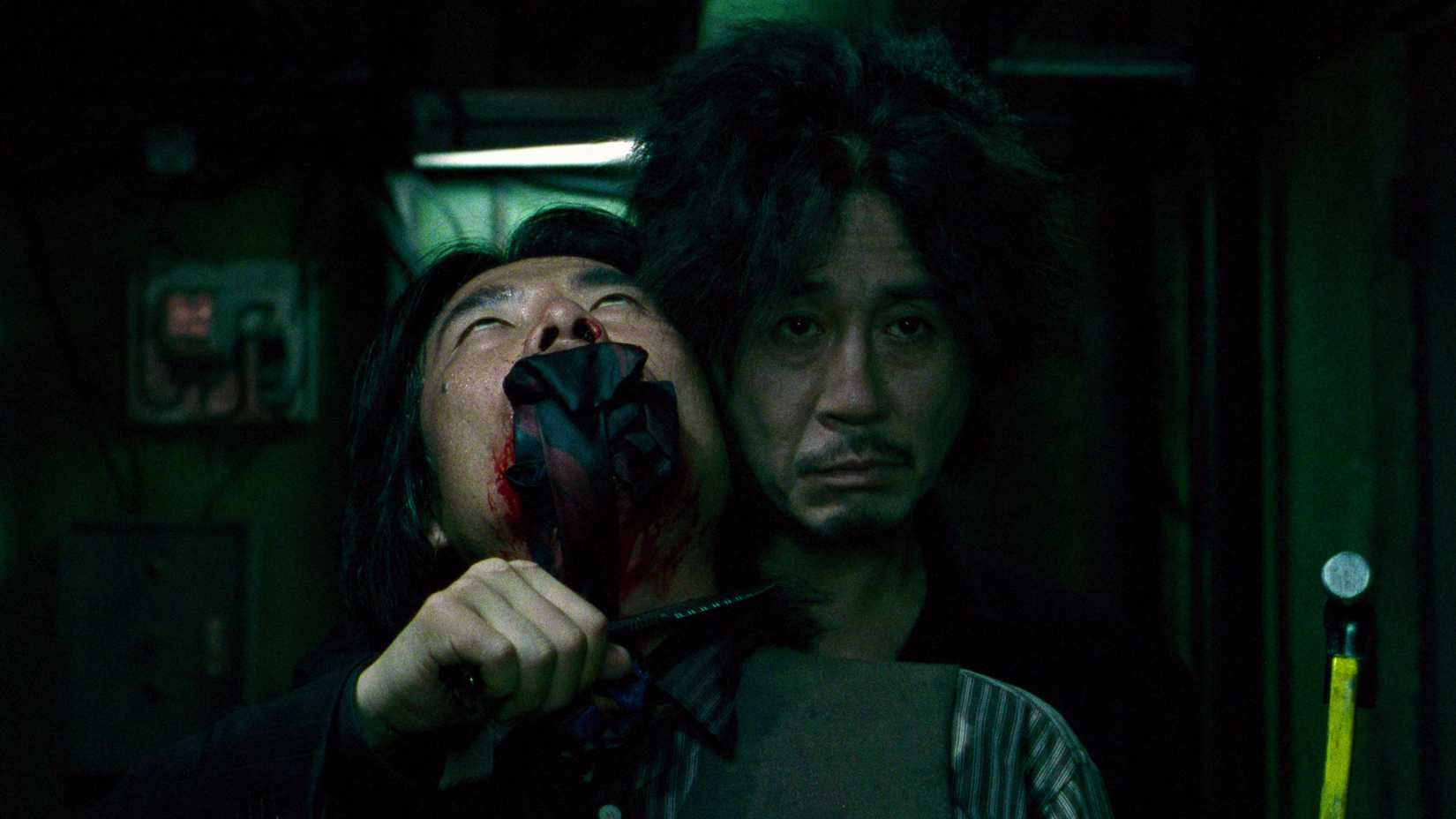
Park Chan Wook’s Vengeance Trilogy, as the title indicates, focuses on a single theme: revenge. Through three distinct and violent stories, the trilogy explores the act of getting even and the toll it takes on those who seek it. While Oldboy is the most famous film in the series, it’s part of a larger narrative that begins with Sympathy For Mr. Vengeance and concludes with Lady Vengeance.
At first glance, these films seem to glorify violence, but they also quietly criticize it. Each movie is very different, offering unique qualities. Despite these differences, the Vengeance trilogy feels like a unified work because its central ideas are so clear and powerfully connected.
Three Colors Trilogy

Krzysztof Kieślowski’s Three Colors Trilogy is widely considered one of the most thematically complex ever made. Each film—Blue, White, and Red—is associated with a color of the French flag and a core ideal of the French Revolution: liberty, equality, and fraternity. While characters sometimes appear in multiple films, each movie tells its own unique story.
What makes this trilogy so remarkable is its depth. The three films don’t just explore their own themes; they also offer fresh perspectives on the conventions of the genres they belong to. Using a deeply psychological lens, Red, White, and Blue each break down and reimagine the typical structures of drama, comedy, and other kinds of storytelling in a way that’s rarely seen in film.
Although the last film in the series, Red, received three Academy Award nominations, the Three Colors Trilogy isn’t intended for everyone. Still, these three beautifully made films are well worth watching if you’re looking for something thought-provoking and sophisticated.
Once Upon A Time Trilogy
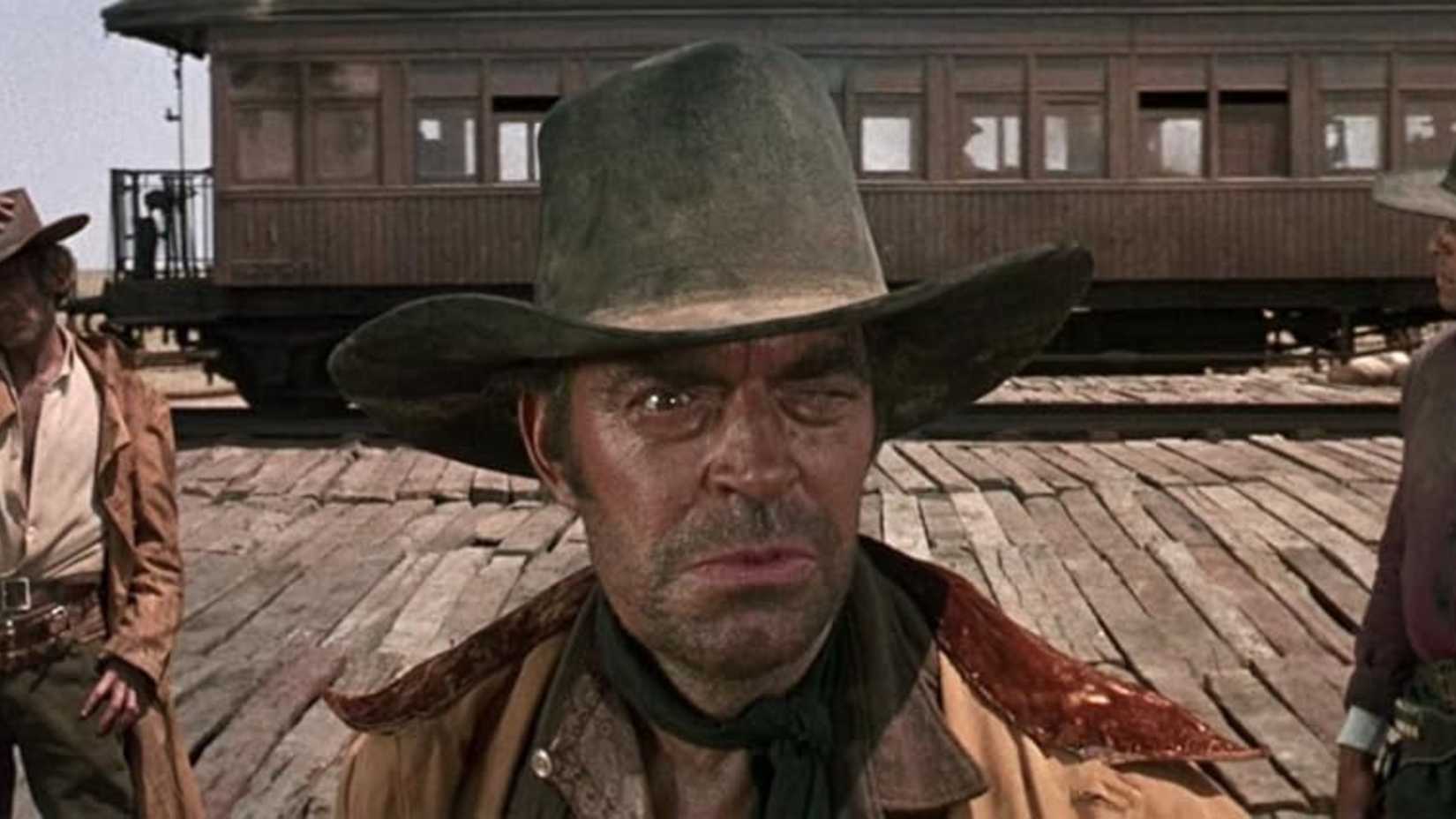
While Sergio Leone is famous for his Dollars Trilogy, his Once Upon a Time Trilogy is equally brilliant. What sets it apart from the Clint Eastwood westerns is that it begins with westerns but later explores the world of gangsters. Once Upon a Time in the West is a well-known masterpiece, and the other films in the trilogy are outstanding as well.
Often overshadowed by the other films, Duck, You Sucker! (1971) is a thrilling adventure set against the backdrop of the Mexican Revolution. It stands apart from Once Upon a Time in the West and its follow-up, Once Upon a Time in America. The final film in the trilogy is considered a landmark gangster movie, showcasing Sergio Leone’s incredible skill for making entertaining films.
Even though the three films aren’t heavily connected, they still work wonderfully as a group. Each film is strong on its own and enjoyable without the others. But, like many great trilogies, watching them together adds another layer of understanding and appreciation.
Read More
- Five Nights At Freddy’s 2 Review: The Video Game Movie Sequel Limbos Under The Low Bar Set By The First Film
- ‘And Then The Chesty One Comes In.’ SNL’s Cut For Time Sketch Hilariously Reimagined Sydney Sweeney And Zendaya’s Euphoria
- Black Phone 2 Ending & Grabber’s Fate Explained
- George Clooney Has The Best Reaction To The Viral Louvre Heist Following Ocean’s Eleven Comparison
- Прогноз криптовалюты USD1: прогнозы цены USD1
- Прогноз криптовалюты BNB: прогнозы цены BNB
- The Rising of the Shield Hero Season 4 Episode 4 Release Date, Time, Where to Watch
- I Spotted A Few Travis Kelce-Related Easter Eggs In Taylor Swift’s Life Of A Showgirl Release Party, And I Need To Talk About Them
- Jonathan Majors’ Latest Response To Questions About Kang’s MCU Return Is Way More Cryptic Than I’d Expect
- Tom Cruise Space Movie Allegedly Collapsed Because He Refused to Ask President Trump for Help
2026-01-13 01:30