Many of the most acclaimed TV shows of the past two decades have been dramas. While some quickly become excellent right away, others need a season or two to really hit their stride. As the show continues, viewers get to know the characters better, and the conflicts become more intense.
The show really finds its footing and delivers some of its strongest episodes as it progresses, with the cast and writers becoming more confident in their roles. Here are a few acclaimed crime dramas that truly hit their stride after their first couple of seasons and became classics.
The Blacklist is One of the Best Crime Series of the Last Decade
The show initially gained a large following thanks to its intriguing premise and the star power of James Spader. The first two seasons focused on Spader’s character helping the FBI catch criminals, but always doing things his own way.
I really noticed a shift with The Blacklist after its second season. It started diving deeper into Reddington’s history and why he was doing what he was doing, and that meant moving away from just being a standard ‘case of the week’ show. Those cases didn’t disappear, but they became pieces of a much bigger puzzle. Honestly, it transformed the series from a solid crime drama into a genuinely gripping thriller, and I think it made for a much more compelling watch overall.
Bosch’s Slow Burn Led to a Big Payoff
The crime drama initially stood out as a well-made and refined addition to the genre. The show’s first few seasons focused on introducing Harry Bosch as a classic detective who preferred to work alone.
I have to say, the first couple of seasons were good, but they followed a pretty standard formula. It wasn’t until Season 3 that things really started to get interesting. That’s when the writers began to tackle the bigger issues facing the city, and really explore Harry’s own struggles. Instead of just solving a crime each week, they started building longer, more complex storylines that unfolded over time, and I was hooked!
HBO Struck Gold With The Wire
HBO’s The Wire, starring Lance Reddick and Dominic West, began with a solid start and steadily became more compelling. The show unfolds gradually, and viewers who stick with it will be rewarded. The first season carefully builds the story by diving into Baltimore’s drug scene and introducing the main characters.
Each season of The Wire built upon the previous one, adding more complexity to the narrative. By seasons three and four, viewers and the characters themselves began to understand the political forces driving the drug trade. The show doesn’t drastically change direction as it goes on, but it expands its focus, making the story richer and more detailed.
The Trinity Killer Transformed Dexter
The show Dexter, which debuted on Showtime in 2006, really changed the game for crime dramas. It offered a new and interesting approach to the serial killer story. Each season focuses on a main villain and puzzle that Dexter Morgan attempts to unravel, all while secretly being a killer himself who targets those he believes deserve punishment. He works as a blood-splatter analyst, providing a cover for his true activities.
Throughout the show, Dexter usually stays one step ahead of the people he’s tracking. However, the arrival of John Lithgow’s character in Season 4 changed things, moving beyond the simple hunter-versus-killer dynamic. For the first time, Dexter found himself losing control. This season built on what made the earlier seasons successful but also took risks, ultimately solidifying the show’s place as a classic.
FX’s The Shield Got More Intense
When talking about TV shows from the early 2000s, The Shield quickly became popular and immediately stood out from other police dramas. The very first episode shocked viewers with a dramatic twist: Detective Mackey, played by Michael Chiklis, kills another officer.
I always thought Mackey was a fascinating character – flawed, definitely, but you couldn’t look away. The first couple of seasons were just really gripping police work, full of action. But Season 3? That’s when The Shield became something truly special. It felt like everything started to catch up with Mackey and his team, and suddenly there was this real sense of tension, like anyone could turn on anyone else. It wasn’t just about solving crimes anymore; it was about the cost of their choices, and it was brilliant.
Sons of Anarchy Matched Its Second Season with a Return to Form
FX’s Sons of Anarchy started strong and its second season was particularly excellent. The show’s third season, which took place in Ireland, proved divisive – many viewers found that storyline slow and didn’t feel it added much to the overall narrative. This kind of dip in quality often signals trouble for a series, but Sons of Anarchy bounced back with a fantastic fourth season.
Early seasons of the show were strongly centered on the gang’s internal power struggles. While Season 3 slowed down that focus, Season 4 brought it back with a full-blown civil war within the group. The actors delivered incredibly powerful performances as characters dealt with betrayal from those closest to them.
Justified Evolved Beyond the Case of the Week Format
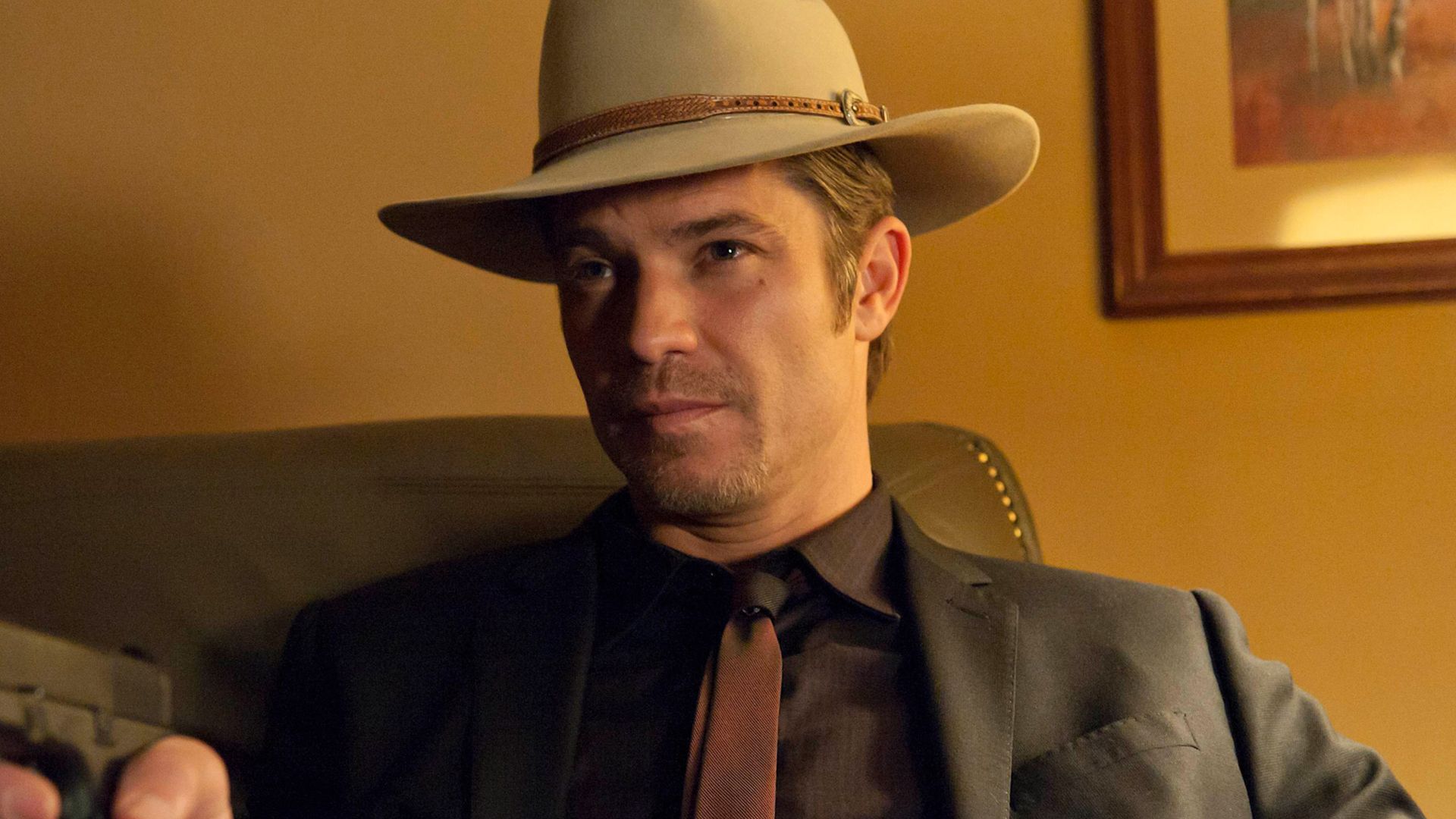
Timothy Olyphant had already proven himself in Westerns like Deadwood, and his popularity grew with his role as Raylan Givens. The show started by focusing on a different fugitive each week, gradually building the world and introducing the characters to viewers.
As Justified went on, the show delved into the shared past and complex connection between Raylan Givens and Boyd Crowder. Their relationship became central to the series, and is a major reason why Justified became so compelling. By focusing on these two characters, the show transformed from a case-of-the-week crime drama into a story driven by character development and emotional depth.
Breaking Bad is the Gold Standard for Series Progression
The show really hits its stride as it goes on, becoming much stronger with each season. Initially, the first couple of seasons focus on Walter and Jesse learning the ropes and trying to stay out of trouble while Walter simply tries to afford cancer treatment.
By the third season, the show’s criminal element expands significantly, creating a much more intense and threatening atmosphere. Walter White’s focus changes from simply staying alive to gaining control. As the series progresses, he becomes increasingly immersed in crime, losing his moral compass along the way. Breaking Bad is unusual in that it not only begins brilliantly, but consistently improves with each season.
Found an error? Send it so it can be corrected.
Read More
- Kit Harington’s 4-Part Adaptation Of 167-Year-Old Classic Is Officially Coming This Year
- Sean Bean’s Best TV Role Since Game Of Thrones Is In This City Is Ours
- Gwyneth Paltrow on Avengers: Doomsday Return: ‘What’s That?’
- Nintendo Officially Cuts Switch 2 Production After Low Sales
- Zander Hawley Discusses The Rookie Season 8 Return & New Single ‘Caroline’
- William Shatner Expresses ‘Sorrow’ Over Starfleet Academy End, Mocks Criticism
- Snowfall: Hulu’s Acclaimed 6-Part Crime Drama Series
- Missing Link: The Underrated Stop-Motion Animated Gem That Made History
- Hannah Montana 20th Anniversary Special Dominates Disney+ Streaming Charts
- Netflix Revives Canceled 2010s Superhero Show “Powers” As Animated Series
2026-04-04 19:38