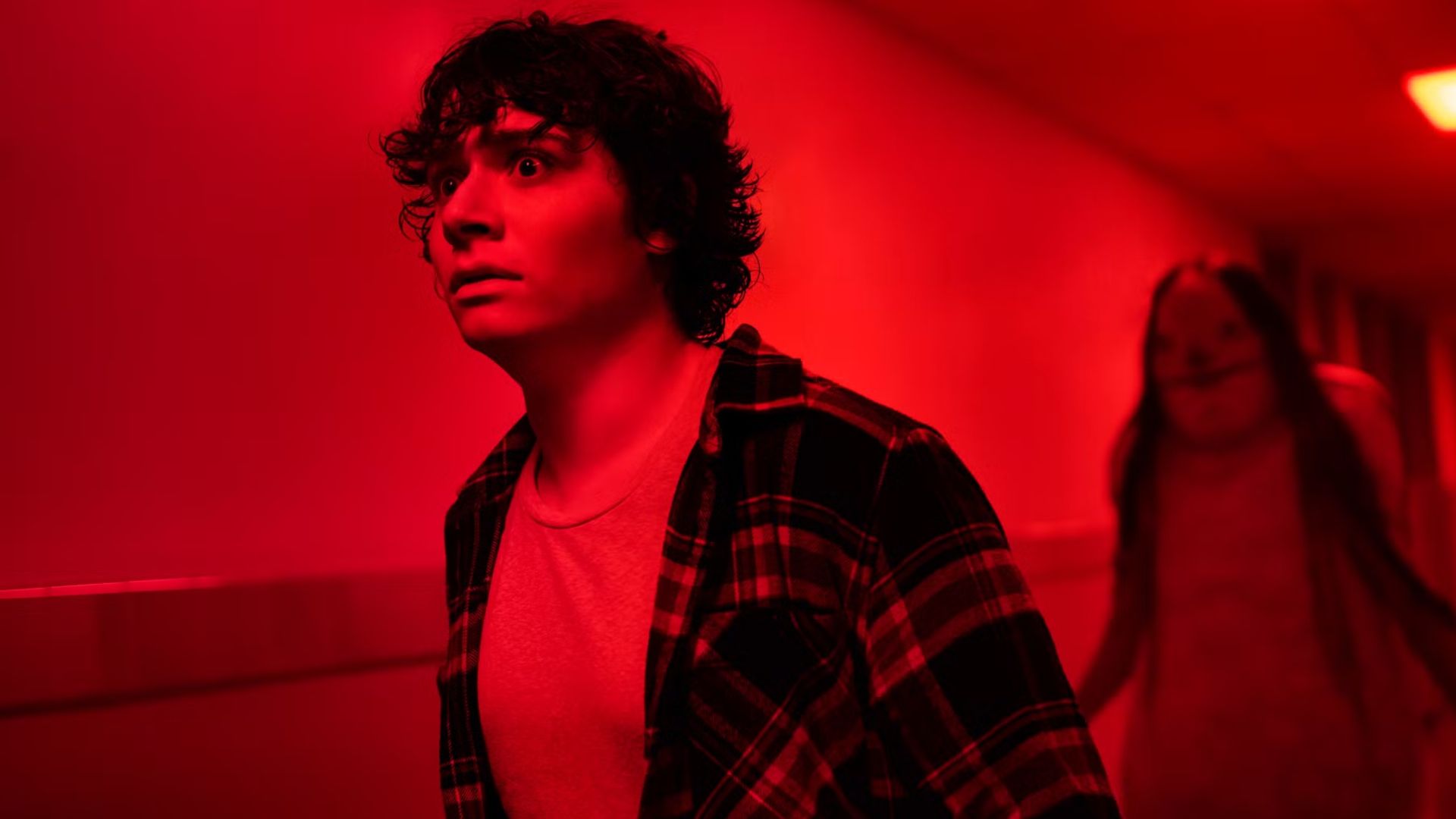
The 2019 film, Scary Stories to Tell in the Dark, produced by Guillermo del Toro, successfully adapted a famously unsettling book that many people grew up with. It pleased longtime fans of the original stories while also introducing a new audience to the world of horror.
Many people who grew up in the ’90s were too scared to borrow Scary Stories to Tell in the Dark from their school libraries. Surprisingly, it’s also been one of the most frequently banned books for decades, meaning a lot of kids weren’t even able to get it.
The movie Scary Stories to Tell in the Dark cleverly centers the story around the books themselves, capturing the eerie feeling many had reading them as children late at night. It also acknowledges the controversy the books sparked, as many schools and parents considered them dangerous.
The “Scary Stories To Tell In The Dark” Movie Playfully Nods To Its Source Material’s Controversial Status
Scary Stories To Tell In The Dark; Written By Alvin Schwartz; Art By Scott Gammell; First Published In 1981
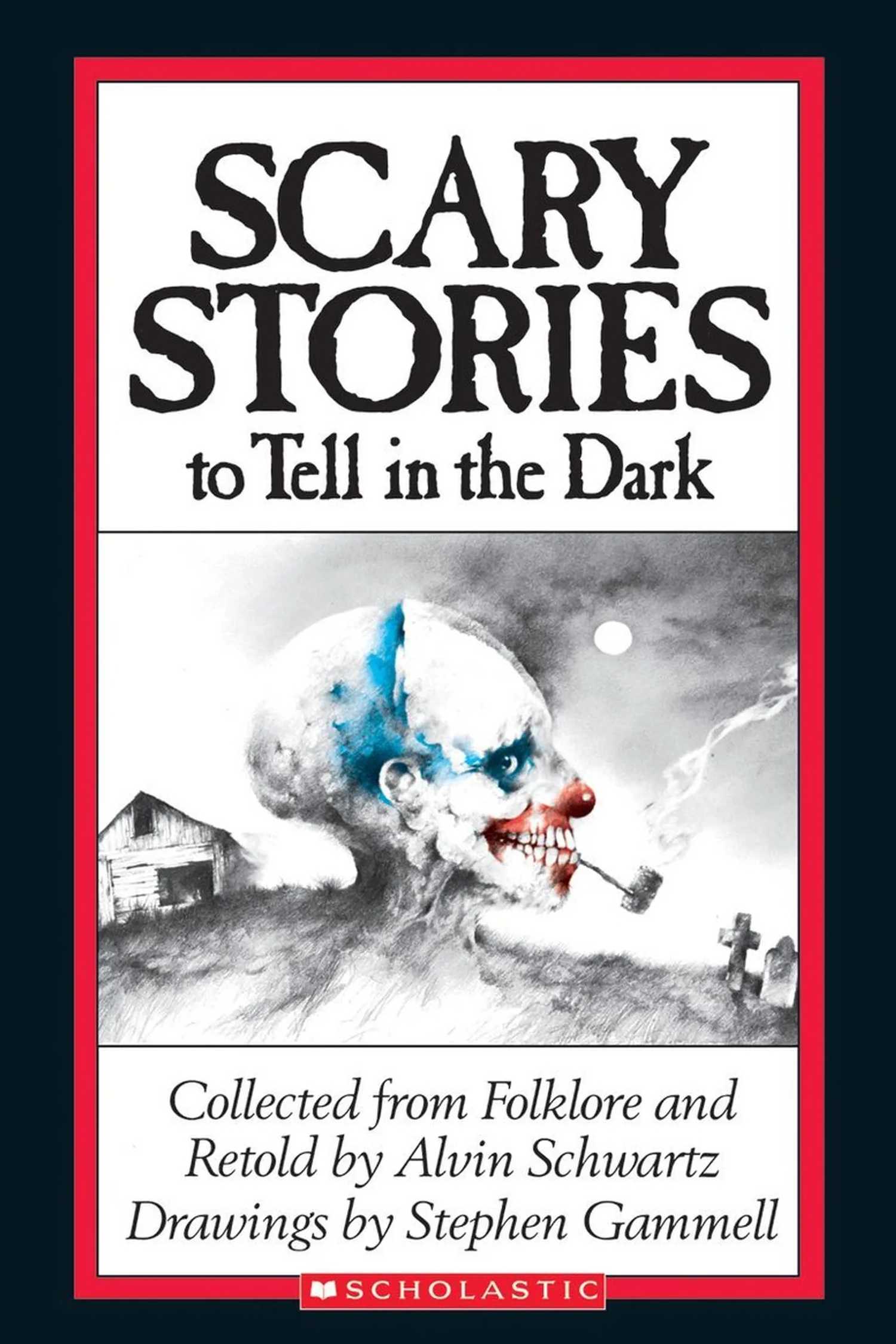
I absolutely loved growing up with Scary Stories to Tell in the Dark! It’s a collection of really creepy, short stories. There are actually three books in the series – the first one came out in 1981, then More Scary Stories in 1984, and Scary Stories 3 in 1991. It’s kind of amazing – and a little sad – that the first book was the most challenged book of the 90s, meaning it was taken off library shelves more than any other book!
The movie Scary Stories to Tell in the Dark, produced by Guillermo del Toro (who also contributed to the story), centers around a haunted spirit. This spirit brings the terrifying tales from a mysterious book to life, unleashing monsters on a group of teenagers. The film subtly acknowledges its source material – a clever nod for those familiar with the original books, but doesn’t distract from the main story.
This storyline elevates the film beyond a simple adaptation of Scary Stories. It becomes a tribute to the book’s enduring impact. While the original Scary Stories was a collection of separate tales, the movie cleverly connects them all through a single, cursed book, taking a bold and original approach.
The “Scary Stories” Book’s Art Made It Truly Terrifying; How Does The Movie Live Up To That Legacy?
Scary Stories, The Movie, Plays With The Franchise’s Iconic Imagery
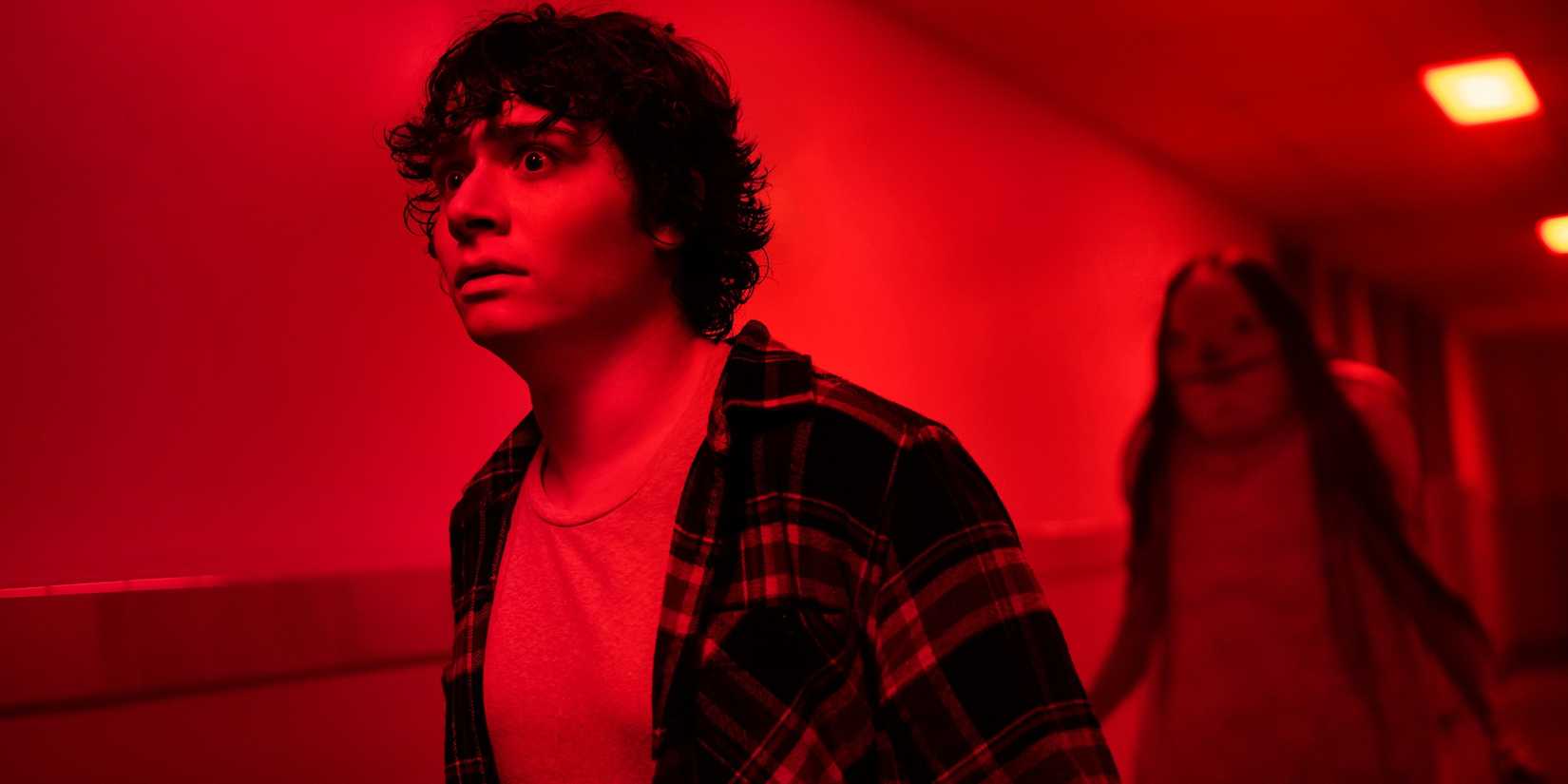
The success of the Scary Stories to Tell in the Dark movie hinges on how well it brings the stories and especially the artwork from the original books to life. While the stories themselves were creepy, it was Scott Gammell’s illustrations that truly made the books famous – and controversial. For many who grew up in the 1990s, those distinctive images are the first thing that comes to mind when they think of Scary Stories.
The Scary Stories movie truly shines when it accurately recreates the unsettling and frightening images from the original book. The main weakness of the film is that it doesn’t feature enough of those iconic illustrations – there’s too much time between scary moments. However, for fans of the book, the scares are powerfully nostalgic, and for new audiences, it’s a good introduction to enjoying a thrilling fright.
Let’s be clear: the Scary Stories movie is a PG-13 horror film. While the book was originally aimed at young adults, it felt forbidden to many kids growing up in the ’90s and ’00s because it featured spooky urban legends, unsettling folklore, and faced some opposition from schools, libraries, and parents. The movie doesn’t have that same forbidden feel, but it’s a fun, relatively mild horror experience that genuinely tries to capture the atmosphere of the beloved book, Scary Stories to Tell in the Dark, which first introduced many kids to the horror genre.
We’d love to hear from you! What aspects of the Scary Stories to Tell in the Dark movie did you enjoy, and what changes would have made it even better?
2026-05-23 07:49