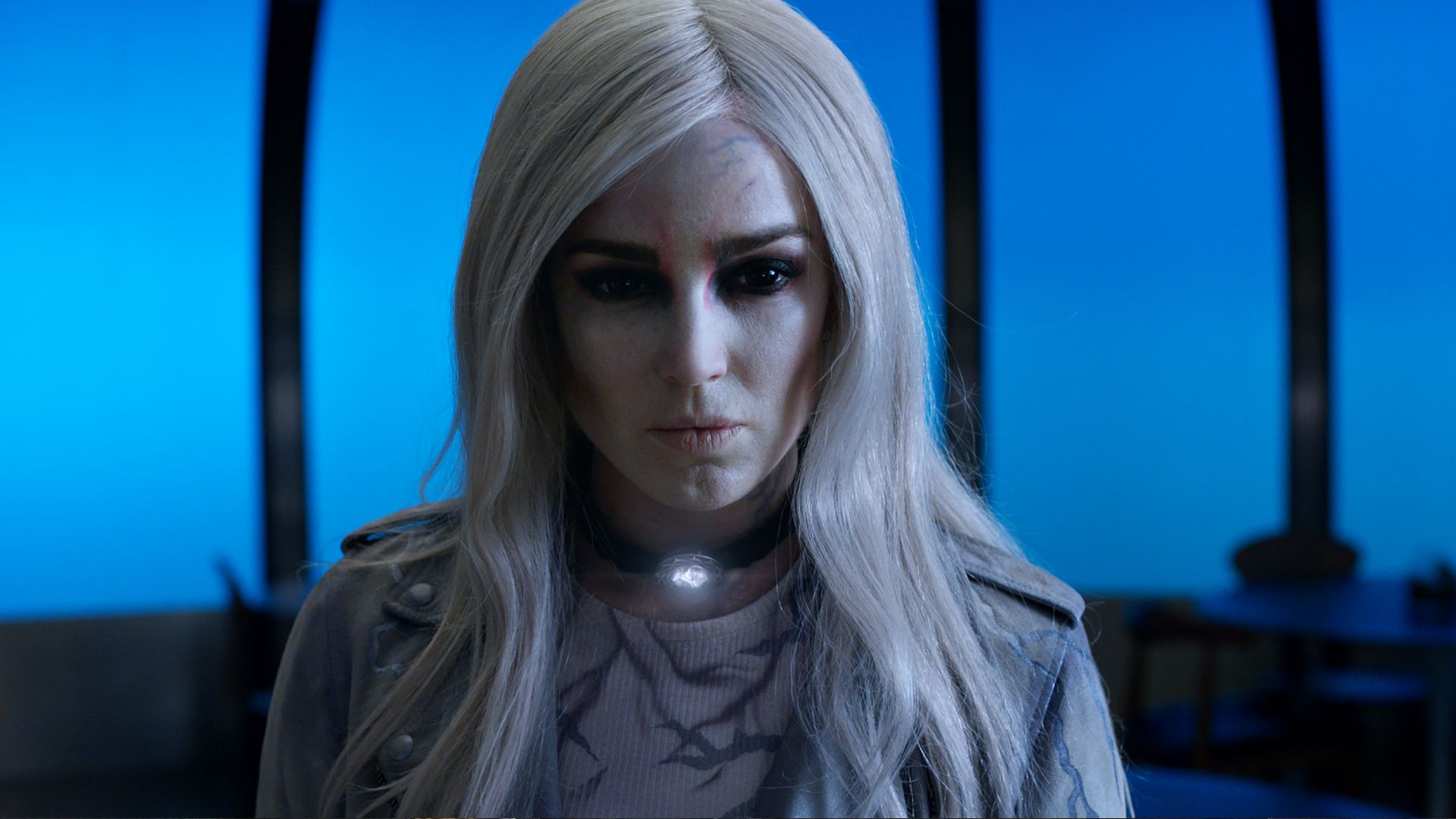
Many long-running science fiction series are memorable, but one show, lasting seven seasons and earning an 89% rating on Rotten Tomatoes, was so groundbreaking it practically defined a new type of television. It’s natural to miss the era of longer seasons with 20 or more episodes, and shows that ran for several years. However, shows that go on for too long often become predictable and lose their original appeal. Series like Lost, The Walking Dead, and The Flash are prime examples – they all eventually lost the qualities that initially made them so captivating.
Some popular shows have managed to stay interesting for a long time. The Twilight Zone remained fresh because each episode told a different story. Doctor Who has a clever setup that lets it constantly change and evolve – whether you like the new versions of the Doctor or not, the show can always move forward. In a similar way, the sci-fi series Legends of Tomorrow, which ran for seven seasons, found a way to keep things exciting by forging its own unique direction.
This TV show isn’t your typical superhero story from the Arrowverse. It begins with a team assembled by a time traveler named Rip Hunter, who’s on a mission to defeat the villain Vandal Savage and save the world – and time itself. But after its first season, the show shifts gears and develops its own unique direction within the science fiction genre.
Legends Of Tomorrow Constantly Reinvented Itself
When it first came out, Legends of Tomorrow wasn’t a hit, but now it’s become a fan favorite. It’s a fun watch for anyone who enjoys science fiction, even if you haven’t followed the other shows in the Arrowverse. You can jump right in without needing to catch up on previous series. Plus, it’s incredibly imaginative and delightfully chaotic, fully embracing both the best and the silliest aspects of the sci-fi genre.
Compared to other superhero shows in the Arrowverse, Legends of Tomorrow was incredibly flexible and open to experimentation. It wasn’t limited by the serious tone of shows like Arrow or Batwoman, or the consistently hopeful approach of The Flash and Supergirl. Because the characters were a mix of lesser-known heroes and antiheroes, the writers had a lot of freedom to try out different ideas. While the show began as a fairly realistic time-travel story, each season took it in a completely new direction.
Legends of Tomorrow started as a fun, historical sci-fi show, but it constantly reinvented itself. It shifted from that to a quirky, campy blend of sci-fi and the occult, then became a satirical science fantasy. Season five was a wild mix of absurd sci-fi, historical stories, myths, and self-aware humor. Season six really leaned into the chaos, becoming a low-budget alien invasion movie. The show wrapped up with a thrilling final season exploring alternate timelines and featuring robotic duplicates.
Legends Of Tomorrow Defies The Superhero Genre

While technically a superhero show, Legends of Tomorrow leans more heavily into science fiction. The characters feel less like traditional heroes and more like a quirky, mismatched team on a strange quest, similar to the crews of Serenity or Farscape. Interestingly, these characters were originally created for the TV series and aren’t based on the 2016 DC comic with the same name – in fact, the show came first, and the comic was created later in May 2022 after the series ended. Plus, Legends of Tomorrow rarely connected with the other shows in the Arrowverse, giving it a unique and separate feel within the DC universe.
The show also stands out from typical science fiction. With constant threats from different dimensions and a rotating team of heroes, it always feels new and exciting. It’s wonderfully silly and feels like both a tribute to and a playful take on classic sci-fi tropes – and that’s what makes it so good. By constantly changing things up – genre, storytelling, even the team itself – Legends of Tomorrow is unique within the sci-fi landscape. It doesn’t fit neatly into any category; it’s truly its own thing.
2026-05-17 04:15