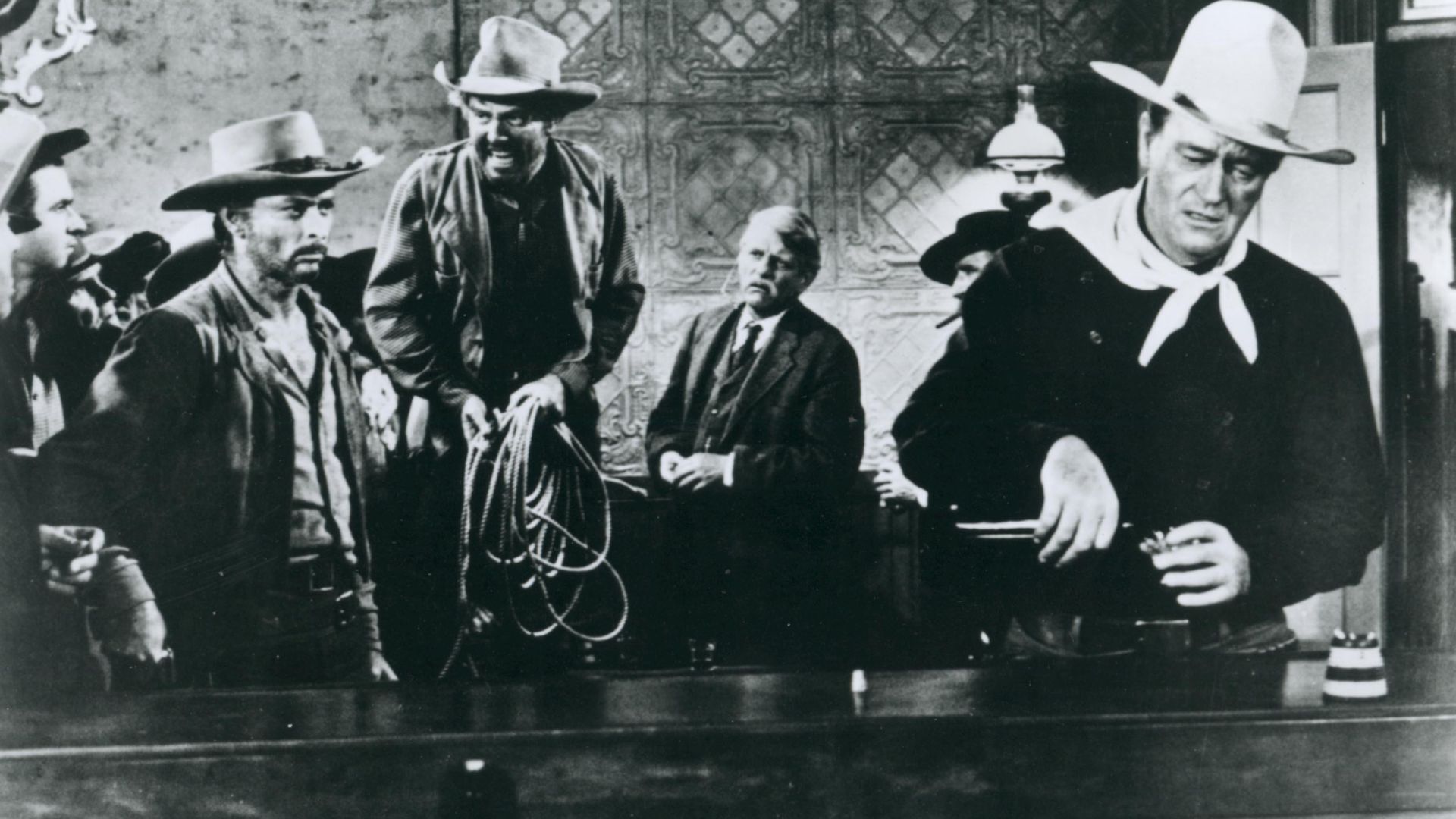
John Wayne was a major star in classic Western films, and one movie in particular is considered a masterpiece. It features a memorable final line and is a great example of a Western that challenged traditional tropes. Wayne appeared in more popular Westerns than many of his contemporaries, often collaborating with acclaimed director John Ford.
In 1962, director John Ford brought together John Wayne and James Stewart in the classic film, The Man Who Shot Liberty Valance. Wayne played a rancher named Tom Doniphon, and Stewart portrayed a young lawyer. Stewart delivered what is now considered one of the most memorable final lines in movie history.
John Wayne’s The Man Who Shot Liberty Valance Remains A Masterpiece
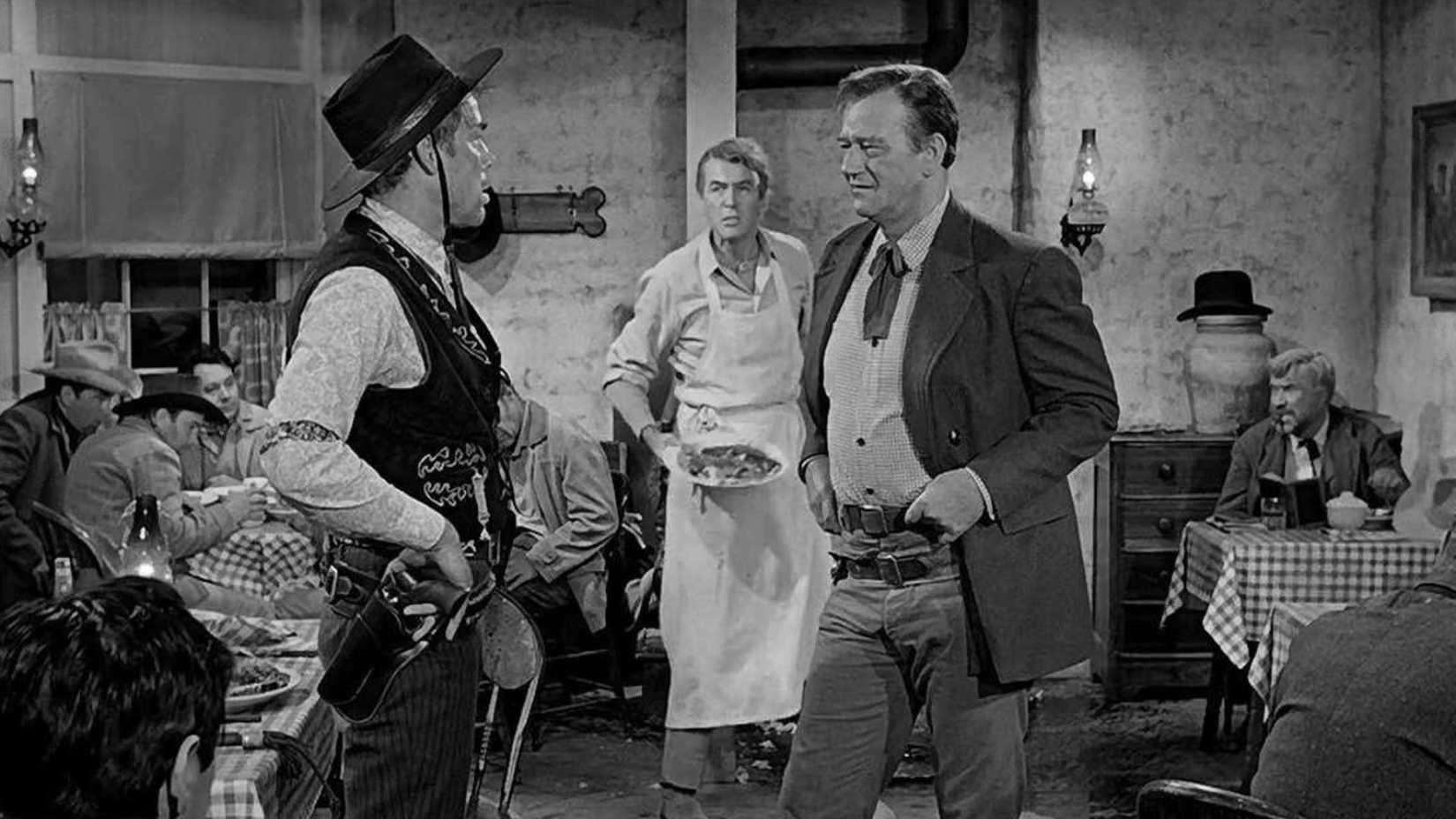
The Western film The Man Who Shot Liberty Valance stood out from most John Wayne movies because it had a deeper meaning. The story begins with U.S. Senator Ransom Stoddard traveling back to a small Western town for a rancher’s funeral, and he shares the reason for his visit with a reporter.
James Stewart played a kind, honest, and diligent young lawyer who became the target of the notorious outlaw, Liberty Valance, played by Lee Marvin. Stewart’s character, Ransom, is determined to see Valance brought to justice, but everyone believes pursuing this will likely cost him his life.
I was really captivated by the introduction of Tom Doniphon. He immediately stepped in to give Ransom a heads-up about the trouble Liberty Valance would cause, and I admired how Ransom finally stood up for himself after Liberty publicly embarrassed him. That moment really caught Tom’s attention, and it was fantastic to see Tom offer to teach Ransom how to handle a gun – a real act of looking out for the young lawyer and preparing him to defend himself.
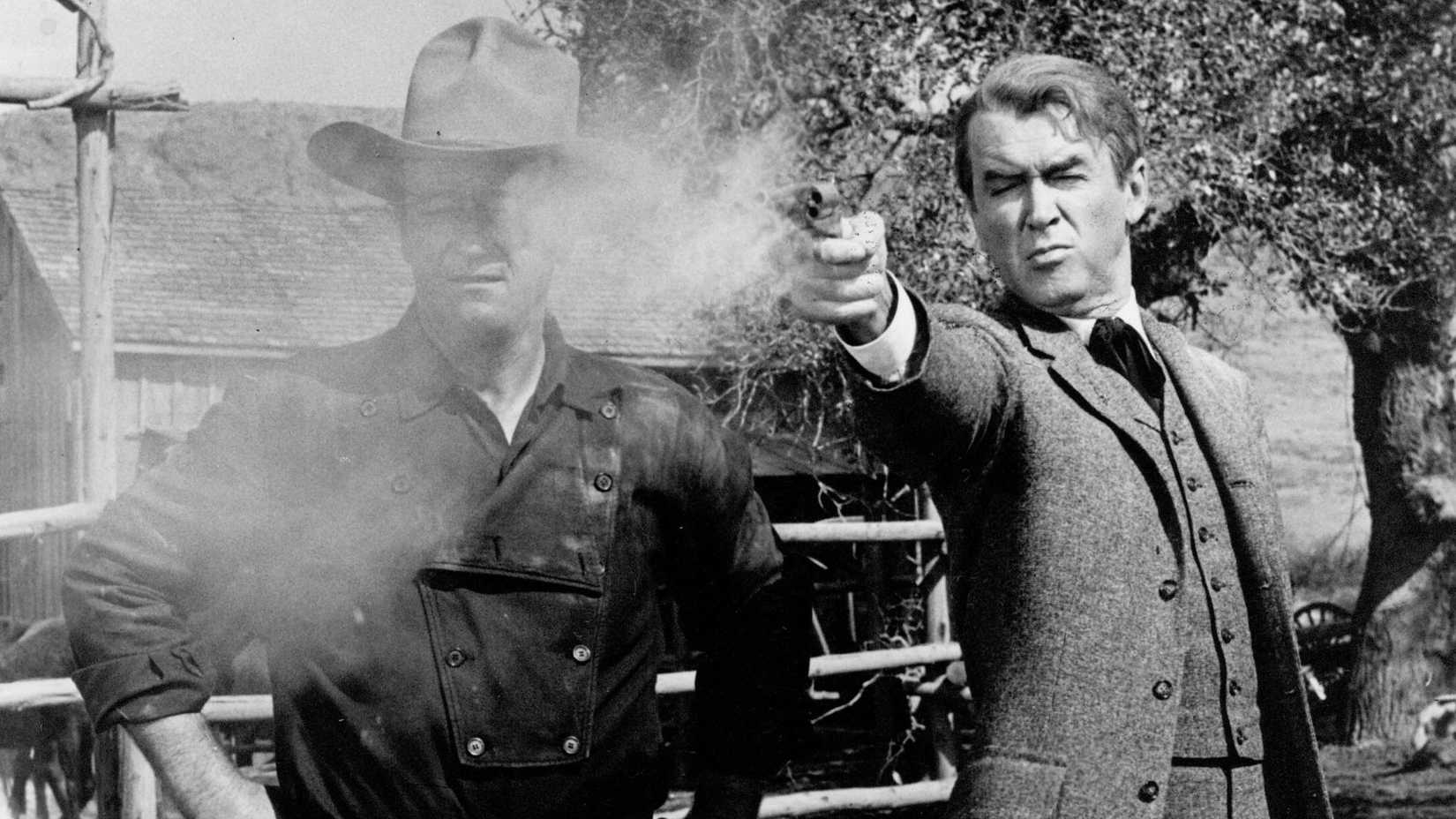
The film centers around Ransom getting ready for a final showdown with Liberty Valance, a fight he’s almost certain to lose on his own. Surprisingly, when they finally face each other, Ransom manages to draw and fire his gun, instantly killing Valance. But that wasn’t the whole truth of what happened.
The Man Who Shot Liberty Valance Ends On A Perfect Quote

Following Liberty Valance’s death, Ransom unexpectedly became famous for killing the notorious outlaw, which boosted his political career. When nominated to be a delegate at a political convention, he refused the position. He didn’t want to build a political life on the fact that he’d taken a life, even though he’d acted in self-defense and felt remorseful.
That’s when Tom arrived and revealed what really happened. Ransom did fire his gun, but the shot went far wide of Liberty Valance. Tom knew Ransom couldn’t hit the outlaw, so he’d fired from cover at almost the same moment. The truth was, Tom Doniphon was the one who killed Liberty Valance.
Tom asked me to keep something quiet – he needed to build a career in politics, and he wanted me to be the one who got the recognition for it. He was okay with fading into the background, even if it meant no one would remember him later on, just a forgotten rancher. I did what he asked, but now, years later, I finally told a reporter the whole story and left it up to him to decide what to do with it.
The editor wouldn’t publish the story, famously stating, “When the legend becomes fact, print the legend.” As Ransom departs by train, the conductor delivers another iconic line: “Nothing’s too good for the man who shot Liberty Valance.”
This Brilliant Quote Signifies The Revisionist Western Genre
These two lines really capture the heart of the film, and perfectly illustrate what defines the ‘revisionist Western’ genre. Traditional Westerns usually feature a hero who rides in, resolves the conflict, and is celebrated for their actions. But this movie takes a different approach.
The film The Man Who Shot Liberty Valance completely flipped the traditional Western hero story. Ransom wasn’t the brave hero, but someone who would have perished if Tom hadn’t killed Liberty Valance. Despite this, Ransom became famous and admired, while Tom, the true hero, died unknown and unappreciated, leaving no lasting mark.
The famous advice given to journalists – “When the legend becomes fact, print the legend” – perfectly sums up how most John Wayne Westerns portray the Old West. These films often showed Native Americans as villains, settlers as heroes, and the West itself as a romantic and prosperous place for white people. However, this is a very distorted version of what really happened.
As John Wayne got older, he started taking on more complex roles. In films like The Searchers, he portrayed a troubled man consumed by racial prejudice, ultimately ending up estranged from his family. Similarly, in The Man Who Shot Liberty Valance, his character gained fame by falsely claiming to be a hero – essentially taking credit for someone else’s bravery.
Clint Eastwood’s arrival challenged John Wayne, who didn’t appreciate the shift. But looking at Eastwood’s Westerns, it becomes clear that Wayne was actually moving in a similar direction, even if he didn’t realize it.
The line, “Nothing’s too good for the man who shot Liberty Valance,” made everything clear to Ransom. He realized his good reputation wasn’t deserved, and Tom had given up his own future to protect the lie. Like many thoughtful Westerns, The Man Who Shot Liberty Valance explores how stories become myths and how much of the Old West was based on incomplete truths.
Read More
- Underrated Shudder Horror Movie Becomes Global Streaming Hit After Quiet Theatrical Release
- ‘YouTube Customers Are Suffering.’ Disney CFO Says Company Isn’t Backing Down As Cable Outage Continues
- DC Studios Confirms Justice League’s Current Status In The DCU
- With Frank Grillo Confirmed For Man Of Tomorrow, I Hope It Means The Next Superman Movie Will Include A Specific Peacemaker Crossover
- 5 TV Shows Hollywood Will Never Let Die
- Pluribus: Why Helen Died May Actually Be Because of Carol
- Whitney Leavitt Did Not Hesitate To Drop An F-Bomb After Witnessing DWTS Partner Mark Ballas Deal With Internet Haters For The First Time
- How Spartacus’ 100% RT Sequel Show Tweaks Roman History For Ashur’s Return
- 2026 Oscar Contenders: Where to Stream Sinners, Bugonia, Jay Kelly
- Chris Pratt Made A Pitch to Marvel for Star-Lord’s Return
2026-01-24 23:21