Science fiction existed in books long before it became popular in movies. Many famous authors, like Jules Verne, Isaac Asimov, and H.G. Wells, are celebrated for their sci-fi stories. Though these works have been made into films many times, science fiction has really flourished on television.
Because TV seasons are much longer than movies, they offer more space to fully develop the complex ideas often found in science fiction books and to create richer, more detailed characters. However, successfully adapting a book for television is still incredibly difficult, and very few shows – particularly in the sci-fi genre – manage to do it perfectly.
It’s important for TV series to stay faithful to the original story, but the best adaptations go further. They bring a modern perspective that makes the show truly special. Through great filmmaking, perfect casting, and fresh takes on the source material, these sci-fi adaptations can be as good as – or even better than – the books they’re based on, becoming major talking points in pop culture.
Dune: Prophecy
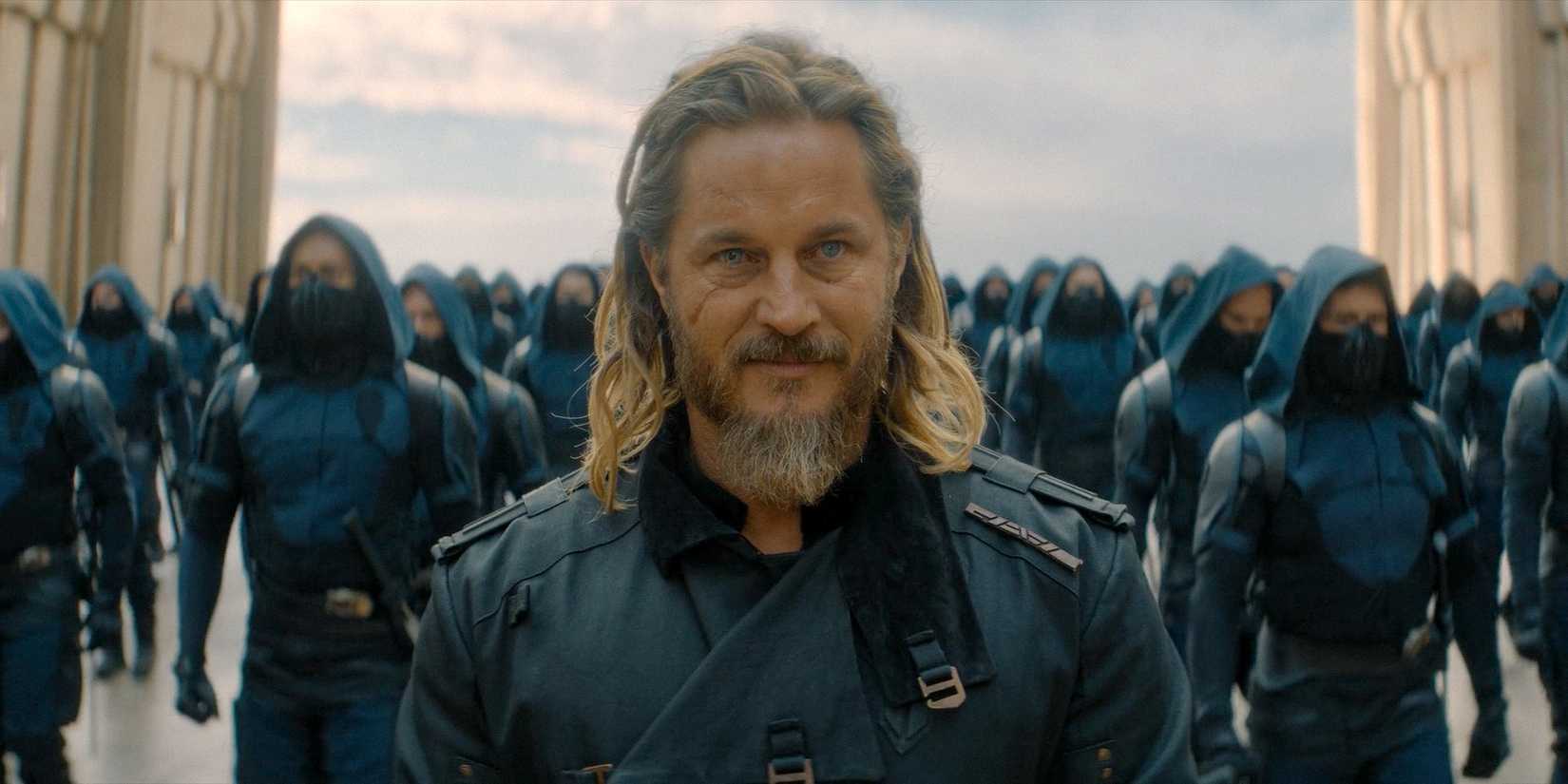
Let’s be clear: Dune: Prophecy doesn’t quite reach the heights of Denis Villeneuve’s Dune films. Premiering in late 2024, the same year Dune: Part Two was released in cinemas, the HBO Max series felt rushed, like an extra piece of content rather than a fully developed show. However, despite its imperfections, Dune: Prophecy is still a grand and impressive series that deserves recognition.
Set in the world created by Frank Herbert’s Dune, this series unfolds 10,000 years before the original story. It follows the origins of the Sisterhood, who will eventually become the powerful Bene Gesserit. Though not a direct adaptation of any specific Herbert book, the six episodes are carefully crafted to connect with the established Dune timeline. Each episode adds rich detail and even explores areas beyond what we’ve seen in the films.
Featuring impressive performances from Emily Watson, Mark Strong, and Travis Fimmel, this political thriller—reminiscent of Game of Thrones—creates a captivating web of secrets as each character’s motives are revealed. While those unfamiliar with Dune might find the detailed backstory a bit overwhelming, Dune: Prophecy is a strong and welcome continuation of the franchise, and a remarkable example of science fiction storytelling.
Wayward Pines
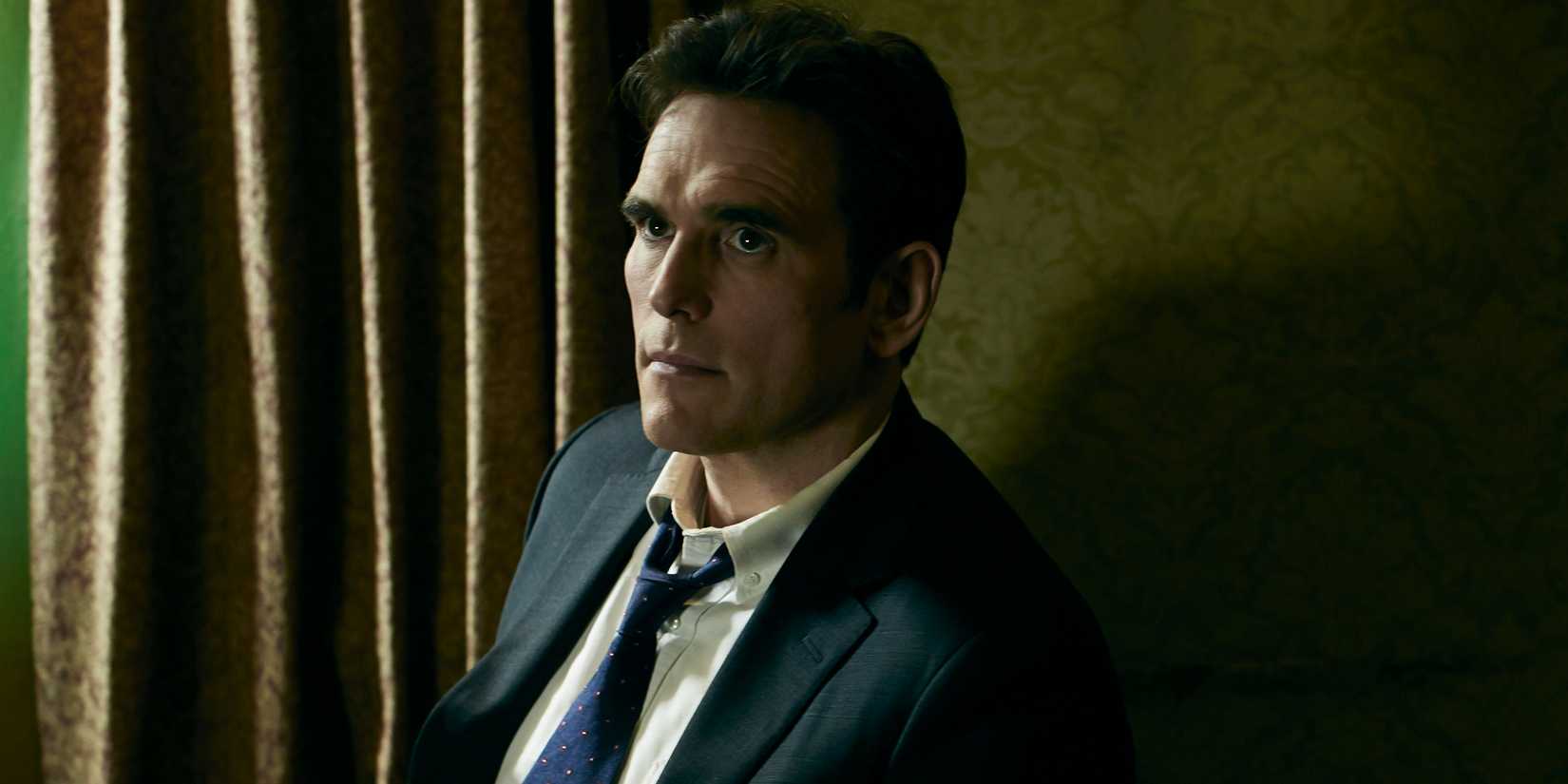
Science fiction is often most interesting when mixed with other genres, and mystery is a great fit. The 2015 series Wayward Pines, based on Blake Crouch’s novels, is a prime example. The show centers on Ethan Burke, a U.S. special agent who investigates the disappearance of two colleagues and ends up trapped in a strange town in Idaho that no one can leave.
Before creating the hit show Stranger Things, the Duffer Brothers teamed up with M. Night Shyamalan to produce Wayward Pines, a truly captivating television series. If you enjoyed the mysterious atmospheres of shows like Twin Peaks and Lost, you’ll likely be hooked by Wayward Pines. The show unfolds at a compelling pace, revealing its secrets gradually, and offers a more definitive ending than the original books, providing viewers with a satisfying resolution.
Originally planned as a single, self-contained season, Wayward Pines wraps up its first season very neatly – it’s clear that’s how it was designed. The second season doesn’t quite capture the same mystery and suspense. However, if you’re searching for a unique and captivating show, the first season of Wayward Pines is definitely worth watching.
Foundation

Isaac Asimov’s science fiction stories have always been challenging to adapt into movies or TV shows. Previous attempts, like the 1988 film Nightfall and the 2004 movie I, Robot, haven’t quite captured the spirit of his work. However, Apple TV+’s Foundation has changed that. While the series had a shaky start, it ultimately demonstrates why long-form television is ideal for bringing complex sci-fi stories to life.
Inspired by Isaac Asimov’s science fiction novels written over several decades, the show tells the epic story of a future civilization governed by a galactic empire. It centers on the Foundation, an organization using the predictions of its founder, Hari Seldon, a brilliant mathematician, to try and prevent a coming dark age. The show covers hundreds of years and follows multiple plotlines, which can be overwhelming. The first season, in particular, was dense with complex scientific explanations and detailed world-building, making it difficult for some viewers to follow.
This show takes time to build, but it’s worth sticking with. The final two seasons brilliantly explore the ideas from Asimov’s work – things like the dangers of unchecked power, living sustainably, and the role of science in our world – and subtly connects to other stories he wrote through familiar characters. Plus, with Apple’s significant investment, the show boasts stunning visuals and impressive production design.
Dark Matter
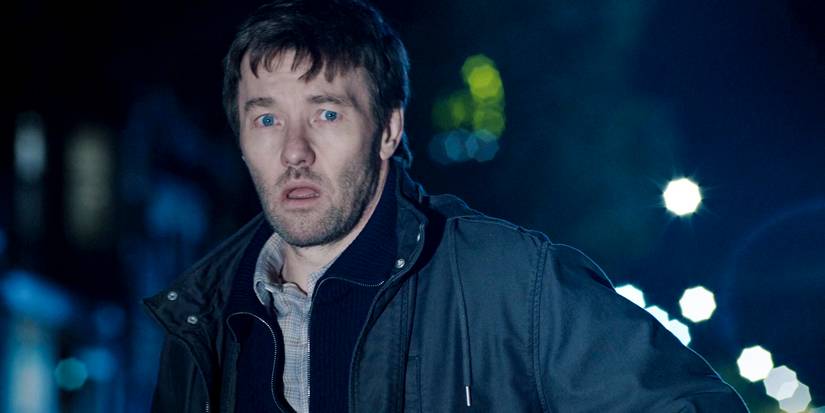 Image via Apple TV+
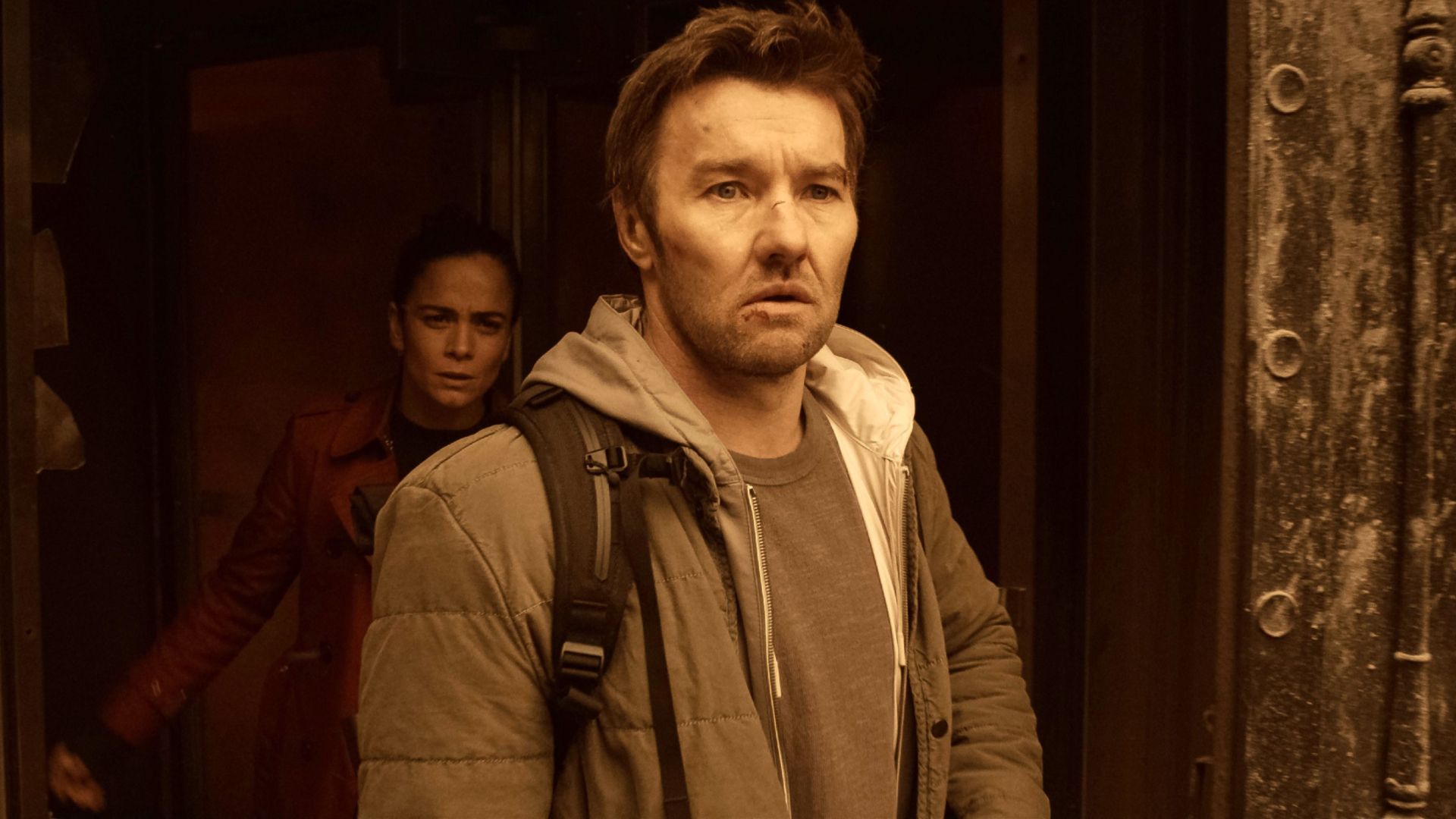
Blake Crouch returns with a new TV series based on his novel Dark Matter. The Apple TV+ show centers on Jason, a husband and father whose life is thrown into chaos when he’s abducted by a different version of himself. He finds himself trapped in a place where he’s confronted with countless alternate realities, and he must find a way out. Even if you’ve seen multiverse stories done by Marvel, this series offers a fresh and surprising take on the concept.
A show based on Dark Matter could easily become confusing, but thankfully, the author of the book, Blake Crouch, is also the creator and showrunner. This ensures the show presents the story’s complicated ideas in a way that’s easy to understand. While it’s set in the future, the show is really about the strong connections between the characters and their dedication to each other – it’s a character-driven drama at its heart.
Featuring a fantastic cast – including Joel Edgerton, Jennifer Connelly, Alice Braga, and Jimmi Simpson – Dark Matter boasts excellent performances across the board. The show’s realistic look and minimal special effects are a welcome change from many of today’s big-budget sci-fi series. This restrained approach, combined with well-developed characters and a constant sense of tension, makes Dark Matter truly exceptional.
Silo
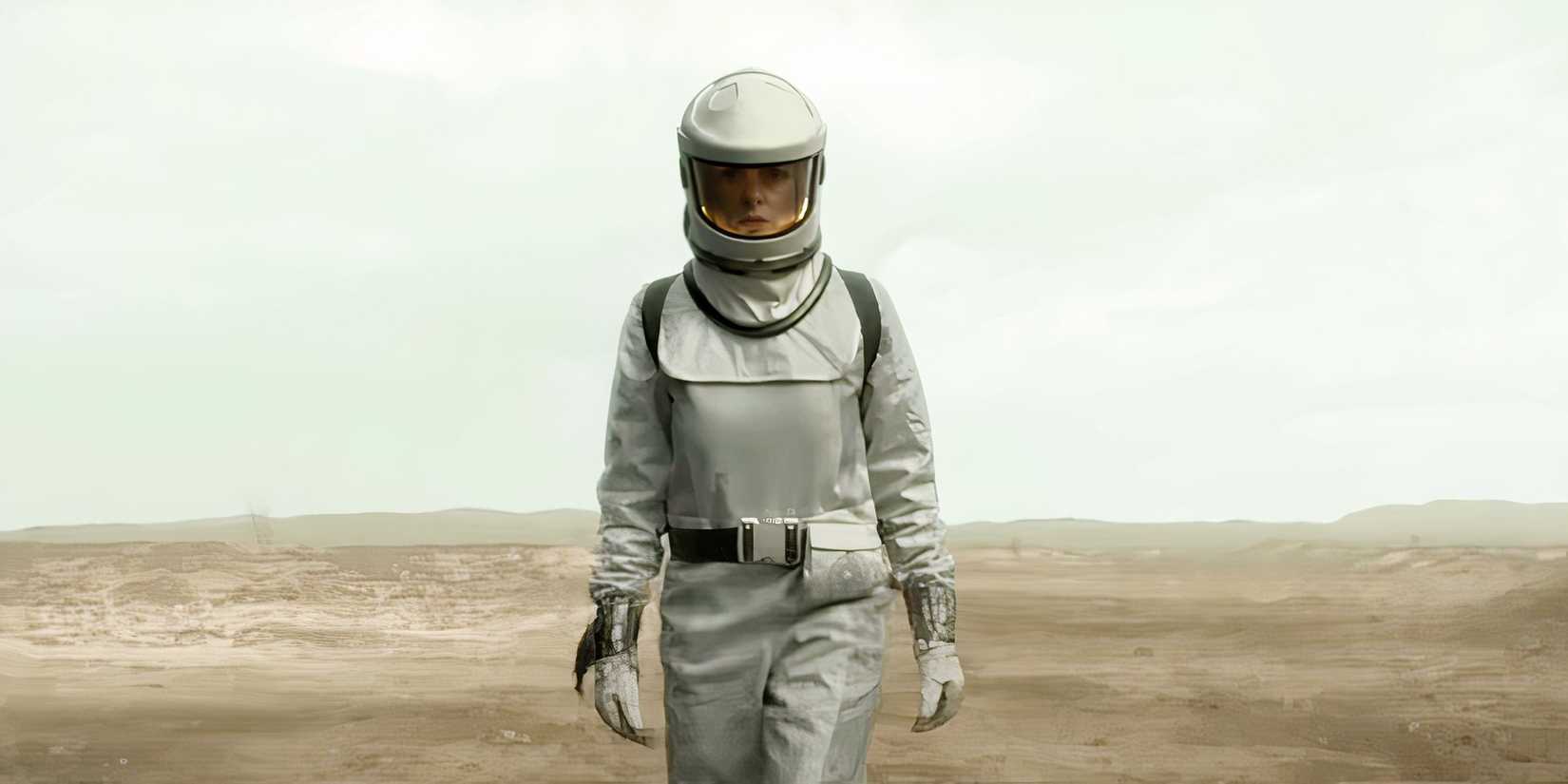
Many consider Silo to be one of Apple TV+’s strongest shows, and it’s easy to see why. Based on Hugh Howey’s novels, the series follows the last humans living in a giant underground silo designed to protect them from a toxic world. When a determined mechanic breaks the silo’s strict rules, she begins a search for the truth. Created by Graham Yost, who also made Justified, Silo proves that science fiction can offer powerful insights into society.
The show Silo creates a detailed and believable world that examines how unfair class systems and wealth gaps can be. It contrasts the lives of the workers and miners living in the difficult conditions at the bottom of the silo with those who enjoy comfortable lives at the top. As the show reveals more secrets, the tension between these groups escalates, and viewers find themselves questioning who to trust, especially with the emergence of suspicious characters in the second season.
Rebecca Ferguson shines as the protagonist, Juliette, making her a character you immediately want to support. Tim Robbins, known for The Shawshank Redemption, delivers a convincingly villainous performance as Bernard Holland, the head of IT who becomes interim mayor. The talented supporting cast – including David Oyelowo, Rashida Jones, Common, and Avi Nash – further immerses viewers in a world of doubt and dishonesty.
The Handmaid’s Tale
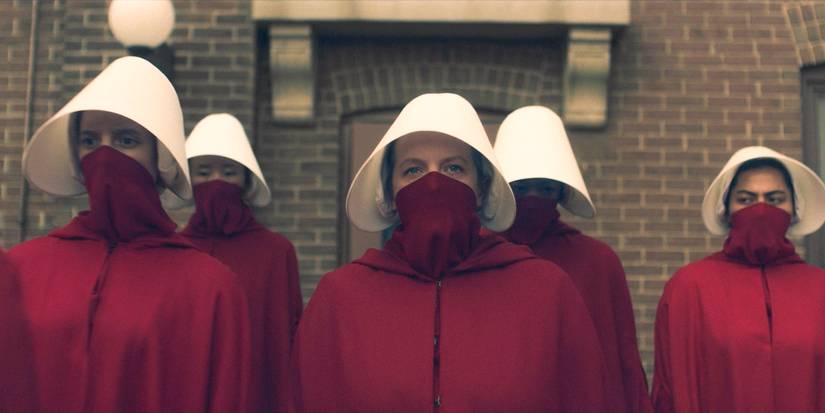
Image via Hulu
TV adaptations rarely live up to the books they’re based on, but Hulu’s The Handmaid’s Tale is a notable exception. The show actually surpasses Margaret Atwood’s already-classic novel. It’s impressive that the series managed to create six incredible seasons using only the material from Atwood’s single 1985 book, demonstrating the high level of skill and creativity involved in its production.
After a devastating second American Civil War, birth rates have plummeted. Fertile women, called Handmaids, are forced into slavery by the new ruling class and compelled to bear children for them. The story follows June, a Handmaid separated from her family, as she fights to reunite with her husband and child by joining a growing rebellion. While based on a novel, the series quickly moves beyond the book, drawing on current events to create a chillingly realistic and expanded vision of a possible future.
Watching The Handmaid’s Tale can be challenging. The show tackles difficult topics like loss of control, unfair power structures, constant monitoring, and women’s rights in a bleak, futuristic world. However, it handles these sensitive subjects with care and ultimately offers a hopeful message about the strength of fighting back and the importance of working together.
Read More
- ‘YouTube Customers Are Suffering.’ Disney CFO Says Company Isn’t Backing Down As Cable Outage Continues
- HBO’s New Drama I Love LA Rotten Tomatoes Score Unveiled
- The Pitt: First Unedited Medical Drama To Air On TNT
- Every Winner at Japan’s Biggest Streaming Anime Trend Awards in 2025
- Hans Zimmer to Score Warner Bros.’ ‘Harry Potter’ TV Series
- How Benedict Differs From Bridgerton’s Other Male Leads, According To Luke Thompson
- IT: Welcome To Derry Co-Creator Says Stephen King ‘Was Mystified’ By The Show’s Three-Season Plan, But There’s A ‘Specific Reason’ For The Approach
- With Frank Grillo Confirmed For Man Of Tomorrow, I Hope It Means The Next Superman Movie Will Include A Specific Peacemaker Crossover
- I Didn’t Think The Mighty Nein Would Spoil The Legend Of Vox Machina, But Episode 4 Dropped An Interesting Reveal
- Star Trek Timeline Eras Ranked: From Worst To Best
2026-03-14 20:12