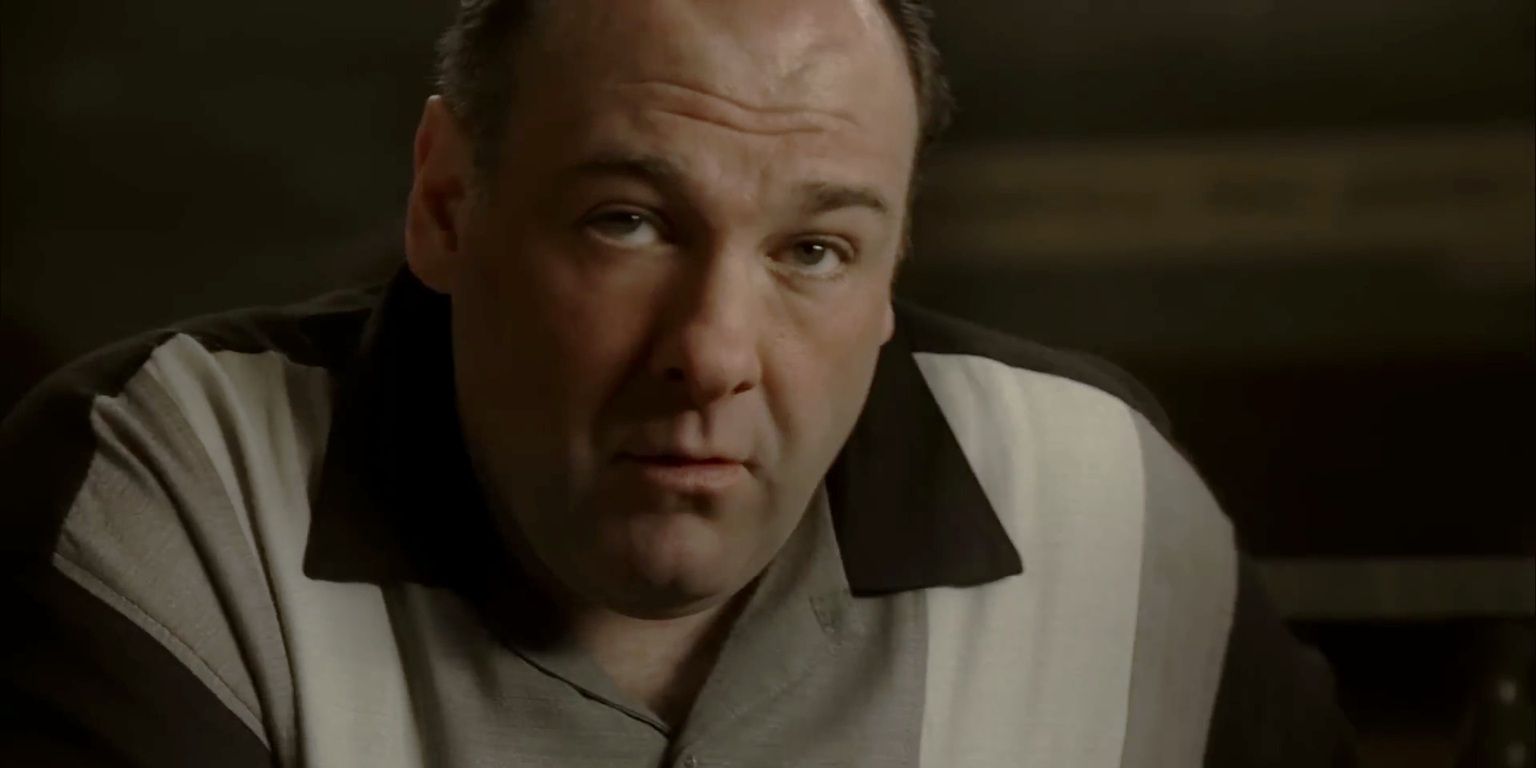
As a huge fan of The Sopranos, I always find it funny how everyone focuses on that shocking cut to black at the end of the finale. But honestly, the whole episode, “Made in America,” which aired on June 10, 2007, is packed with amazing moments. It was the ending we’d all been waiting for – seeing Tony finally come out of hiding and attempt to settle things with Phil Leotardo once and for all. Millions of us watched it, and it was a truly unforgettable experience.
The episode ended with the Soprano family at a restaurant. Tony nervously scanned the room, worried someone might be there to kill him. Just as Meadow arrived and walked in, Tony looked up, and the screen suddenly went black, leaving his fate unknown.
Tony disappeared, and the song “Don’t Stop Believin’” stopped playing mid-song. Viewers watching at home, anxiously waiting to see what would happen to Tony, were left confused. It seemed like the TV signal had been lost at the worst possible moment. Instead, the closing credits began to roll. That was all there was – the show was over. That was the end of The Sopranos.
Reviews of The Sopranos were generally positive, but audience reactions were more divided. Over time, the show’s ending has gained a reputation as brilliantly subtle. It implies what happens to Tony without explicitly showing it. The final scene creates the same sense of anxiety Tony feels – the fear of being killed – and the abrupt cut to black is now seen as representing death, both for Tony and for the viewer.
David Chase, the show’s creator, has intentionally left the ending open to interpretation, meaning viewers can still form their own conclusions. While it’s unclear if Tony is actually killed in the final scene, the ending suggests this is how his life would likely end: unexpectedly, too soon, in a public place, on an ordinary day.
Everyone talks about the controversial final scene of The Sopranos, but the episode as a whole is actually excellent – a nearly flawless Sopranos installment, even if the ending feels a bit sudden. Before the screen goes black, the episode gives us several unforgettable scenes.
The Sopranos Reunite In Their Safehouse

Just before Bobby’s funeral, Tony comes back together with Carmela and their children at their secluded home. By this point in the show, Meadow was living independently, A.J. had been in a hospital for mental health reasons, and Tony and Carmela had briefly separated, making it unusual to see the whole Soprano family together.
I thought it was perfect that the last episode started with the family all together – that’s really what drew me into the show in the beginning. That scene just perfectly showed how everyone acts: Tony always trying to keep things calm, Carmela constantly worrying, A.J. being totally self-absorbed, and Meadow being the one who always tries to make sense of things.
Tony Visits Janice After Bobby’s Funeral
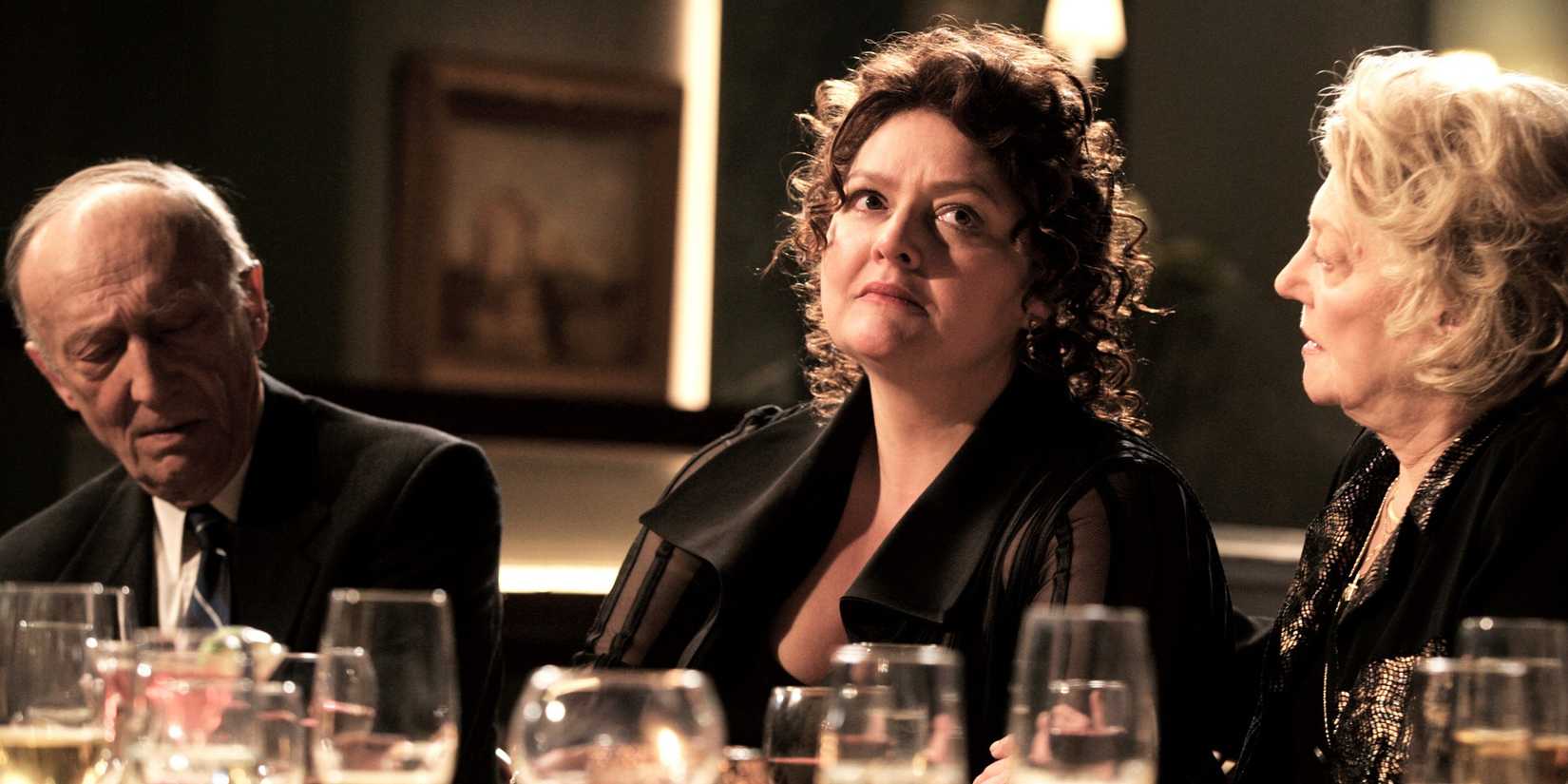
Tony and Janice had a deeply complex relationship, which made their interactions on The Sopranos especially fascinating. Despite often being annoyed with Janice, Tony still cared for her. A particularly poignant moment was when Tony visited her after Bobby’s funeral – she seemed completely unaware of the problems in her own life, like the fact that Bobby’s children disliked her, something Tony clearly recognized.
A.J.’s Car Explodes

Most gangster shows end with a big, explosive climax. But the final episode of The Sopranos takes a different approach, opting for a comedic moment instead. Just as A.J. is about to become intimate with his girlfriend, he discovers his car is on fire and they both quickly escape before it bursts into flames.
Phil Leotardo’s Comically Gruesome Death

Phil Leotardo was arguably the greatest villain in The Sopranos, but also incredibly irritating to watch. Tony deeply disliked him, yet Phil was one of the few people Tony couldn’t control or intimidate. Frank Vincent was brilliantly cast in the role, taking the arrogant attitude he displayed as Billy Batts and amplifying it to an even more unbearable degree.
The series finale delivered a darkly comedic and shockingly violent end for Phil. His death wasn’t just a simple execution; his wife accidentally ran him over with her SUV, crushing his skull. This over-the-top demise perfectly encapsulates The Sopranos‘ often ironic and brutal portrayal of violence.
Paulie Reluctantly Accepts Leadership Of The Aprile Crew

One of the most powerful scenes in the final episode of The Sopranos happens when Tony offers Paulie Walnuts leadership of the Aprile crew after Carlo’s death. Paulie first refuses, knowing the job often leads to a violent end. However, he ultimately accepts, seeming to acknowledge that he’ll likely share the same fate.
Tony Sirico delivers a fantastic performance in this scene. We rarely see Paulie Walnuts show fear, but Sirico subtly portrays his hesitation and underlying vulnerability when considering the job. James Gandolfini perfectly contrasts this as the persuasive force, tempting Paulie with the promise of more money and influence, even if it means risking a dangerous and potentially fatal outcome.
As a movie buff, what really struck me about this show is how perfectly it captures the craziness of the mob lifestyle. These guys are living large – fancy clothes, lots of women, always eating out – but they know it all comes with a huge risk: someone could take them out at any moment. And honestly, they seem okay with that trade-off. It’s a wild concept, but the show really nails it.
Tony’s Tearful Final Conversation With Junior

While the abrupt ending of The Sopranos finale is famously debated, the most powerful scene actually involves Tony’s visit with his Uncle Junior. Tony has been estranged from Junior since Junior shot him, but he’s forced to go see him because he suspects Janice is stealing money that rightfully belongs to Bobby’s children.
When Tony visits Junior at the hospital, it becomes painfully obvious that his uncle doesn’t remember him. Tony regrets not making an effort to see Junior sooner, before his dementia worsened. The scene is a very realistic and moving depiction of the sadness that comes with watching a loved one lose their memory.
This scene features one of James Gandolfini’s most powerful performances. He brilliantly portrays Tony’s grief, while Dominic Chianese, as Junior, reacts with a distant, almost unfamiliar gaze. Tony briefly reveals a tender side, attempting to evoke happier memories in Junior, who responds with a dismissive “Well, that’s nice,” before Tony, visibly upset, walks away.
This scene is arguably the most emotionally powerful moment in all of The Sopranos. While the abrupt ending isn’t universally loved, this touching final conversation between Tony and Junior is enough to make “Made in America” stand out as one of the best series finales ever made for television.
Read More
- Heated Rivalry Star Christina Chang Discusses Season 2 and Handling Fame
- New Chris Pratt Sci-Fi Flop Already Out on Streaming
- Darth Maul Theory Teases The Return Of A Surprising Star Wars Villain In Shadow Lord
- Доллар обгонит колумбийское песо? Эксперты раскрыли неожиданный сценарий
- Disney’s Virtual Queue Returns: Fans Divided Over ‘Walt Disney – A Magical Life’
- Predator: Badlands First Reactions Are In
- Banned Sesame Street Episode: The Wicked Witch’s Scary Appearance
- NBC’s The Hunting Party Is an Instant Streaming Hit After Season 2 Return
- 7 Series Finales Worse Than Stranger Things
- James Cameron Blasts America: Hollywood Billionaire Trashes the Nation That Made Him Rich
2025-12-15 01:11