A new movie version of Bram Stoker’s Dracula is currently in theaters, but it hasn’t been very successful in the United States. The film, directed by Luc Besson, only earned $4.5 million during its opening weekend. While audiences seem to enjoy it, critics are divided, with Rotten Tomatoes reporting a roughly even split in positive and negative reviews (80% versus 54%).
It’s common for movies to divide critics and audiences, and there’s usually no reason to think professional reviewers all share the same negative opinion. However, in this case, many reviews are drawing unfavorable comparisons to the 1992 film by Francis Ford Coppola. Words like “bloodless” and “campy” are appearing frequently, and some critics are saying the movie isn’t frightening. If you’re considering seeing it, it might be worth reading more detailed reviews.
It’s perhaps not surprising that the first thing people notice about Dracula 2026 is its visual style. Many recent horror films, like Coppola’s Dracula, Eggers’ Nosferatu, and Del Toro’s Frankenstein, have used extravagant sets and costumes to compensate for familiar storylines. This new Dracula, however, takes a more understated approach, prioritizing authentic locations and minimizing special effects to create its atmosphere.
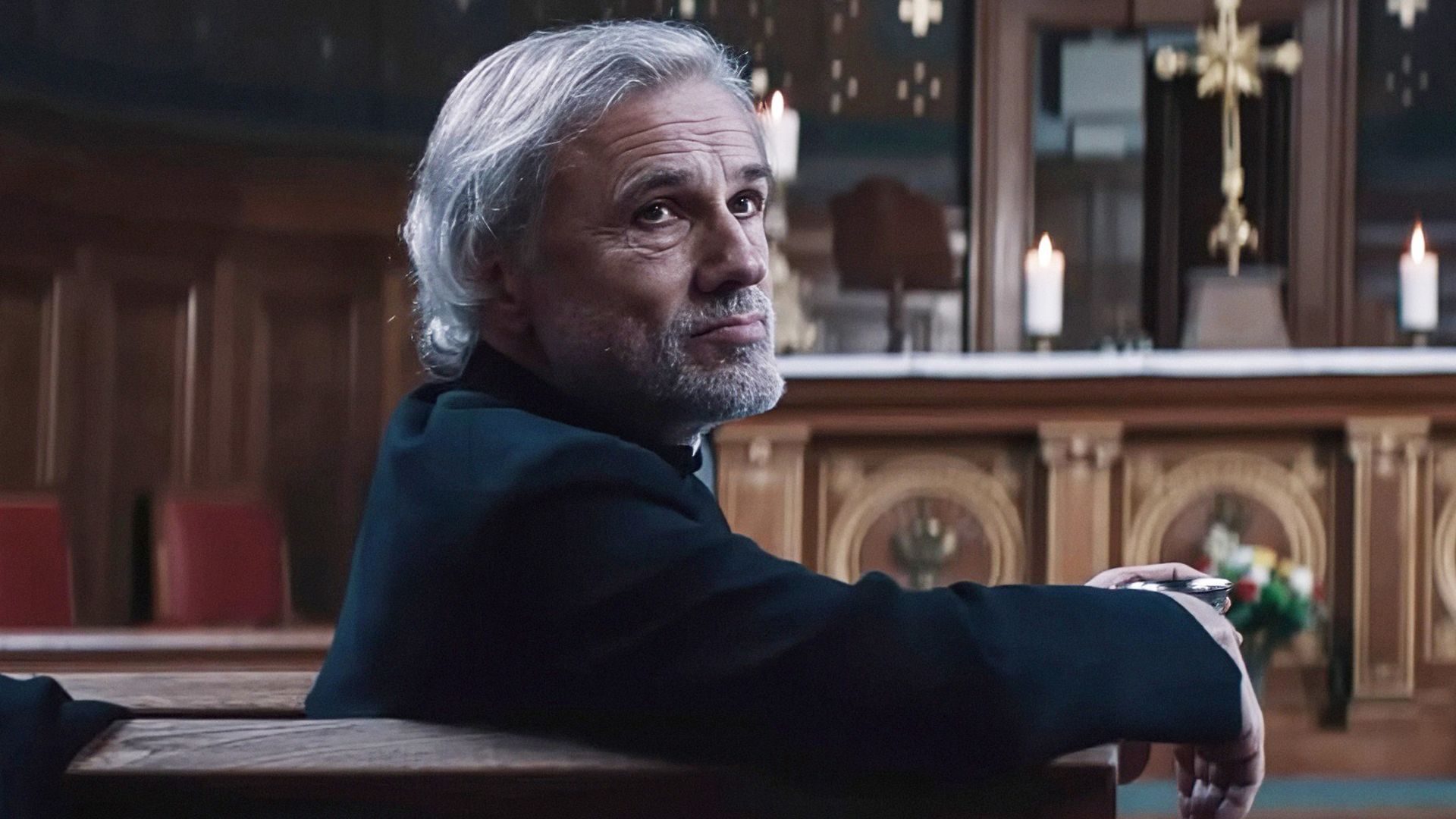
Early in the film, a character resembling Van Helsing – referred to as “Priest” and played by Christoph Waltz – visits a vampire held in an asylum. The cell is shown as large and shadowy, with a single spotlight on the vampire’s white gown and chains, creating a visual style reminiscent of Frank Miller’s Sin City comics. Like the indie game Iron Lung, this stark presentation makes the film’s more fantastical moments stand out. A time-lapse sequence showing Dracula (Caleb Landry Jones) building his wealth over centuries, aided by animated gargoyles, offers a unique contrast to other scenes, preventing the visuals from becoming overly flashy or overwhelming.
One common criticism of the film Dracula is that its tone is inconsistent. It jumps between intense scenes of Vlad leading battles against the Ottoman army and lighter moments showing his older self, known as “Dracul,” playing pranks. This inconsistency also extends to the characters – Jonathan Harker sometimes feels like a joke, and one scene features a shocking attack on a monastery. However, it’s important to remember that movies should be viewed as a whole, not just a list of individual moments.
The film builds on the established legends of Dracula. Its story includes violent vampire attacks, teenagers who are overly interested in comic books, a mother being emotionally controlled, and a silly grandfather character. Without humor, vampire movies—particularly those based on Dracula—can feel overly serious, relying too much on sets and costumes to create interest instead of compelling characters.
Caleb Landry Jones’s take on Vlad/Dracula has sparked debate. Unlike previous portrayals by actors like Gary Oldman, Bill Skarsgård, and Christopher Lee, who often presented Dracula as charming, imposing, or stern, Jones’s performance emphasizes the character’s humanity – suggesting he was once a person like any other.
Many versions of Dracula portray him as a deeply sad figure, cursed to live forever without love. While actors usually emphasize his mysterious, seductive, and violent side, Jones’ performance adds layers of complexity. He shows Dracula smiling, blushing, and struggling with hidden guilt. We also see him genuinely question his own actions when he encounters the latest version of his beloved bride.
The 2026 film Dracula is different from many recent versions. It focuses more on telling a compelling story and developing Dracula’s character than on showing excessive gore or supernatural effects. Instead of simply being a terrifying monster with powers like shapeshifting or exploding in sunlight, this Dracula is a complex character, and the movie delves into his personality in a way few films have before.
This movie follows Dracula’s centuries-long struggle to overcome his loneliness, and the problems that result from his efforts. Whether viewers enjoy the story involving perfume, the origin of his vampire followers, or the idea that Dracula’s destiny is in God’s hands – rather than relying on Mina Harker (Zoë Bleu) – is up to them. However, these creative changes to the classic Bram Stoker story make it stand out from the many other Dracula adaptations.
Many movies portray Dracula with graphic horror, often treating the love story between Vlad and Elisabeta as just a minor detail. This film, however, focuses on their passionate and tragic romance. While some critics have unfairly called it lacking in action, it’s actually full of compelling drama and suspense that will keep you engaged.
Most Dracula stories conclude with Mina using her connection to her past life as Elisabeta to trick the Count and destroy him. Afterward, she’s freed from the curse, allowing her to resume her relationship with her fiancé, Jonathan Harker. However, the new film, Dracula (2026), takes a different approach: Mina’s growing affection for the human side of Vlad raises doubts about her future with Harker—and potentially, the fate of all humankind.
Found an error? Send it so it can be corrected.
Read More
- Heated Rivalry Star Christina Chang Discusses Season 2 and Handling Fame
- New Chris Pratt Sci-Fi Flop Already Out on Streaming
- Whether Dunk Was Really Knighted in A Knight of the Seven Kingdoms Revealed
- Darth Maul Theory Teases The Return Of A Surprising Star Wars Villain In Shadow Lord
- Прогноз криптовалюты OP: прогнозы цены OP
- Jenna Ortega’s 80% RT Netflix Mystery Thriller Is Now More Important Than Ever
- Scott Adams Dead at 68: Remembering the Life, Legacy, and Creative Genius of the Dilbert Creator
- The Night Agent Season 3 Review: An Intriguing Narrative & Excellent Characters Create The Best Season Yet
- Margot Robbie’s Canceled TV Series ‘Pan Am’ Now Streaming for Free
- Superman’s DCU Crossovers That Could Happen in Sequel (Instead of Batman Team-up)
2026-02-13 03:09