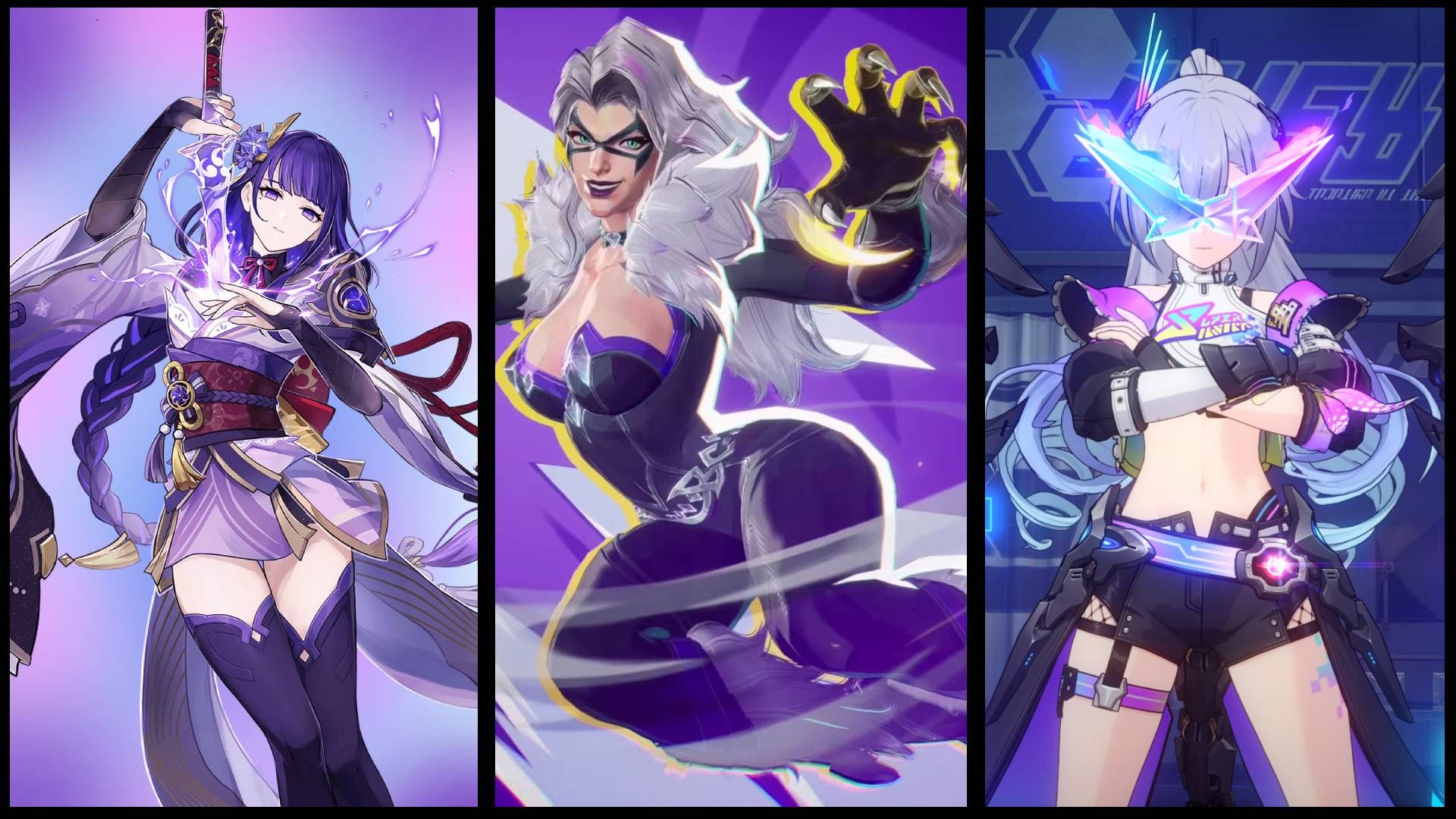
Man, it’s crazy how quickly gaming trends can die. Some go out with a bang, but others just… fizzle. Between 2022 and 2024, we saw a ton of ideas that everyone thought would be huge just completely flop. Like, games like Call of Duty and Apex Legends kept piling on battle passes until players realized it wasn’t worth it and started quitting. And then there was Concord – it barely launched and was already pulled from stores before I even finished installing it. It’s a real gaming graveyard out there.
Many people noticed a growing number of recurring charges on their credit cards and started questioning what they were paying for. While companies believed these subscriptions were here to stay, customers disagreed, canceling services and requesting refunds. Here are five trends already taking hold, and why 2026 will likely be the final nail in the coffin for this subscription model.
Endless Battle Pass Stacking is Officially Dead
The trend of increasingly complex battle passes in video games seems unstoppable, despite widespread criticism. What started as a straightforward, affordable seasonal purchase has evolved into a system where one expensive pass leads to another, even pricier option.
One game completely removed its highest-level progression system, effectively ending access for players, and instead offered smaller, paid upgrades twice a year. In contrast, Genshin Impact and Honkai: Star Rail gradually increased the cost of progression over time.
Across the board, these games share a common fatal flaw: they take the fear of missing out too far. Limited-time offers, poor rewards, and demanding daily tasks create a situation where taking even a single day off feels like a costly mistake.
Players began to feel trapped, much like in an unhealthy relationship, and realized that sometimes the best strategy was simply to stop playing. As a result, fewer people finished the game, the community became very unhappy, and developers started to reduce their efforts – a clear sign that someone internally had admitted the game wasn’t working.
The “Live Service Everything” Mandate is On its Last Legs
Concord failed quickly – it was removed from sale and essentially abandoned before many players even got to try it. Sony reportedly lost around $400 million on the project, a mistake others could have foreseen. Shortly after, Foamstars suffered a similar fate, launching as a live-service game with long-term ambitions but disappearing just as quickly.
Just having battle passes, seasonal updates, and cosmetic items doesn’t make a game good. These are just ways to make money, and they won’t keep players interested if the game itself isn’t fun. Many games have failed despite having these features, and players are now quick to recognize when a game is relying on them more than actually providing a good experience. The problem with ‘live service’ games isn’t the model itself, but that studios keep using it without understanding what makes it successful.
Influence First, Gameplay Second, Marketing Has Frustrated Gamers For Years
While influencer marketing isn’t completely gone, it’s definitely failing. Players are increasingly aware that creators are often paid to promote games, especially those that aren’t very good. It’s become quite clear – the lower the quality of the game, the more money is thrown at getting influencers to talk about it.
Raid: Shadow Legends didn’t become popular as a joke because it was a bad game. It became a meme because the advertisements were so different from what the game was actually like. Once people noticed this, they started pointing it out everywhere.
These days, every time an influencer promotes a game, people wonder what’s being left out or if it’s just a paid advertisement. This has created distrust in what feels genuine versus what’s simply sponsored. Games like Genshin Impact and Apex Legends fostered strong communities naturally, before influencer marketing became so popular, and their success is something newer games haven’t been able to copy.
Subscription Bundle Bloat Has Grown Unbeatable For Gamers
The competition between streaming services has led to many people regretting their choices, especially those who signed up for everything back in 2022. Now, in 2026, they’re facing hefty bills and realizing they overspent, feeling completely overwhelmed.
PlayStation Plus recently changed its subscription tiers, and players quickly questioned whether the new prices were worth it. Meanwhile, Nintendo Switch Online added an ‘Expansion Pack’ requiring extra payment to access classic games from the Nintendo 64 and Sega Genesis, a move that was met with widespread disappointment online.
It was unexpected when Ubisoft Connect appeared, like a latecomer enthusiastically sharing a personal project. Ultimately, all these services fail for the same reason: losing players. Those who remained subscribed simply out of habit eventually checked their unused game library and decided to cancel, a decision no amount of promotional emails could change.
By 2026, only services with a clear purpose will still be around. Those created simply to copy competitors or maintain existing offerings are failing unnoticed, desperately trying to reinvent themselves before it’s too late.
Hyper Aggressive Day One DLC and Deluxe Editions Are Peak FOMO
Day one DLC is like a game company asking players to pay extra for content that should have been included from the start. Traditionally, you bought a game and that was it – a straightforward exchange. But recently, some companies decided to release a basic game and then charge more for additional content, essentially treating the initial purchase as just the beginning.
Many players hadn’t even fully formed opinions on the original game when discussions about Pokémon Legends: Z-A began. It felt similar to a restaurant offering dessert before a customer had even finished looking at the menu. The downloadable content also received criticism, appearing less like extra features and more like parts of the game that were cut out and sold separately.
The Deluxe Edition of Need for Speed Heat was priced so high, and the standard edition was so limited, that it felt like a tactic to pressure players into spending more money. This caused a lot of negative discussion about the game’s pricing at launch, overshadowing any conversation about the game itself and whether it was actually enjoyable.
Read More
- James Gunn on What Makes DCU Unique & Different From Marvel
- The Boys Series Finale Officially Arrives Early (With a Twist)
- Доллар обгонит аргентинское песо? Эксперты раскрыли неожиданный сценарий
- Фунт обгонит канадский доллар? Эксперты раскрыли неожиданный сценарий
- Hogwarts Legacy: Twilight Labyrinth Is The DLC We Always Wanted
- Star Trek: Starfleet Academy Review – The Kids Are Just Okay in Gaia Violo’s School-Set Comedy-Drama
- Доллар обгонит южноафриканский рэнд? Эксперты раскрыли неожиданный сценарий
- The Bear Surprise Releases New Episode on Hulu
- Crispy (2024) Movie Review
- Original Solo Leveling Creator Shuts Down Sequel Series: ‘A Spin-Off Created for Fanservice’
2026-05-11 01:44