Fantasy games offer a lot of different ways to play, and many focus heavily on fighting. However, some RPGs actually reward players for choosing peaceful solutions, like talking things out instead of battling. These games can be surprisingly difficult, but also incredibly rewarding.
These role-playing games don’t just offer more ways to advance the story; they also let players truly immerse themselves in the fantasy world. Talking to characters becomes a surprisingly powerful ability, opening up special opportunities and conversations you wouldn’t find otherwise.
Tyranny Makes Dialogue a Tool of Conquest and Political Authority
In the game Tyranny, words are often more powerful than weapons. Players take on the role of a Fatebringer, responsible for maintaining order in a land that’s been taken over. While some disagreements can be settled through combat, the game heavily emphasizes using conversation and diplomacy to find peaceful resolutions with different groups.
In Tyranny, almost every conversation moves the story forward. You’ll need to carefully manage relationships between different groups – forming shaky alliances, threatening opponents, and subtly influencing friends. Your choices in dialogue matter because each faction will react to your actions, sometimes favorably, and other times with hostility. Unlike many RPGs where conversations simply tell the story, Tyranny makes dialogue a core part of how you play and advance.
Greedfall Captures Colonial Politics Where a Silver Tongue Is More Useful Than the Sword
I recently played Greedfall, and it’s cool how they flipped the script on RPG heroes. Instead of just being a warrior, I was sent as a diplomat to this new island – my job was to make friends and build alliances with all these different groups. What really stood out was that you weren’t always forced to fight! A lot of problems could be solved through talking and negotiating, which felt refreshing. But things were definitely tense; one wrong decision when dealing with factions could easily spark a full-blown war, so I had to tread carefully.
This system makes conversations feel important – they’re not just part of storytelling or acting out a role. Successfully navigating dialogues directly impacts how well players do on quests. Careful word choice and thoughtful responses lead to better rewards, proving that being persuasive is as valuable as fighting skill. Players who enjoyed the detailed dialogue options in Greedfall can expect a similar experience in the upcoming sequel.
Dialogue Is a Meaningful Tool for Quests in The Elder Scrolls III: Morrowind
As a gamer, I always loved how different Morrowind felt from other open-world RPGs. So many games just throw you into cutscenes with limited choices, but in Morrowind, actually talking to people mattered! It wasn’t about picking dialogue options; it was about building relationships with the NPCs and earning a good reputation. If I treated folks right, they’d share info that helped me find quests or even hidden dungeons – it made the world feel so much more alive.
This benefit extends to all the different groups you’ll encounter in the game. Improving your Speechcraft skill lets you convince characters to share important details that help you advance. You might even discover secret societies and new missions just by talking to people!
To climb the ranks within the various guilds in The Elder Scrolls III: Morrowind, players must also deal with a complicated political system. This often means using bribery, flattery, and a high Speechcraft skill. What sets Morrowind apart from other role-playing games is that it actually rewards players for taking the time to talk to people, making dialogue a truly useful and powerful tool – as effective as any spell or weapon.
Planescape: Torment values deep conversations just as much as combat
Planescape: Torment is unique because talking to characters is just as important as fighting. The game encourages players to think creatively and rewards them for finding peaceful solutions to problems instead of relying on combat.
Dialogue isn’t just about advancing the story; it’s a key skill players use to impact the game world. Often, this means players can talk their way out of fights, or persuade characters to join their team, all through the choices they make in conversations.
The writing in this game makes the conversations feel meaningful and impactful. Players who invest in mental skills are given unique dialogue choices that can unlock deeper story details and even alternative ways to finish quests. Ultimately, Planescape: Torment stands out because it treats conversations with the same importance as fighting.
Dragon Age: Origins Has the Player Uniting a World Beset by Political Turmoil
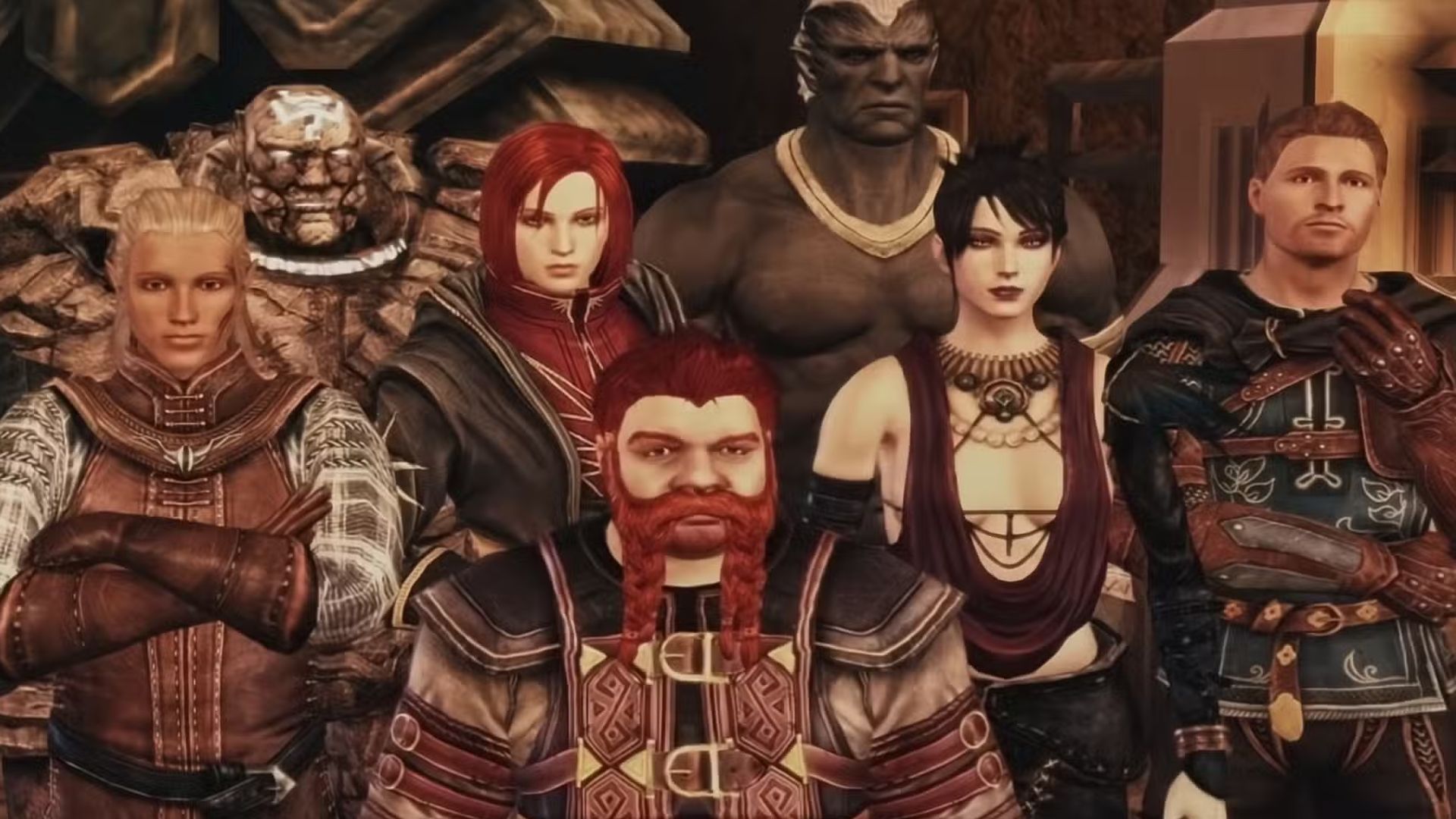
Dragon Age: Origins is celebrated for its exceptional dialogue and storytelling. The game challenges players to build an alliance from warring factions to face a devastating danger. This requires careful negotiation and finding common ground, often by mediating conflicts.
Investing in persuasion skills can be incredibly effective for bringing people together, often leading to more positive results when choices have serious consequences. Talking and negotiating are just as important as fighting; they determine who joins your team, who becomes an ally, and how your relationships with companions develop.
2026-07-28 06:37