Mystery shows are consistently among the most beloved and watched programs on television. Their strength lies in compelling stories that draw viewers in with puzzles, unanswered questions, and crimes that demand resolution. However, some mystery shows stand out for being particularly complex and difficult to follow.
Many mystery shows challenge viewers with hidden clues, puzzles, and codes that unlock deeper understanding of the story’s world and history. Some storylines are just incredibly complex and require close attention. And a few shows are so intricate, they almost demand viewers be exceptionally intelligent to follow the plot, unravel the mysteries, and understand all the hidden details.
The Lost Room Is a Captivating and Intriguing Miniseries
This short, three-episode series is designed to be thought-provoking and leave you questioning everything you see. It’s a difficult story to summarize without spoiling the surprises, and even after watching, many questions and intriguing details will remain unexplained.
The miniseries The Lost Room follows Detective Joe Miller (Peter Krause) as he desperately searches for his daughter, Anna (Elle Fanning). She’s been taken into a strange and perilous room filled with unusual Objects, each possessing unique powers when outside the room. The key to accessing this mysterious room is itself one of these Objects.
The Lost Room is a short series, with just three episodes that each run for 90 minutes. While it leaves many questions unanswered, that’s actually part of what makes it so captivating – viewers are encouraged to piece together the mystery themselves. The story centers around a strange room located within the Sunshine Motel, a room that appears to defy reality.
Something happened that completely wiped out Room 10 of the motel, and everyone has forgotten it ever existed. Luckily, there’s a Polaroid photo that shows what the room looked like before it disappeared.
The Room isn’t just a space – it’s a gateway. When someone leaves, they can step out anywhere in the world the person holding the Key imagines. There’s a lot of detailed backstory and rules surrounding the Room and its special objects, but the best way to grasp it all is to watch the miniseries itself.
“The Lost Room” has a complicated plot that can be hard to follow, and it often requires viewers to really pay attention. Even with full concentration, some people might still feel confused by the end. While the show is mentally demanding, it’s ultimately very rewarding.
Dark Explores Time Travel and Its Paradoxes
Time travel in fiction can be exciting, but often creates inconsistencies. The truly great shows that explore this concept carefully consider all the implications, crafting a cohesive and engaging story, even if it’s complex. Dark is a prime example of this.
Dark is a German sci-fi mystery thriller that immediately dives into the idea of time travel. The show establishes that time isn’t straightforward – the past, present, and future aren’t separate. The story begins with the disappearance of a boy named Erik Obendorf, unsettling the people of the small town of Winden.
The show immediately feels confusing, raising more questions than it answers with each new episode. It centers around time travel and the tricky paradoxes that come with it. When another boy disappears, the mystery begins to link together four families and a story that unfolds over many years.
With a large cast of characters and a complex plot, Dark can be confusing to watch. It demands close attention to each character, their background, and how they connect to the central mystery. Even then, fully grasping all of the show’s themes will likely require careful thought and analysis.
As a critic, I found Dark to be much more than just a sci-fi thriller. Yes, the time travel is clever, but what really grabbed me was its focus on people and their relationships. The show brilliantly examines how every choice we make ripples outwards, impacting everyone around us. It doesn’t shy away from big questions either, tackling tough subjects like faith and even diving into philosophical ideas about whether we truly have free will and what it all means. It’s a thought-provoking watch that stays with you long after the credits roll.
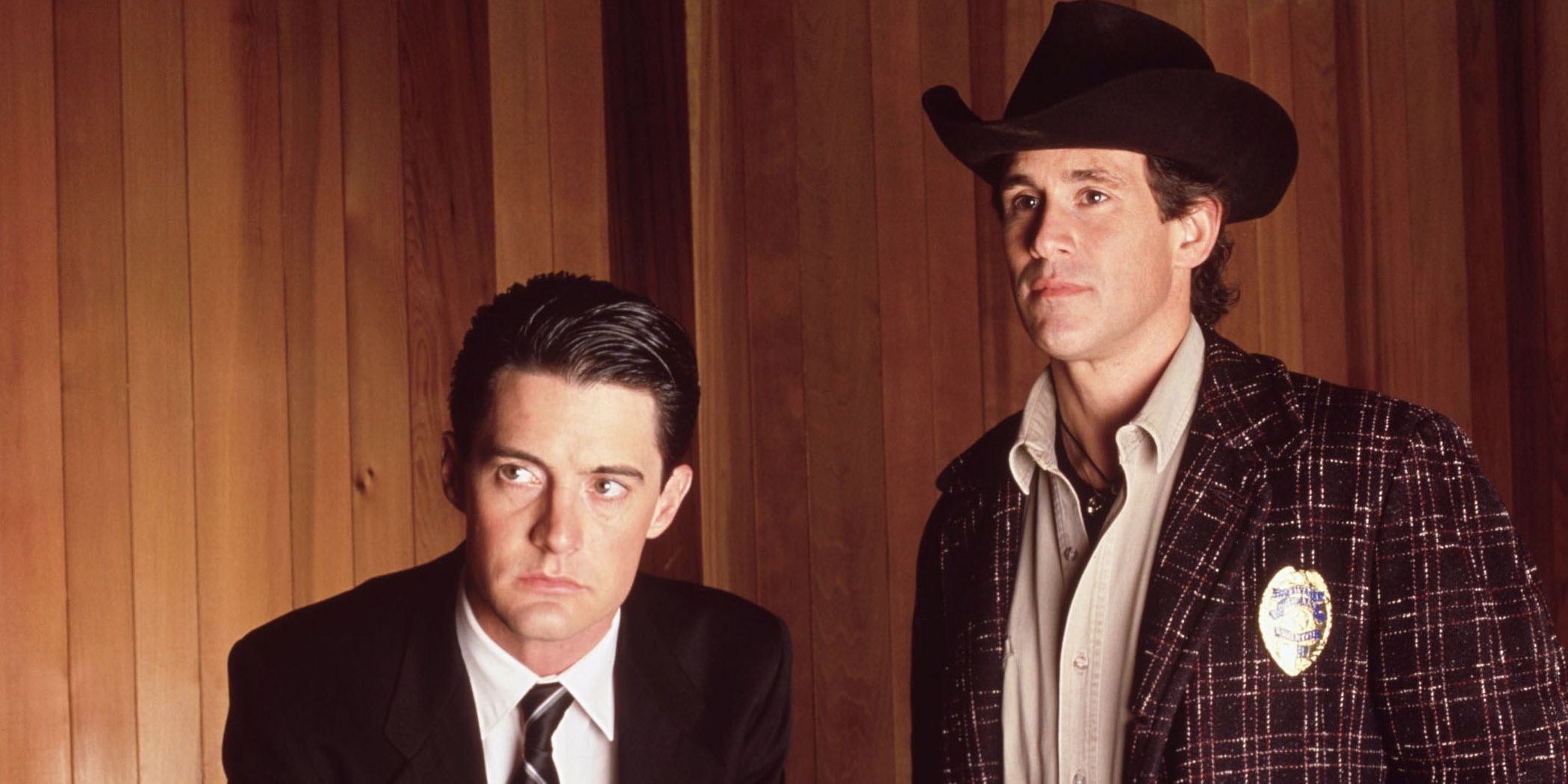
Twin Peaks Is a Detective Mystery with Supernatural Themes
The writing is exceptionally clever, and it’s easy to see why this series is so beloved. It begins like a traditional detective story, with FBI Agent Dale Cooper arriving in Twin Peaks to solve the murder of Laura Palmer. But Twin Peaks quickly becomes something far more complex and unusual.
Initially a murder mystery, Twin Peaks quickly transforms into something far stranger, incorporating visions and puzzling dreams that build a rich, complex world. The show becomes truly unique, constantly introducing new questions even as it resolves old ones, and this only enhances its quality.
Twin Peaks is packed with puzzles, subtle connections, and secrets that are easy to overlook on a first viewing. It’s a show that rewards careful attention, with layers of symbolism, complex themes, and numerous references woven into each episode, all presented within a thrilling and immersive experience.
Whether it’s beings from other dimensions taking over people and forcing them to commit terrible acts, or Cooper’s prophetic dreams guiding him towards the truth, Twin Peaks remains a baffling and enigmatic show. Even thirty-five years after it first aired, it still sparks discussion and inspires countless fan theories.
Every detail in the show—from the settings and characters to the costumes and conversations—could potentially be a secret hint or part of a larger puzzle. Although Twin Peaks didn’t initially find a large audience, it has since gained a devoted following and become a beloved cult classic.
Fringe Included Codes That Many Viewers Missed
Initially, Fringe started as a show with self-contained mysteries each week. However, it quickly evolved into a more complex, ongoing story blending science fiction and intrigue. The series centers around the FBI’s newly established Fringe Division, which investigates bizarre and unexplainable events that appear to be linked to an alternate reality. It was co-created by the same person who brought you Lost.
Subscribe for deep dives into baffling mystery TV shows
Subscribe for deep dives into baffling mystery TV shows
By signing up, you’ll receive our newsletter and promotional emails, and agree to Valnet’s Terms of Service and Privacy Policy. You can stop receiving emails at any time.
As a big sci-fi fan, I really got into Fringe. It centers around Olivia Dunham, an FBI agent who gets pulled into the Fringe Division – a team dedicated to investigating the weirdest, most unexplainable cases. She works with the brilliant but eccentric scientist Walter Bishop and his son, Peter. What starts as investigating strange, isolated incidents quickly spirals into something much bigger, involving a parallel universe and all sorts of dimensional craziness. Later on, the show actually jumps back and forth between these two universes, which is a wild ride!
Okay, so the core story is definitely complex – it really makes you think. But what truly sets this show apart is its incredible depth. They built this whole secret world with its own mythology, and even hid codes right before the commercial breaks! Seriously, only the most dedicated fans managed to crack them, and those codes actually contained clues about what was coming up. It wasn’t just Easter eggs; it was an interactive puzzle woven into the narrative.
As a movie critic, I’ve seen a lot of strange imagery, but these glyphs… they’re truly unsettling. They depict natural objects, like apples, but with deeply disturbing alterations – think human embryos where the seeds should be. For ages, people have been trying to crack the meaning behind them, throwing out all sorts of theories. Finally, someone claims to have deciphered the code, and the internet has exploded with people eager to learn the answers to this long-held mystery. It’s a fascinating, if creepy, puzzle that’s captured everyone’s attention.
The show Fringe was full of hidden details, even in its opening credits. The title sequence actually changed in Season 3 to reflect the show’s new focus on two different universes. These small touches contribute to the show’s complexity – for example, a simple color shift from blue to red could indicate which universe an episode is set in.
At first glance, Fringe seems like a show you can simply watch and enjoy. But if you really start to pay attention to the deeper story, hidden meanings, clues, and coded messages, you’ll find it’s a very complex series that might take a clever viewer multiple tries to fully understand.
Read More
- Прогноз криптовалюты SKY: прогнозы цены SKY
- Серебро прогноз
- Прогноз криптовалюты ADA: прогнозы цены ADA
- Black Phone 2 Ending & Grabber’s Fate Explained
- A Merry Little Ex-Mas Review: Netflix’s New Rom-Com Is Worth Adding to Your Holiday Watchlist
- Евро обгонит дирхам? Эксперты раскрыли неожиданный сценарий
- Прогноз криптовалюты NEAR: прогнозы цены NEAR
- Darth Maul Returns: Disney+ Unveils Groundbreaking 2026 Series!
- Superman’s DCU Crossovers That Could Happen in Sequel (Instead of Batman Team-up)
- Superman 2025 Secretly Sets Up A Justice Society DCU Movie
2025-12-28 05:42