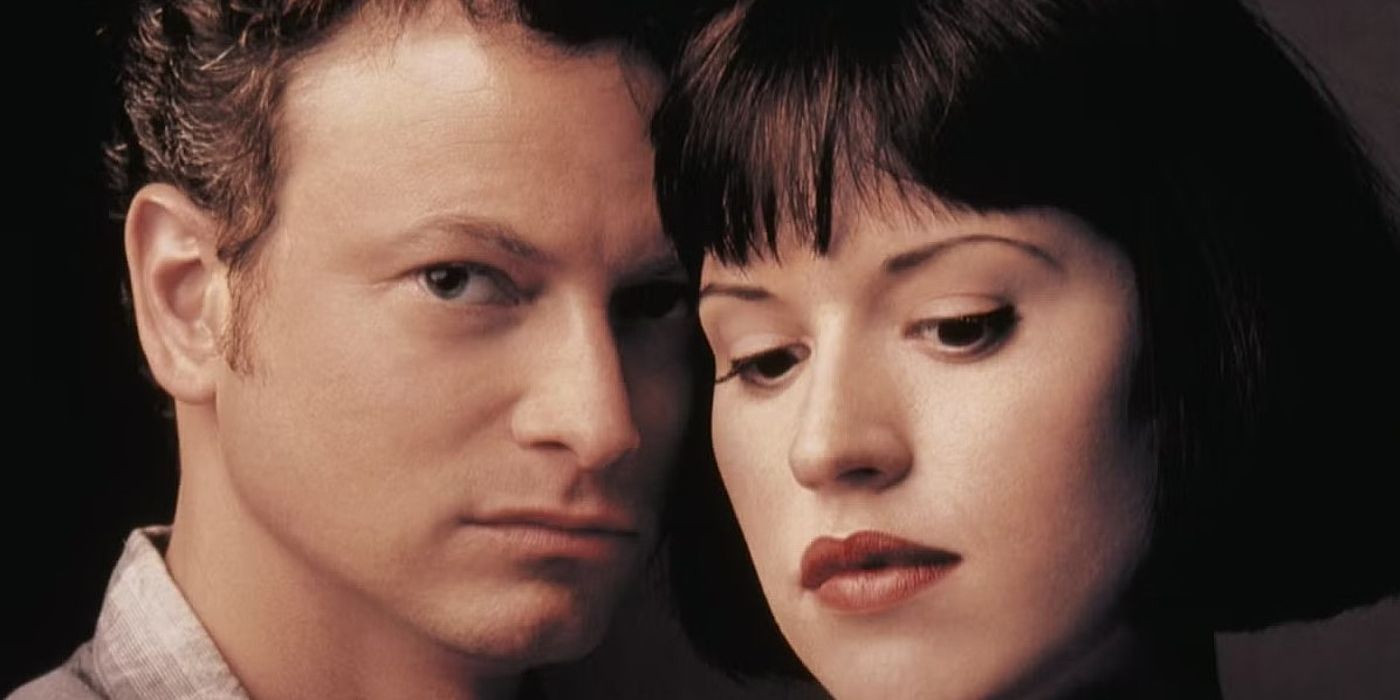
Stephen King‘s stories have been adapted for the screen over 100 times, making it hard to choose the best one. Generally, longer and more complicated King novels translate well as miniseries, as they tend to capture the details and character arcs more effectively. The 1994 miniseries, a four-part, 366-minute adaptation that originally aired on ABC, is a prime example of this.
Stephen King’s epic novel, The Stand, a 1,152-page story about the battle between good and evil after a devastating plague wipes out most of humanity, was adapted into a miniseries. The series won two Emmy Awards for its makeup and sound, and received three additional nominations. While critics gave it a 67% rating and viewers a 72% on Rotten Tomatoes, many felt that squeezing such a long book into just four episodes was a challenge. Despite this, The Stand remains the most successful of King’s miniseries adaptations, even after 32 years.
The Stand’s Budget Matched the Book’s Epic Story
With a budget of nearly $28 million, The Stand was a very expensive TV event for its time. The miniseries featured a star-studded cast of acclaimed actors – many of whom had been nominated for Emmys or Oscars – and was directed by Mick Garris, known for films like Critters 2 and Stephen King’s Sleepwalkers.
The series featured a talented main cast including Gary Sinise, Molly Ringwald, Jamey Sheridan, Ruby Lee, Ossie Davis, Miguel Ferrer, Matt Frewer, and Shawnee Smith. It also included fun cameo appearances by well-known faces like Sam Raimi, Ed Harris, Jeff Goldblum, Kathy Bates, John Landis, and even the director himself.
Beyond the strong performances and well-developed characters, the most impressive aspect of The Stand is its groundbreaking special effects. Depicting a global pandemic on television was a huge challenge, particularly when digital effects weren’t as advanced or believable as they are today.
The miniseries The Stand boasted a highly skilled team of artists and technicians, many of whom had previously worked on blockbuster films like Jurassic Park, Starship Troopers, Sleepy Hollow, Jumanji, Deadpool, and Hereditary. This level of dedication and high production value is rarely seen in television events today.
Epic productions like this one were once primarily seen on major streaming platforms such as HBO Max and Disney+. Though made over thirty years ago, much of the miniseries still holds up well today, proving that significant investment and commitment can create truly memorable content.
Hollywood Can’t Seem to Recreate The Stand’s Success
Following the conclusion of the 1994 series, it took twenty years for another installment to be considered. In the early 2010s, as two-part movies became popular, Warner Bros. began talking to various directors about potentially helming a new multi-film project.
Originally, Ben Affleck was going to direct the films, and David Kajganich, known for his work on The Terror, was writing the script. However, Affleck had to leave because of scheduling conflicts, and the project was put on hold. Later, Scott Cooper was considered as a director, but the films were ultimately postponed in favor of Andy Muschietti’s IT films, which came out in 2017 and 2019.
Because those films were so financially successful – they’re actually the highest-grossing horror movies of all time – there was renewed interest in adapting The Stand for the screen. In 2020, it was decided that a new miniseries on Paramount+ would be the best way to bring the story back to audiences.
Josh Boone and Benjamin Cavell (from Justified) led the production and gathered a talented group of experienced actors like James Marsden, Whoopi Goldberg, and Alexander Skarsgård. Despite the strong cast and impressive practical effects, most viewers found the story itself to be disappointing – it was disorganized, confusing, and didn’t present events in a clear order.
Despite a recent adaptation, fans of Stephen King’s novel remain disappointed and continue to request a version that lives up to the acclaimed 1994 miniseries. Now, Paramount Pictures is planning another remake – this time as a film – and has hired Doug Liman, known for directing Edge of Tomorrow, to direct.
2026-07-21 03:39