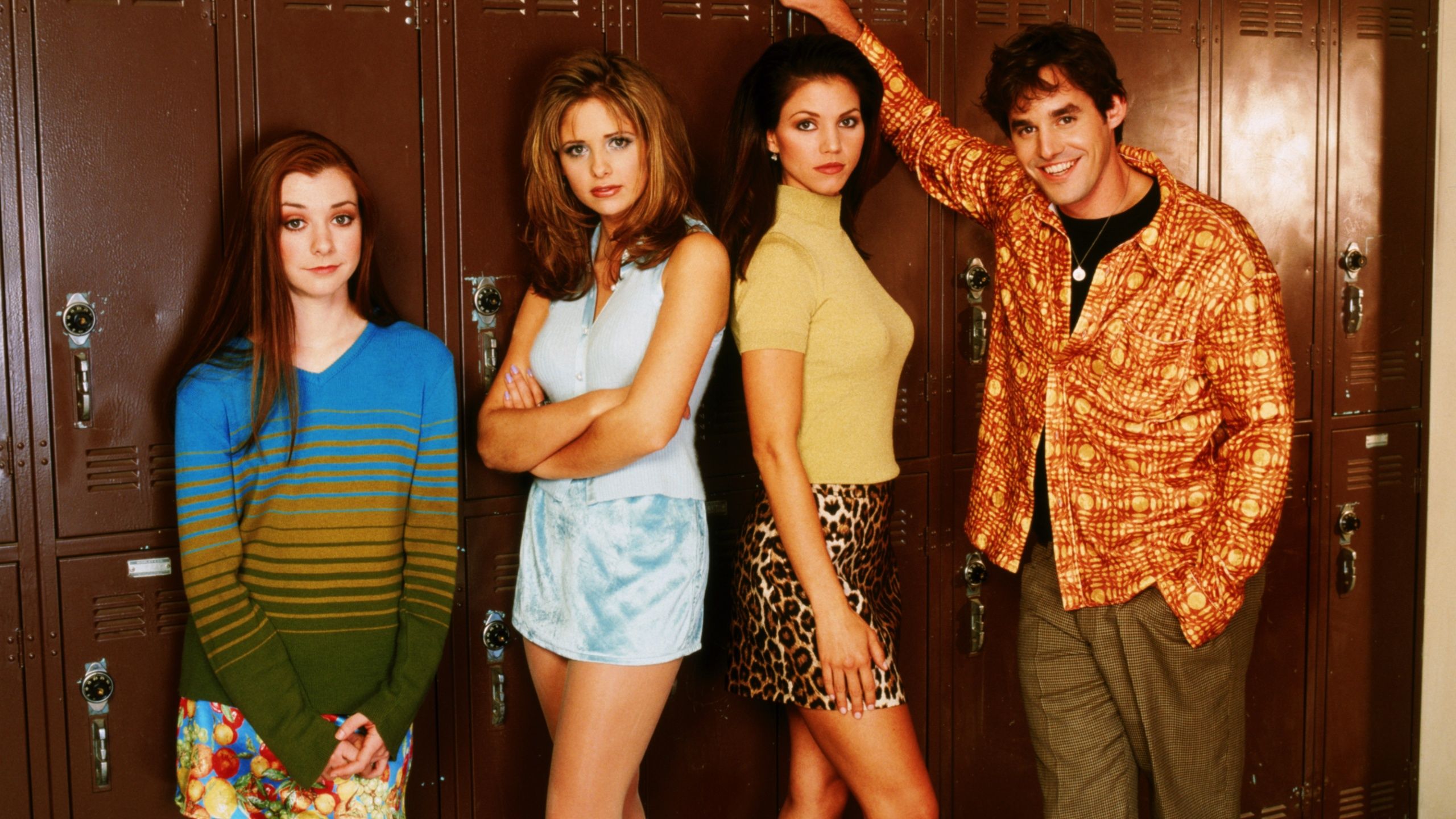
The TV show Buffy the Vampire Slayer famously opens with the idea that each generation has a special hero. And for many generations now, Buffy Summers herself has become a pop culture icon. The show premiered on March 10, 1997 – 29 years ago today – and it completely changed television with its story of a seemingly ordinary teenage girl battling monsters.
Honestly, looking back, it’s amazing Buffy even got made! It was actually the second attempt at telling this story – the 1992 Buffy the Vampire Slayer movie didn’t do well at all, and nobody really knew if mixing teen drama with horror would actually work. It was a really risky idea!
Similar to how people initially underestimated the Scooby Gang, Buffy the Vampire Slayer ultimately became incredibly popular and influential. Despite a shaky start, the show demonstrated hints of its future greatness even in its first season. Over time, the teen drama landscape has changed a lot, and Buffy the Vampire Slayer is largely responsible for keeping the genre culturally relevant.
Buffy The Vampire Slayer Changed The TV Landscape When It Debuted In 1997
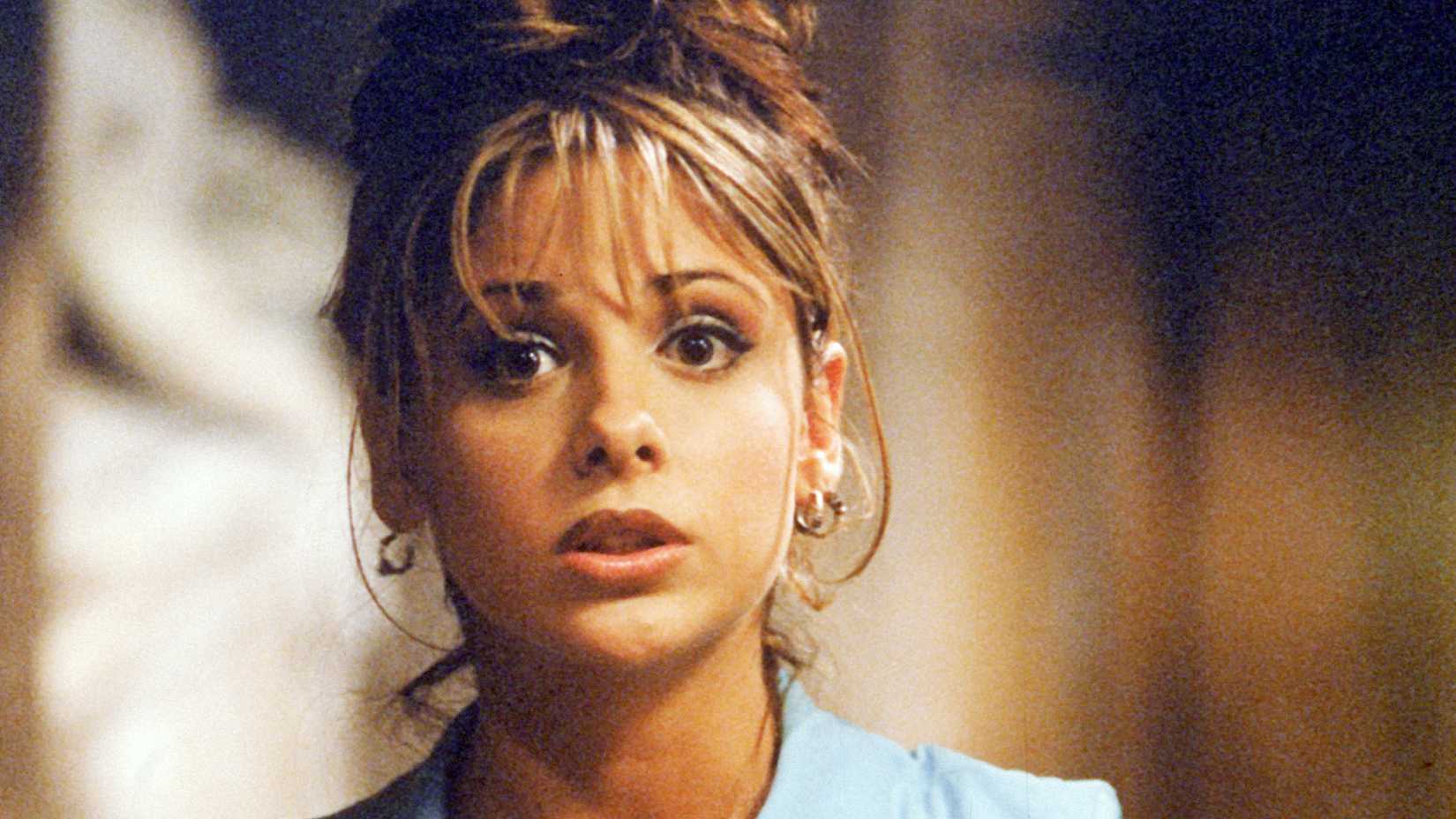
The decision to blend horror with a teen drama wasn’t a random experiment for Buffy the Vampire Slayer; it was central to the show’s entire concept. Buffy wasn’t simply about a girl battling monsters while navigating typical teenage problems—the monsters represented those very problems.
The show Buffy the Vampire Slayer cleverly used the relatable idea of “high school as hell” to connect with teen viewers, allowing them to see themselves in the characters battling monsters and evil. The first season episode “Witch” isn’t simply a story about a dangerous supernatural threat to cheerleaders; it explores the intense pressure some parents put on their children. Similarly, the premise of the episode “The Pack”—where teenagers are possessed by hyena demons—sounds absurd, but it effectively illustrates the damaging effects of peer pressure.
Beyond the exciting action of nerdy high school students fighting vampires and other creatures, Buffy the Vampire Slayer created a captivating world through its distinctive dialogue. Often called “Buffy speak” or “Slayer speak,” the show featured clever, fast-paced conversations filled with jokes and references to popular culture. What made it special was that the teenage characters spoke with the same intelligence and expressiveness as adults, but in a way that felt completely natural to them.
Buffy wasn’t just a skilled fighter; her personality made her a true icon. She had a unique way of facing terrifying situations – with a casual, witty, and very ’90s attitude. Her famous line, “If the apocalypse comes, beep me,” perfectly captures both her character and the show’s distinctive voice.
I’ll always be grateful for Buffy. Before it, teen dramas were often dismissed as just over-the-top melodrama. But Buffy changed everything! It proved they could be anything – like The Vampire Diaries, which blended teen angst with a supernatural romance, or Veronica Mars, which felt like a cool detective story. Even now, people don’t always appreciate these shows, but Buffy the Vampire Slayer made it okay – even cool – to be a fan.
Buffy The Vampire Slayer Set New Standards For Teen Dramas
Joss Whedon created Buffy the Vampire Slayer to challenge the typical horror trope of the helpless blonde victim. Instead of a blonde woman being chased and killed by a monster, Buffy flipped the script – she was the one doing the hunting.
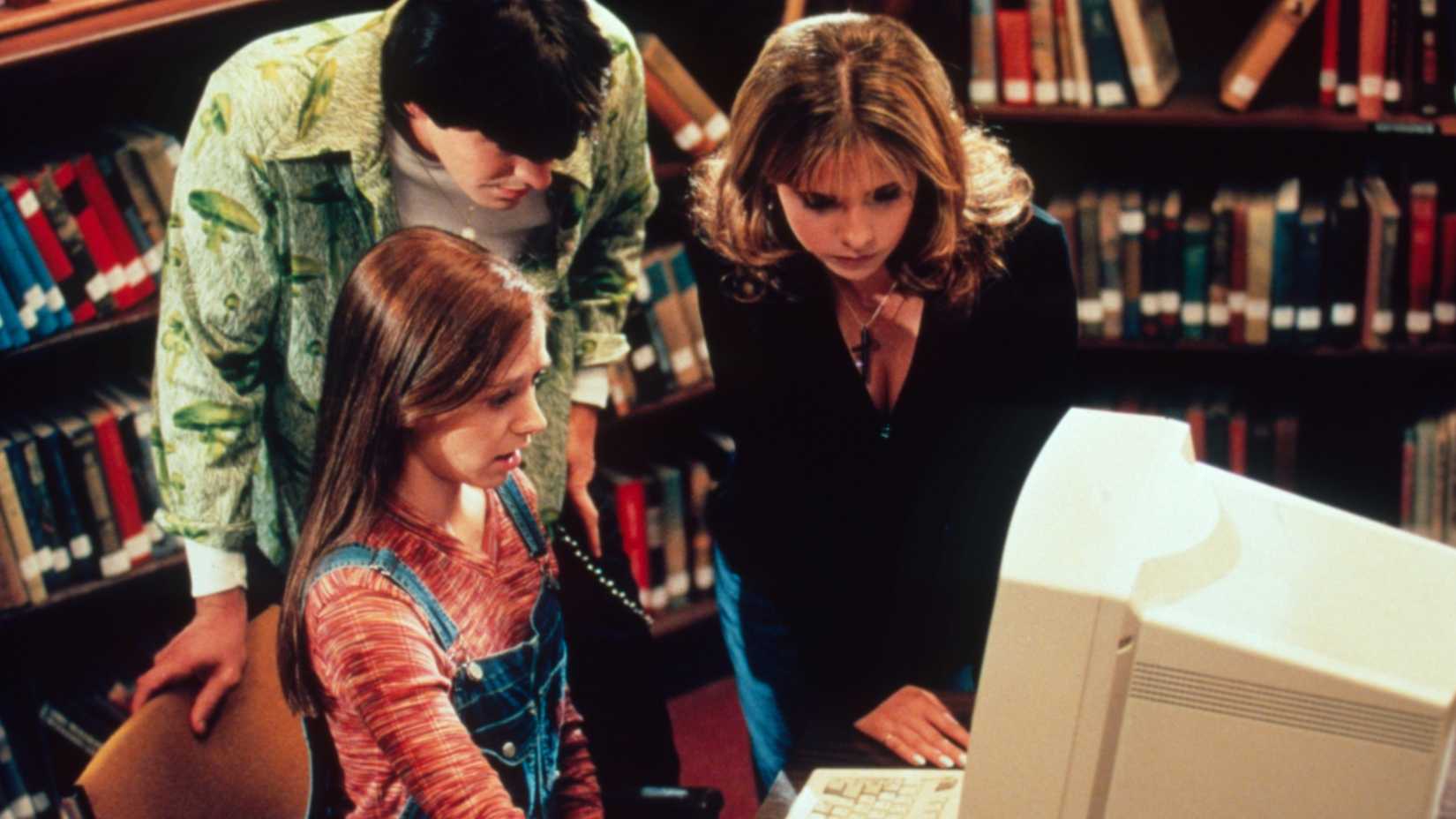
Turning Buffy into a TV series opened the door to cleverly challenging common teen stereotypes. The show featured familiar high school characters – the popular mean girl, the awkward boy, the shy outsider, and so on – but it went beyond simple labels, giving each character depth and complexity beyond those typical roles.
Cordelia Chase starts out as a seemingly heartless and unkind character, but she quickly became popular with fans and even seen as a feminist role model because she was always honest and true to herself. Meanwhile, while it’s easy to point out all of Xander Harris’s flaws, his character was designed to show how loyalty and a unique perspective can be valuable, and that everyday people often have more worth than they think.
I always connected with Willow Rosenberg the most. Everyone wanted to be Buffy or Cordelia, all strong and confident, but honestly, I think most of us saw ourselves in Willow. She seemed so quiet and a little awkward, always a step behind, but it quickly became clear she had incredible power within her. She wasn’t destined to stay in the background at all!
Willow started out as a shy character who had to work hard for everything she achieved, including finding a great boyfriend like Oz and developing her magical abilities. Over the course of Buffy the Vampire Slayer, she transformed from an insecure teenager, often dressed by her mother, into the most powerful character on the show.
Before Buffy, TV shows for teenage girls usually focused on romantic relationships. While Buffy included romance, it showed girls wanting more out of life. The characters valued things like fighting monsters and having strong friendships, alongside having a boyfriend or girlfriend.
At a time when many TV shows pitted young women against each other for boys’ attention, the friendship between Buffy and Willow stood out as one of the best ever seen on television. Buffy empowered teenage girls to expect more, both on screen and in their own lives.
Buffy The Vampire Slayer’s Lasting Legacy Explained
While Buffy was definitely an innovative show for its time, many others were too, but haven’t stayed popular for nearly three decades. What made Buffy the Vampire Slayer truly special was that it allowed those who weren’t usually heard to finally have a voice.
Though known for her looks and fighting skills, Buffy Summers was a surprisingly complex character. She wasn’t just a typical action hero; she was flawed and often felt vulnerable. Her greatest strength wasn’t physical power, but something everyone possesses: a strong sense of who she was. Throughout the series, Buffy faced constant pressure to conform and was often told her beliefs were unimportant.
Buffy often ignores the expectations placed on her as a vampire slayer. While she constantly makes sacrifices to protect the world, she also enjoys a normal teenage life – dating, going to school dances, and building strong friendships. It’s actually these friendships that give her the strength to repeatedly save the world, even though she’s often told she has to fight evil alone. Ultimately, Buffy shows us that the fate of the world rests on the shoulders of a young woman who trusts her own judgment, a theme that still feels relevant today.
Willow’s spell, which gave everyone the potential for Slayer powers, essentially challenged the idea that only one person could be special. But Buffy had been subtly doing that all along. While Buffy had the main superpowers, the entire Scooby Gang demonstrated that you don’t need to be “chosen” to be a hero and have an impact.
Beyond simply helping unpopular teens feel better, Buffy connected with those who felt like outsiders in a way that very few shows have. Even early in the series, when all the main characters appeared straight, Buffy hinted at LGBTQ+ themes through its focus on feeling different, keeping secrets, and challenging traditional gender expectations.
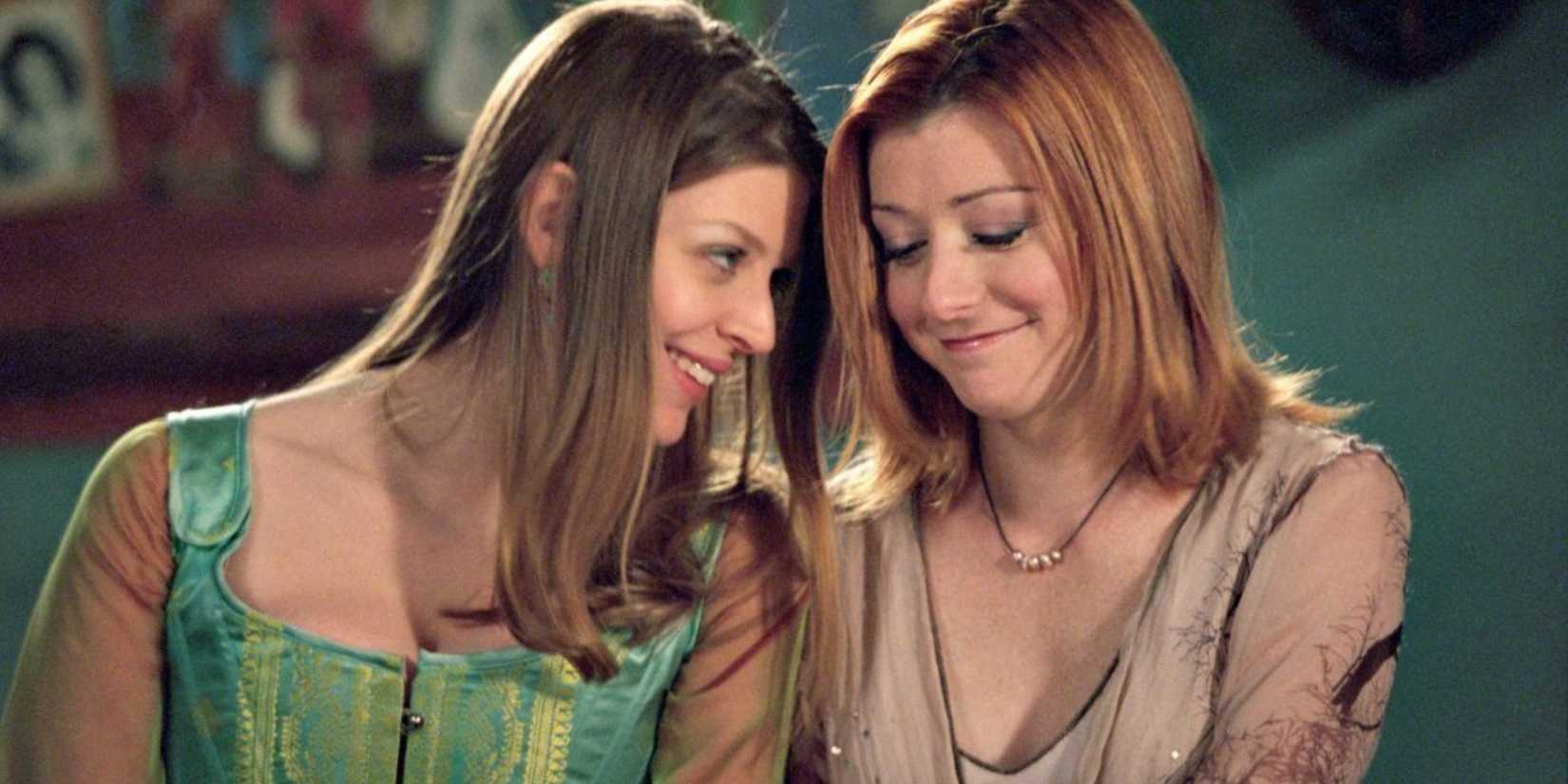
Willow’s coming out as gay in season four, and her subsequent relationship with Tara—the first long-term lesbian couple on prime-time TV—was a landmark moment that continues to resonate today. While some elements of Buffy the Vampire Slayer haven’t held up well over the past 29 years—including Tara’s tragic death—the show’s positive impact is far greater than its flaws.
Buffy The Vampire Slayer’s Return Proves How Important The OG Series Still Is
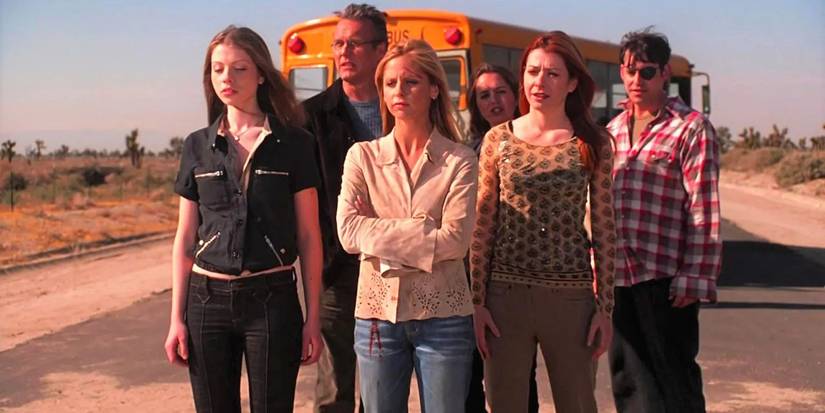
It’s common for successful TV shows to be brought back after a few years. In fact, it’s almost unusual if they don’t get a second chance. However, while many reboots simply try to make money by relying on viewers’ fond memories, the new Buffy the Vampire Slayer series seems genuinely promising.
Honestly, I’m most excited about Sarah Michelle Gellar coming back as Buffy in this revival, which they’re calling New Sunnydale. But it’s not just a nostalgia trip, apparently. The creators have said they want to show how Buffy and her friends actually improved the world, and also remind us that those classic themes of growing up – and how awful high school can be – still resonate with everyone, no matter what generation you’re from.
The upcoming New Sunnydale offers a chance to address some of the issues with the original Buffy the Vampire Slayer. While Buffy remains a landmark show for feminism, it unfortunately contained some casual sexism and lacked diversity, reflecting the limitations of its era. New Sunnydale aims to improve upon these aspects.
The new series is being created by Chloé Zhao, the Oscar-winning filmmaker behind Nomadland, so fans of the original Buffy the Vampire Slayer can expect it to be in capable hands. While the new tagline, “When the apocalypse comes, FaceTime me,” doesn’t quite capture the magic of the original, Buffy is so iconic that its place in pop culture is secure.
Read More
- Underrated Shudder Horror Movie Becomes Global Streaming Hit After Quiet Theatrical Release
- Disney and YouTube Dispute Explained: Why Subscribers Are Unhappy
- Xochitl Gomez Joins Boston Blue in Key Role
- 3 Must-Watch Movies On Prime Video This Week (October 27-30)
- Memory Holed: 2018’s ‘The Predator’ Is So Bad You Forgot It Existed
- Mark Waid and Salvador Larroca’s The Flash: Terminal Velocity is a Comic You Should Be Reading
- Best Captain Marvel Comics (Updated: September 2025)
- Peacock’s Wife Swap Revitalizes The Real Housewives Franchise
- New Marvel TV Show Quickly Becomes A Disney Sensation After Just Days Of Release
- The Running Man Has Screened, And The First Reactions For The Glen Powell-Led Movie Delve Into How It ‘Bottled Magic With Stephen King’s Novel’
2026-03-10 17:31