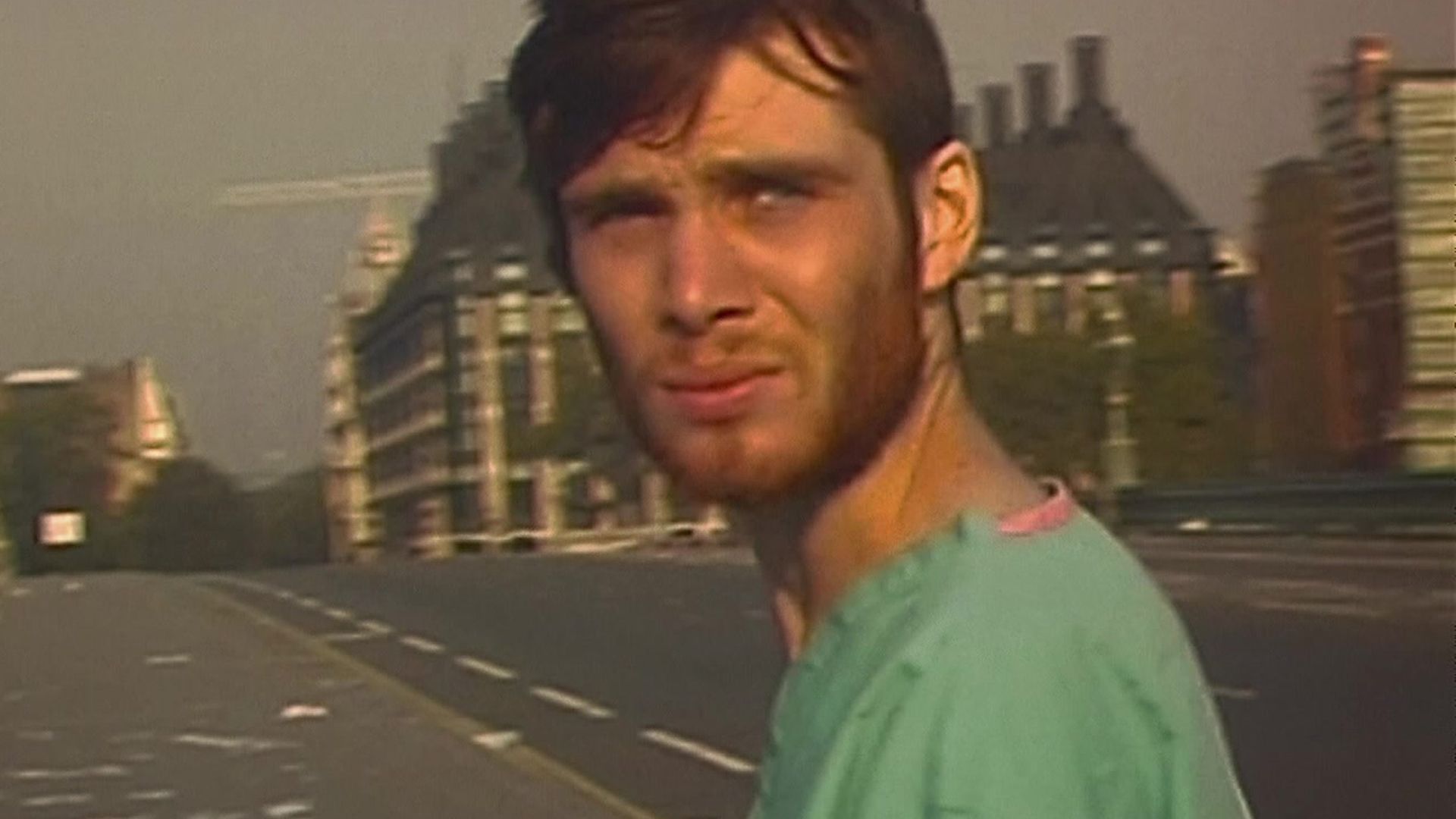
Though “28 Years Later: The Bone Temple” isn’t out until next month, Sony is already planning a third movie to complete the trilogy, encouraged by early reactions. Cillian Murphy, who starred in the original, will appear in “The Bone Temple” and is also expected to return for the final film. Alex Garland, the writer of the first movie, is writing the script. While a director hasn’t been confirmed, Danny Boyle—who directed the original—has hinted he’d like to come back after Nia DaCosta directed “The Bone Temple.”
According to Deadline, the first showing of The Bone Temple received a very positive reaction from viewers, suggesting the series has a bright future. Finishing the 28 Years Later trilogy is already great news, but a reunion between director Danny Boyle and writer Alex Garland would make it even more exciting.
It’s becoming increasingly common for Hollywood to announce long-term projects—spanning years—before they’re actually made. When the first films or shows in these series don’t perform well, studios and creators have to rethink their plans and how to deliver on promises they’ve made to audiences. This year’s 28 Years Later was a surprise, arriving almost twenty years after 28 Weeks Later and bringing director Danny Boyle back to the franchise. It received surprisingly positive reviews—currently at 89% on Rotten Tomatoes—and has sparked hope for the future of the series, even before the release of Bone Temple.
How ’28 Days Later’ Changed Everything
20th Century Studios
George A. Romero’s 1968 film, Night of the Living Dead, truly defined the modern zombie. While zombie-like creatures had appeared in stories before, Romero established the key characteristics of the subgenre. He continued building this world with Dawn of the Dead and Day of the Dead (though his later zombie films weren’t as strong). The film’s success also led to many copycats, but often these low-budget imitations lacked the impact of Romero’s work. His zombies were slow, shuffling, and looked somewhat human, making them more of a relentless horde than genuinely frightening monsters, a quality often lost when filmmakers simply added makeup to actors and called them zombies.
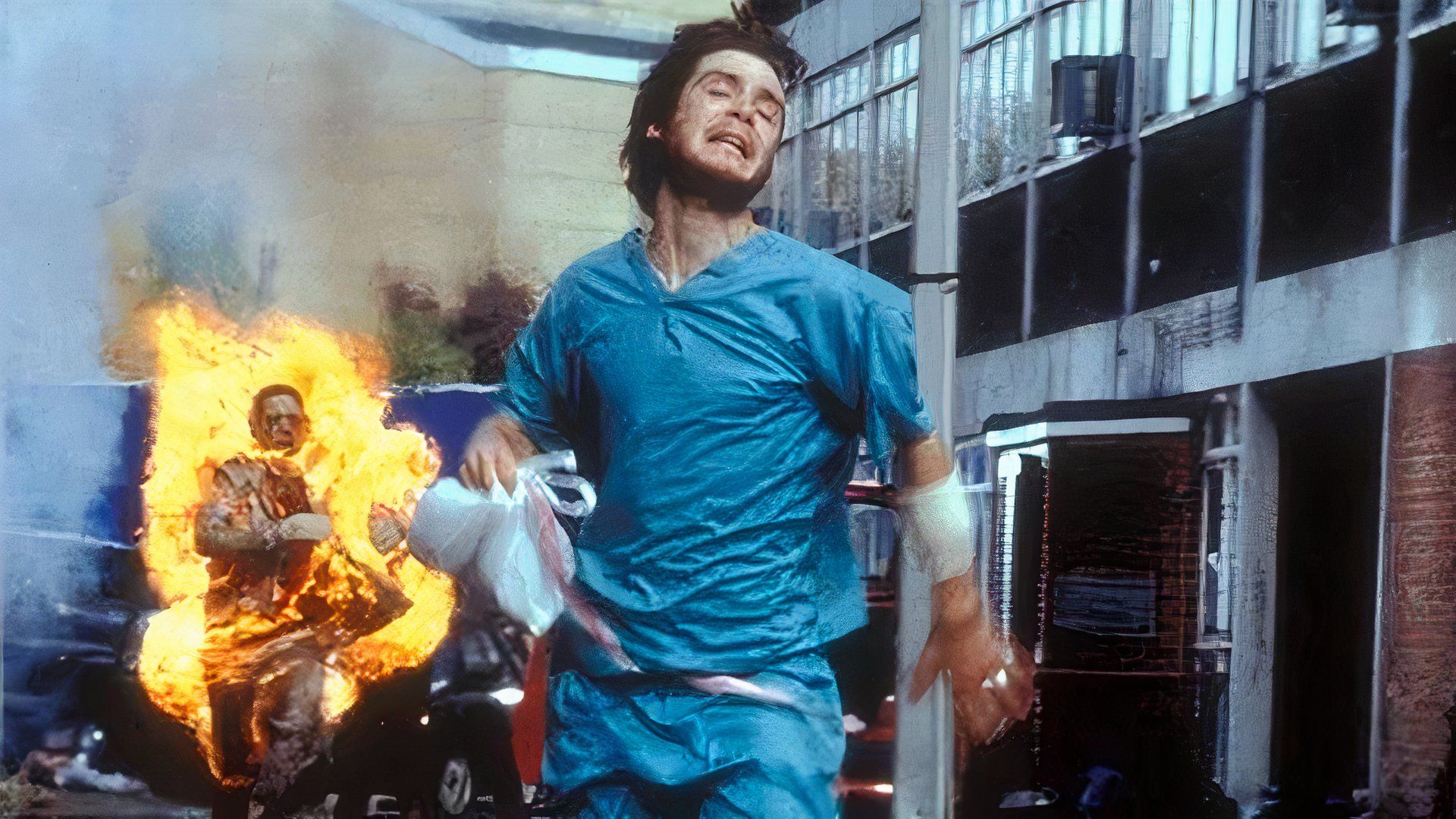
While not the first to explore the idea of fast-moving zombies, Boyle and Garland’s film demonstrated how terrifying zombies could be by subverting typical expectations. Some viewers debate whether it’s a true “zombie” film, pointing out the creatures are infected with a virus causing rage, not traditionally undead, but this is largely a matter of storytelling detail.
Beyond pushing creative boundaries with storytelling, Danny Boyle was an early adopter of digital filmmaking with 28 Days Later. He used the technology to create a gritty, almost home-video aesthetic. His quick, minimalist shooting style – filming empty London streets without needing big crews or complex equipment – powerfully showed the horror of waking up to a post-apocalyptic world. Fortunately, camera technology has improved significantly since 2002, and 28 Years Later boasts a much sharper and more polished look than the original.
Read More
- Alex Russo’s Wizards Beyond Waverly Place Fate Confirmed By Star After Viral Backlash
- The Night Manager Return Turns Into a Streaming Sensation
- Netflix’s Lincoln Lawyer Has a Secret Michael Connelly Easter Egg
- 7 Years Later, the Sci-Fi Action Hit Fans Call “The Best Video Game Movie Ever Made” Finally Returns to Streaming
- South Park Season 28 Episode 3 Release Date, Time, Where to Watch
- Julia Roberts’ After the Hunt Finally Sets Prime Video Release Date
- One Piece Season 3 Has Begun Filming, And I’m So Glad We’ll Be Seeing Way More Of Four Specific Characters
- Michael C. Hall’s ‘Safe’ Is Perfect for ‘Dexter’ Fans
- What George Lucas Really Thinks Of The Mandalorian
- Tom Holland’s Spider-Man: Homecoming Is Heading to Peacock
2025-12-11 05:09