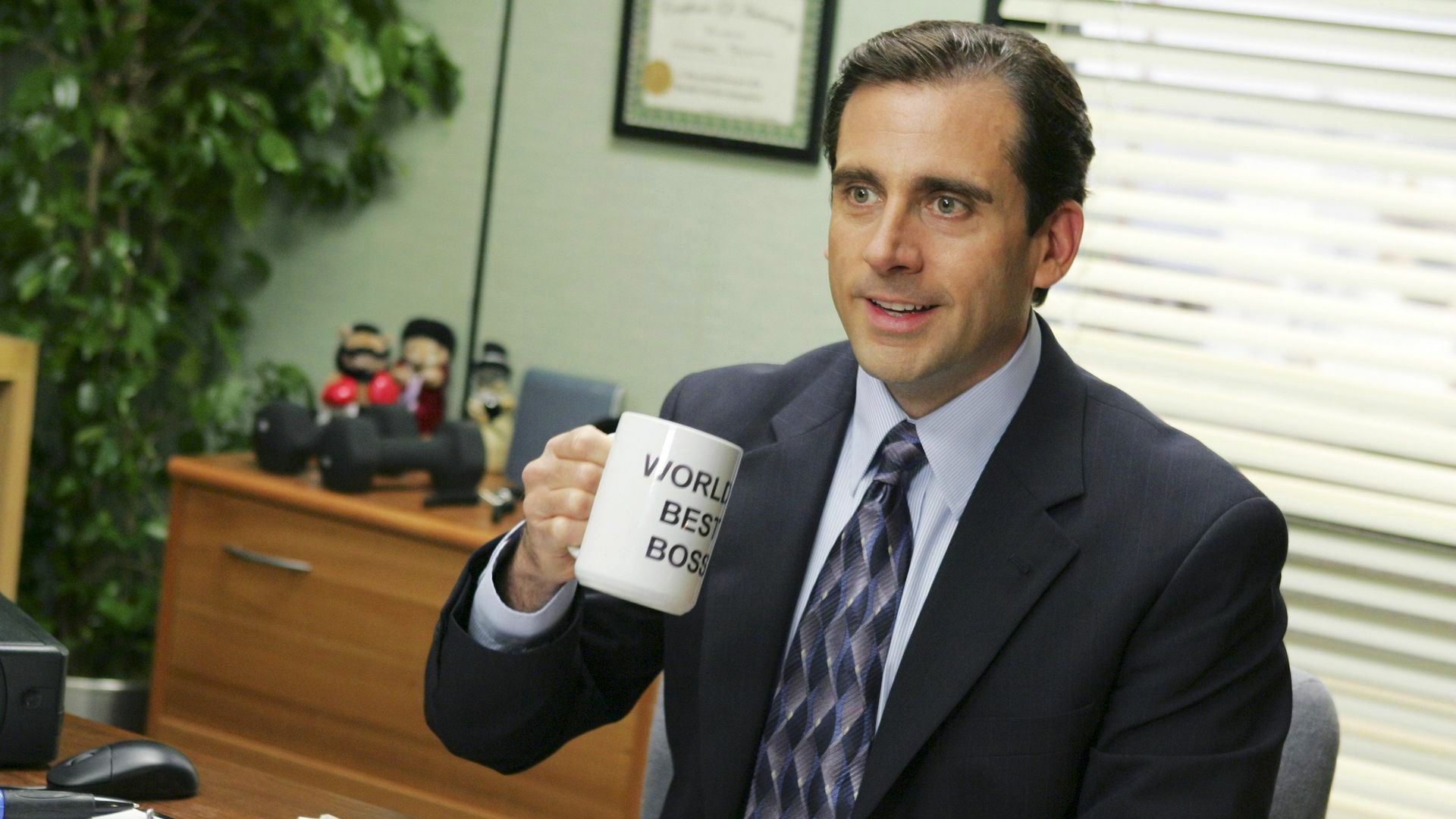
Sitcoms are comforting because they follow familiar patterns and predictable storylines. Viewers of shows like The Big Bang Theory always expected Sheldon’s strict routines to create conflict, just as Seinfeld fans anticipated George’s short-lived relationships ending over trivial matters. This reliable repetition is what keeps audiences coming back for more.
Catchphrases are a key part of what makes classic sitcoms so comforting and familiar. Just like running gags, these repeated lines work well because fans love saying them – often imitating their favorite characters! They’re the little pieces that really stick with us.
“Title Of Your Sex Tape!”
Jake Peralta In Brooklyn Nine-Nine (2013-2021)
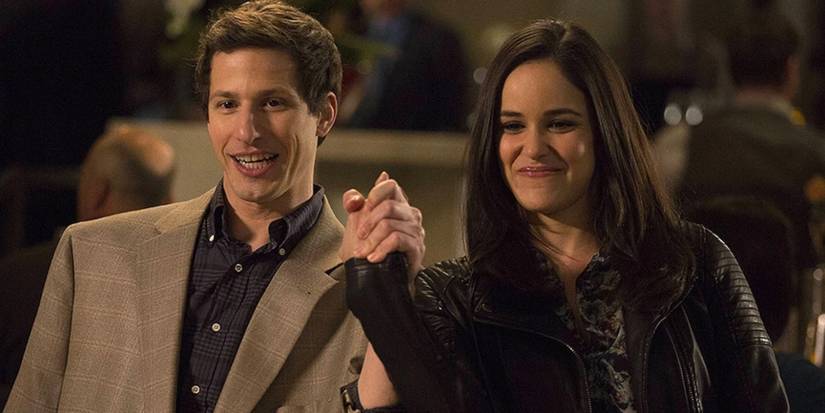
Jake Peralta’s joke about a sex tape title is a great example of his lovable personality – he’s charming but also loves silly, immature humor. He’s incredibly quick at twisting ordinary comments into something suggestive, like when he says “Kind, sober, and fully dressed” or “It’s not your fault, I was terrible.”
Amy Santiago is frequently the target of jokes about Jake’s unrequited crush on her. As the series progresses, this running gag changes with Jake’s character development. When he playfully references a potential sex tape title after they become intimate, it’s both a callback to his earlier teasing and a sign of how far their relationship has come.
The phrase became truly iconic when Captain Holt misquoted it at Jake’s bachelor party, showing just how deeply it’s become a part of the show, Brooklyn Nine-Nine, and how much fans love it.
“I Know Nothing.”
Manuel In Fawlty Towers (1975-1979)
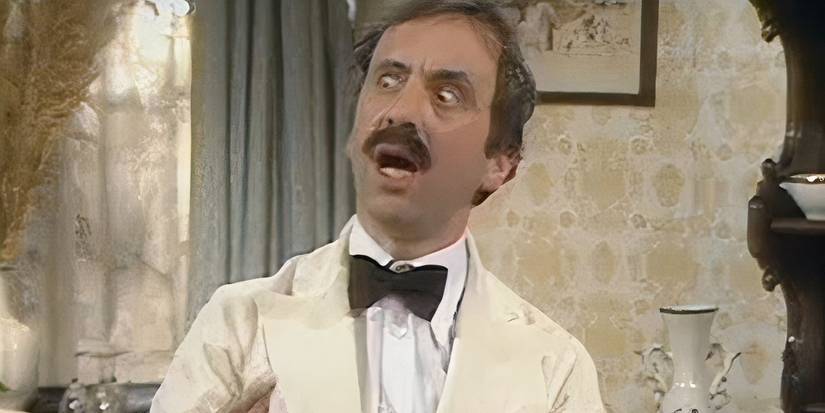
Manuel’s famous line, “I know nothing!” perfectly captures the humor of the British sitcom Fawlty Towers. The show brilliantly used frustration and miscommunication to create comedy. As the somewhat hapless Spanish waiter in the famously disorganized hotel, Manuel often felt overwhelmed, trying to cope with Basil Fawlty’s demanding nature and the constant craziness around him.
Manuel’s constant reply of “I know nothing!” is funny because it’s both a genuine expression of his confusion and a running joke. It emphasizes his naiveté and good intentions, while also pointing out how ridiculous the situations around him are. The phrase is perfectly timed – delivered when things are getting more and more chaotic, it transforms potential frustration into a lighthearted and amusing moment, making us feel both sympathy and laughter.
The line quickly became famous and is now strongly associated with the character of Manuel, as well as representing the witty combination of humor, puns, and physical comedy that made Fawlty Towers so popular.
“Lucy, You Got Some ’Splaining To Do!”
Ricky Ricardo In I Love Lucy (1951-1957)
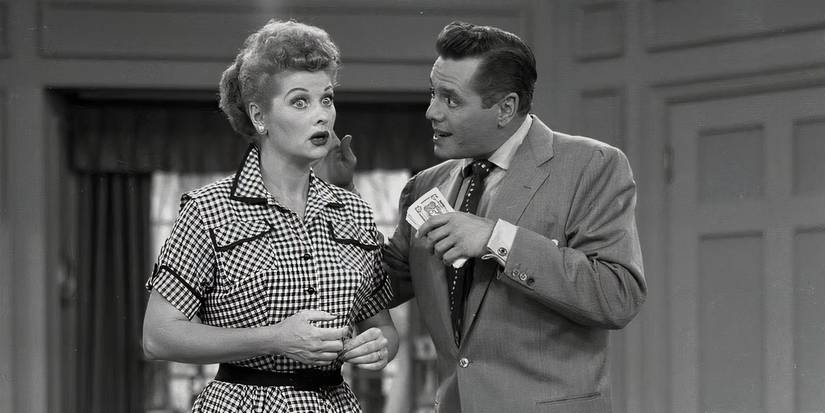
Ricky’s famous line, “Lucy, you got some ‘splaining to do!” really shows the playful but frustrated love between Ricky and Lucy in I Love Lucy. While Ricky clearly cares for Lucy, her crazy plans, outlandish ideas, and frantic cover-ups always test his patience.
The show’s famous line perfectly captures the dynamic between the characters – a mix of annoyance, fondness, and humor. Lucille Ball’s brilliant physical comedy, combined with Desi Arnaz’s charming Cuban accent – which the network allowed to stay authentic – is what made the line so memorable.
More than just a funny line, this phrase highlights how revolutionary the show was. Lucy wasn’t simply a sidekick; she was the star, fueling the comedy and directing the story with her bold behavior. It perfectly captures the spark, widespread influence, and lasting appeal of one of TV’s most beloved couples, both on and off camera.
“Whatchu Talkin’ ’Bout, Willis?”
Arnold Jackson In Diff’rent Strokes (1978-1986)
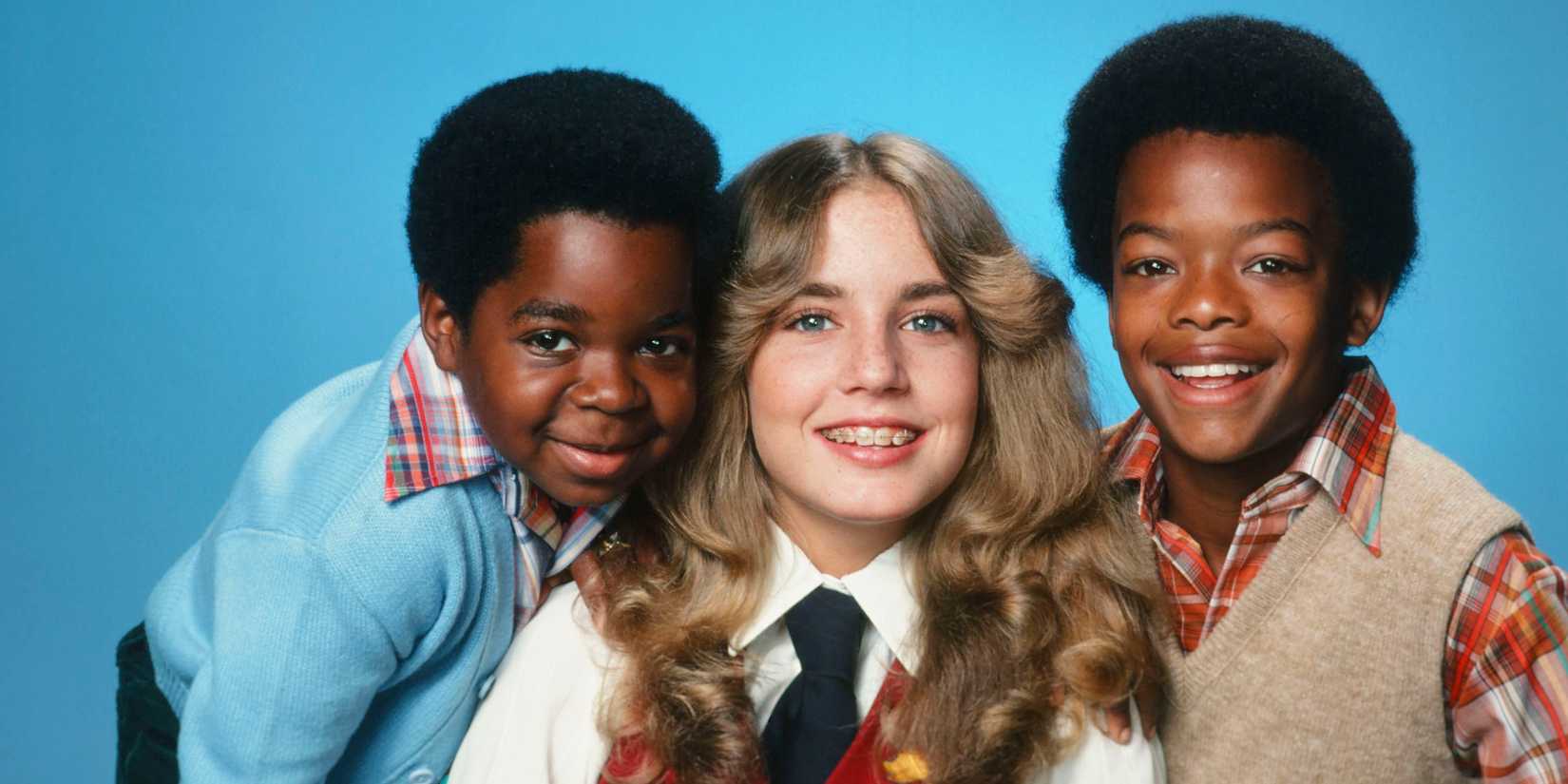
The catchphrase “Whatchu talkin’ ’bout, Willis?” is arguably more well-known than the show Diff’rent Strokes itself. The series followed two brothers from Harlem who were adopted by a wealthy man on Park Avenue, creating humorous situations as they adjusted to a new life while also touching on social issues. However, it was Gary Coleman’s portrayal of the clever and quick-witted younger brother, Arnold Jackson, that truly made the show memorable.
Arnold’s perfectly timed and disbelieving question to his brother Willis immediately let everyone know something absurd had just happened. Actor Coleman brilliantly delivered the line, turning it into a memorable cultural moment. Even today, people still repeat the phrase, often without remembering where it originally came from.
“Treat Yo Self.”
Donna Meagle & Tom Haverford In Parks And Recreation (2009-2015)
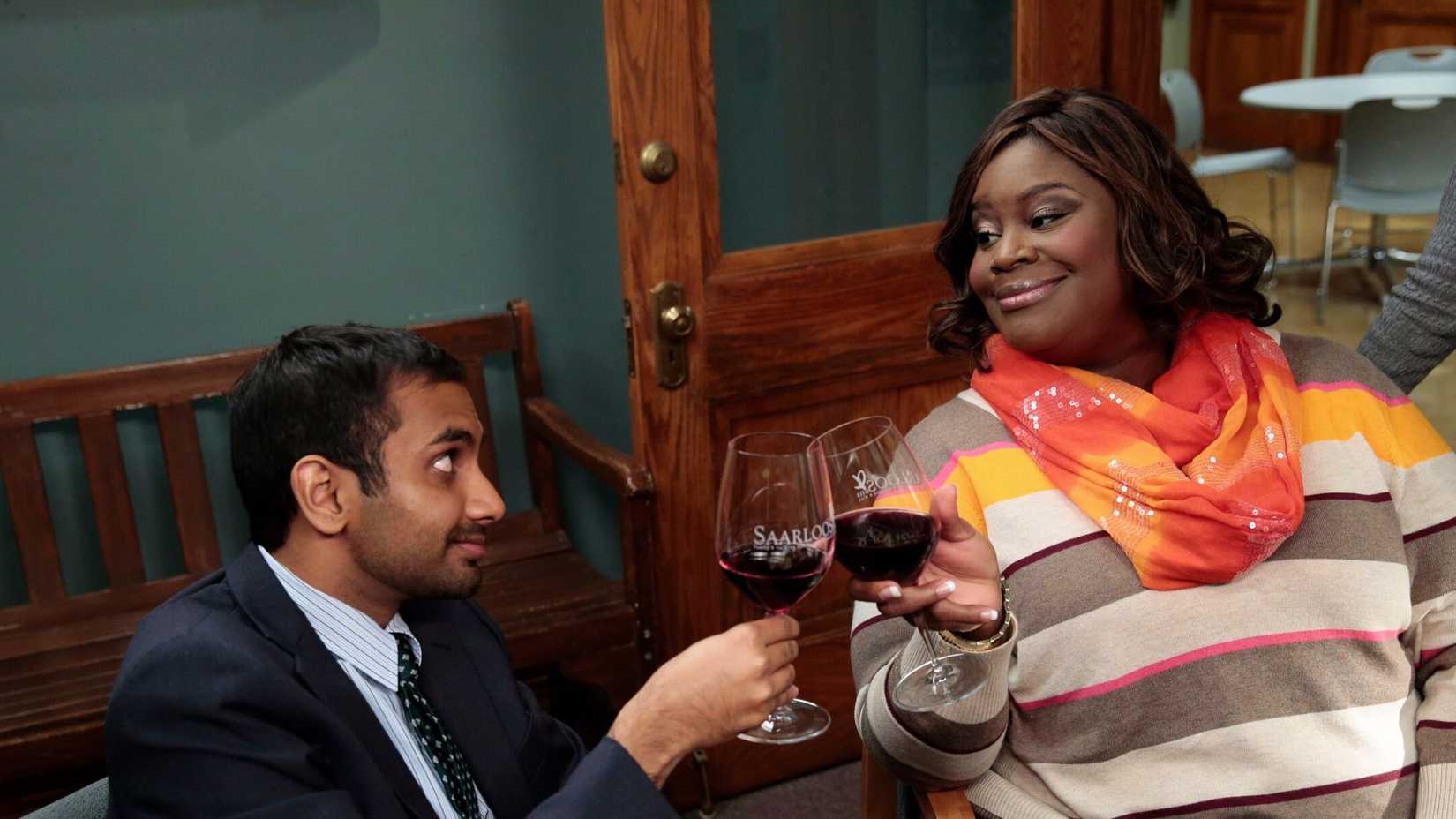
The phrase “Treat yo self” perfectly embodies the joyful and uplifting feeling of the best Parks and Recreation episodes. Introduced by Donna Meagle and Tom Haverford during their yearly day of pampering, it hilariously transforms taking care of yourself into a fun tradition.
The quote captures the show’s hopeful message: life can be tough and work demanding, so it’s okay to treat yourself and enjoy the good things. It’s become much more than just a line from the series, appearing in ads, online jokes, and everyday talk as a way to justify a little self-indulgence.
It’s perfect that “Treat Yo Self” became so popular because Parks and Recreation doesn’t usually build its humor around simple, repeated phrases. The main characters – Leslie, Ben, and Ron – are complex and realistic, not just silly stereotypes. This allowed supporting characters like Donna and Tom to shine with fun, memorable running gags, and “Treat Yo Self” ended up being the show’s most cheerful and well-known contribution to pop culture.
“Ew, David!”
Alexis Rose In Schitt’s Creek (2015-2020)
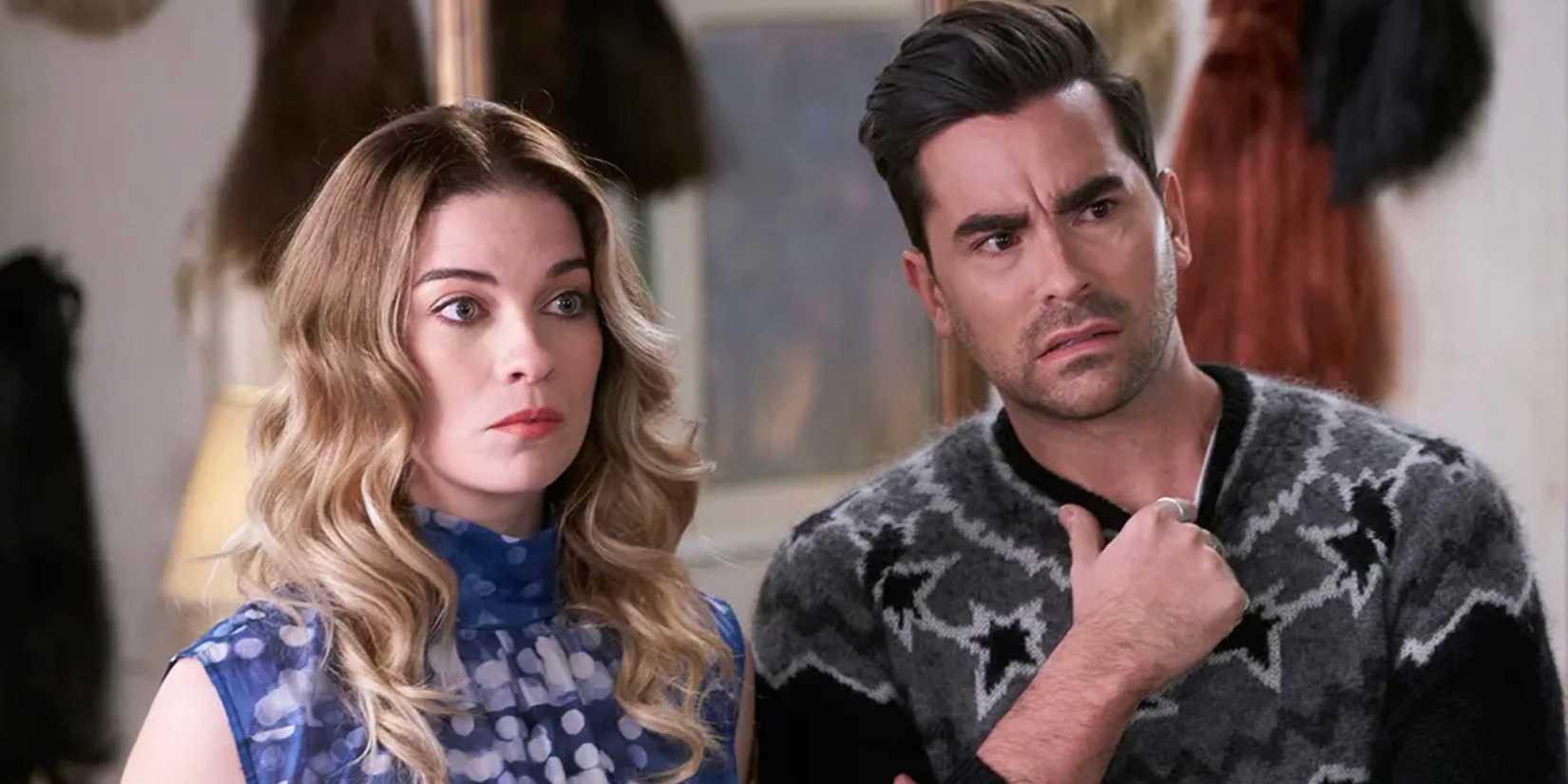
The line “Ew, David!” quickly became iconic from the show Schitt’s Creek, perfectly representing Alexis Rose’s character and the way the Rose family interacted. In the beginning of the series, the Roses often showed their love for each other through playful annoyance – eye-rolls, sarcasm, and sighs – instead of openly expressing warmth, and Alexis’s reaction to her brother David was a prime example of this.
Annie Murphy transforms what could have been a predictable, snobby character into something truly memorable. Her unique way of speaking – a slow, drawn-out delivery with perfect comedic timing – makes even simple lines hilarious. This, combined with her character’s growth, is what turned the phrase “Ew, David!” into a popular meme and a widely recognized part of pop culture.
“Norm!”
Everyone In Cheers (1982-1993)
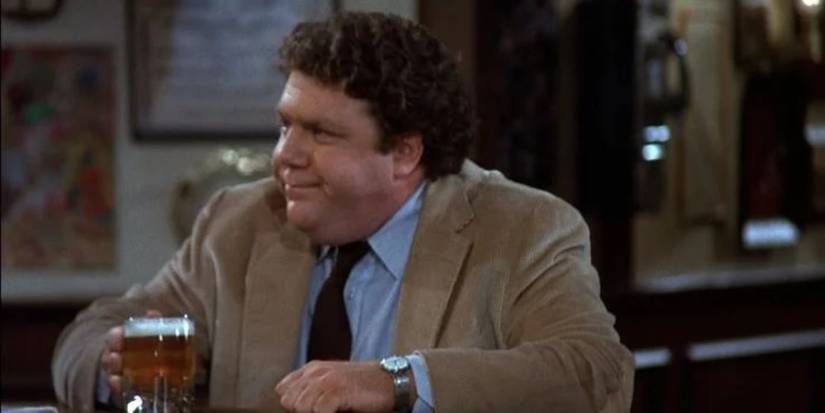
There are few sitcom moments more instantly cozy than hearing the entire bar shout “Norm!” whenever George Wendt’s character walks in. It perfectly captures the heart of the show – a place where you’re always recognized. Norm isn’t a main character or the source of jokes; he’s just a familiar face. That cheerful, repeated greeting transforms a simple arrival into a weekly reminder that he belongs.
Throughout the eleven seasons of Cheers, the simple act of the characters shouting ‘Norm!’ and receiving his reply became a key part of the show. It highlighted the close, family-like relationships between the characters and made the audience feel like regulars at the bar, returning with them season after season. Viewers started to feel like they were part of the group cheering for Norm.
“Oh My God, They’ve Killed Kenny!”
Stan In South Park (1997-Present)
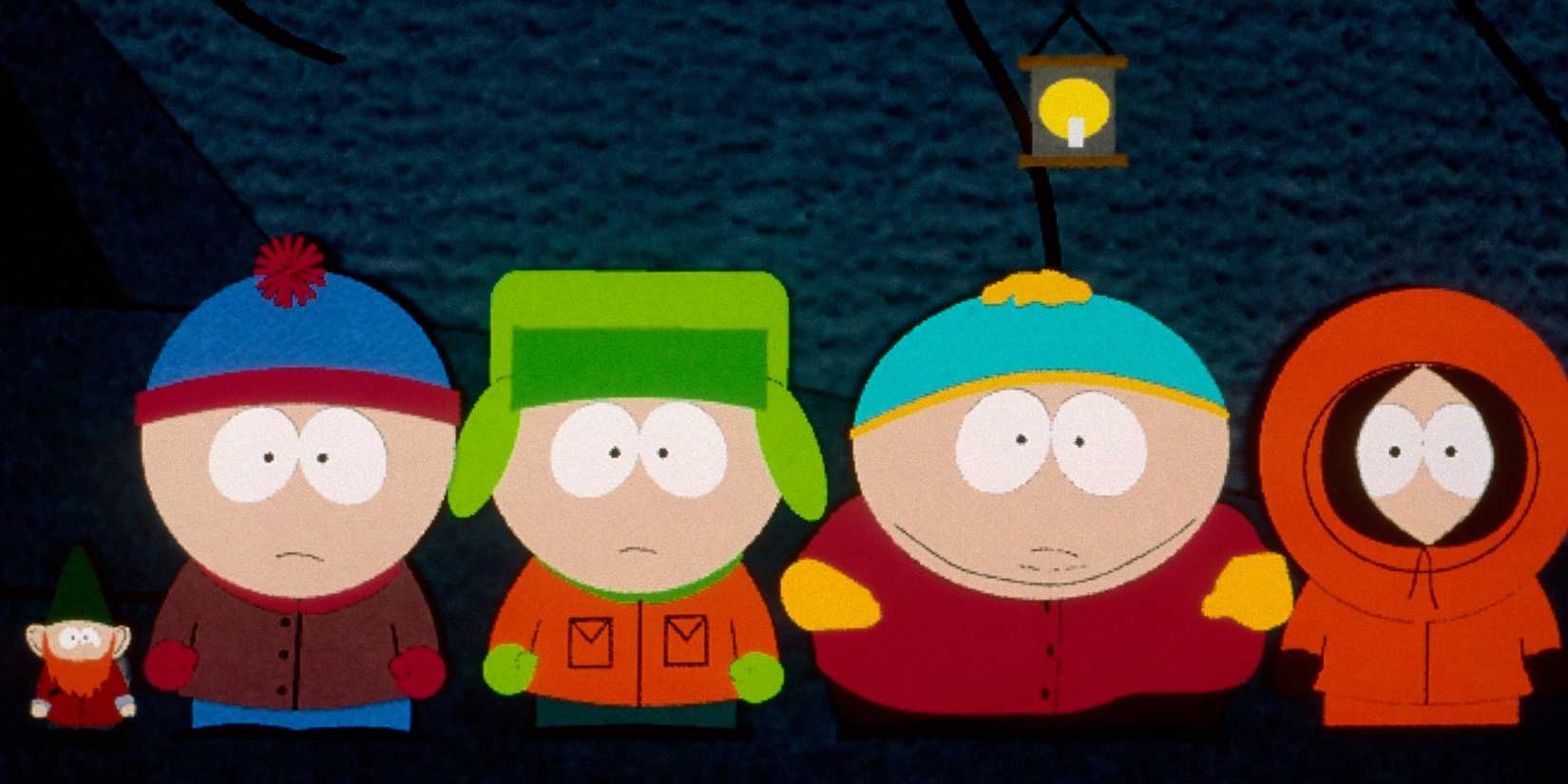 Image courtesy of Everett Collection
No catchphrase better defines South Park than “Oh my God, they’ve killed Kenny!” Typically exclaimed by Stan, this line became a running gag accompanying increasingly ridiculous and shocking deaths.
Kenny often died in hilariously undignified ways on South Park. His deaths were usually sudden, shocking, and far over-the-top considering the silly things that had just occurred. What made the joke so brilliant was that Kenny always returned in the next episode, completely unharmed, as if his death hadn’t even happened.
The reset button perfectly captured the show’s playful and disrespectful attitude – nothing was off-limits, even serious topics like death. This phrase highlights South Park‘s dedication to challenging norms while simultaneously making fun of its own shocking moments. It’s dark, silly, and surprisingly predictable, and that’s precisely what makes it so effective.
“That’s My Spot.”
Sheldon Cooper In The Big Bang Theory (2007-2019)
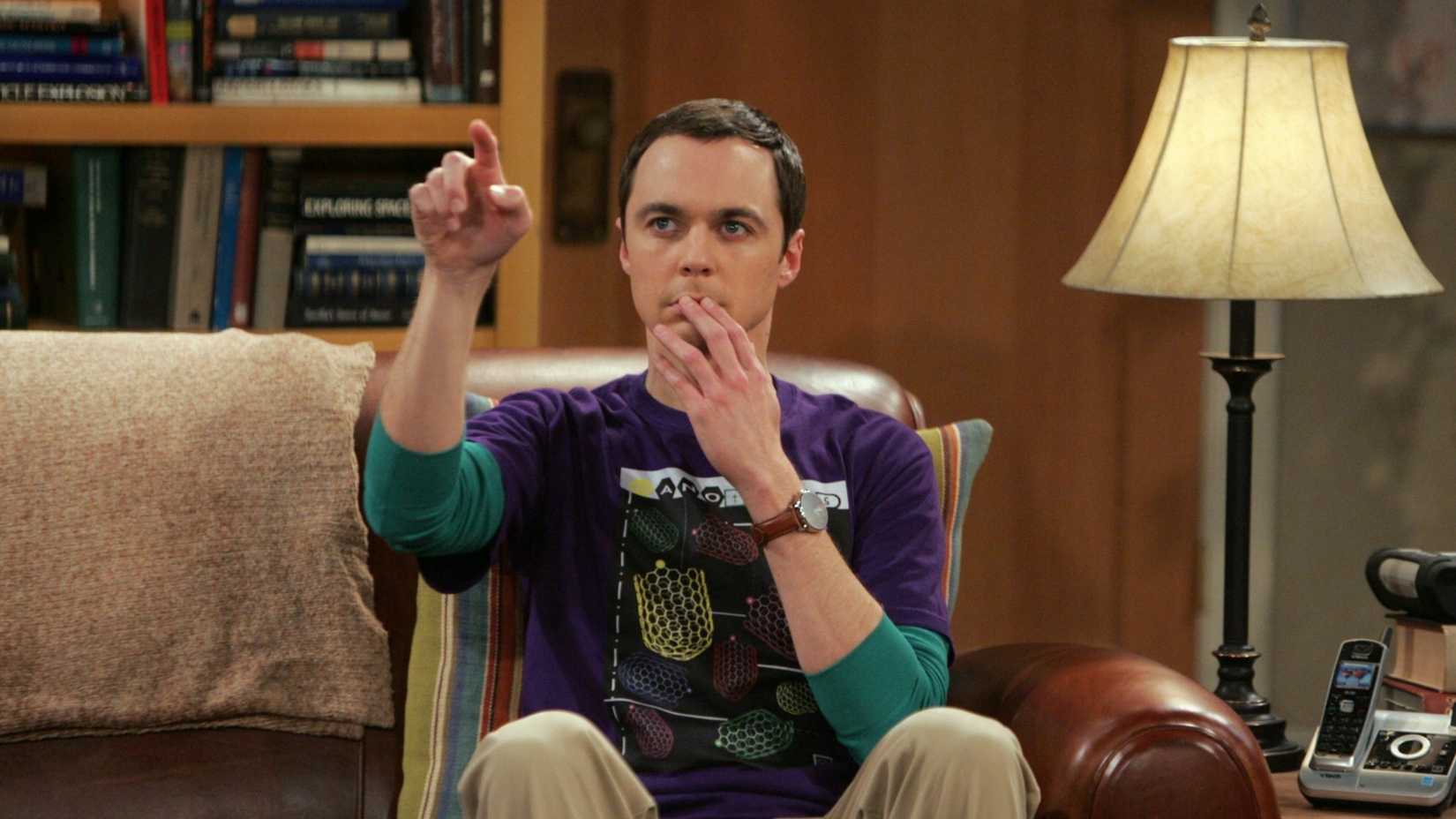
While Sheldon Cooper is famous for saying “Bazinga!”, the phrase “That’s my spot” really captures who he is. His insistence on sitting in a specific chair highlights his strictness, his love of order, and his belief that he’s always right. It’s a phrase that’s all about control, sticking to routines, and the complex systems he creates to make sense of life.
The humor comes from how everyone in the group automatically gets caught up in the joke. Leonard, Penny, and the rest instinctively warn new people not to sit in that spot, and they can even perfectly repeat Sheldon’s complicated explanation about why it’s off-limits – something about air currents, views, and the TV. It stops being just a silly habit and becomes a quick way to describe Sheldon’s whole personality.
“Yada Yada Yaya…”
Marcy In Seinfeld (1989-1998)

As a big Seinfeld fan, I remember when Marcy started saying “yada yada yada” – it was hilarious! It quickly became a running joke, spreading from her to George, then Jerry, and eventually we, the audience, were all saying it. While the show didn’t create the phrase, that season 8 episode, “The Yada Yada,” is totally what made it a pop culture phenomenon. Seriously, it’s stuck around ever since!
The humor of the phrase “yada yada yada” comes from the important details it skips over. Characters use it to quickly move past key – and often revealing – information, which is exactly what the audience is most interested in. That’s what makes it such a classic line from Seinfeld. It’s a funny phrase built around a funny idea, and it perfectly captures the spirit of the show.
The TV show Seinfeld is well-known for being “about nothing,” and the phrase “yada yada yada” perfectly captures that concept – it’s a way of quickly glossing over details while focusing on unimportant things. Even now, many people use “yada yada yada” in everyday conversation without realizing it originally became popular on the show, making it a lasting part of our culture.
Read More
- Spider-Man 4 Might Feature [Spoiler]’s MCU Debut — Report
- 6 Years Ago, Star Wars Debuted Its Most Wasted Villain In Franchise History
- Прогноз криптовалюты SKY: прогнозы цены SKY
- Black Phone 2 Ending & Grabber’s Fate Explained
- Прогноз криптовалюты ADA: прогнозы цены ADA
- Серебро прогноз
- One of the Most “Exciting” Paranormal Adventure TV Shows of the Decade Sets Season 11 Release Date on HBO Max
- Золото прогноз
- Harlan Coben’s New Netflix Thriller Miniseries Is 8 Episodes of Twisty Perfection
- Прогноз нефти
2026-02-13 20:32