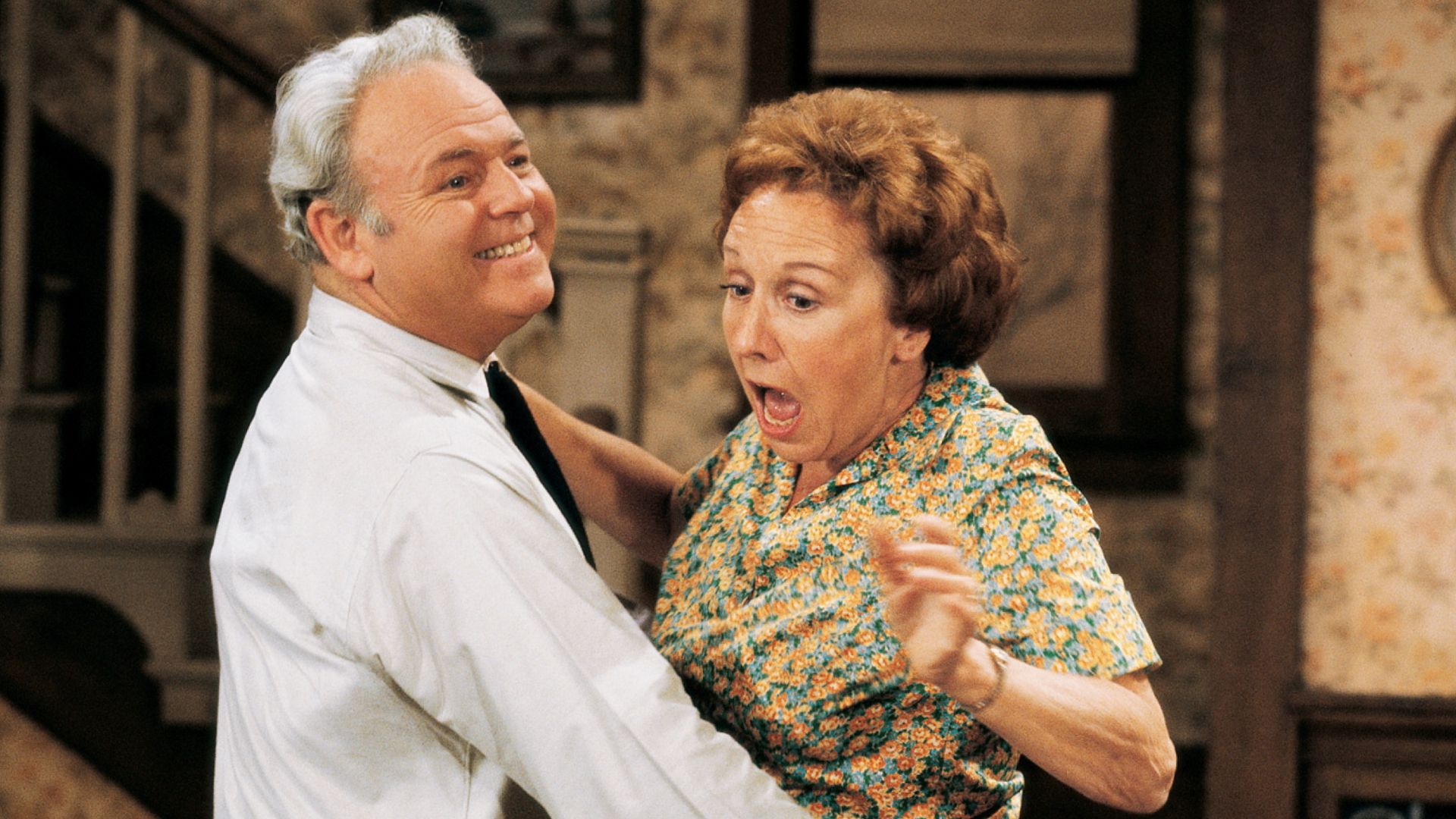
Television has changed dramatically over the last few decades, and many of those advancements started with innovative shows from the 1970s. Even with the technical and creative limitations of the time, the ’70s gave us iconic shows featuring memorable characters, compelling stories, and instantly recognizable opening themes – all of which have earned them a place in television history.
15. Little House On The Prairie
1974-1983
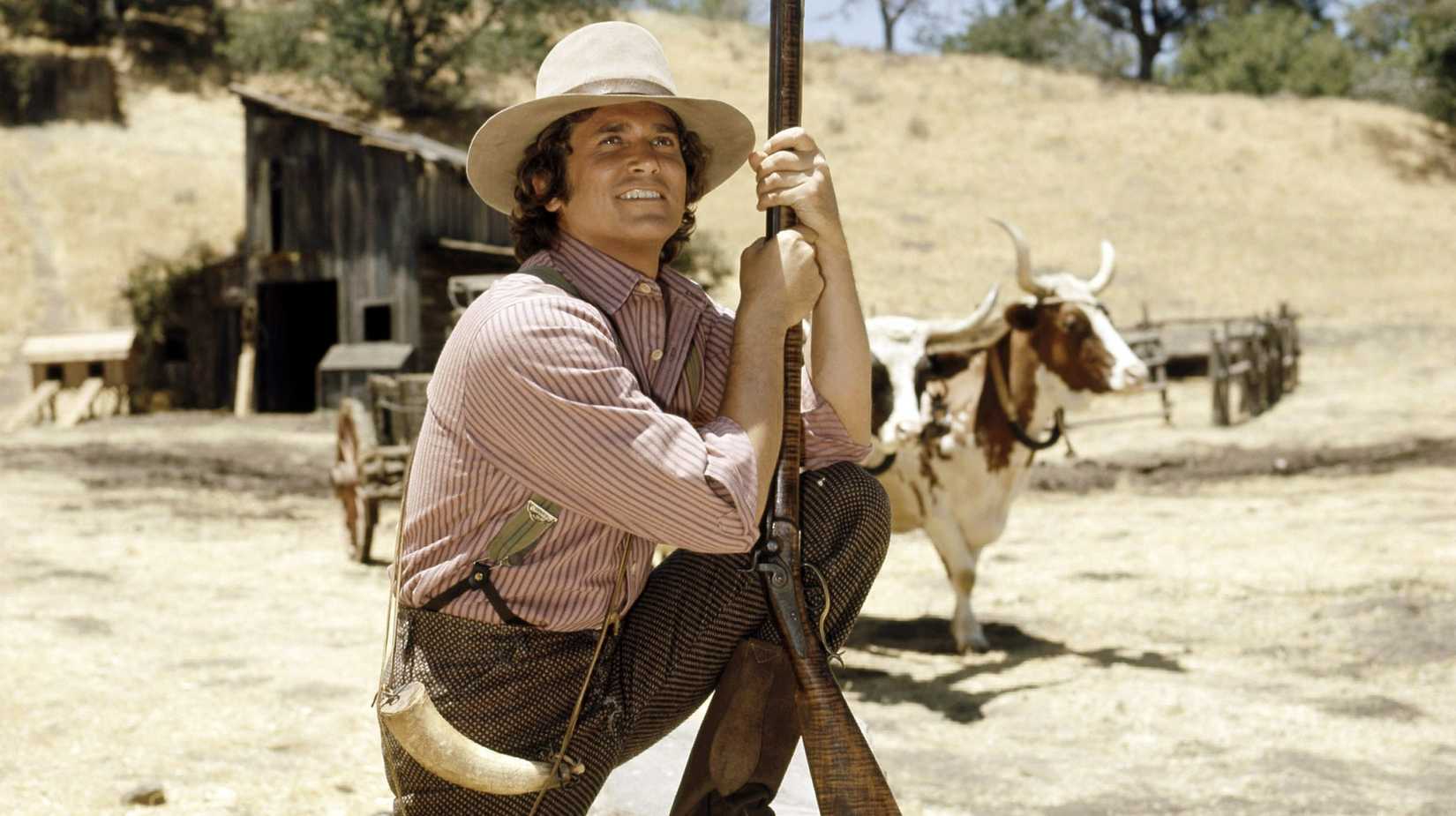
The 1974 television series, based on Laura Ingalls Wilder’s books, quickly overcame a slow start and became incredibly popular. While adapting the original children’s novels, Little House on the Prairie aimed to appeal to more viewers. Ultimately, its heartwarming portrayal of the Ingalls family and comforting depiction of the Old West secured its place as a beloved historical Western.
I absolutely love Little House on the Prairie – it really captures what life was like during that time, and it was such a huge part of TV history. But something a lot of people don’t realize is that it’s where Jason Bateman got his start! He played James Cooper Ingalls in seasons 7 and 8, when he was just 11 years old, and it’s amazing to see him so early in his career. That alone makes it worth watching, for me.
14. WKRP In Cincinnati
1978-1982
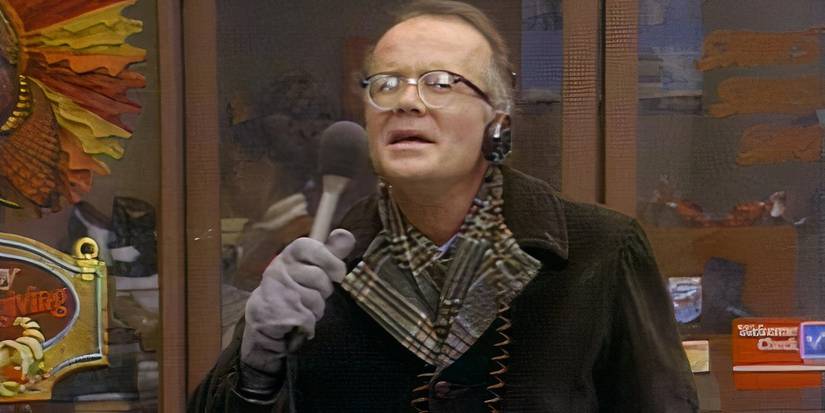
DJs often commend WKRP in Cincinnati for accurately capturing the feel of a real radio station. It was a groundbreaking show for the 1970s, pushing boundaries with its storylines and subject matter. The series tackled sensitive topics like race, censorship, drugs, and gender identity, but it handled them with humor and balance, avoiding a lecturing tone.
As WKRP progressed, it really found its footing. The show later added a more open office area, which helped the actors play off each other and feel like a real team. Though it was canceled after four seasons – probably because of constantly changing air times – WKRP continued to gain popularity after it ended, ultimately becoming a beloved classic sitcom.
13. The Waltons
1972-1981
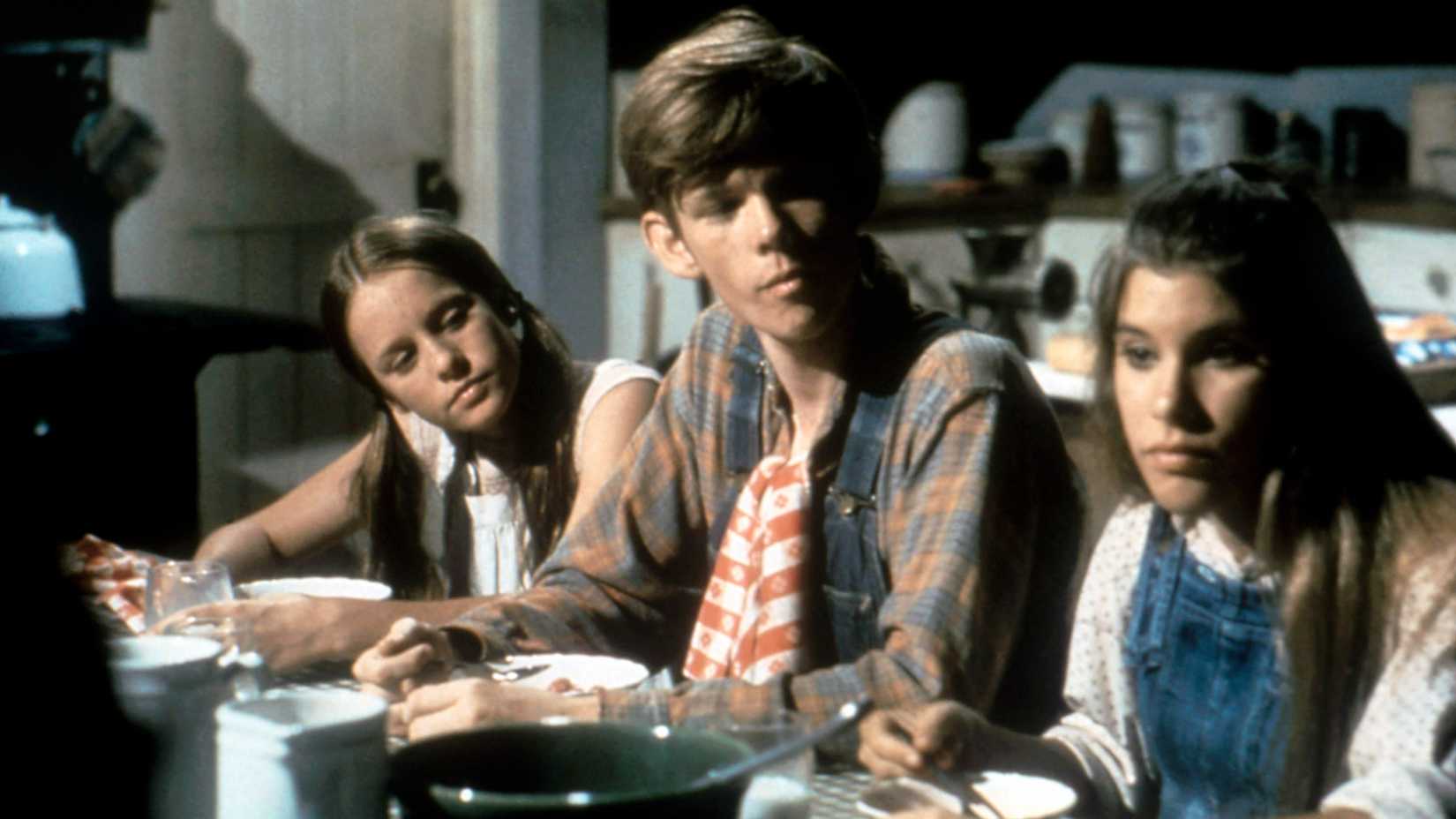
With six follow-up movies made, it’s clear that The Waltons really resonated with audiences. The show beautifully portrayed a family in the Virginia mountains during the Great Depression, capturing both the desire for a simpler life and the struggles they faced. The Waltons honestly addressed the financial hardships and wartime responsibilities of the era, a realism that came from creator Earl Hamner Jr.’s own experiences.
As a classic movie and TV lover, I’ve always been struck by how The Waltons has lasted so long. Being set in the past really helps – the world changed around it, but the show didn’t feel like it needed to change with the times. What’s even more special, though, is that the people who actually lived through the Depression were involved in making it. You just don’t get that kind of authentic creative input on projects today, and it really makes a difference.
12. The Jeffersons
1975-1985
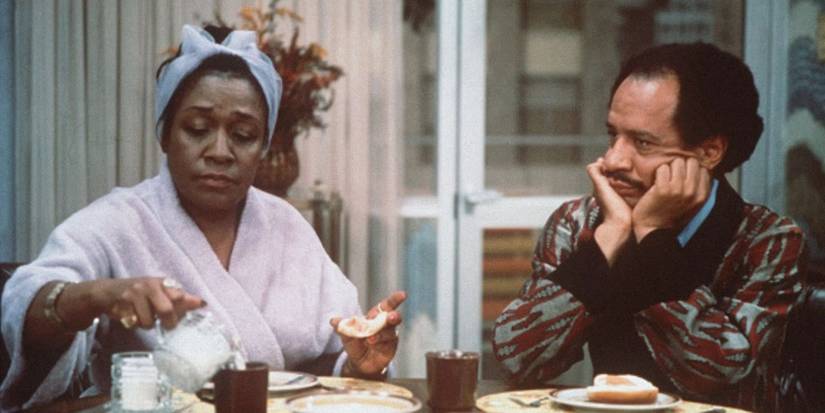
Running for 11 seasons, The Jeffersons proved just how much audiences loved the innovative stories created by Norman Lear. As a spin-off of All in the Family, it followed the lives of the Jeffersons after they moved to Manhattan and achieved a more luxurious lifestyle. The show tackled important topics like race and gun control in a way that was groundbreaking for its time.
As television began to regularly tackle challenging topics with increasing complexity, the enduring relevance of Norman Lear’s work became clear. He wasn’t just capturing a specific moment, but something fundamental about people. And throughout it all, his shows were genuinely funny, especially thanks to the hilarious interactions between George Jefferson and his housekeeper, Florence.
11. Laverne & Shirley
1976-1983
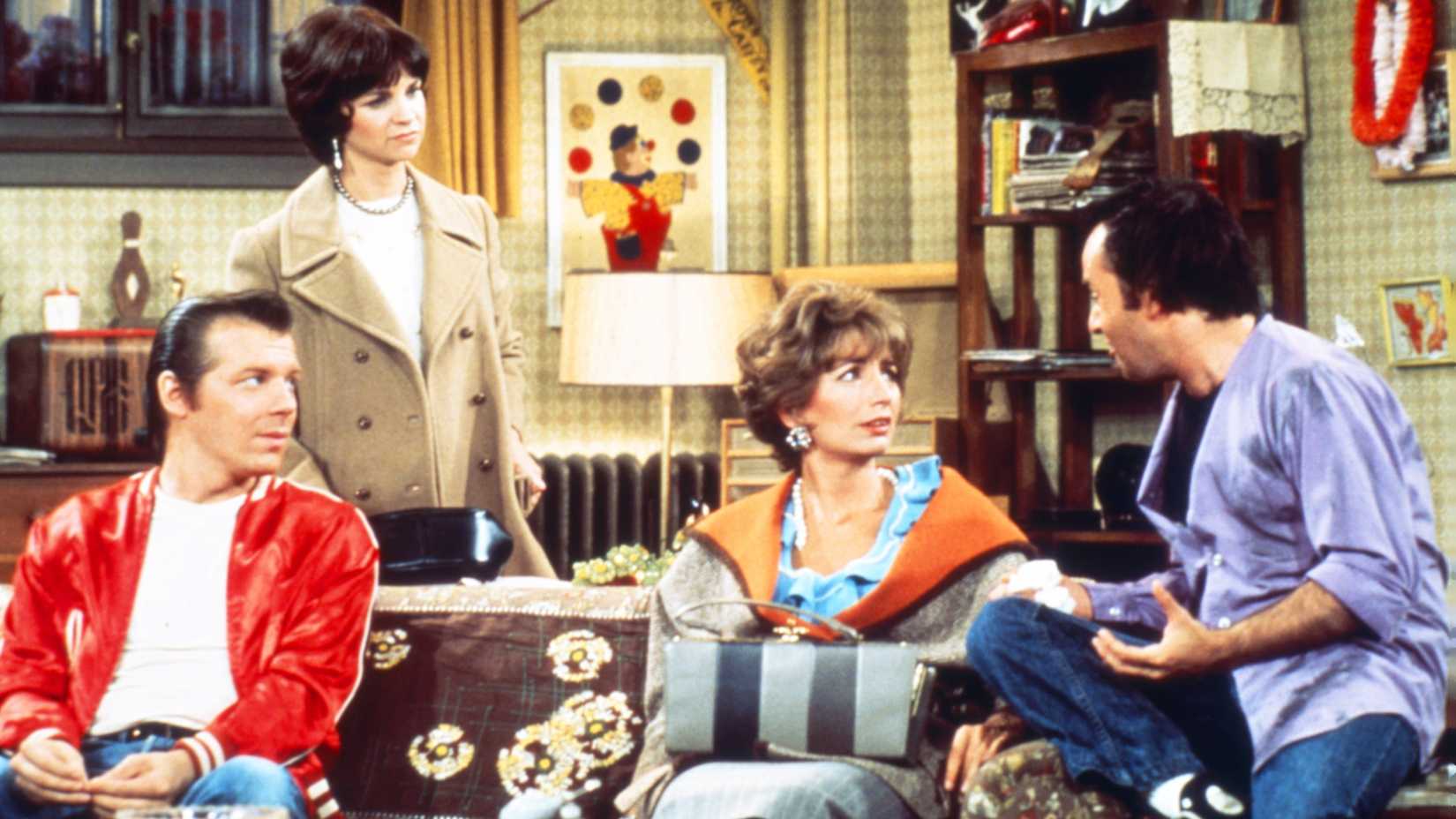
Originally a spin-off of Happy Days, Laverne & Shirley featured slapstick humor reminiscent of I Love Lucy. Though the main characters were engaging, the show’s enduring comedy came from their friends and neighbors, Lenny and Squiggy. Squiggy was so funny, he even turned the simple word “hello” into a memorable running joke.
The popularity of Laverne & Shirley led to a spin-off animated series that lasted two years. Later, the show grew to feature other well-known characters and was eventually rebranded as Mork & Mindy/Laverne & Shirley/Fonz Hour.
10. Emergency!
1972-1977
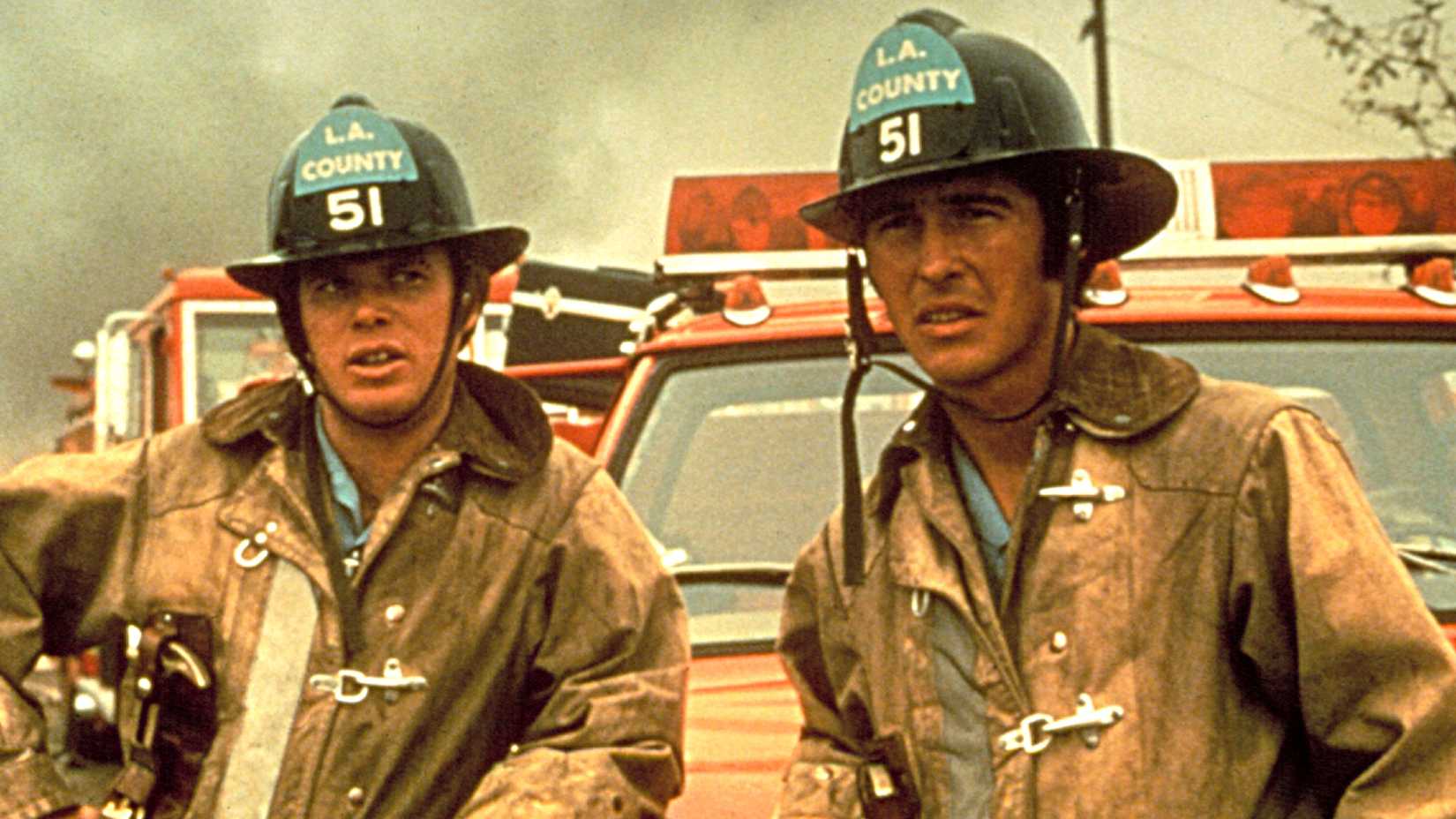
Before modern emergency medical services were common, the TV show Emergency! was groundbreaking and greatly influenced later hits like 9-1-1. While it feels like an original series, Emergency! actually began as a part of the Adam-12 universe, which itself came from the classic show Dragnet. The shows occasionally crossed over, making the world they portrayed feel connected and realistic.
The TV show Emergency! was known for its realistic portrayal of paramedics, which helped people understand how ambulance services work. Its popularity – with 122 episodes and six follow-up movies – suggests it achieved its goal.
9. Diff’rent Strokes
1978-1985
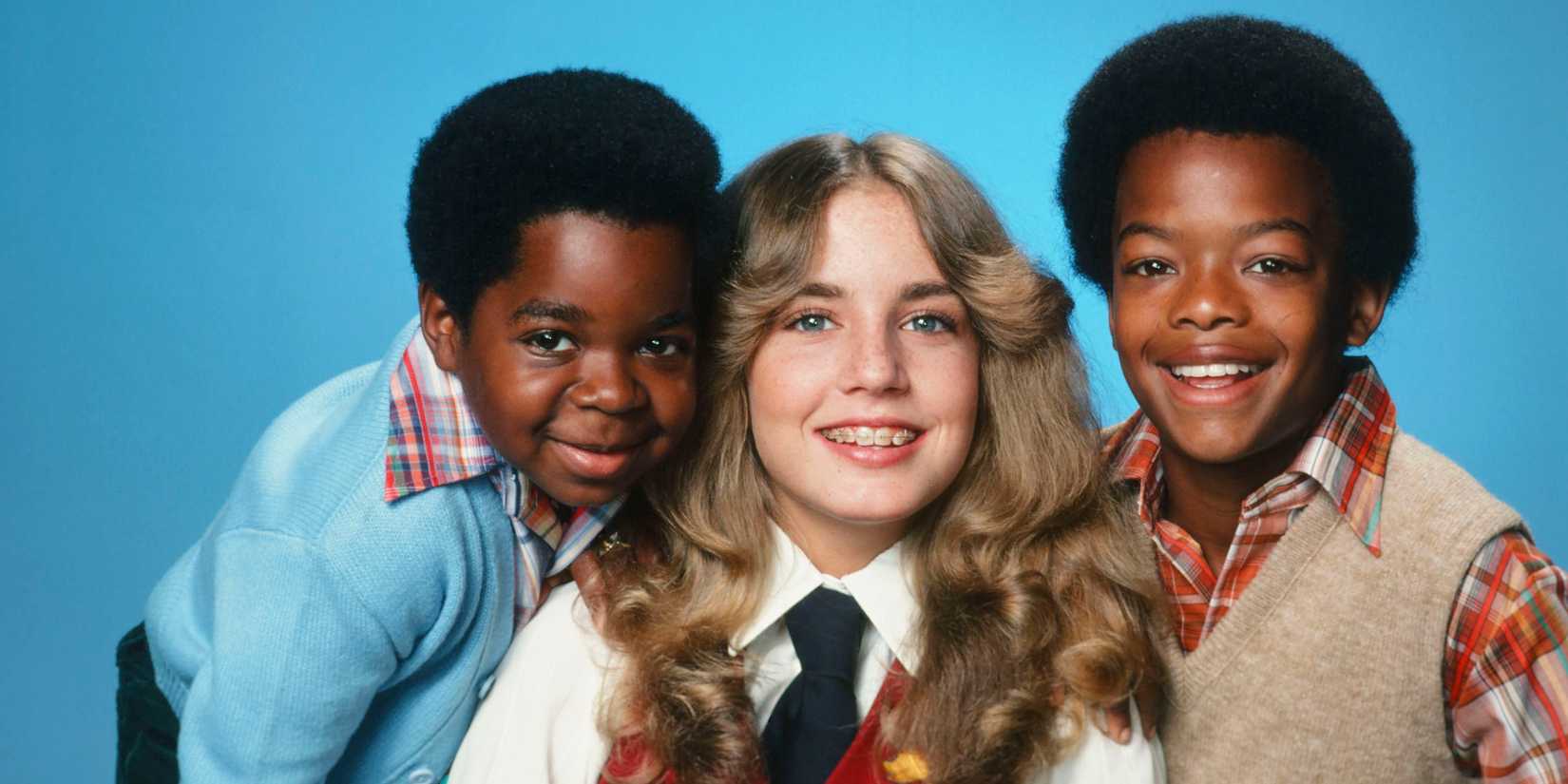
Arnold Jackson’s famous line, “What you talkin’ ’bout, Willis?” is well-known even by people who don’t know where it came from, and it remains a part of pop culture today. Beyond that catchphrase, the show Diff’rent Strokes became known for its “very special episodes,” which often dealt with surprisingly serious and dramatic topics for a comedy.
The show cleverly balanced humor and drama, making both more impactful. When familiar, lighthearted characters faced serious situations, it created memorable episodes that stayed with viewers. A prime example is “The Bicycle Man,” which dealt with a difficult subject – Arnold and Dudley being targeted by a predatory adult – and remains particularly haunting.
8. The Mary Tyler Moore Show
1970-1977
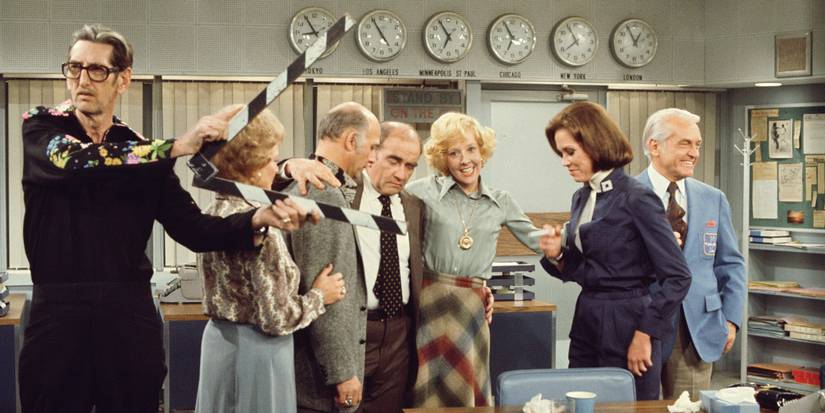
The Mary Tyler Moore Show was a groundbreaking workplace comedy, especially for its time. It stood out by featuring a single woman who had recently ended an engagement – a move that challenged societal norms. But the show went beyond simply portraying a single working woman; it fearlessly tackled important issues affecting women, such as unequal pay, discrimination, struggles with having children, and even difficult topics like prostitution.
Mary Tyler Moore’s warmth, skill, and relatable personality were key to making her show funny, sophisticated, and truly captivating. Unlike many other popular characters of the era, like the often-grumpy Archie Bunker, Mary was instantly likable and welcoming. The Mary Tyler Moore Show was a huge success, winning 29 Emmy Awards and leading to the creation of three spin-off series.
7. Taxi
1978-1983
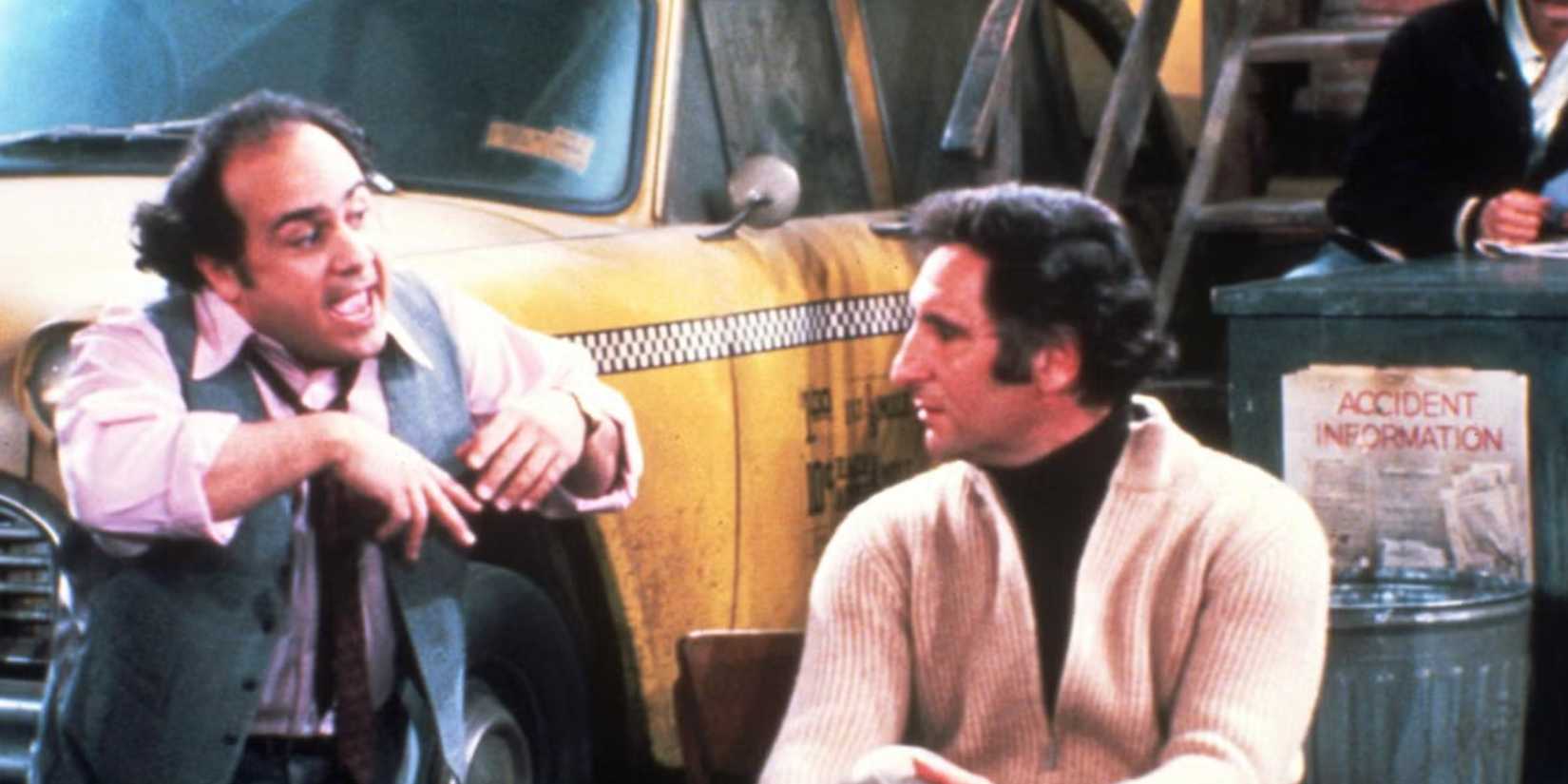
The show Taxi featured a remarkably talented cast, including Danny DeVito, Christopher Lloyd, Judd Hirsch, Tony Danza, and Marilu Henner, along with a memorable recurring role for Rhea Perlman. Set against the backdrop of New York City’s late-night taxi world, the series skillfully blended humor with genuine moments of human connection.
The characters on Taxi constantly reminded us of the way life challenges our dreams and how we see ourselves, and Danny DeVito’s blunt humor added to the show’s realistic feel. Though created by the same team behind the optimistic Mary Tyler Moore Show, Taxi offered a much more grounded, but equally meaningful, look at life.
6. Dallas
1978-1991
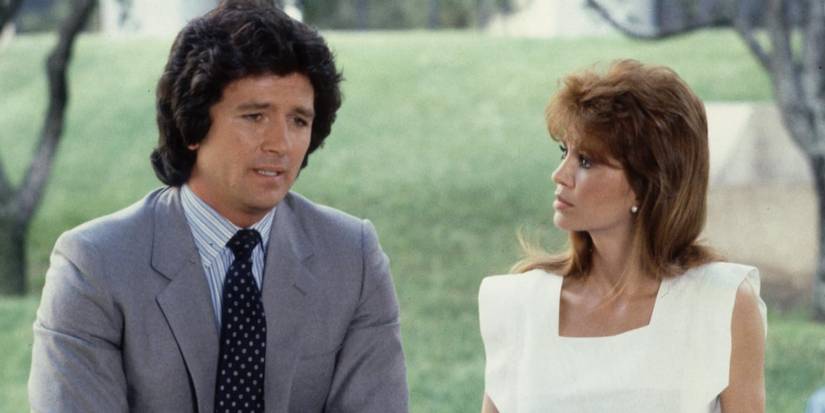
As a popular nighttime drama, Dallas wasn’t afraid to take risks with its storytelling. It built suspense over long periods and rewarded viewers for sticking with it. Unlike many shows, it would leave cliffhangers unresolved for weeks or even an entire season, creating a unique and engaging experience.
The episode revealing who shot J.R. on Dallas remains the second most-watched TV episode ever, surpassed only by the final episode of MASH. This highlights Dallas‘s tendency to end each season with a dramatic cliffhanger. While that might annoy viewers with today’s shorter seasons and longer breaks between them, it also helped Dallas* become a major cultural phenomenon.
Read More
- ‘And Then The Chesty One Comes In.’ SNL’s Cut For Time Sketch Hilariously Reimagined Sydney Sweeney And Zendaya’s Euphoria
- Five Nights At Freddy’s 2 Review: The Video Game Movie Sequel Limbos Under The Low Bar Set By The First Film
- CBS Effectively Explains Why Tracker Got Rid Of Bobby & Velma
- Mindhunter: Netflix’s Psychological Thriller Masterpiece
- Пермэнергосбыт акции прогноз. Цена акций PMSB
- One Piece: Egghead Arc Episode 1140 Release Date, Time, Where to Watch
- Nintendo Releases First Official Zelda Movie Photos, Revealing Link and Zelda in Costume
- Belissa Escobedo, on Happy’s Place
- Netflix’s #1 Trending Comedy Proves Critics Are Wrong About This $523 Million Franchise
- Серебро прогноз
2026-02-28 22:21