Movies are often known for their grand displays – loud gunfire, chaotic battles, and especially, realistic depictions of violence. Films like Saving Private Ryan, Hacksaw Ridge, Apocalypse Now, and 1917 are famous for showing the harshness of war with a lot of blood and brutality. However, some of the most powerful war stories aren’t about what happens on the battlefield, but focus on the experiences away from the fighting.
These films focus on the emotional toll of war—the silence, memories, grief, and loss—rather than showing graphic violence. They suggest violence instead of depicting it, proving that heartbreak doesn’t require shocking images. As a result, these movies offer a more subtle, yet deeply disturbing, look at the human cost of conflict, forcing viewers to truly confront its emotional impact.
Casablanca Reveals the Cost of Love During Wartime
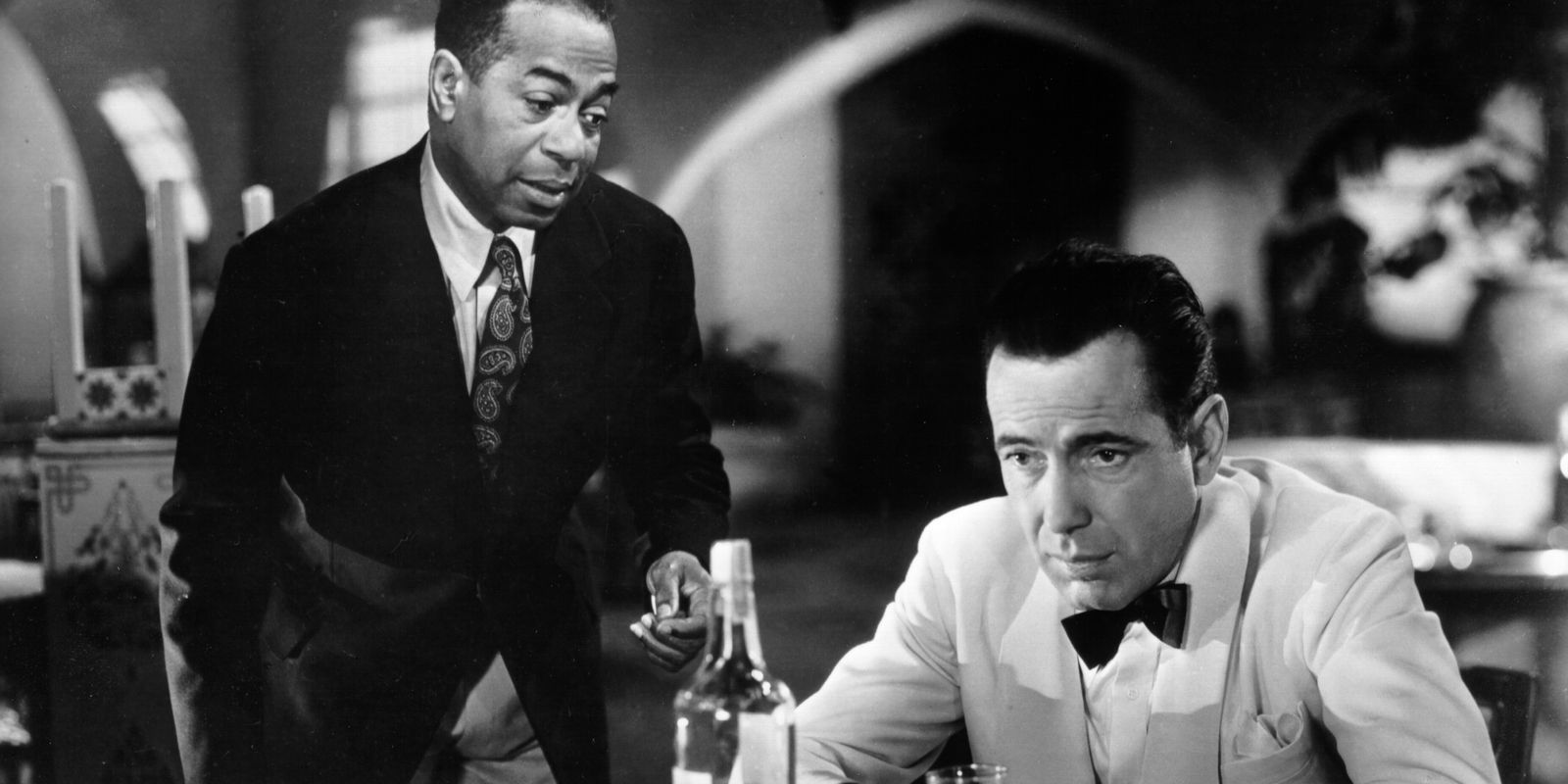
During World War II, the movie Casablanca takes place in Morocco, which was under French control at the time. Rick’s Café Américain is a meeting place for people with opposing interests, and the film centers around Rick Blaine, a cynical man played by Humphrey Bogart, who eventually finds a new sense of purpose. The café itself isn’t just where the story happens; it actively changes the lives of the characters.
The movie doesn’t need graphic violence; it powerfully affects viewers through a deeply emotional sacrifice. The love between Rick and Ilsa reaches its peak with a heartbreaking goodbye, deliberately choosing what’s right over what they both want. Because of World War II, they have no real options, making their love a brief, precious moment that ends with a quiet sadness.
Life Is Beautiful Hides Horror Behind a Father’s Love
Roberto Benigni’s Life Is Beautiful is a different kind of war movie, skillfully combining heartbreaking tragedy with moments of genuine comedy. The film tells the story of the Holocaust through the loving relationship between a father and son. It starts with a playful, joyful tone, but quickly shifts to the horrors of life in a concentration camp. Despite the terrible circumstances, Guido Orefice’s unwavering dedication to shielding his son keeps the story surprisingly hopeful and bright. Even in the face of unimaginable evil, Guido’s spirit remains a powerful and lasting light.
While some critics felt Life Is Beautiful didn’t fully capture the horrors of the Holocaust, the film was ultimately meant as a loving story. At its core, it’s about the powerful bond between a father and son, as Guido desperately tries to shield his son, Giosuè, from the true suffering around them. The film’s emotional impact comes from the contrast between Giosuè’s innocent perception and what the audience knows is really happening – especially in Guido’s heartbreaking final scenes, which show his love is both deeply sad and incredibly comforting.
Good Morning, Vietnam Tries to Lighten War with Humor
Many Vietnam War films, like Apocalypse Now, focus heavily on disaster and destruction, often showing intense violence, loss of humanity, and widespread suffering. Good Morning, Vietnam stands out as an exception. Starring Robin Williams as radio DJ Adrian Cronauer—a role that earned him Golden Globe and Oscar nominations—the film offers a comedic and musically-driven look at the war, highlighting themes of protest and disagreement.
Cronauer’s radio shows become a crucial source of hope for soldiers facing incredibly difficult times. While the Vietnam War isn’t directly shown, its unsettling impact is felt throughout the film. Good Morning, Vietnam subtly reveals the true cost of war, not through graphic violence, but through the use of censorship and propaganda. As the comedy fades, the audience realizes that even laughter can’t protect people from the harsh realities of war.
The Zone of Interest Captures War Through Its Absence
The film cleverly avoids showing direct violence, instead focusing on what’s implied, allowing the audience to understand what’s happening without actually seeing it. It tells the story through the eyes of a Nazi commandant’s family, who create a comfortable life for themselves right beside the Auschwitz concentration camp. This unusual approach actually highlights the horrors of the Holocaust by pointedly not showing them, making its absence powerfully noticeable.
The film depicts a family going about their everyday life – gardening, raising children, and eating meals – while a genocide happens nearby. What’s most disturbing is how unaffected their normal routines are by the horrors unfolding around them, even with the sounds of screams and gunfire faintly audible. Ultimately, The Zone of Interest is heartbreaking because it shows how easily unimaginable atrocities can become normalized and fade into the background noise of life.
Oppenheimer Questions the Moral Weight of Science
Even today, the atomic bombings of Hiroshima and Nagasaki are unique – no other country has used nuclear weapons in war. The film Oppenheimer explores the heavy emotional and ethical weight carried by the scientist who helped create these weapons, as he felt responsible for the destruction of two vibrant cities following President Truman’s order in 1945. The movie focuses particularly on the consequences of those events.
While the Manhattan Project showcases incredible human innovation, the film Oppenheimer highlights how it also foreshadowed potential global catastrophe. The movie ends with Oppenheimer contemplating the possibility of a nuclear apocalypse – a chain reaction that could obliterate the world – turning a scientific achievement into a source of profound and lasting anxiety, which feels especially relevant now.
The Imitation Game Depicts War as a Battle of the Minds
Today’s warfare isn’t limited to traditional battlefields; it heavily depends on computers and digital strategies. The movie The Imitation Game powerfully illustrates this, showing how intellectual brilliance can be a crucial weapon. The film tells the story of Alan Turing and highlights how war can be won not through force, but by outsmarting the enemy.
As a movie buff, I was really captivated by The Imitation Game. It wasn’t your typical war movie focused on heroism; instead, it really dug into the loneliness and quirks of Alan Turing, the man who cracked the Enigma code. It’s heartbreaking to realize that while his work saved countless lives during the war, his own life was filled with isolation and he was unfairly persecuted simply for being who he was. It’s deeply upsetting to see how a genius who saved so many was treated, and honestly, it’s shocking how similar injustices are still happening today.
Grave of the Fireflies Highlights War at Its Most Heartbreaking
Studio Ghibli is known for its charming stories about growing up, family, and relationships. But one film stands out as particularly tragic. It avoids dramatic spectacle and instead focuses on the deeply personal experiences of two children struggling to survive a terrifying and emotionally challenging situation.
Rather than focusing on dramatic stories or inspiring characters, Grave of the Fireflies powerfully depicts the pain of war by showing how it affects children. As the war goes on, the lives of the two main characters become increasingly difficult, deeply affecting anyone who watches. Even happy moments feel sad, because the audience knows those moments won’t last in a world falling apart.
The Boy in the Striped Pyjamas Reveals Innocence Destroyed by War
While Life Is Beautiful looked at the Holocaust through the eyes of a child, The Boy in the Striped Pyjamas offers a much bleaker perspective on similar themes. The film focuses on the unexpected friendship between Shmuel, a Jewish boy held in a concentration camp, and Bruno, whose father is a Nazi officer. It powerfully highlights the difference between the harsh realities of the Holocaust and the innocence of a child who doesn’t understand them.
Even though Bruno and Shmuel don’t fully understand what’s happening, the audience does, which creates a powerful sense of dramatic irony in The Boy in the Striped Pyjamas. Throughout the story, we know what’s coming, and that builds tension until the very end. The film powerfully and accurately shows that children should never experience the horrors of the Holocaust.
Atonement Showcases Trauma Beyond the Battlefield
Keira Knightley and James McAvoy deliver acclaimed performances in Atonement, a heartbreaking war story that jumps between different time periods. Set against the backdrop of World War II, the film beautifully depicts the emotional devastation and turmoil of war, focusing on its impact on individuals and relationships, rather than relying on typical action sequences.
At its heart, Atonement explores the lasting impact of our actions – how even one event can create a chain of consequences that can’t be reversed. The backdrop of war emphasizes this idea, connecting individual experiences to broader historical trauma. By avoiding explicit violence, the story instead powerfully focuses on the emotional fallout and the weight of those consequences.
The Great Dictator Became So Much More Than a Comedy
Few films use humor as effectively as this one, which cleverly ridicules authoritarian leaders and exposes their vulnerability. The movie explores how prejudice and misleading information can influence people, and because it was released during World War II, it became a subtle act of defiance against Adolf Hitler and the Nazi regime.
When Charlie Chaplin released The Great Dictator, neither he nor most people fully understood the extent of the Holocaust. He later wrote in his autobiography that if he had known about the horrors of the German concentration camps, he wouldn’t have been able to make a comedy about the Nazis. Essentially, the film began as satire but ultimately became a reflection of the terrible realities unfolding at the time.
Found an error? Send it so it can be corrected.
Read More
- Доллар обгонит лев? Эксперты раскрыли неожиданный сценарий
- Hogwarts Sure Does Look Familiar In The New Harry Potter Trailer (But Not From The Movies)
- Gwyneth Paltrow on Avengers: Doomsday Return: ‘What’s That?’
- Canon Events: Professor X Nearly Destroyed the X-Men’s Dream as Onslaught
- New Yellowstone Report Reveals The Real Reason Why Monica Dutton Was Killed In Marshals
- Apple TV’s New Horror Series Is Stephen King-Like Nightmare Fuel In First Widow’s Bay Trailer
- The Last Of Us Season 3 Set Photos Reveal Kaitlyn Dever’s Abby Return & New Character Lev
- Disney+ Launches New Feature That Marvel Fans Will Love
- Ready Or Not 2 Box Office Slammed With Week 2 Drop That’s Twice As Large As The OG Movie’s
- Supergirl Gets a Big Change Ahead of Release — Report
2026-04-07 23:44