Shows like Orphan Black and The Prisoner prove there’s a wealth of great science fiction out there that many people have forgotten. In fact, the sci-fi genre has a ton of beloved, but lesser-known, classics alongside its big hits.
I’m a huge sci-fi fan, and it’s always a bit of a gamble. You see a show like Severance really take off, which is fantastic, but then you remember Firefly – a brilliant show that was just gone too soon. There are so many amazing sci-fi series out there, and when they’re good, they just keep getting better, but you always worry they might not get the chance!
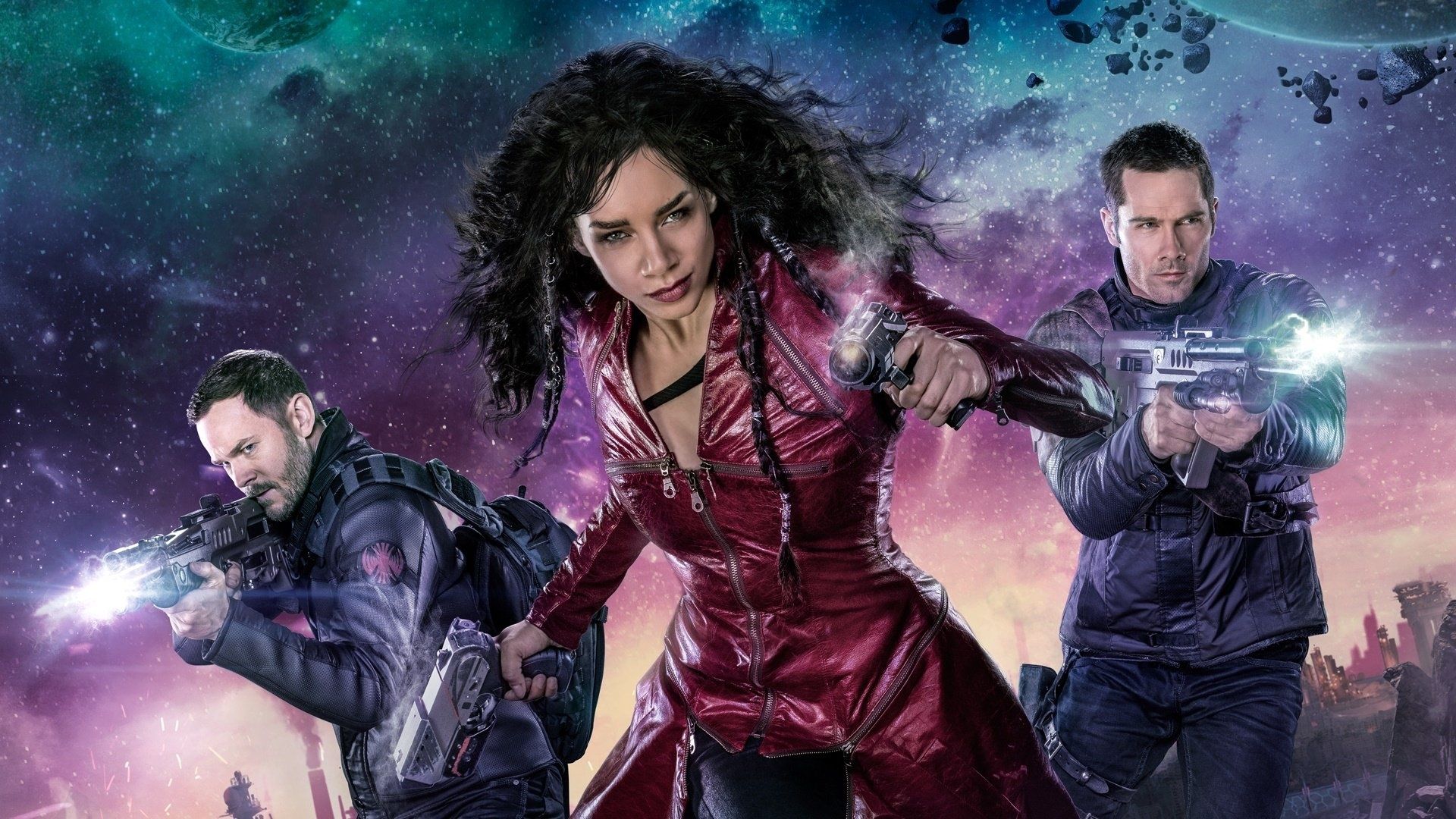
Killjoys
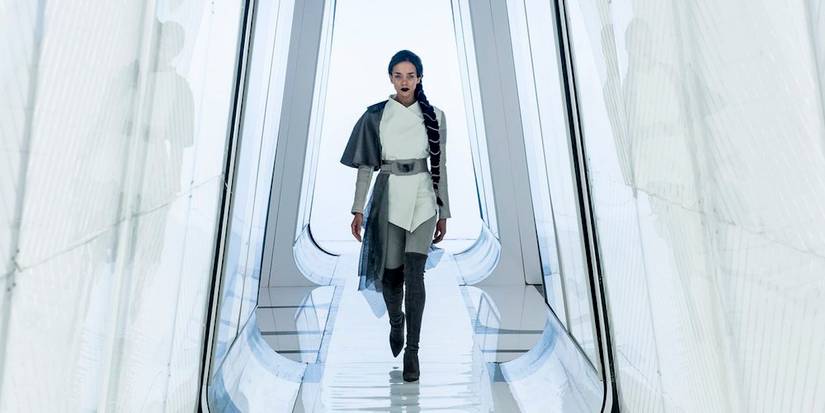
Despite lasting five seasons, the sci-fi series Killjoys didn’t receive the recognition it deserved. The show centers around a team of skilled bounty hunters navigating the exciting world of space piracy. They pursue targets across a four-planet system called “The Quad,” all while confronting their complicated and often heartbreaking histories.
The show Killjoys is similar to Judge Dredd, but takes place in space. It follows a team of serious government agents who have a lot of authority. Many viewers feel it captures the essence of the classic Boba Fett character even better than The Book of Boba Fett, and is more in line with the cool, gun-toting bounty hunter fans remember.
The Outer Limits
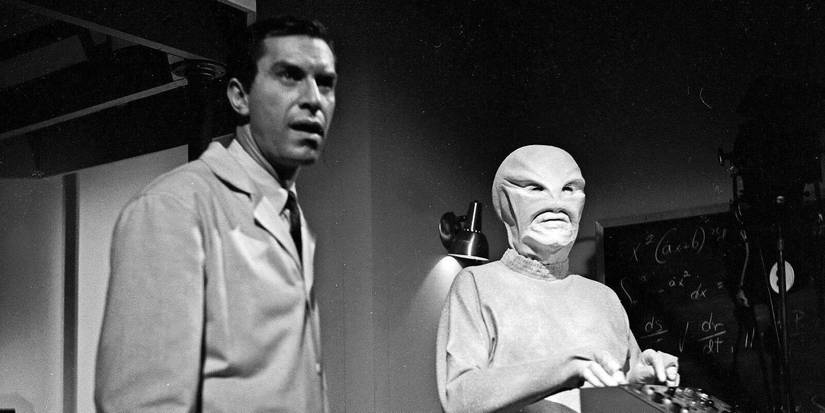
While often seen as second to The Twilight Zone, The Outer Limits is also a series of standalone science fiction and horror stories. Similar to Rod Serling’s famous show, it presents a new tale each episode, but it doesn’t focus on social issues as directly.
Both The Twilight Zone and The Outer Limits were popular science fiction shows, but they approached storytelling differently. The Twilight Zone often used its stories to comment on society and politics, while The Outer Limits focused more on creating exciting, standalone adventures. Despite this, The Outer Limits was incredibly engaging, known for its clever writing and surprising twists, making it just as captivating as The Twilight Zone, even if it didn’t delve as deeply into social issues.
Farscape
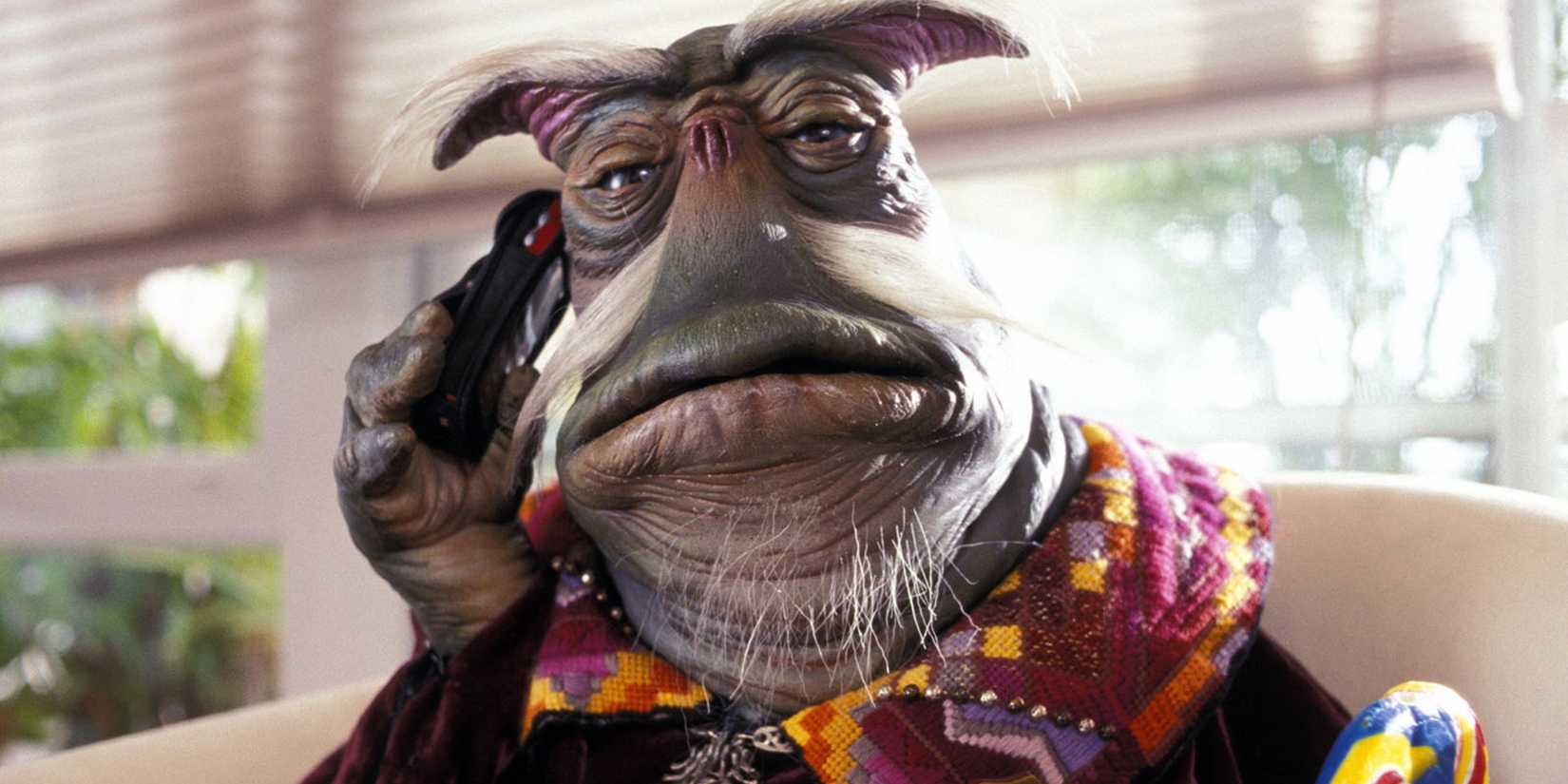
Computer-generated imagery (CGI) often doesn’t hold up well over time, particularly in TV shows with limited special effects budgets – think of the exploding CDC building in the first season finale of The Walking Dead. However, practical effects, like the alien makeup and prosthetics created by The Jim Henson Company for Farscape, still look fantastic today.
Let me tell you, the puppets and creature effects in Farscape are truly immersive – they really pull you into this incredibly imaginative universe. What keeps it from feeling too out there, though, is the main character. He’s a bit of a scoundrel, and his constant pop culture quips make even the wildest alien scenarios feel surprisingly down-to-earth. My biggest gripe? The show was canceled way too soon, right before they could finish the planned final season. It ends on a frustrating cliffhanger, but honestly? It’s still one of the most exciting and original sci-fi rides I’ve ever taken.
The Hitchhiker’s Guide To The Galaxy
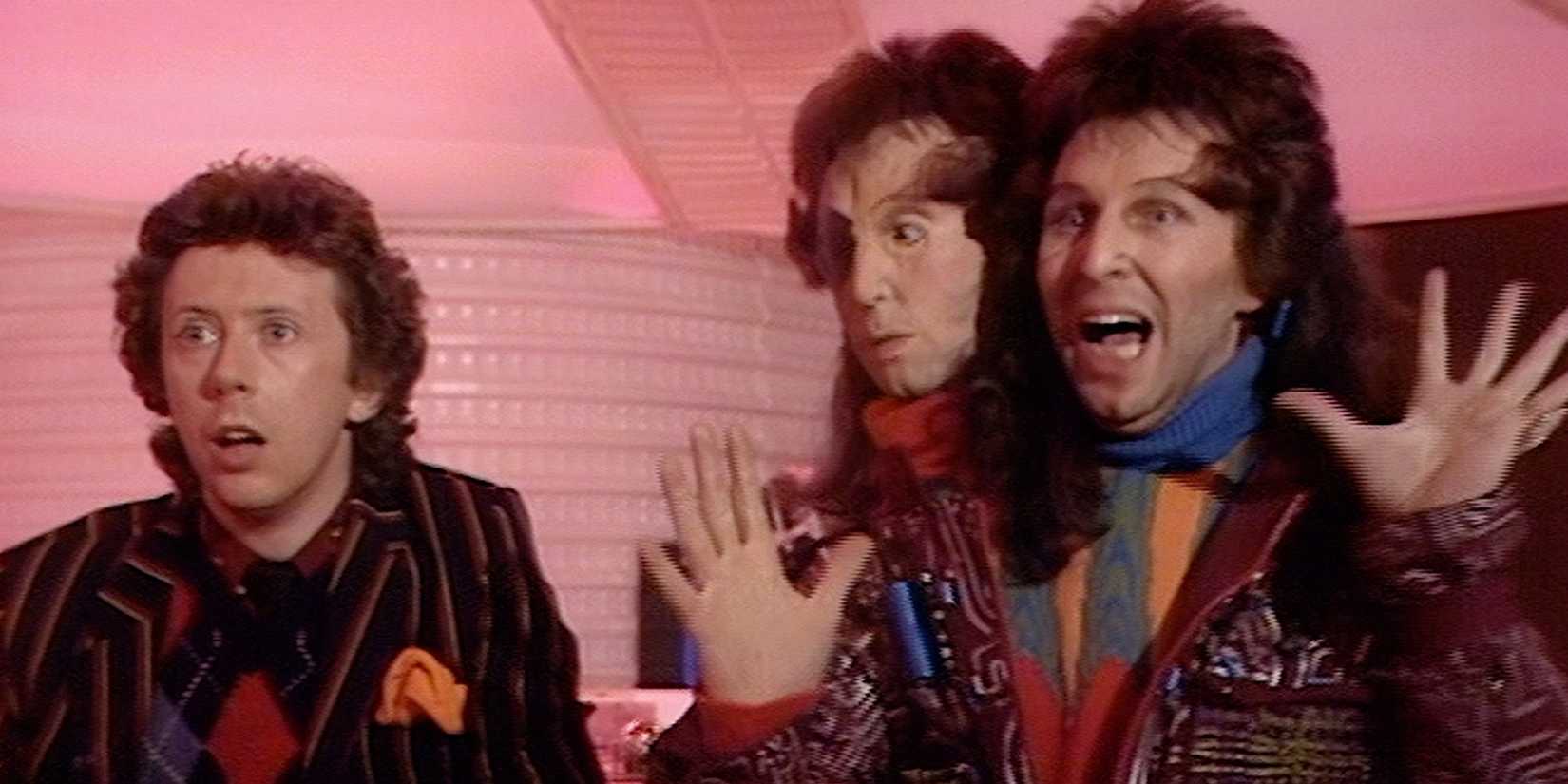
Douglas Adams’ The Hitchhiker’s Guide to the Galaxy is a hugely influential and funny work of science fiction. It’s known for being both clever and imaginative, blending serious science fiction ideas with a distinctly dry British sense of humor. Despite being thought impossible to adapt for the screen, it was successfully turned into a beloved TV series by writer John Lloyd and director-producer Alan J.W. Bell.
This BBC miniseries is a fantastic adaptation of the original story, thanks to its clever writing, perfect casting, and creative direction. While others have tried to bring this story to life on screen with mixed results, this version truly stands out as the best.
12 Monkeys
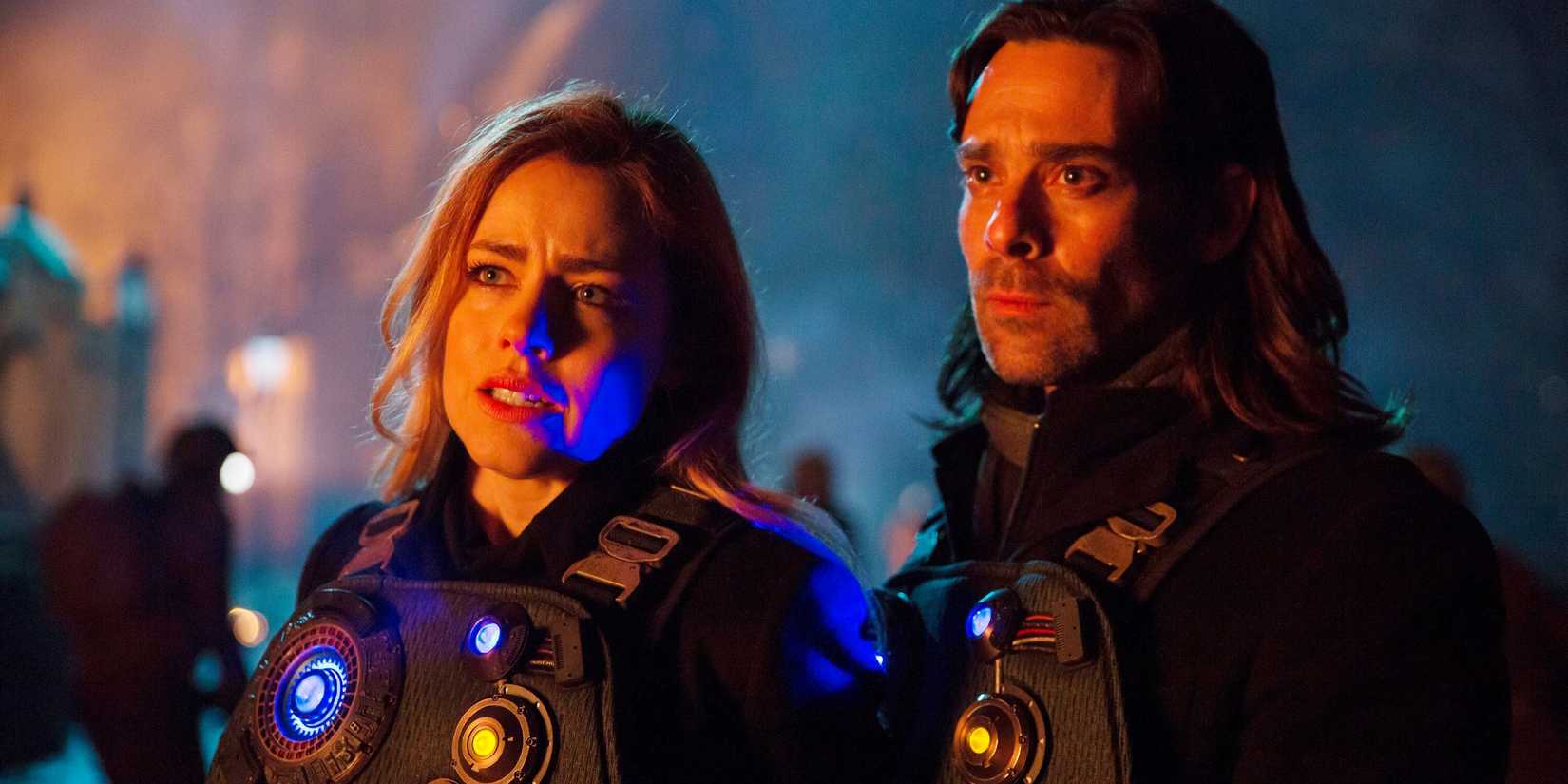
Inspired by Terry Gilliam’s film 12 Monkeys, the TV series is a truly impressive, yet often overlooked, time travel story. Like the movie, it centers on a tough, world-weary character sent from a ruined future to stop a dangerous, human-created virus from wiping out humanity.
The TV series 12 Monkeys benefited from having more time to develop its characters, fully explore its complex ideas, and unravel the intricacies of its time travel plot. Uniquely structured across two timelines, the show builds a compelling story over multiple seasons.
Battlestar Galactica
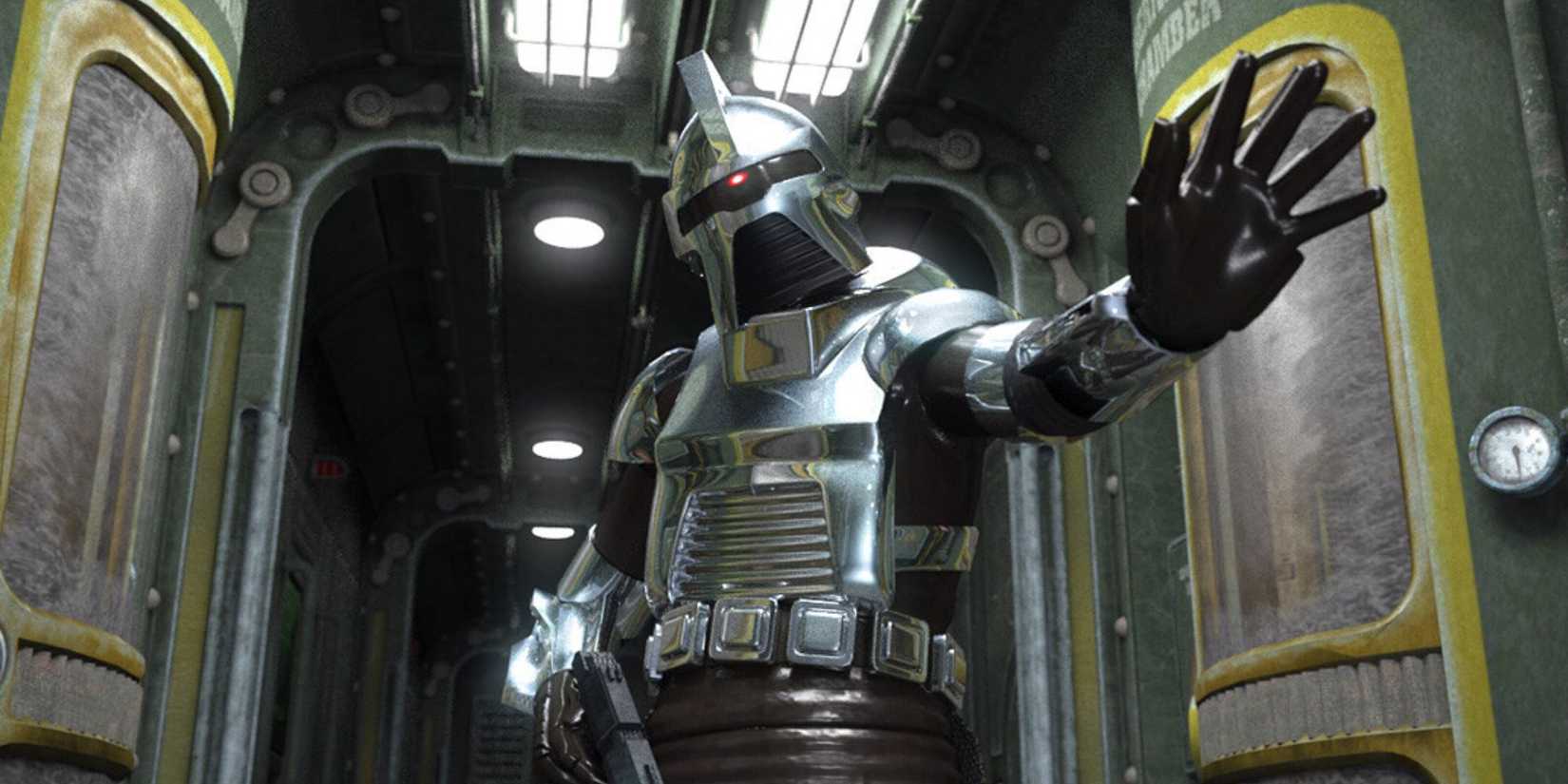
Ronald D. Moore’s reimagining of Battlestar Galactica is a rare example of a reboot surpassing its source material. The original Battlestar Galactica, from 1978, felt like a superficial copy of the space adventures popular after Star Wars – similar to films like Moonraker and Battle Beyond the Stars, and even Star Trek: The Motion Picture. However, Moore’s reboot took the basic premise of the original and transformed it into a truly impactful and thought-provoking series.
The reimagined Battlestar Galactica used the war between humans and the Cylons—robots created by humans—as a powerful metaphor for the United States’ response to 9/11. Looking back, the show feels relevant to many of the conflicts America has faced since then. It’s considered a defining example of military science fiction, set in space but offering a stark commentary on the pointlessness of war.
Red Dwarf
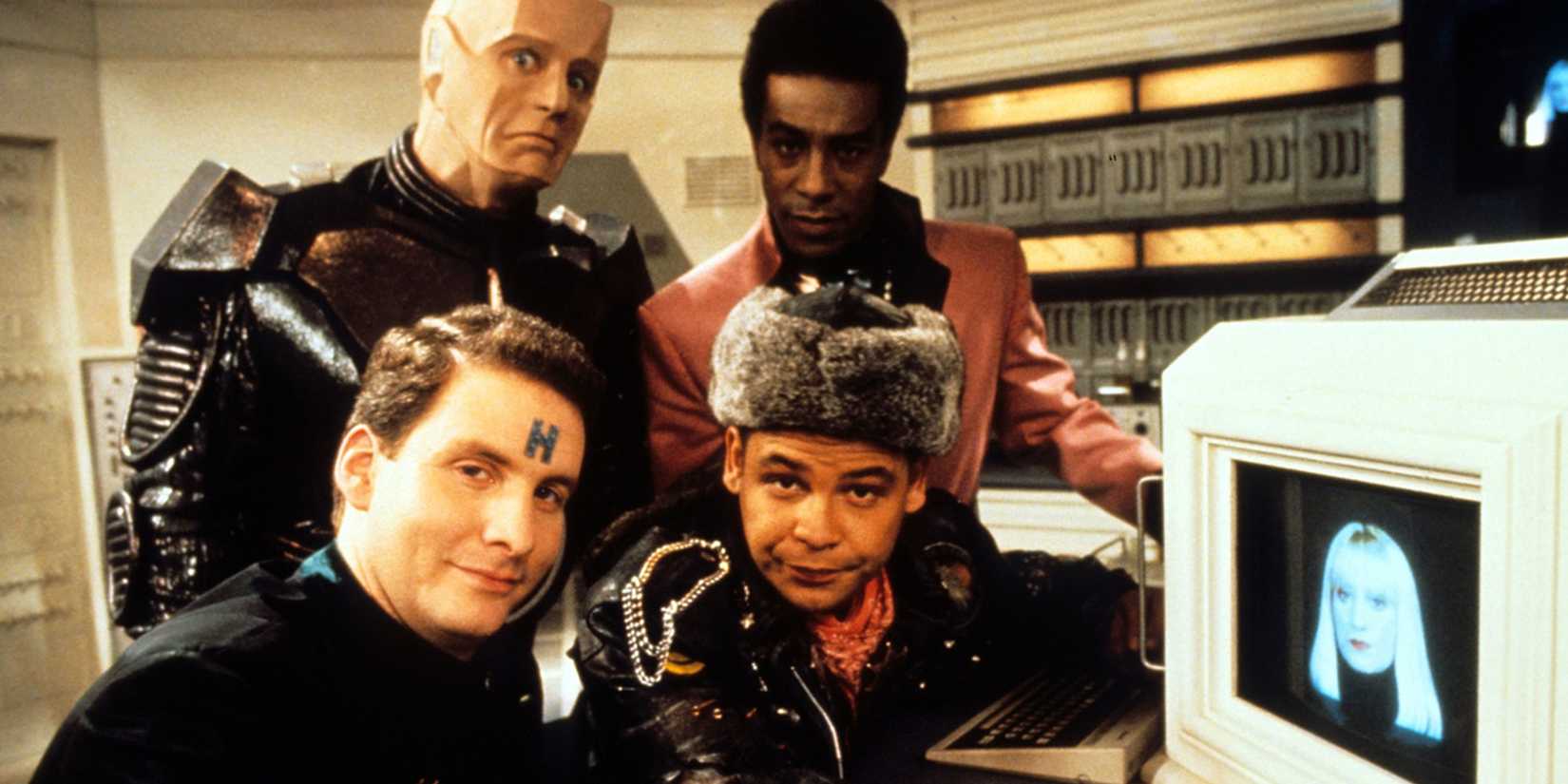
The idea of a group traveling through space – famously seen in Star Trek, which was often described as ‘Wagon Train to the stars’ – works well for serious dramas like Firefly and The Orville. But it’s also a great foundation for comedies, such as Futurama. Red Dwarf is the best example of this particular type of sci-fi comedy.
Red Dwarf brilliantly combines hilarious characters with imaginative science fiction. At its heart, it’s a classic ‘odd couple’ story – two characters who can’t stand each other are stuck together in space. But the show’s futuristic setting allows for endless creative and unique stories and plot twists.
Orphan Black
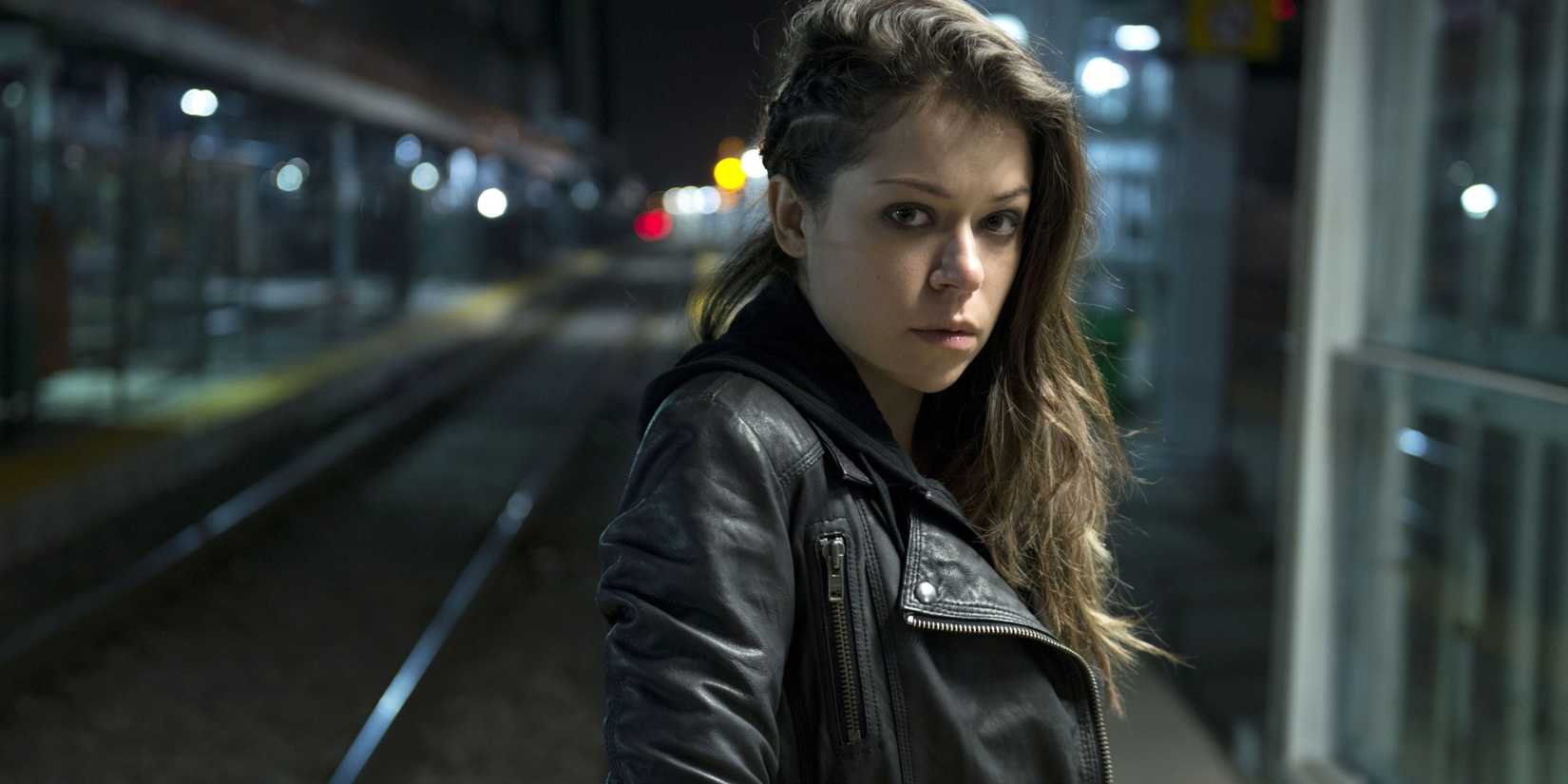
The first episode of Orphan Black is incredibly captivating. It starts with a woman watching an exact look-alike die, and then taking her place. This leads her to uncover a huge conspiracy involving many clones – all versions of herself. It immediately pulls you in and keeps you hooked throughout.
I was hooked from the start – it began as a really cool sci-fi thriller with a conspiracy at its heart, but quickly became something much more emotional. It’s a beautiful story about these clones finding each other and becoming a family. And honestly, Tatiana Maslany’s performance is incredible – truly one of the best I’ve ever seen on TV. She plays all the clones, and they each feel like completely different people – different personalities, the way they move, even the way they speak. It’s amazing – you genuinely forget it’s just one actor playing them all!
Cowboy Bebop
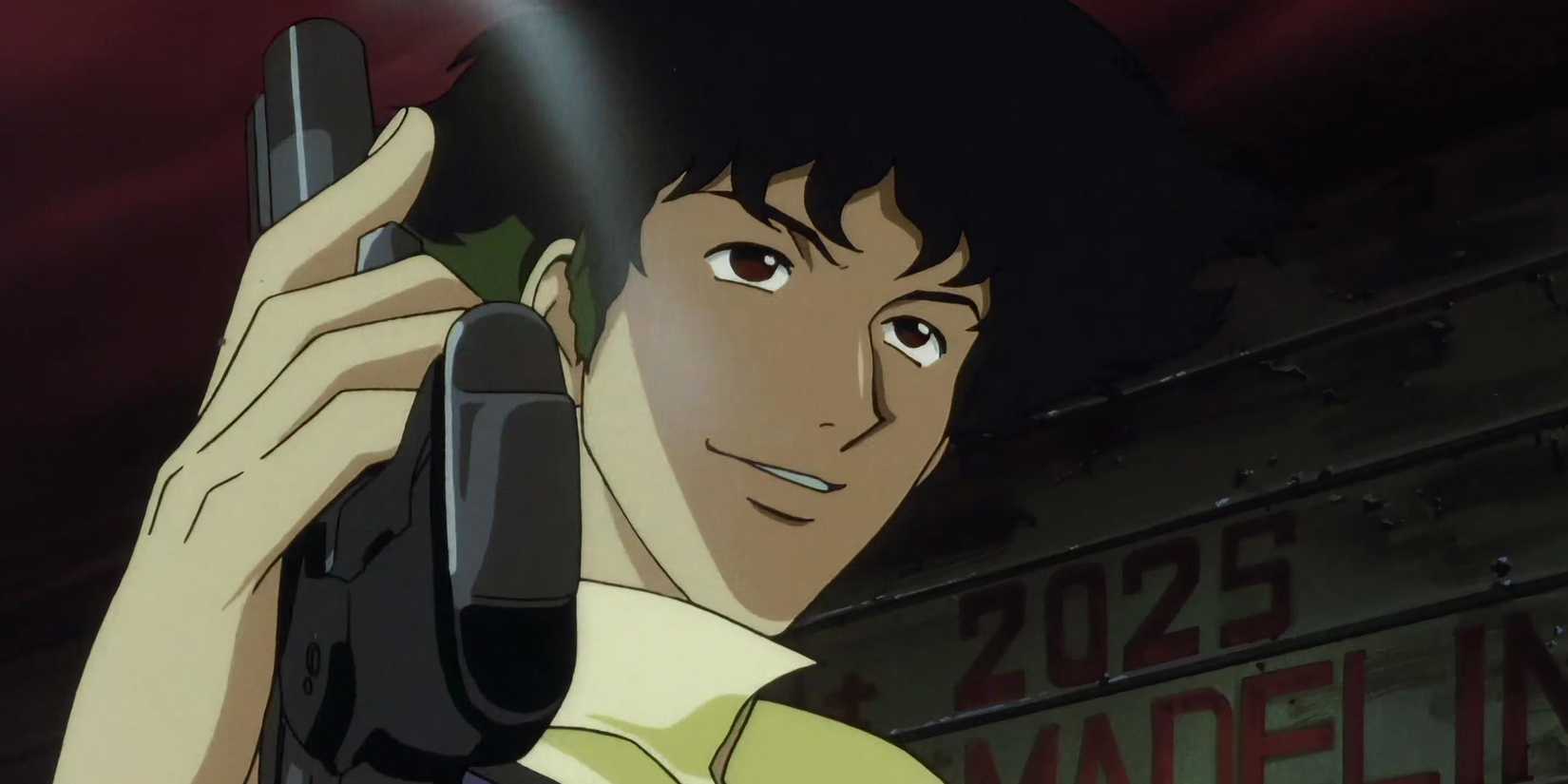
Released in the late 1990s, Cowboy Bebop was a pioneering anime series that introduced many Western viewers to the genre. Even today, almost thirty years later, it remains a critically acclaimed television show, considered a masterpiece regardless of whether you enjoy anime or not.
Cowboy Bebop is a lively and visually striking anime series that blends the styles of detective stories, classic westerns, and futuristic science fiction. What sets it apart is that it tells a complete story – following a crew of bounty hunters traveling the galaxy – in just 26 episodes. This is in stark contrast to longer-running shows like One Piece, which after over 1,000 episodes, still hasn’t reached its main goal. Cowboy Bebop, however, offers a concise and satisfying narrative with a clear start, development, and conclusion.
The Prisoner
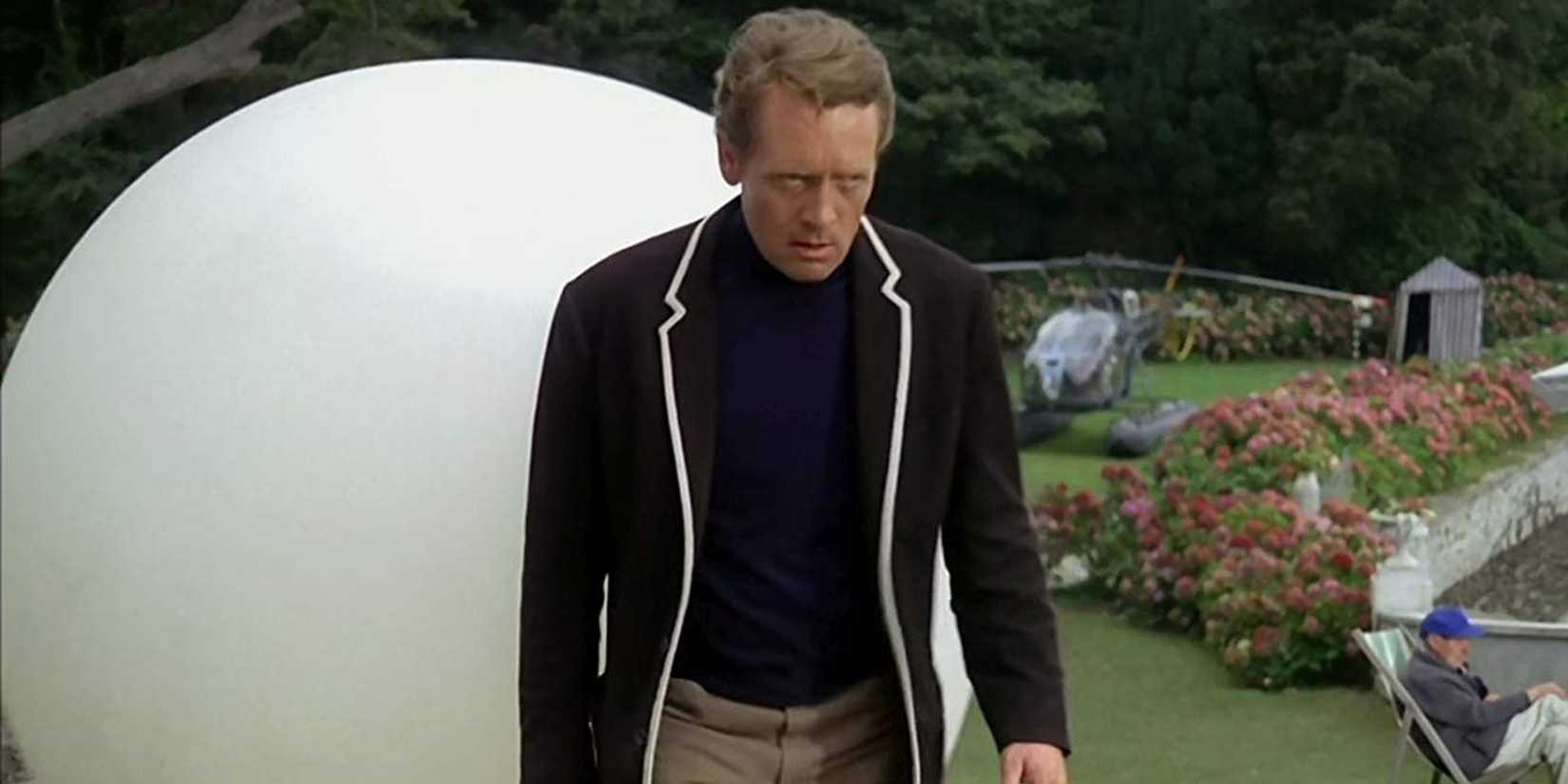
Considered a classic of cult television, The Prisoner brilliantly blends spy adventures, psychological suspense, and a bizarre, dreamlike atmosphere. The series begins with a British secret agent who, after resigning from his job, mysteriously finds himself trapped in a peculiar seaside town surrounded by mountains. The town’s inhabitants don’t use names—everyone is identified only by a number.
This strange and short-lived show centers on Number Six, who tries to figure out the secrets of the Village through a series of unusual stories that mirror the anxieties and rebellious spirit of the 1960s. Though largely overlooked today, The Prisoner had a huge impact on popular mystery shows like Twin Peaks, Lost, and Stranger Things.
Read More
- New Chris Pratt Sci-Fi Flop Already Out on Streaming
- Taylor Sheridan’s Mayor of Kingstown Kills Off Tracy in Season 3
- Captain America’s Cut Fantastic Four First Steps Scene Revealed (Report)
- The Mummy Returns Sets 25th Anniversary Rerelease Date With Poster & Teaser
- Avatar: The Last Airbender’s 8 Biggest Takeaways, 20 Years Later
- Прогноз криптовалюты OP: прогнозы цены OP
- House of the Dragon Season 3 Teaser, Photos Reveal New Character
- Доллар обгонит пакистанскую рупию? Эксперты раскрыли неожиданный сценарий
- Whether Dunk Was Really Knighted in A Knight of the Seven Kingdoms Revealed
- Universal Announces 2-Month Long Mardi Gras for 2026 With More Information Still to Come
2026-03-21 23:32