Long-running TV shows face a tricky balance. While it’s great that viewers get attached to characters and storylines, shows can sometimes suffer the longer they go on. The need to constantly create more drama can lead some series to become exaggerated versions of what made them popular in the first place.
It’s fascinating to me how some shows take a different path. Instead of staying true to the elements that initially drew fans in, they change so drastically that by the end, they barely resemble the series I first fell in love with. It’s almost like watching a completely different show!
Crazy Ex-Girlfriend
2015-2019, 4 Seasons
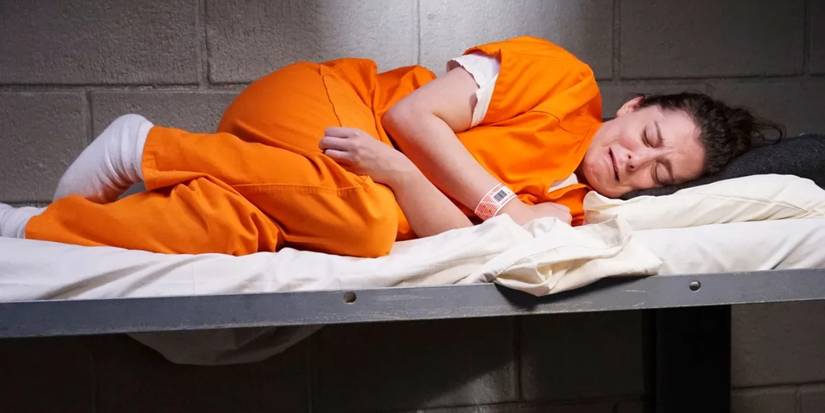
I truly think Crazy Ex-Girlfriend was special – a real gem! It’s amazing when you think about it: an original musical comedy, an hour long, and led by a woman? That’s a tough sell in television. When it first came out, the show cleverly hid how deep it actually went with really funny moments and a classic love triangle. For a while, it felt like a super quirky rom-com, with Rebecca Bunch (played by Rachel Bloom, who also co-created the show!) just bouncing from one chaotic relationship to another, all expressed through incredible songs.
As the show went on, the original premise felt less and less relevant. Greg’s departure after season two and Rebecca giving up on Josh Chan made the show’s title feel inaccurate. While the series’ new focus on Rebecca’s friendships was a positive development, the show’s overall tone became much more serious as Rebecca’s mental health declined.
By its third season, the show directly addressed Rebecca’s emotional difficulties, leading to a suicide attempt that was a significant shift in the series’ overall mood. The fourth and final season was a very different experience than what viewers might have expected from the earlier, more music-focused seasons.
Game Of Thrones
2011-2019, 8 Seasons
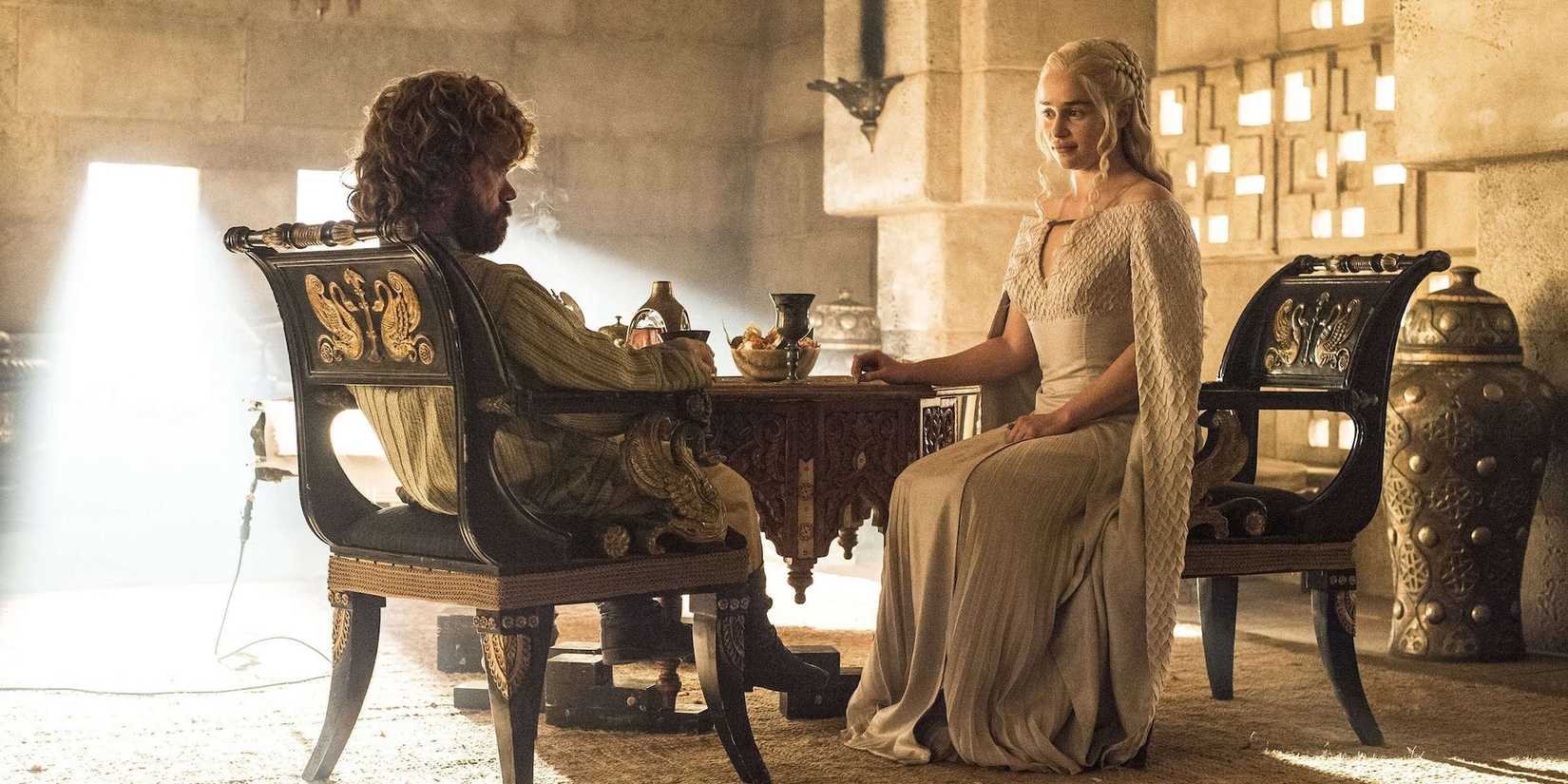
The later seasons of Game of Thrones weren’t just different in tone; the quality of the writing and how the story unfolded noticeably declined. The earlier seasons, which closely followed George R.R. Martin’s books, were known for their intricate details, complex political maneuvering, and characters that developed gradually.
The relationships between characters like Arya and the Hound, or Tyrion and Bronn, developed slowly and realistically over time, adding depth to the story. However, towards the end of the series, this careful pacing vanished. Characters began traveling incredibly long distances in impossibly short periods – Gendry’s rushed journey beyond the Wall in season 7 is a prime example – and important plot points happened too quickly, without the careful build-up that had previously made them so engaging.
As a critic, I have to say the final season of Game of Thrones felt…off. They really rushed things. It felt like they tried to cram years of intricate plotlines into just a few episodes, and honestly, it hurt the story. Key moments lacked the emotional weight they deserved, and things just didn’t quite make sense. While the characters and the world of Westeros were still there, the way the story was told was dramatically different – and not in a good way.
The Office
2005-2013, 9 Seasons
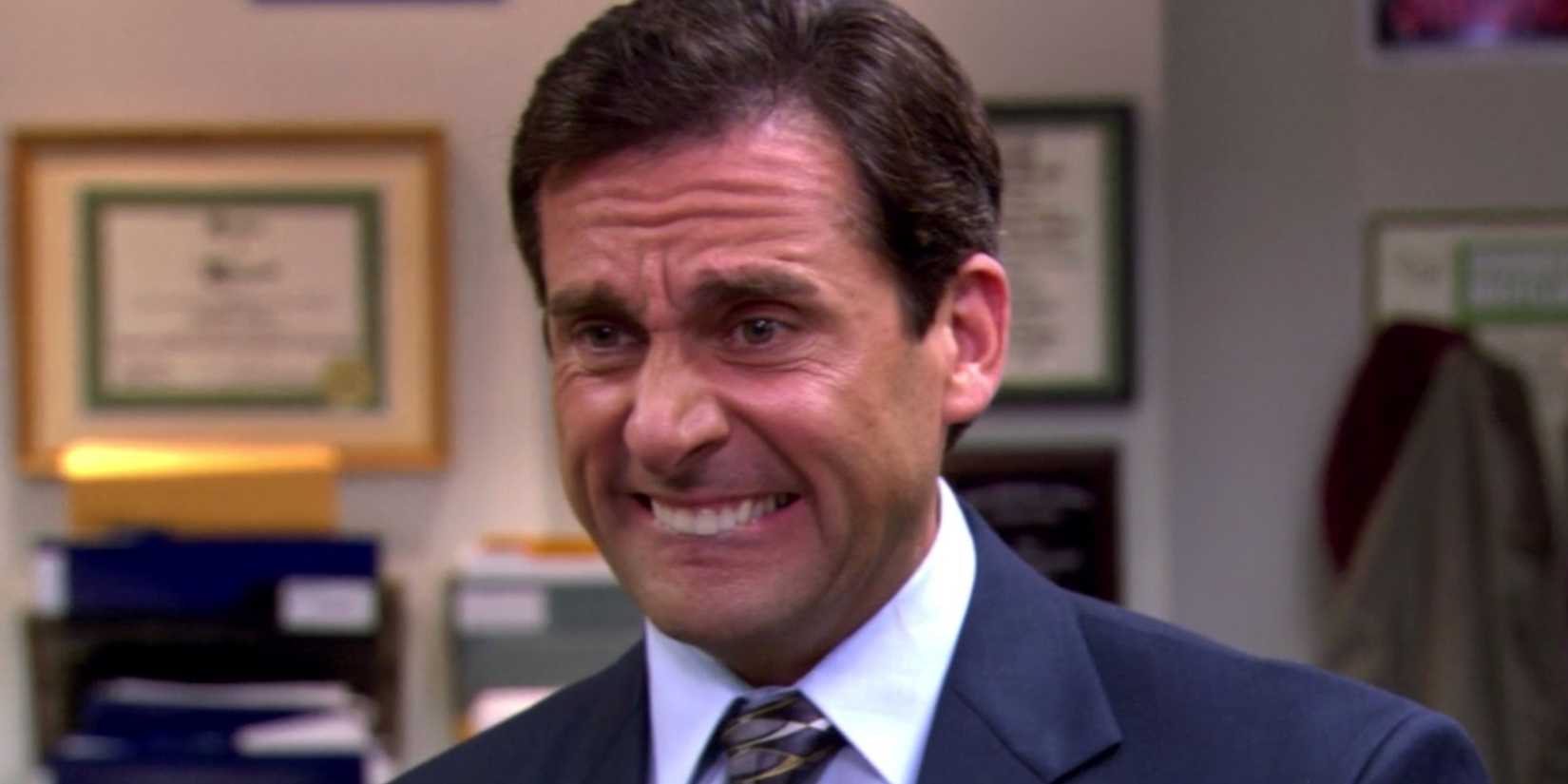
Initially, the American version of The Office closely followed the style of the original British series. However, it soon developed its own distinct identity, starting in its second season, largely due to the character of Michael Scott. Steve Carell’s portrayal of Michael made him the heart of the show, both funny and touching thanks to his unusual combination of awkwardness, insecurity, and genuine kindness.
The show originally featured a cast where everyone played an important role, but it gradually became more focused on one character. When that character left in season 7, it felt like a significant blow to the show’s foundation. It took a while for the series to adjust, but it eventually returned to being a true ensemble, with a new character, Andy, stepping in to fill the void left by the previous lead.
As a huge fan, I have to admit, after Michael left, the show just didn’t feel the same. It wasn’t a continuation of what I loved, but something completely different. The humor changed, and honestly, the heart of the office relationships just wasn’t there anymore. It felt like a whole new show, not just the same one with a new boss.
Glee
2009-2015, 6 Seasons
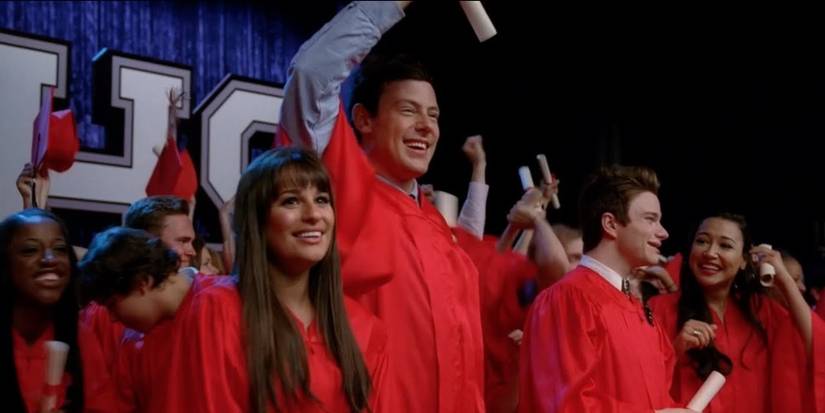
The show Glee started strong, but over time, it became a self-aware parody of what it once was. The first season found a unique balance between witty humor and heartfelt stories about everyday issues like fitting in and finding yourself. The musical performances in early Glee episodes enhanced the characters and plot, rather than just being flashy displays.
Throughout its six seasons, Glee became more over-the-top, with increasingly elaborate musical performances, dramatic situations, and unbelievable plots. Starting in seasons four and five, the show followed both new students at McKinley High in Ohio and former students like Rachel and Kurt as they tried to make it in New York City. The storylines also became self-aware, like when Rachel left a successful Broadway show to pursue a TV series that quickly failed.
Sue Sylvester became an exaggerated version of her original character, and by the sixth season, the show lost its direction. The glee club was broken up and started over with a new cast, the show’s mood changed drastically, and it ultimately felt like a strange, over-the-top version of what it used to be.
True Blood
2008-2014, 7 Seasons

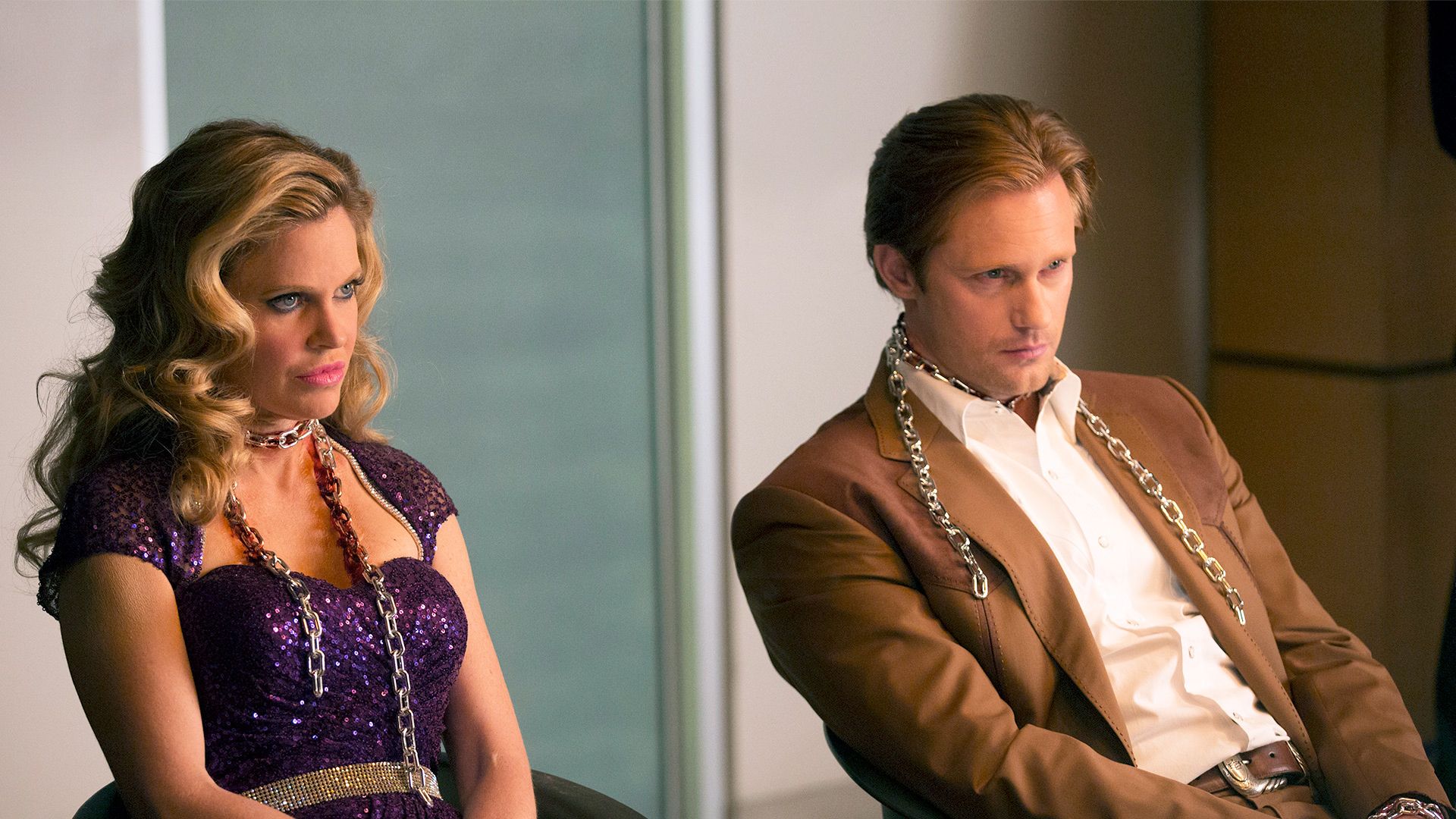
Initially, True Blood was a captivating drama centered around vampires, infused with the eerie vibes of the American South, political themes, and romantic storylines. The first few seasons closely followed Sookie Stackhouse (Anna Paquin) and her connections with vampires and other supernatural beings in the town of Bon Temps, skillfully mixing mystery, dark comedy, and passionate encounters.
As True Blood continued for seven seasons, the show’s universe grew significantly, adding creatures like werewolves, witches, faeries, and maenads. It also featured complex plots and increasingly dramatic events. Each season attempted to be more intense than the last, which ultimately made the show feel cluttered and overwhelming.
As the show went on, True Blood shifted from a close-up, character-focused story to a much larger, more action-packed supernatural drama. Though the main characters stayed involved, the show’s overall feel, scale, and what it tried to accomplish with its stories became much grander than the intimate, gothic mystery it started as.
Once Upon A Time
2011-2018, 7 Seasons
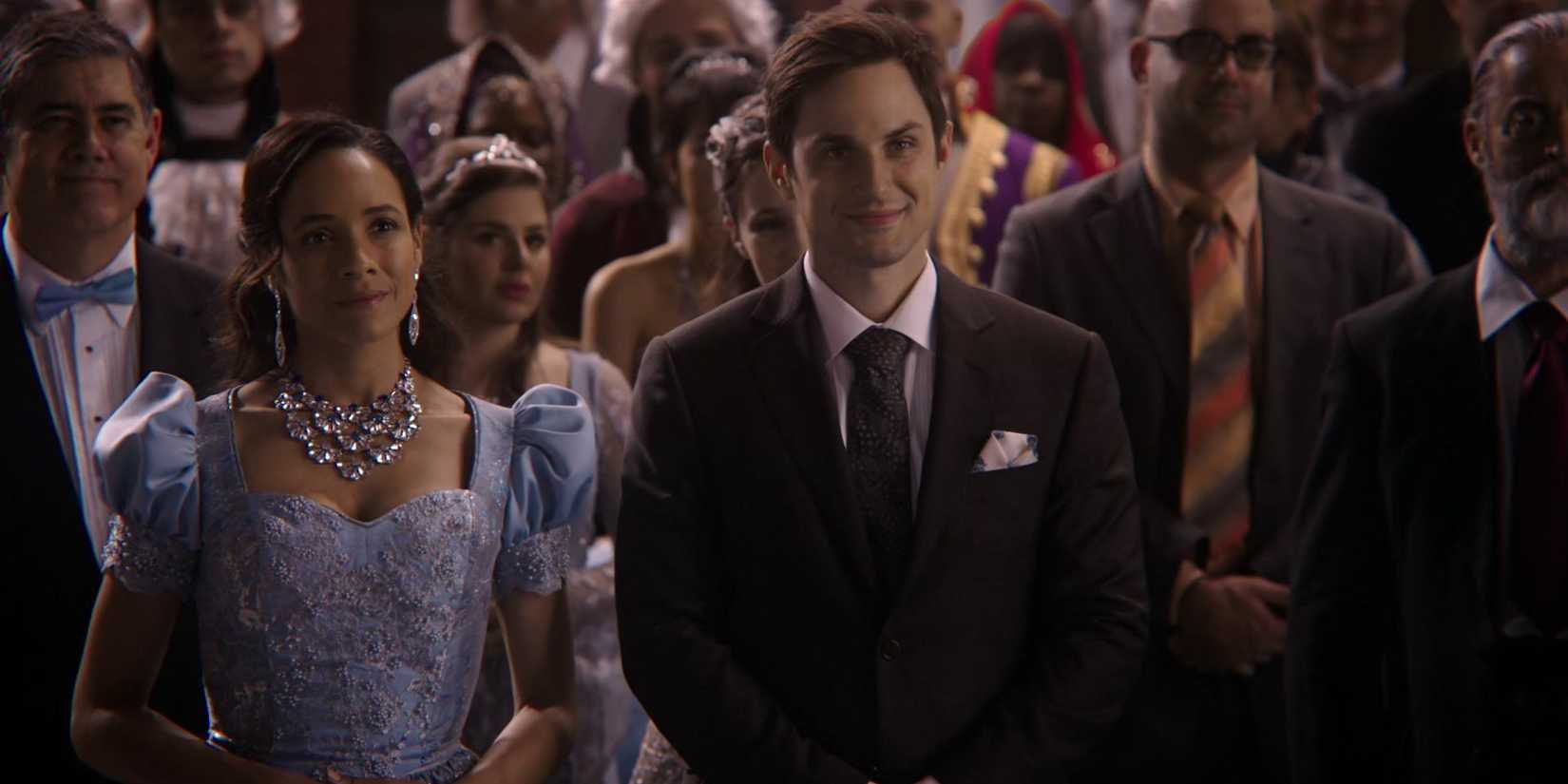
The show Once Upon a Time started strong, cleverly blending classic fairy tales with the relatable drama of small-town life and delivering genuinely moving moments. However, later seasons became overly complicated with too much backstory and felt like they were trying too hard to capitalize on popular trends, most notably with a rushed and obvious attempt to incorporate Frozen.
The show began relying heavily on tricks like memory wipes, instant teleportation, and other easy fixes, which disrupted the storyline and made things feel less important. Rather than ending after season 6 when several main actors left, it continued for one more season that felt completely different from what came before.
As a longtime fan, it was really disappointing to see what happened with Henry. They aged him up, replaced the actor, and completely changed his family situation. Plus, they moved the whole show from the cozy, fairytale-infused Storybrooke in Maine to Seattle. Honestly, it felt like a total reboot, and while some of the characters were still there, it lost almost everything I loved about the earlier seasons – that special charm, the way everything fit together, and those really relatable, emotional stories. It just didn’t feel the same at all.
Weeds
2005-2012, 8 Seasons
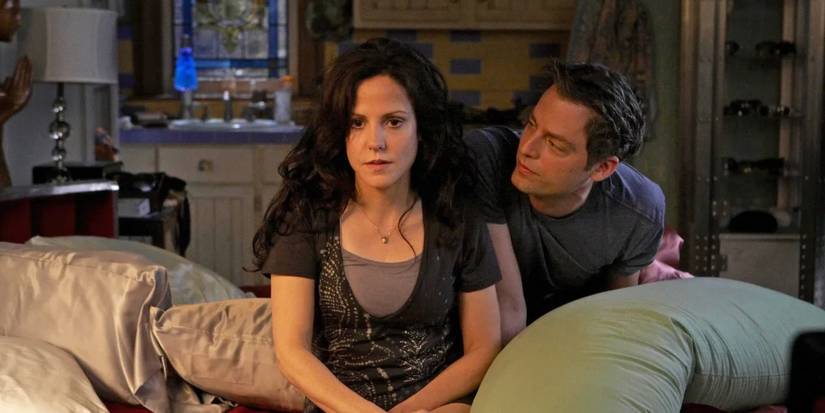
Initially, Weeds was a witty and critical look at life in the suburbs. The show centered on Nancy Botwin, a mother who starts selling marijuana after her husband’s death to keep her family’s comfortable life going. The first few seasons cleverly mixed dark comedy with observations about suburban life, exposing its hidden flaws and the complexities of family relationships.
Throughout its eight seasons, Weeds transformed from a simple comedy into a much bigger, more intense crime story. The show expanded geographically and became known for its surprising twists and turns. Nancy’s plans grew increasingly complicated and ethically questionable, the number of characters involved increased, and while it still had funny moments, the overall feel became more suspenseful and dangerous.
By its last season, Weeds had become a lot like a more comedic and over-the-top version of Breaking Bad. It shifted from a show about everyday suburban life to one where crime, shifting loyalties, and unexpected events took center stage. This dramatic change makes the later seasons of Weeds feel very different from how it began.
Archer
2009-2023,14 Seasons
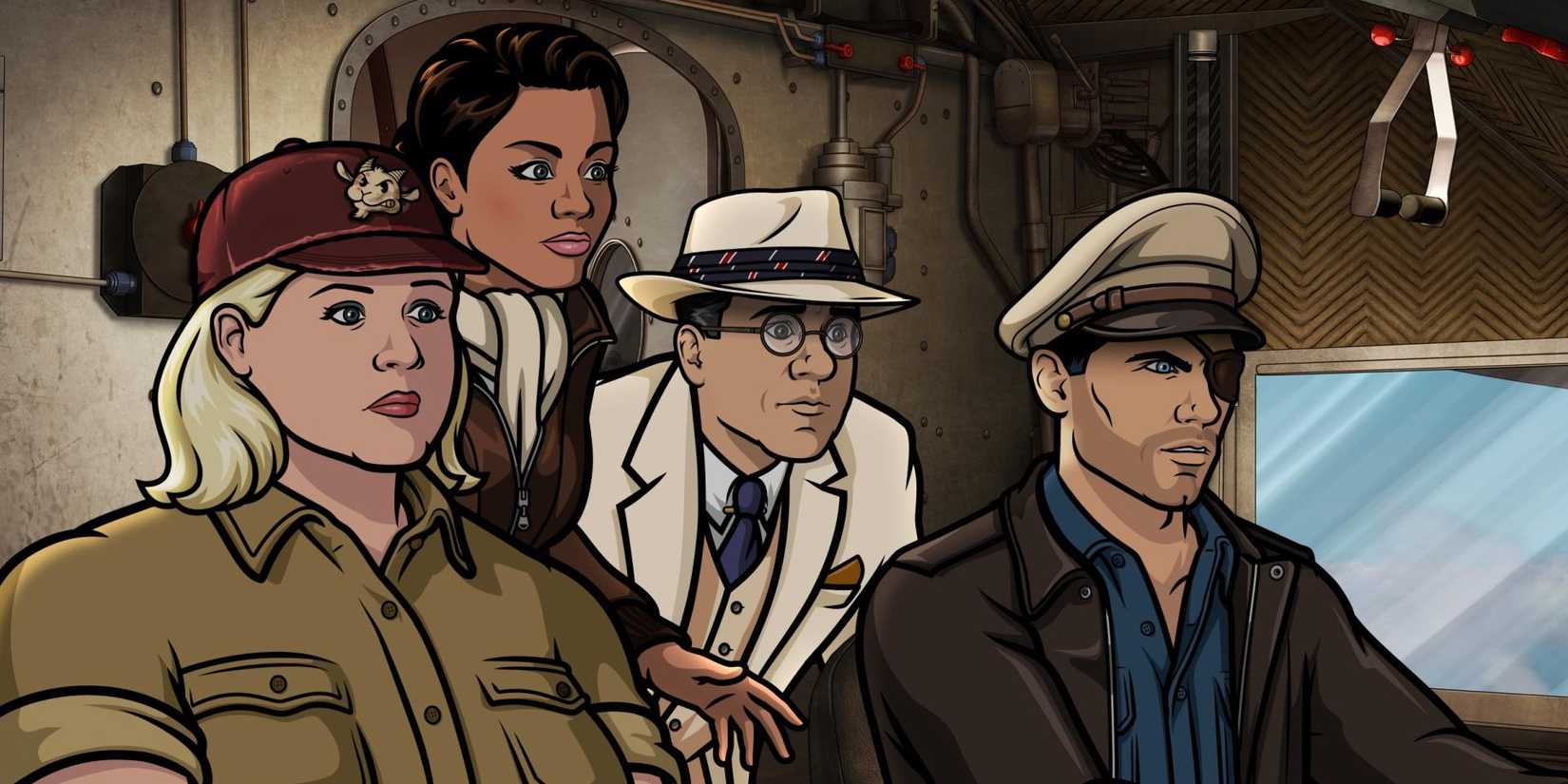
Archer stands out as a show that completely changed direction before eventually returning to what made it popular. It started as a clever spoof of classic 1960s spy adventures, focusing on Sterling Archer – a highly skilled but self-absorbed secret agent whose behavior creates both laughs and chaotic situations.
Beginning with season 8, after Archer goes into a coma, the show changes format. Each of the next three seasons – Dreamland (season 8), Danger Island (season 9), and 1999 (season 10) – presents a completely separate world. These seasons are different in style, time period, and focus on Archer’s inner thoughts and feelings. They creatively explore his weaknesses, connections with others, and anxieties, all while keeping the show’s trademark sense of humor.
By its eleventh season, Archer went back to focusing on traditional spy adventures. But the show had changed a lot over the years, demonstrating how animated comedies can take risks with storytelling, genre, and visual style in ways that most live-action series don’t.
Westworld
2016-2022, 4 Seasons

Perhaps the most well-known disappointment on this list, Westworld is a prime example of how a great show can go wrong. It started as a smart, focused Western with intriguing mysteries and stories that forced you to think about what’s right and wrong. The unique setting – a Western-themed park – was key, providing a clear and engaging backdrop for its thought-provoking themes.
Initially, Westworld excelled by concentrating on a single, compelling idea. But as the show went on, it became overly ambitious, introducing too many parks, time periods, and locations. This expansion blurred the original concept, and later seasons turned into a complex, sometimes confusing sci-fi story where the bigger plot points overshadowed the emotional core and clear storytelling.
Trying to expand the scope of the show led to more characters and complicated technology, but it actually made things feel messy instead of grand. What began as a smart and focused series turned into a confusing story, and the later seasons felt very different from the show people originally loved.
Riverdale
2017-2023, 7 Seasons
It’s rare for a TV show to feel drastically different after you’ve stopped watching for a while, but that’s always the case with Riverdale. The first season was a unique blend of teen drama and mystery, focusing on a murder and the secrets of a small town – and the high school setting made it all feel surprisingly real.
Over its second, third, and fourth seasons, Riverdale took a turn towards darker and more outlandish storylines, featuring serial killers, cults, and increasingly unbelievable plots. Season 5 then fast-forwards the story by seven years, essentially starting over with the characters now adults and dealing with fresh challenges.
Season 6 takes things to a new level with alternate universes and magic, all thanks to a complicated crossover with Chilling Adventures of Sabrina, which throws the town into complete supernatural mayhem. Then, Season 7 completely restarts the series, setting it in the past and moving even further away from the original teen mystery storyline.
Despite all the shifts the show has gone through, one thing remains true: Riverdale isn’t afraid to get totally wild. It throws everything – even the genre, time frame, and what’s actually real – into the story, resulting in a series that’s drastically different from how it started.
Read More
- Прогноз криптовалюты ATOM: прогнозы цены ATOM
- Прогноз нефти
- Сегежа акции прогноз. Цена акций SGZH
- Полюс акции прогноз. Цена акций PLZL
- X-Men MCU Movie Rumor Hints at Quick Production Start Date
- Here Me Out: Task Season 2 Would Be Great, But There’s A Crossover I Already Want Even More
- New Report Hints Superman’s Box Office Wasn’t Profitable Theatrically
- ETF Solana: 16 дней 💰 дождя, но продлится ли вечеринка? 🎉
- CBS Effectively Explains Why Tracker Got Rid Of Bobby & Velma
- The Prestige TV Revolution Set Procedurals Back Decades
2026-04-01 15:13