Watching TV shows can feel really personal, like the story unfolds right in your home over weeks, months, and even years. Because these shows tell ongoing stories, they naturally spark a lot of discussion, fan theories, and online conversations. For many dedicated viewers, being part of the fan community – whether through podcasts, online forums, or other spaces – is a big part of what makes watching fun.
How we watch TV has transformed quickly, but passionate fan communities have existed for decades. Starting with handwritten letters and now thriving on social media, certain shows have profoundly impacted both the television industry and popular culture.
10. Sherlock
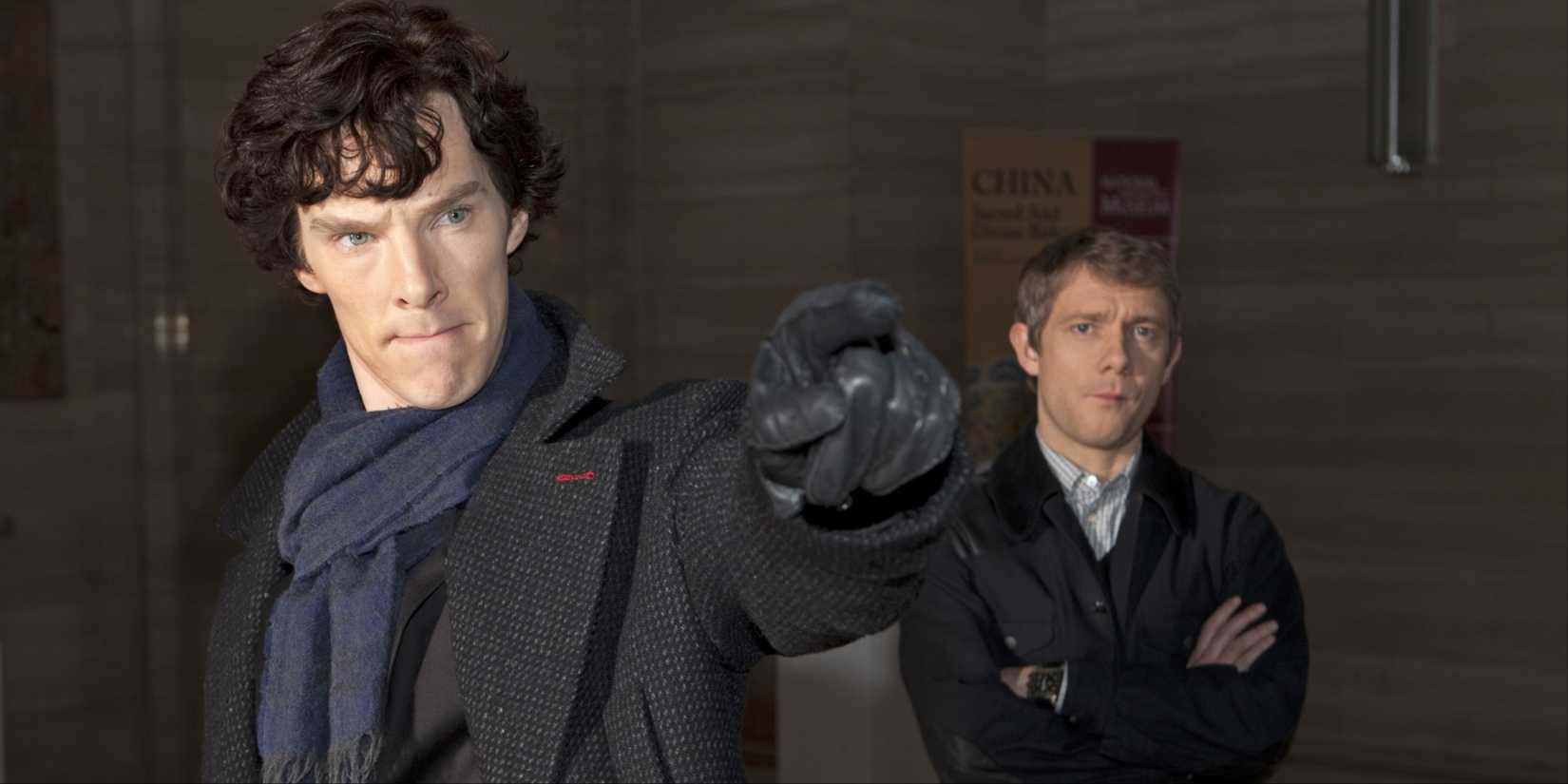
The TV show Sherlock arrived at the perfect time to significantly impact and change how fans interacted online. It first aired in the early 2010s, coinciding with the growing popularity of platforms like Tumblr and Twitter where people discussed TV shows. The show’s complex mysteries and infrequent seasons motivated fans to create theories, deeply analyze details, and share their observations, turning speculation into a shared experience.
The show also boosted the trend of fans wanting to see characters in romantic relationships, especially between Sherlock Holmes and John Watson. The playful dynamic between them, as many viewers interpreted it, inspired a lot of fan-created stories, artwork, and discussions about how relationships are portrayed on screen.
Sherlock also demonstrated how passionate and sometimes unpredictable dedicated fan groups can be. Because the show had limited episodes and frequent breaks, fans developed strong expectations, particularly after the dramatic ending where Sherlock seemingly died. When the series returned and didn’t align with popular fan predictions, the reaction was quick and often negative, marking a new age of fandom that’s more engaged but also more critical.
9. Girls
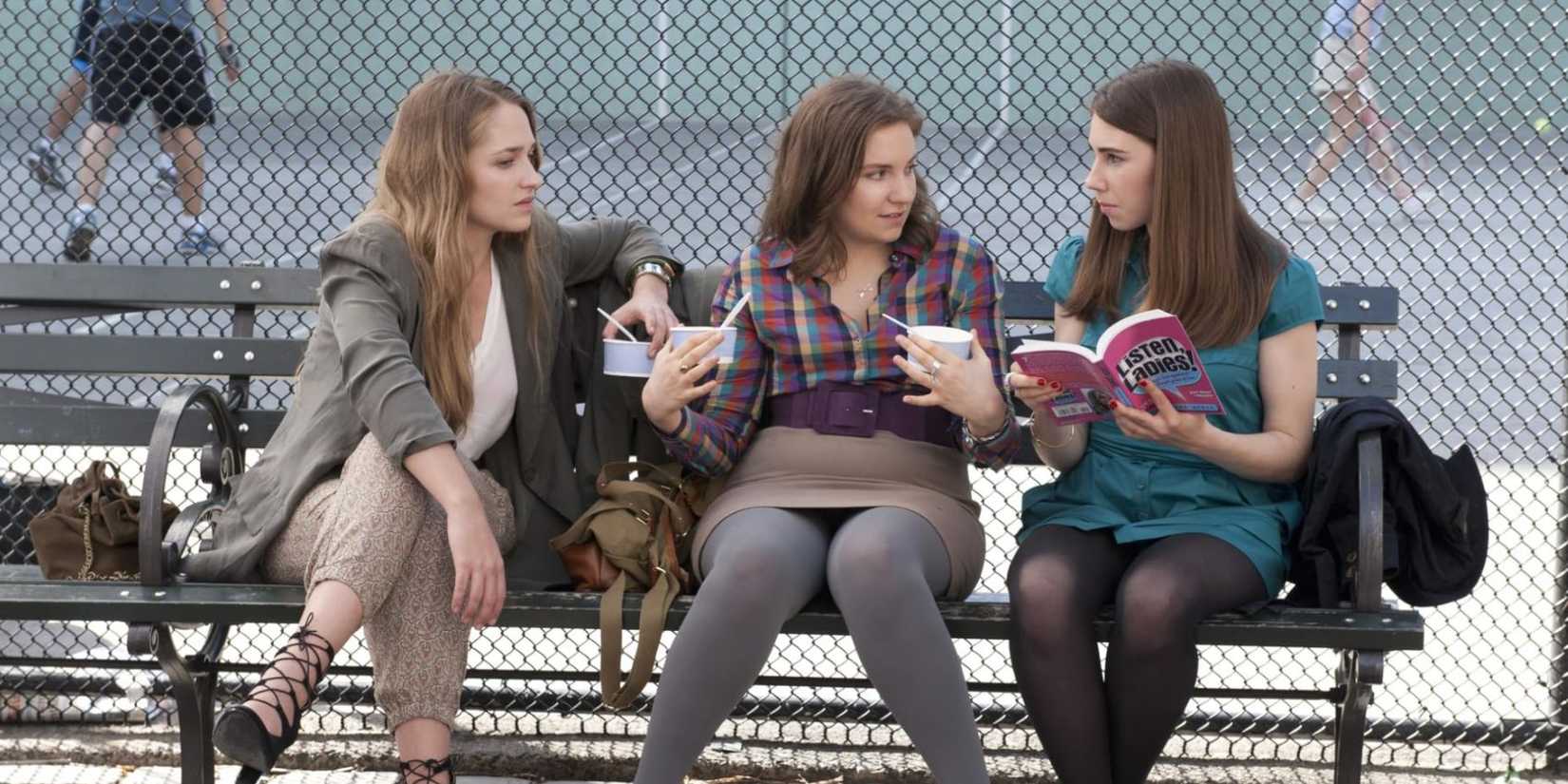
The show Girls was critically acclaimed and appeared at a time when online discussions were common, but it also highlighted a negative aspect of fan culture. While shows focused on plot twists often inspire speculation, conversations about Girls frequently became very personal and critical of the characters and creators.
Lena Dunham often faced personal attacks alongside criticism of her show, focusing on her appearance and voice, as well as her choice to portray a realistic and sometimes awkward depiction of young women. This led to intense online discussions where criticism often crossed the line into harshness.
Social media and online comments often became platforms for harsh and unfair criticism, shifting conversations about shows and movies into personal attacks. In this way, the show Girls highlighted a change in how fans interact with creators—particularly women—who became closely linked to their work and faced constant, public scrutiny.
8. Westworld
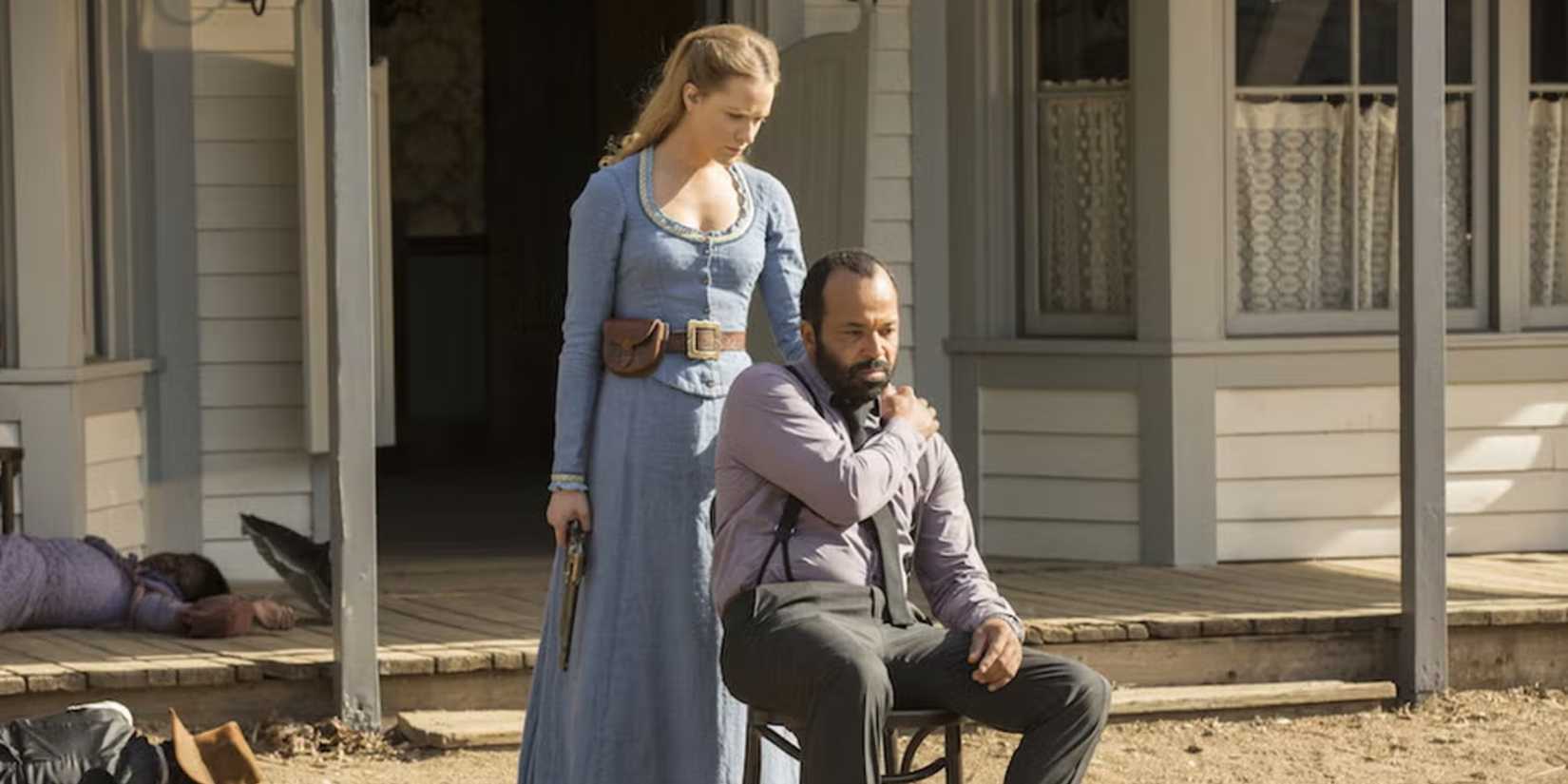
Westworld sparked a new kind of online fandom, where fans acted more like detectives and puzzle-solvers. When the show debuted in 2016, platforms like Reddit and YouTube, along with the habit of recapping shows, were already popular. Westworld took full advantage of this environment with its complex timelines, subtle hints, and non-traditional storytelling, inspiring fans to work together to unravel its mysteries with each new episode.
Fans meticulously analyzed every aspect of shows and movies – the conversations, the visuals, and even minor details – trying to guess what would happen next. They developed incredibly detailed theories, creating timelines and predicting who characters really were. This created a cycle where figuring things out became a fun part of the experience.
Meanwhile, Westworld started to lose its appeal. When fans accurately predicted key plot twists, it sparked a debate: should shows focus on clever surprises, or on creating emotionally resonant stories? This highlighted a growing trend of audiences becoming intensely focused on figuring out complex narratives.
7. Stranger Things
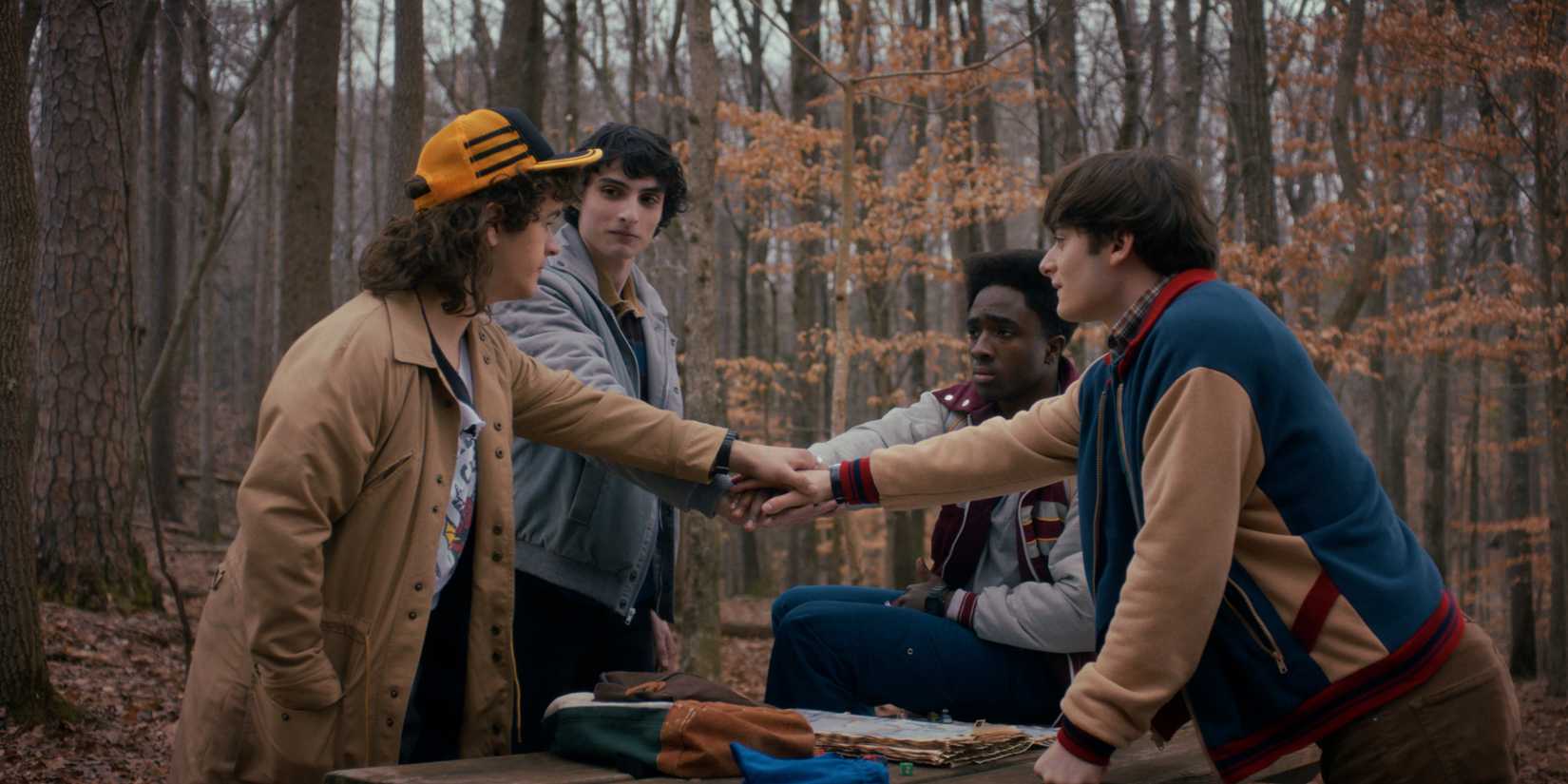
As a huge film and TV fan, I think Stranger Things really showed how streaming changed the way we all connect over shows. When it dropped in 2016, the fact that we could watch a whole season right away was a game-changer. It meant conversations exploded instantly, and instead of spending a week debating what might happen next, we were all reacting to things as they happened. It was all about quick takes, memes, and sharing those big emotional moments with everyone else – a totally different experience than waiting week by week for new episodes.
The show also boosted fan communities on platforms like TikTok and Instagram, turning characters like Eleven and Steve Harrington into popular online figures. Alongside a love for all things 80s – the music, the style, and familiar references – fans actively paired characters they liked (known as ‘shipping’) and connected with each other.
Meanwhile, Stranger Things demonstrated how powerful and demanding fandom can be when fueled by online algorithms. As the show’s story became more complex, fans had increasingly strong expectations, and the discussions surrounding the final season showed the struggle between what fans want and what makes for good storytelling. This illustrates both the positive and negative sides of modern fandom, which is often shaped by online platforms.
6. Supernatural
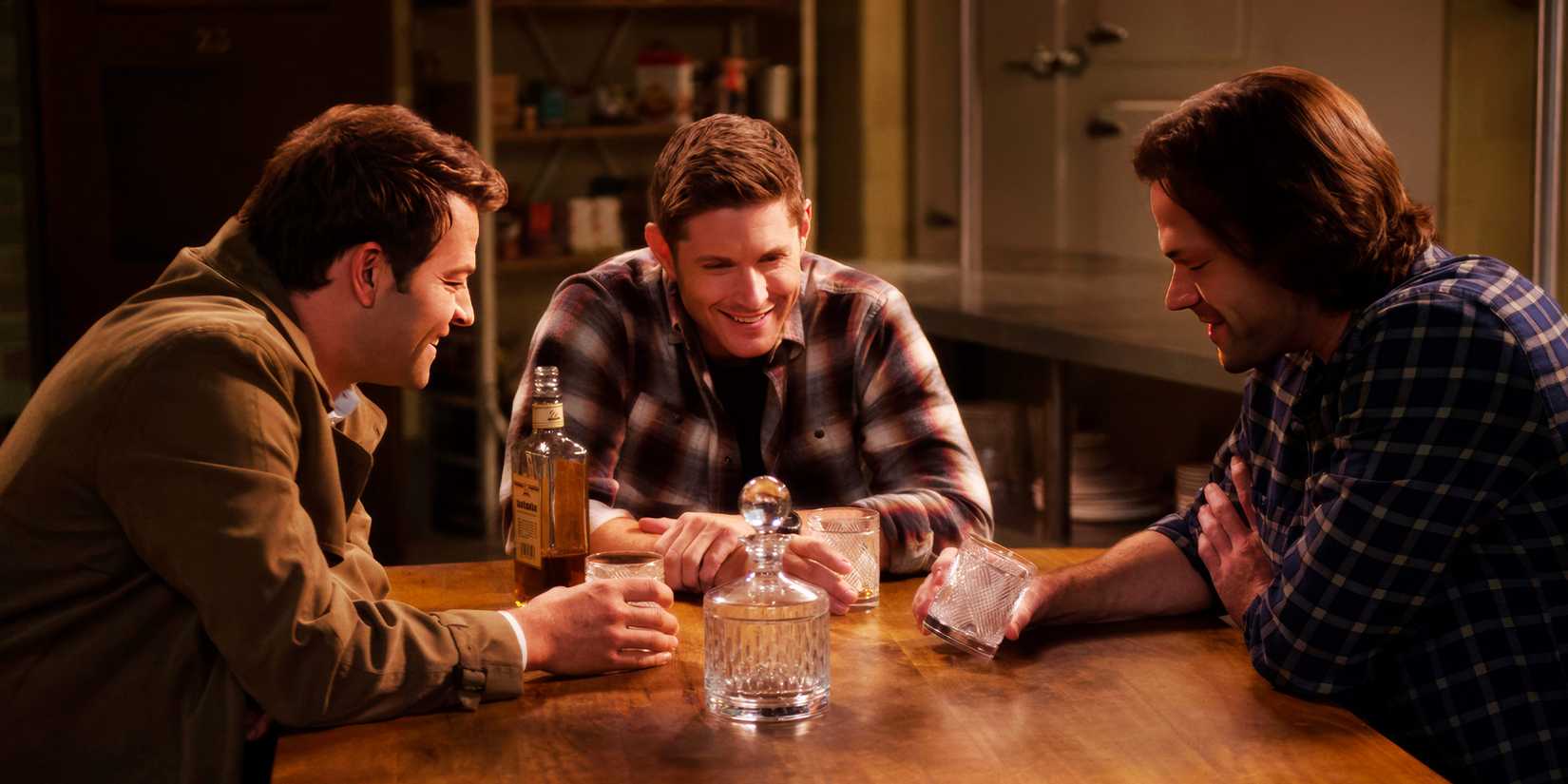
The TV show Supernatural significantly influenced how online fan communities developed. Airing from 2005 to 2020, it coincided with the rise of platforms like LiveJournal, Tumblr, and Twitter. Its weekly episodes, rich mythology, and the strong connection between its two main characters created a dedicated fanbase that actively interacted with the show and each other.
Viewers became incredibly dedicated to not only the characters Sam and Dean, but also to the show’s complex storylines and ongoing themes that developed over many seasons. Supernatural also played a big part in popularizing fanfiction and the practice of ‘shipping’ – creating romantic pairings between characters. The relationship between Dean and Castiel, known as ‘Destiel,’ became one of the most talked-about pairings among fans during the 2010s, inspiring a wealth of fan art, in-depth analysis, and lively online conversations.
Beyond just watching the show, Supernatural fostered a vibrant fan community where people actively created their own content – like podcasts and fan videos – and connected with each other at conventions. This demonstrated that fans could be incredibly creative and build strong communities together. The show’s long run and strong online presence essentially became a model for how shows can build dedicated, multi-platform fan bases.
5. Buffy The Vampire Slayer
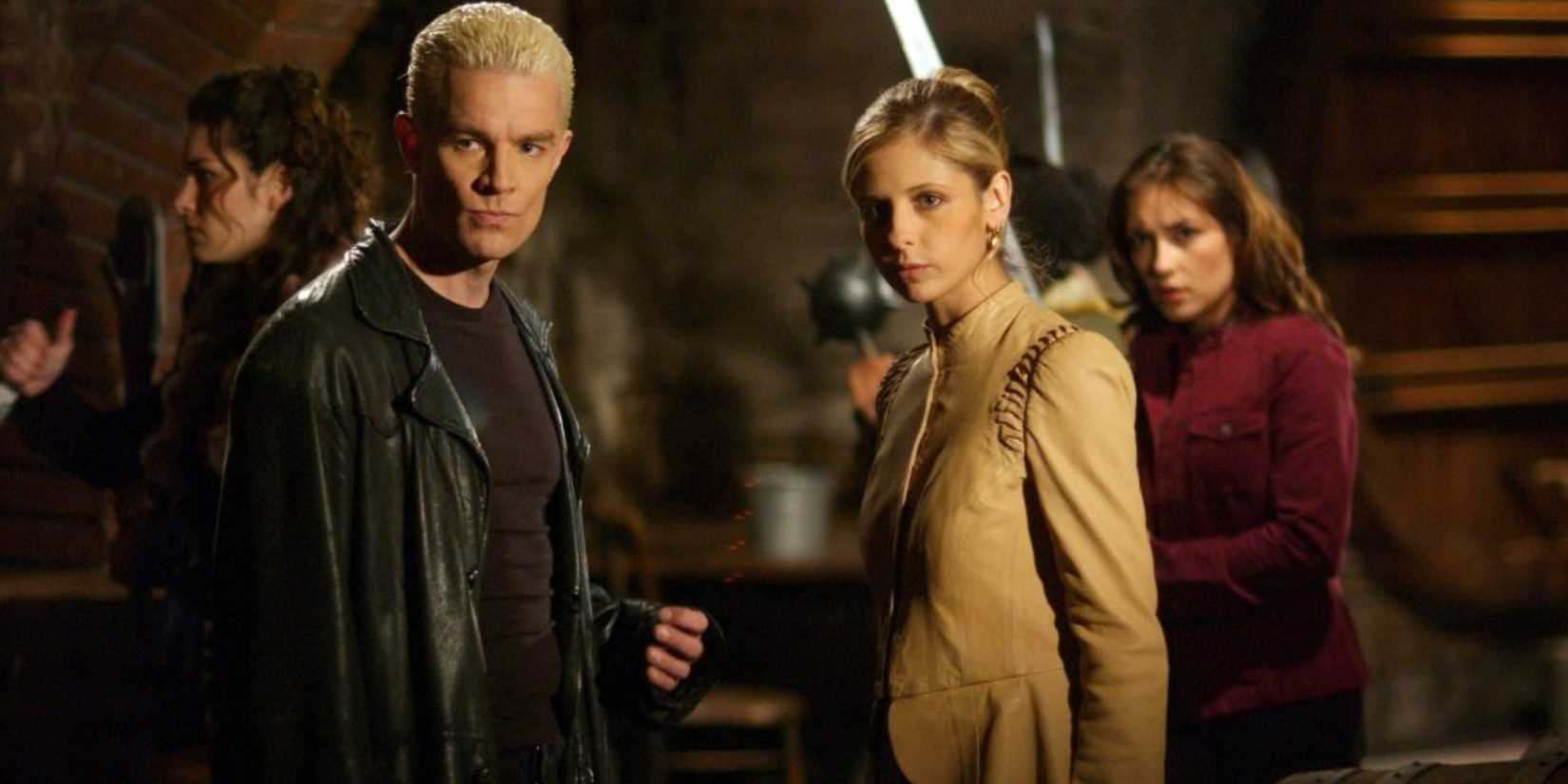
Buffy the Vampire Slayer was incredibly influential in the development of online fan communities. It showed fans new ways to connect with a show, going beyond just watching the episodes. Premiering as the internet was becoming popular in the late 1990s, it sparked early online discussions on platforms like message boards and forums, eventually leading to the creation of dedicated fan sites.
Fans didn’t just watch the show – they really dug into it, discussing why characters acted the way they did, carefully examining the plotlines, and unraveling the show’s complex backstory. It also played a big role in popularizing ‘shipping’ – wanting to see characters in romantic relationships – and inspired fans to create their own stories, artwork, and in-depth analyses. The pairing of Buffy and Angel was a prime example, sparking a huge amount of fan-made content online and fostering a strong sense of community.
Buffy was groundbreaking in showing how fans could connect with each other and engage with a show on a deep, thoughtful level, paving the way for today’s fan communities. The online spaces created around the show became models for how fans now build relationships, share ideas, and ensure a show’s impact continues for years – even though plans for a reboot, New Sunnydale, aren’t currently happening.
4. Game Of Thrones
Game of Thrones was one of the last TV shows everyone watched and talked about at the same time. When it was popular, people made it a point to watch episodes as they aired. Early podcasts, like Watchers on the Wall, helped fans discuss each episode immediately, share theories, and react together.
The show’s massive popularity created new problems for HBO, particularly once it started moving beyond the plot of George R.R. Martin’s A Song of Ice and Fire books. Protecting the story from leaks became a huge priority, so HBO took drastic measures: scripts were heavily guarded, filming locations were kept secret, and everyone involved had to sign strict agreements promising not to reveal any details.
As shows became more popular, online fan communities grew alongside them. On platforms like Reddit and Tumblr, fans eagerly shared theories, debated plot points, and analyzed even the smallest details – like the shape of bloodstains after a character’s death. For example, after Jon Snow died, fans intensely discussed whether the blood’s pattern resembled a wolf (suggesting his Stark heritage) or a dragon (hinting at a Targaryen secret).
Each small detail that didn’t quite fit became a piece of the puzzle. The show also fueled the rise of spoiler culture, making fans extremely focused on keeping secrets. As a result, Game of Thrones transformed fandom into a worldwide community that actively participated in—and closely watched—every detail, while also showing just how challenging it is to create a story for such a huge audience.
3. The X-Files
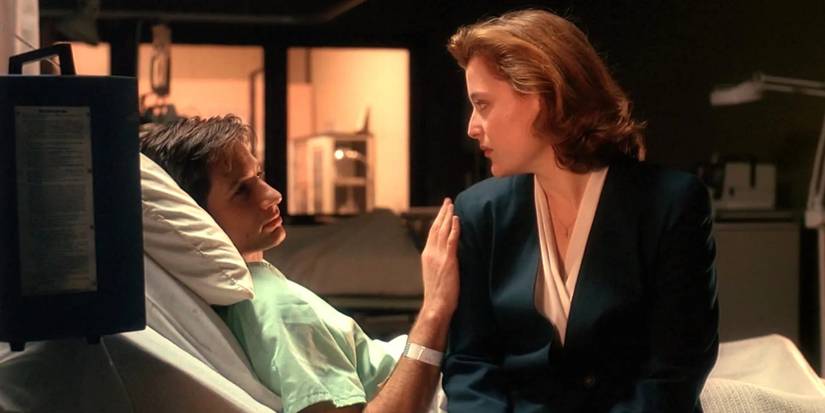
The TV show The X-Files was groundbreaking, pioneering a new level of fan engagement and blurring the lines between what the show presented and what fans investigated on their own. Even before social media, fans actively discussed each standalone episode, analyzed the show’s complex government conspiracy, and developed theories about the mysterious Cigarette Smoking Man back in the early 1990s.
One reason The X-Files is considered one of the greatest TV thrillers is its masterful use of mystery and uncertainty. Each puzzling episode challenged viewers to become detectives, piecing together clues, creating detailed episode timelines, and developing a deep understanding of the show’s complex storylines, especially differentiating between the overarching ‘mythology’ episodes and the self-contained ones. The earliest online communities – like AOL chatrooms, Usenet groups, and fan forums – quickly became vital places for fans to discuss theories, share ideas, and even write their own stories based on the show.
The X-Files was a groundbreaking show that helped create the kind of fan communities we see today. It wasn’t just about watching the show; fans actively investigated the storylines, discussed theories, and even anticipated what would happen next. This demonstrated the power of fan involvement in shaping a show’s impact, and later series like Lost, Buffy the Vampire Slayer, and Game of Thrones followed this model.
2. Lost
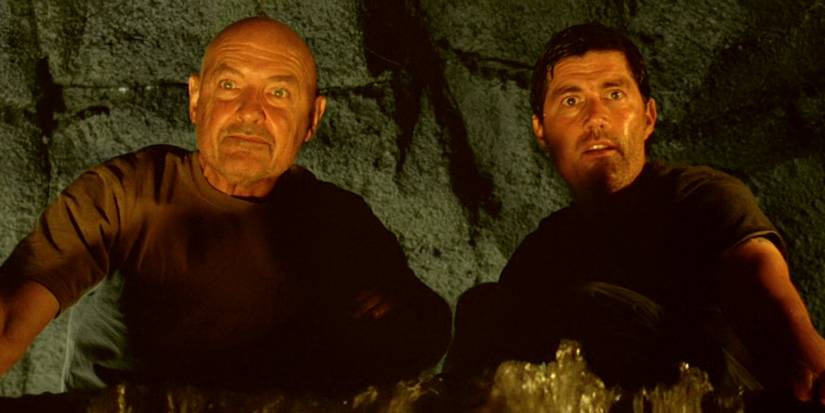
Lost wasn’t just a TV show; it was built to be discussed and debated. With its complex backstory, hidden clues, enigmatic organization, and unexpected plot turns, it encouraged viewers to deeply analyze every detail and share their theories. Each episode felt like a piece of a larger mystery, and fans eagerly tried to fit them all together.
In the early 2000s, as online message boards, wikis, and fan blogs became popular, viewers of Lost started actively engaging with the show in new ways. They created detailed timelines and maps of the island, developed theories about time travel and what would happen to the characters, and even came up with their own explanations for the show’s mysteries. Lost transformed the TV viewing experience, making it less about simply watching and more about participating. Fans often tried to figure out the story as it unfolded, sometimes even faster than the writers could develop it.
The show’s reach across different platforms made its impact even stronger. Official websites, secret hints within episodes, popular online campaigns, and immersive interactive games turned watching Lost into something much more than just watching TV. It created a passionate fanbase that actively participated, shared ideas, and worked together – essentially setting the standard for shows like Game of Thrones and Stranger Things. Even now, fans continue to debate the show’s themes, like the conflict between science and faith.
1. Star Trek
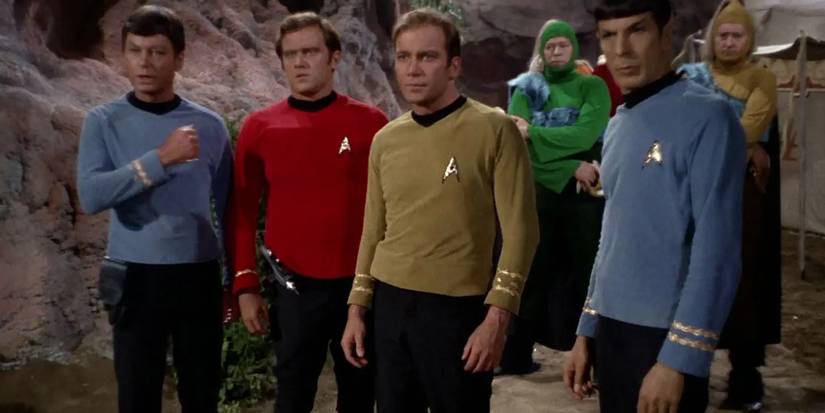
Star Trek is arguably the most influential TV show when it comes to building a dedicated fan base. It first aired in 1966 and created a world that encouraged viewers to become part of the adventure. Fans loved imagining themselves joining Captain Kirk, Spock, and the crew as they explored the galaxy.
What makes Star Trek special is how long it’s stayed popular with fans of all ages. Fans of the original series were pioneers – they formed the very first fan clubs, created their own magazines about the show, and even campaigned to prevent its cancellation. They became experts on everything from the characters to the alien worlds and futuristic technology, all before the internet even existed!
I’ve been a Star Trek fan for years, and it’s amazing to see how much the fandom has grown since The Next Generation and Deep Space Nine! It’s not just about watching the shows anymore – we have conventions, people create incredible costumes, and we spend hours debating every detail of the story. It really has ‘lived long and prospered’! And the best part is, with all the new Star Trek series coming out, the community keeps getting bigger and welcoming new fans alongside those of us who’ve loved it for decades.
Star Trek was a pioneer in building the kind of passionate fan communities we see today. It proved that dedicated fans could keep a show alive for years, even impacting how stories were made and leading to new movies and series. It’s likely that popular franchises like Star Wars, Doctor Who, and Game of Thrones wouldn’t have the same strong fan base and success without the groundwork laid by Star Trek.

Found an error? Send it info@screenrant.com so it can be corrected.
Read More
- Прогноз криптовалюты ATOM: прогнозы цены ATOM
- Taylor Sheridan’s 2-Part Action Thriller Series Is The Perfect Binge Ahead Of The New Season
- Welcome to Derry Just Officially Confirmed Its Shining Connection (& It’s Perfect)
- One of Clint Eastwood’s Best Westerns (That Isn’t ‘The Good, the Bad and the Ugly) Is Leaving Free Streaming
- In Just 1 Day, Universal’s Wicked: For Good Is Officially the Most Watched Title on PVOD in America
- Прогноз нефти
- JJK Director Taps Talent From Spy x Family & JoJo’s Bizarre Adventure For New Movie
- Pedro Pascal Set to Steer Avengers as Reed Richards in Shocking Marvel Shift!
- X-Men MCU Movie Rumor Hints at Quick Production Start Date
- Here Me Out: Task Season 2 Would Be Great, But There’s A Crossover I Already Want Even More
2026-03-30 00:57