Throughout the history of television and film, science fiction has consistently been a popular genre. Many of today’s best sci-fi shows build upon the foundations laid by earlier, groundbreaking series. In fact, science fiction is almost as old as moving pictures themselves, appearing in some of the very first films ever made and quickly finding an audience when television became widespread.
For years, television has delivered science fiction fans everything from epic space adventures to time travel stories, scary sci-fi horror, and fantastical series. These shows are often huge hits, demonstrating that sci-fi appeals to a wide audience, not just dedicated fans. It all began with a handful of groundbreaking sci-fi series that set the standard for what viewers wanted.
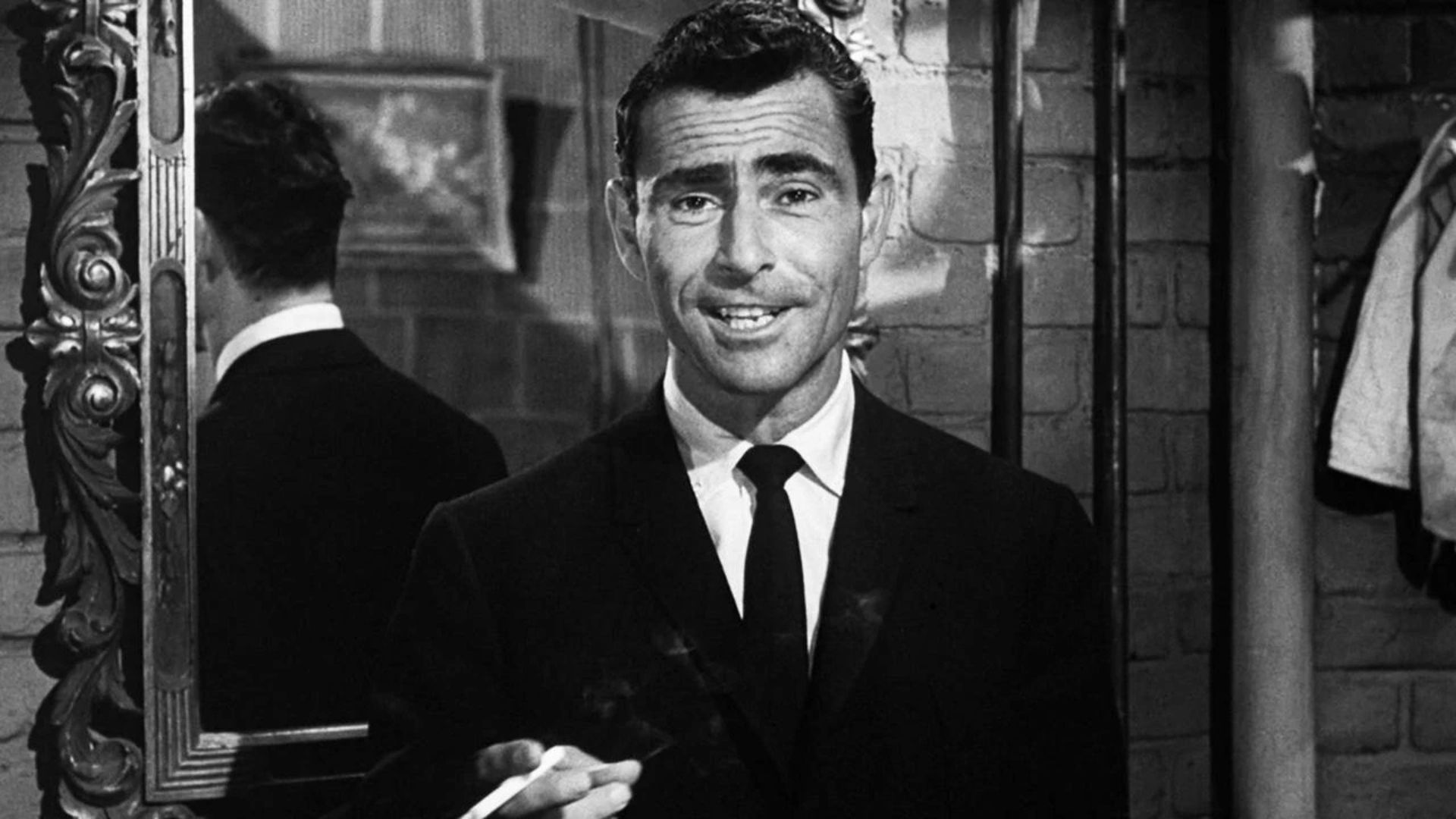
The Twilight Zone

Sci-fi has found a lot of success with anthology series – shows that present a different story each episode. Classics like The Outer Limits and Tales from the Crypt wouldn’t exist without The Twilight Zone, which really pioneered this format and helped launch the sci-fi subgenre as we know it.
Originally airing from 1959 to 1964, The Twilight Zone ran for five seasons and remains one of the best science fiction and horror anthology series ever made – its episodes are as good as, if not better than, anything that’s come since. The show also featured early performances by well-known actors like William Shatner and Dennis Hopper.
While Jordan Peele later revived the show, the original Twilight Zone remains a classic, known for its intelligent and captivating science fiction stories. It was truly groundbreaking, establishing the anthology format that many shows still use today.
Doctor Who

It’s amazing to think that Doctor Who has become the longest-running science fiction show ever, because when it began, few people would have predicted such success. Originally, the show started in 1963 as an educational program using science fiction ideas, and while it gained some popularity, it wasn’t an instant hit.
The show has changed a lot over time. Though the BBC initially canceled it in 1989, it was brought back in 1996 with a TV movie, and again in 2005, where it continues to air today. A key part of the show’s history is that the lead actor, known as ‘The Doctor,’ has been regularly recast, and this has even been incorporated into the storyline.
Doctor Who has been a long-running hit, with 26 original seasons and several revivals totaling over 800 episodes. It practically showed science fiction writers how to create a show with lasting appeal. Although its recent performance on Disney+ suggests American viewers may not be as enthusiastic, Doctor Who remains a beloved and relevant classic.
Star Trek

Before Star Wars even existed, Star Trek was already popular. The Original Series ran from 1966 to 1969, and the first Star Trek movies came out about ten years later. Star Trek proved that science fiction adventures could be successful, especially with a format that told stories episode by episode. While Star Wars reached theaters before a Star Trek movie did, Star Trek demonstrated the potential of this type of ongoing, episodic storytelling.
Star Trek wasn’t just the first of its kind in space opera television, it set a high standard that few shows have matched. The original Battlestar Galactica attempted to blend elements of Star Trek and Star Wars, but the result wasn’t successful and the series was cancelled after a single season.
I’ve been a fan for years, and it’s amazing to see how much Star Trek has grown! Over the decades, there have been ten different live-action shows, plus animated series and even short-form anthology shows. Honestly, when it comes to space adventures on TV, nothing else has ever reached the same level of success as Star Trek.
Battlestar Galactica
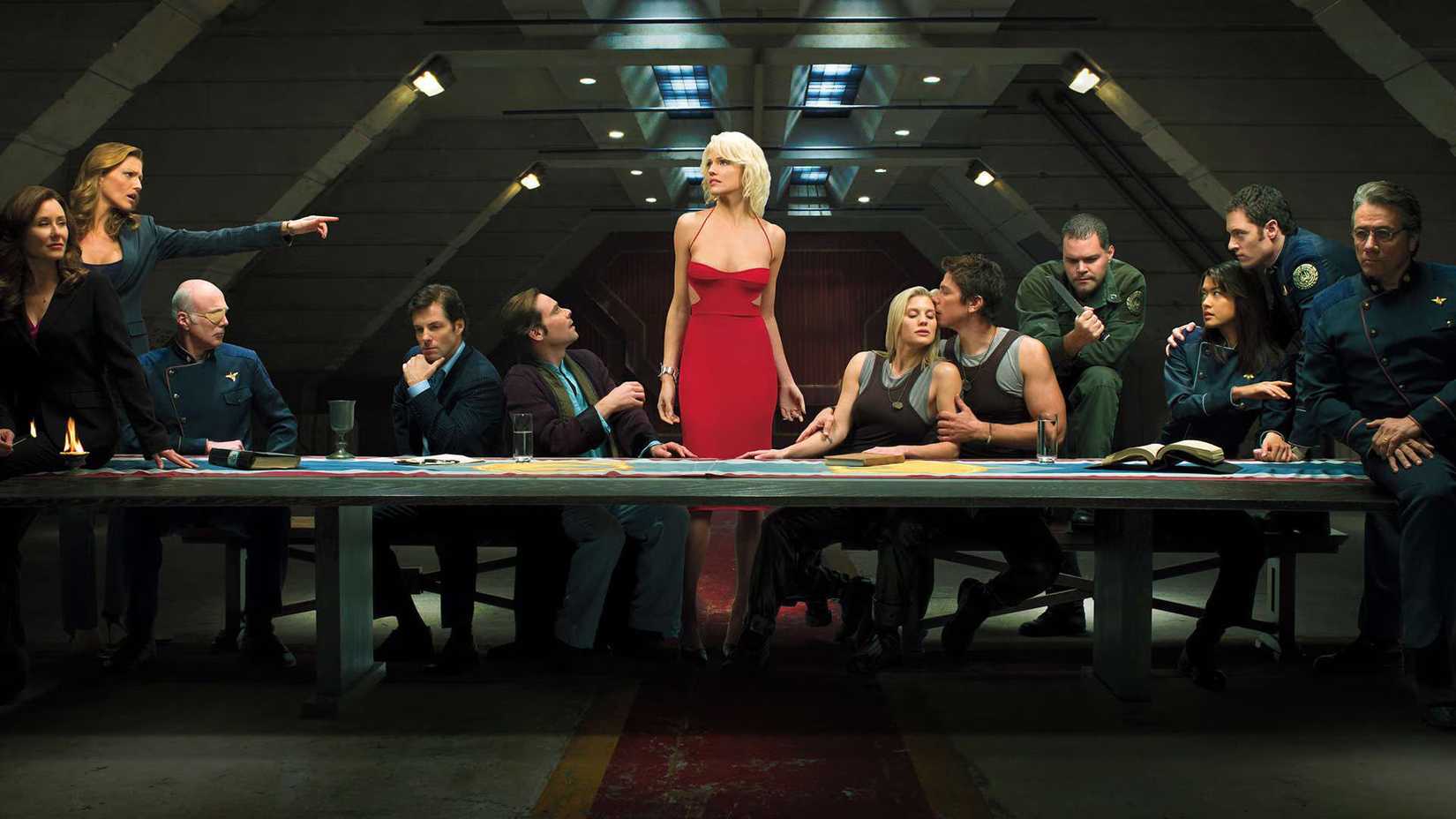
The original Battlestar Galactica from 1978 lasted only one season, but the story was successfully revived in 2003. Ronald D. Moore reimagined the series, creating a popular and acclaimed reboot of Battlestar Galactica.
As a big sci-fi fan, it still surprises me that Battlestar Galactica even aired on the Sci-Fi Channel! That network was usually known for, let’s just say, less-than-amazing movies and shows. But Battlestar Galactica? That was something else entirely – seriously high-quality television, and it had some of the smartest, most gripping political storylines I’ve ever seen in a sci-fi series.
Recent science fiction TV shows like The Expanse owe their existence to the success of Battlestar Galactica, which demonstrated the potential for the genre to produce critically acclaimed and popular television. While Star Trek is a classic, Battlestar Galactica truly proved that science fiction could break free from typical genre limitations.
The X-Files
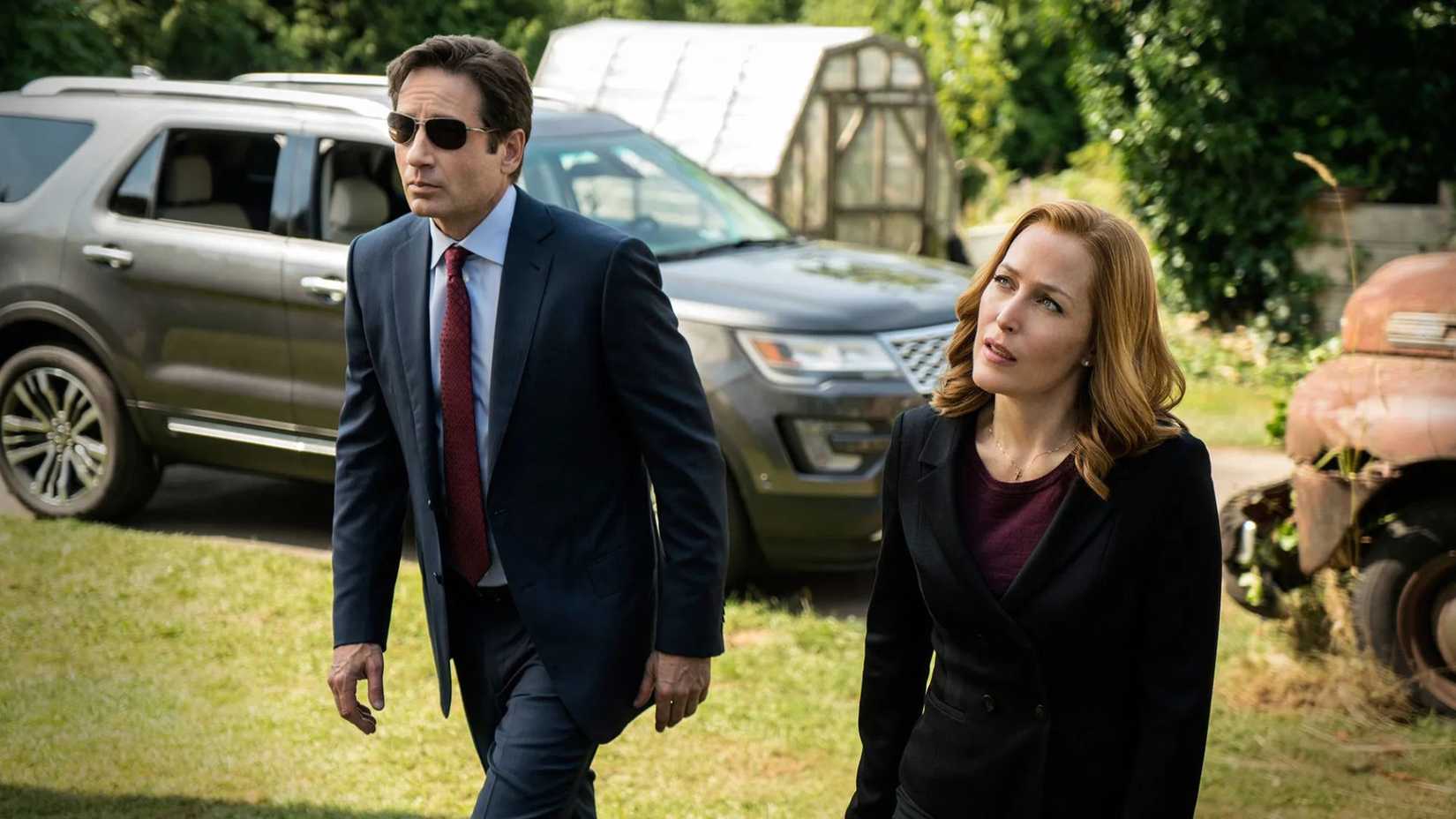
Though The Twilight Zone was a pioneer of episodic science fiction, The X-Files truly perfected the ‘Monster of the Week’ formula. Both shows featured new creatures and challenges each episode, but The X-Files also wove a continuing storyline throughout the series.
The success of The X-Files came from its unique structure. It used an anthology format – each episode featured a self-contained story – but also featured two consistent main characters who investigated each case. This was combined with a larger, ongoing storyline about aliens, which kept viewers engaged with both the individual mysteries and the characters themselves.
Though Supernatural ran for an impressive 15 seasons, its success was built on the groundwork laid by The X-Files. The X-Files proved to sci-fi fans that this kind of show could really work, paving the way for series like Buffy the Vampire Slayer that further explored similar themes and formats.
Firefly
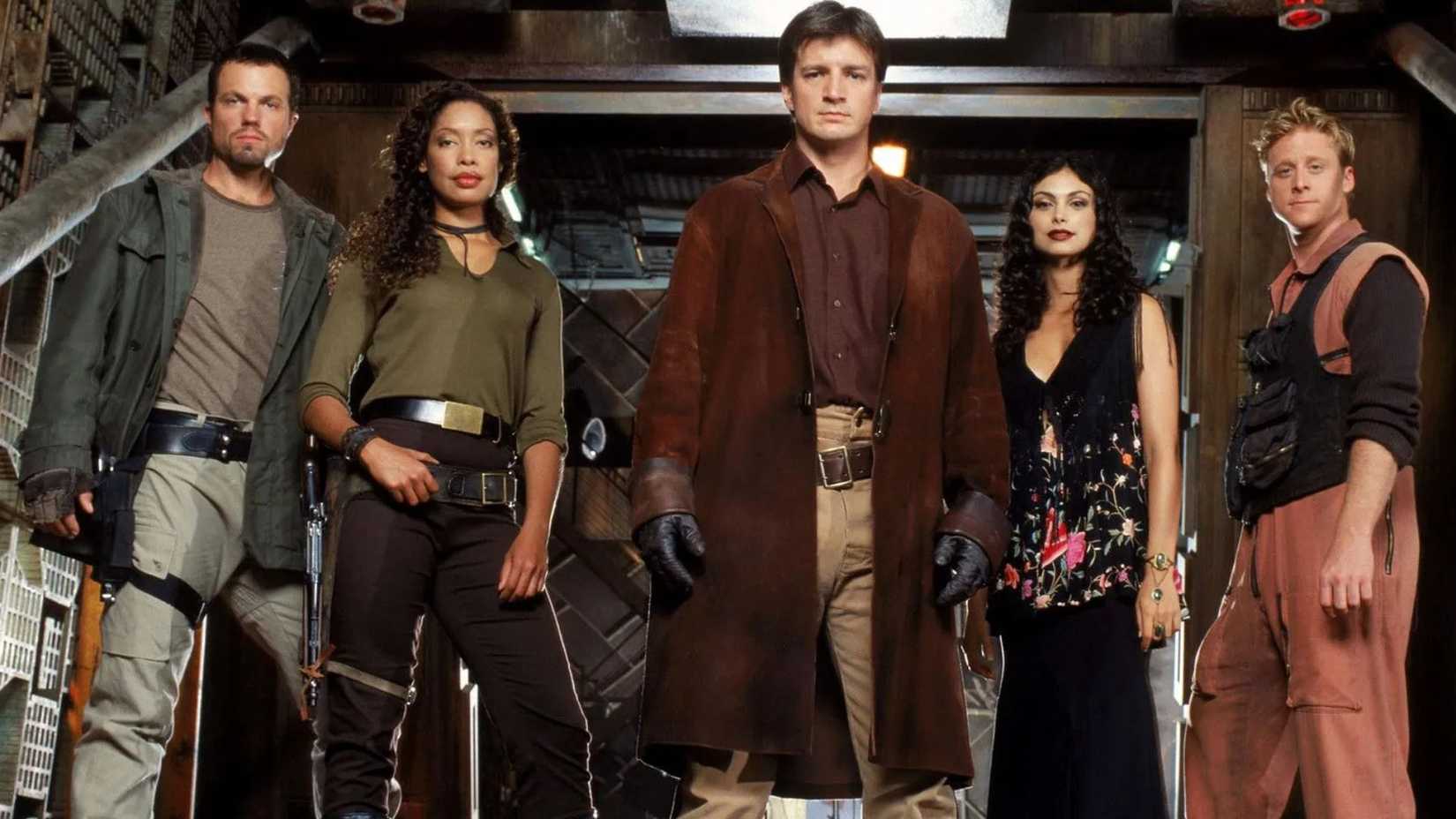
Joss Whedon’s show, Firefly, was truly unique. He blended the futuristic adventures of Star Trek with the complex characters he developed in Buffy the Vampire Slayer, then reimagined the whole thing as a space-based Western, essentially creating a brand new style of show.
Firefly is a space-based Western about a spaceship called Serenity and its captain, played by Nathan Fillion. The crew travels the stars, mostly trying to stay out of trouble with the government that won a recent civil war – a war they fought on the losing side of.
The show centers around characters searching for a fresh start in a world reminiscent of the American Old West, as they try to escape the devastation of war. Despite being a big hit, it was surprisingly canceled after just one season, but a film was later released to conclude the story.
Lost
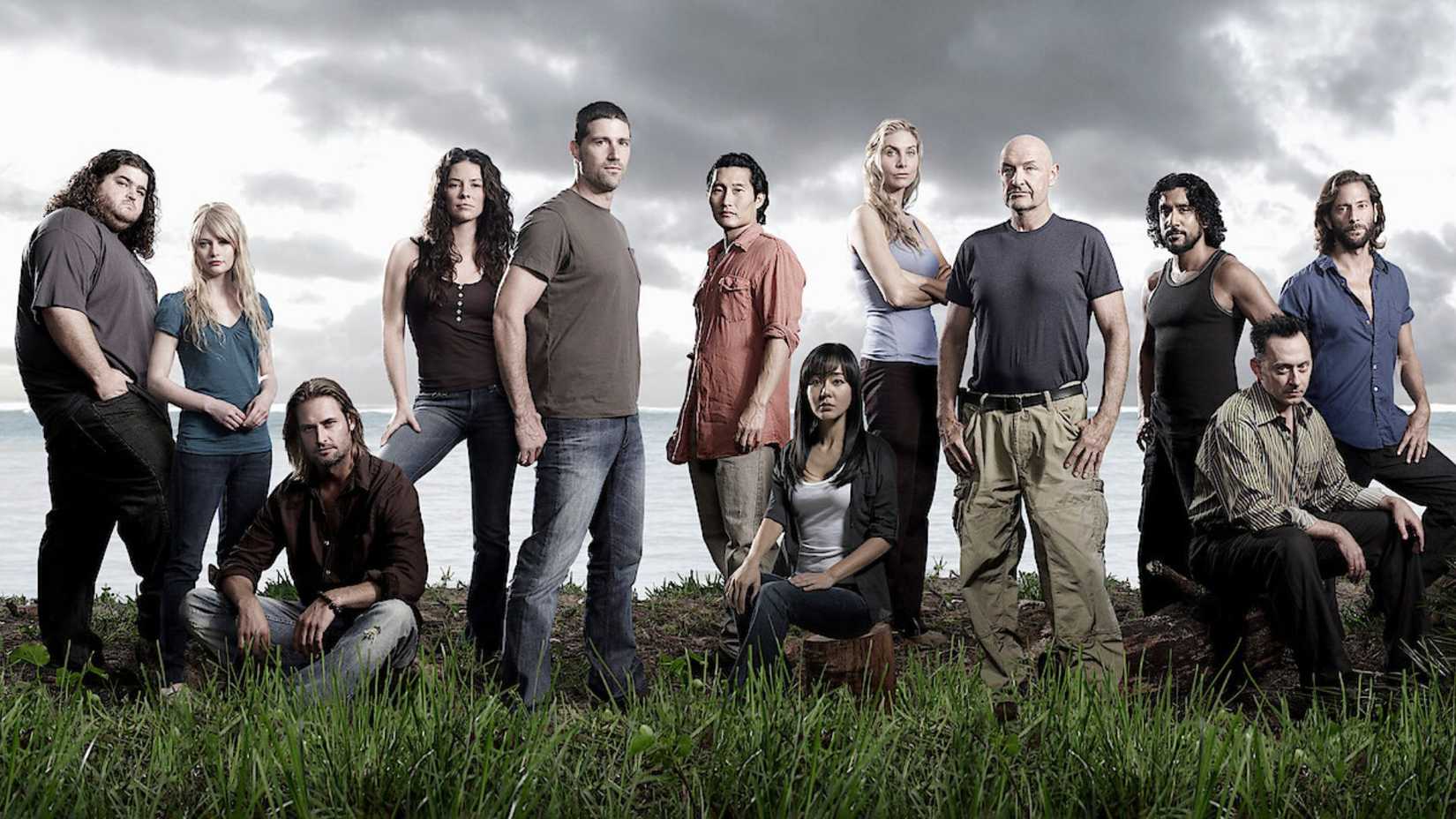
Lost was groundbreaking for its time. When it premiered on ABC in 2004, it quickly became a huge hit. The show began with a shocking event that immediately grabbed viewers’ attention, and then consistently delivered complex mysteries that kept them hooked until the very end.
The show began with a dramatic plane crash, leaving the survivors stranded on a remote island where they struggled to stay alive. They quickly discovered the island wasn’t as deserted as it seemed, and held hidden dangers. A key feature of the series was its use of flashbacks, with each episode revealing the history of a different character.
Since Lost ended, network television has been searching for a show with the same impact, but nothing has quite measured up. Lost was truly groundbreaking and showed that science fiction could appeal to a wide audience if it had a compelling story.
Black Mirror
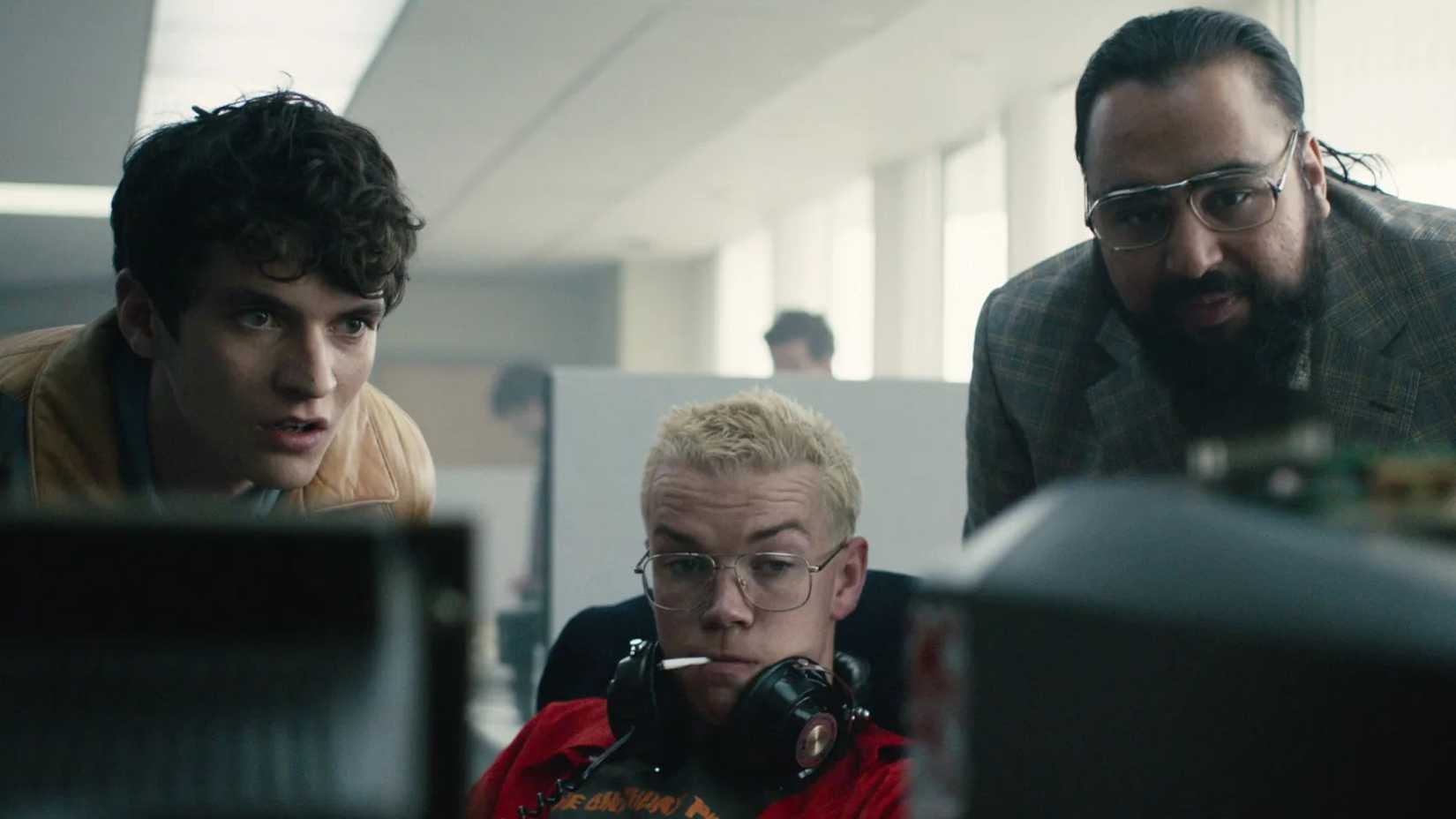
Though The Twilight Zone first popularized the anthology TV format, Black Mirror was also groundbreaking in a similar way. Black Mirror definitely built on the foundation laid by The Twilight Zone, but it also modernized the concept for contemporary audiences.
As a longtime fan of shows like The Twilight Zone, I have to say Black Mirror really struck a chord with me. While those older anthology series often used sci-fi as a backdrop for simple morality plays, Black Mirror dives headfirst into our anxieties about technology itself. It’s not just about robots taking over; it’s about how we misuse the tools we create, and the potentially dark consequences. It definitely feels like a spiritual successor to The Twilight Zone, but it’s distinct enough to feel fresh and really redefine the genre.
While basic science fiction concepts aren’t as impactful anymore, fears about AI, surveillance, and technology in general are still very real. The British series Black Mirror tapped into these anxieties and revolutionized sci-fi television as a result.
Dark
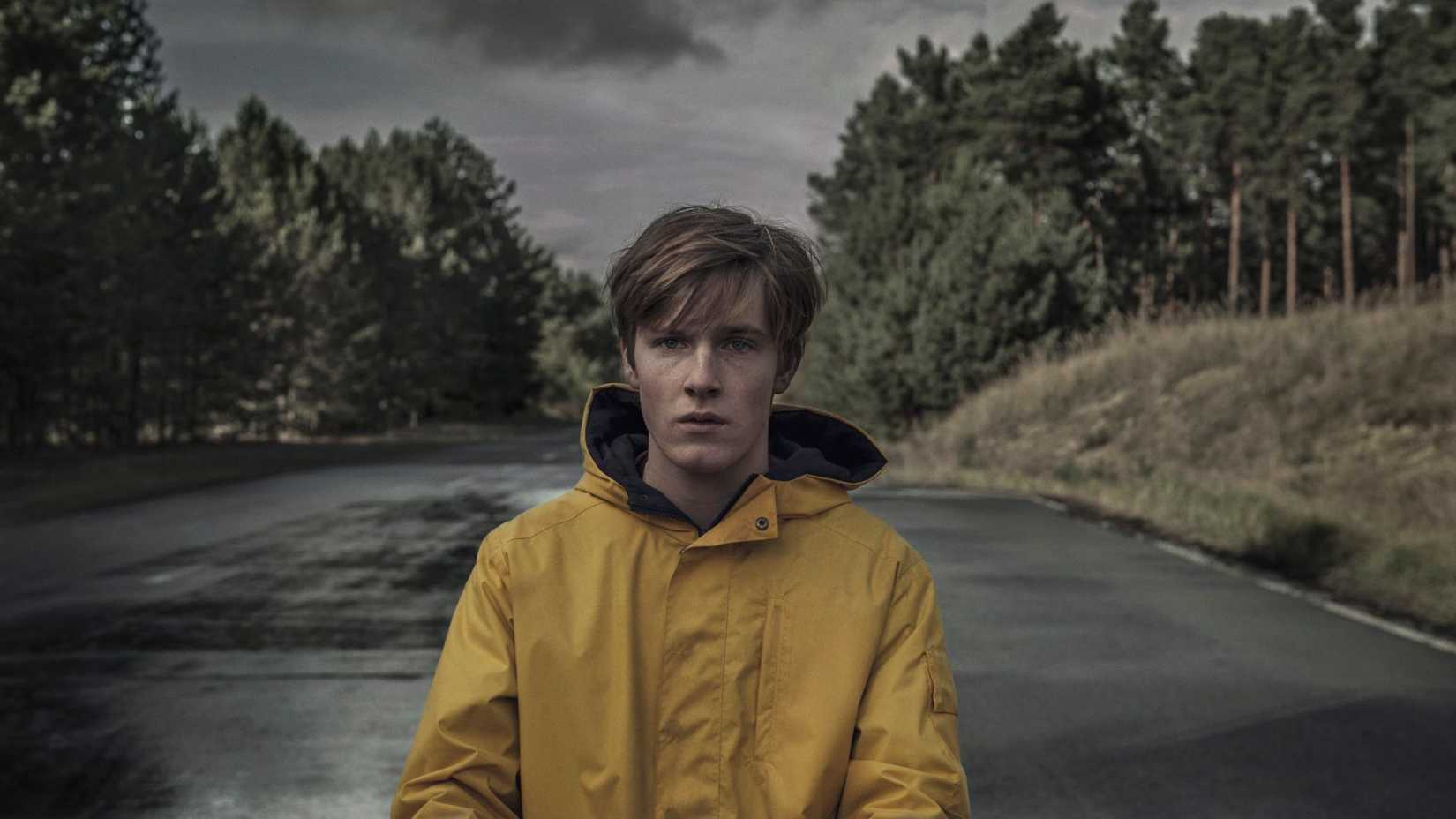
Dark built upon the captivating and intelligent mystery sci-fi approach of Lost, but pushed it even further. While Lost could be confusing, it was designed for a broad audience and generally presented clear goals for its mysteries.
Unlike many shows, Dark—a German sci-fi series on Netflix—was remarkably engaging because it presented complex mysteries and then allowed viewers to unravel them. It didn’t overexplain things or simplify the plot, instead respecting the audience’s intelligence and letting them piece together the story themselves.
Dark was a clever and captivating sci-fi series, though it could be quite complex. It’s widely considered one of the best new TV shows of the past ten years.
Stranger Things

Stranger Things revitalized sci-fi television by focusing on entertainment rather than complex storytelling. Similar to Lost, it successfully introduced sci-fi horror to a wide audience in a way that was genuinely fun and accessible.
But Stranger Things went even further. It tapped into 1980s nostalgia, creating a truly epic series that attracted a huge audience throughout its run.
Blending science fiction horror with 1980s nostalgia, Stranger Things built upon the foundation laid by shows like Lost and ultimately became even more popular with a wider audience. It essentially set the standard for the sci-fi shows that are popular today.
Read More
- ‘YouTube Customers Are Suffering.’ Disney CFO Says Company Isn’t Backing Down As Cable Outage Continues
- HBO’s New Drama I Love LA Rotten Tomatoes Score Unveiled
- Zoey Deutch Expresses Interest in Joining Jesse Eisenberg’s Now You See Me Franchise
- Walton Goggins’ 93% RT Sci-Fi Show Has the Best 49 Minutes of Dystopian Terror Ever Put on TV
- Michael C. Hall’s ‘Safe’ Is Perfect for ‘Dexter’ Fans
- James Bond Is Great, but Atomic Blonde Deserves More Love
- Why Giancarlo Esposito Initially Turned Down Playing Gus Fring In Breaking Bad
- Underrated Shudder Horror Movie Becomes Global Streaming Hit After Quiet Theatrical Release
- 2026 Already Has A Contender For Best Musical Movie Moment Of The Year
- 2025’s Best Vampire Movie Getting Theatrical Rerelease for Halloween
2026-01-26 04:11