
Remakes are tricky. They aim to attract audiences who already love the original story, but they also need to offer something new. If a remake feels too much like the original, people might not bother seeing it. This creates a constant balancing act for filmmakers, who must decide how closely to follow the source material while still making the remake feel fresh and worthwhile.
Sometimes remakes take so many liberties with the original story that they feel like completely new movies, even landing in different genres. These aren’t simple re-tellings; some are set in different countries or time periods, and a few even playfully poke fun at the source material. Occasionally, they’ll throw in musical numbers seemingly just for the fun of it. (It’s frustrating – if I started singing randomly, I’d get in trouble, but when a movie like A Star Is Born does it, it’s award-winning! Talk about a double standard.)
Many remakes show how adaptable original movies can be – some samurai films, for instance, worked just as well, or even better, when reimagined as westerns. However, not all attempts succeed. Just because a poorly made horror film has a cult following doesn’t mean it should be turned into a comedy. Still, all these remakes are interesting because they take an older film and create something entirely new from it.
Remakes That Switched Genres

The Magnificent Seven (1960)
The classic Western film The Magnificent Seven (1960) is actually a remake of Akira Kurosawa’s 1954 Japanese film, Seven Samurai. It’s surprising to discover that this iconic American frontier story originated in a different genre and culture. Seven Samurai tells the story of a village that hires seven masterless samurai (ronin) to defend them from bandits. When the film was first released in the United States, it was titled The Magnificent Seven. A few years later, director John Sturges created an American version, setting the story in Mexico with gunslingers instead of samurai, and kept the same title.

A Fistful of Dollars (1964)
The classic samurai film Yojimbo (1961) inspired many Westerns, most notably A Fistful of Dollars (1964). Sergio Leone’s A Fistful of Dollars, starring Clint Eastwood, follows a drifter who arrives in a lawless town and pits its feuding groups against each other. This story is very similar to Yojimbo, which features Toshiro Mifune as a wanderer doing the same thing in 19th-century Japan. Although Leone didn’t officially have the rights to remake Yojimbo, the similarities were so strong that Toho, the original film’s studio, successfully sued. Interestingly, it’s said that Akira Kurosawa, the director of Yojimbo, earned more from the royalties of A Fistful of Dollars than he did from the profits of his own film.

A Star Is Born (1976)
The movie A Star Is Born has been remade several times. The original (1937) and the 1976 version, starring Judy Garland and James Mason, both told the story of two Hollywood stars – one rising and one falling. While the 1976 film was also a musical, it stayed in the Los Angeles setting of the first movie. The 1976 remake then shifted the focus to the music industry, telling a love story between a rock star (Kris Kristofferson) and a talented singer (Barbra Streisand) he discovers. The 2018 version with Lady Gaga and Bradley Cooper kept a similar setting and musical style, but updated the story for a modern audience.

Airplane! (1980)
Many believe the comedy Airplane! (1980) was inspired by the popular 1970s disaster film series Airport. However, it’s actually a much closer remake of the 1957 drama Zero Hour!. The plots are nearly identical: the entire crew of a passenger plane gets sick from bad food, and a former pilot with a troubled past is the only one who can safely land it. The film even uses some of the same character names – for instance, both films feature a pilot named Ted Stryker (played by Dana Andrews in Zero Hour! and Robert Hays in Airplane!).

The Thing (1982)
The original film, The Thing From Another World (1951), was a science fiction movie, while the remake, The Thing (1982), falls into the horror genre. Though the 1951 version has some horror elements, it’s primarily a science fiction film focused on suspense and alien invasion. John Carpenter’s 1982 remake, however, is a genuinely terrifying and graphic horror film with a touch of science fiction. Both films are well-made, but Carpenter’s The Thing is considerably more frightening.

Evil Dead II (1987)
I’m a huge fan of The Evil Dead (1981), a classic horror film, and its follow-up, Evil Dead II (1987). There’s always been a big discussion among fans about whether Evil Dead II is a true remake, a sequel, or both! I think the fact that we’re even having that debate means it’s close enough to a remake to mention. The original was a pretty straight-up, gritty zombie movie, but Evil Dead II is where director Sam Raimi and Bruce Campbell really got to show off their unique, over-the-top style. It felt like they unleashed the Three Stooges into a crazy, wild horror film – it was just so much fun!

The Lion King (1994)
Let’s talk about remakes! The classic play Hamlet (it’s a really old story!) is a tragedy. But did you know Disney’s The Lion King (1994) is essentially the same story? While The Lion King features animals and even a song about a warthog’s… gas, at its heart it’s the tale of a prince seeking revenge on his uncle, who has stolen the throne. The remake has more songs, and the original has a bit more intense action – that stampede scene is famously dramatic!

Fantasy Island (2020)
The original Fantasy Island was a TV series that aired from 1977 to 1984, and it fell into the drama anthology genre. A remake, also called Fantasy Island, was released as a movie in 2020. However, this remake significantly changed the tone, becoming a horror film. While the original series sometimes included unexpected twists, it was very different from the outright supernatural horror that audiences experienced in the 2020 movie. Essentially, the film transformed a show about fulfilling fantasies into a nightmare.

Paws of Fury: The Legend of Hank (2022)
The classic 1974 Western parody Blazing Saddles got a modern, animated makeover in 2022 with Paws of Fury: The Legend of Hank. While the remake (originally titled Blazing Samurai, which many prefer) is quite different – it’s an animated martial arts comedy about a dog protecting a village of cats – it follows a similar basic storyline. Considering how many samurai films inspired Westerns, it’s interesting to see that formula flipped, even if this particular version hasn’t made a huge splash.

Anaconda (2025)
The original Anaconda (1997) was a horror film, but it also had some unintentionally funny moments, largely due to Jon Voight’s eccentric performance as a snake hunter. When Sony decided to remake the film in 2025, they leaned into the original’s comedic elements, fully embracing humor. The new Anaconda stars comedic actors Jack Black and Paul Rudd as friends who travel to South America to remake the original film, only to encounter a real giant snake. Ironically, despite being intentionally funny, the 2025 remake wasn’t as amusing as the original’s accidental humor.
Movies That Were Supposed to Be Huge, Then Flopped

The Bonfire of the Vanities (1990)
The movie earned $15.6 million worldwide, but its production was famously troubled. Based on a hugely popular and talked-about 1980s novel, the film adaptation brought together top talent – director Brian De Palma and stars Tom Hanks, Melanie Griffith, and Bruce Willis. However, the actors weren’t a good fit for their roles, and much of the book’s sharp social commentary was softened for the movie. The result was a major box office failure, and the story behind it is brilliantly told in Julie Salamon’s book, The Devil’s Candy.

Showgirls (1995)
The film Showgirls earned $20.3 million worldwide. Director Paul Verhoeven, known for Hollywood hits like RoboCop, Total Recall, and Basic Instinct, leveraged his success to fund this provocative drama. Showgirls received an NC-17 rating—a relatively new designation at the time—and was the first wide release from a major studio to carry it. While the film’s rating and daring content generated significant buzz, it didn’t lead to strong ticket sales.
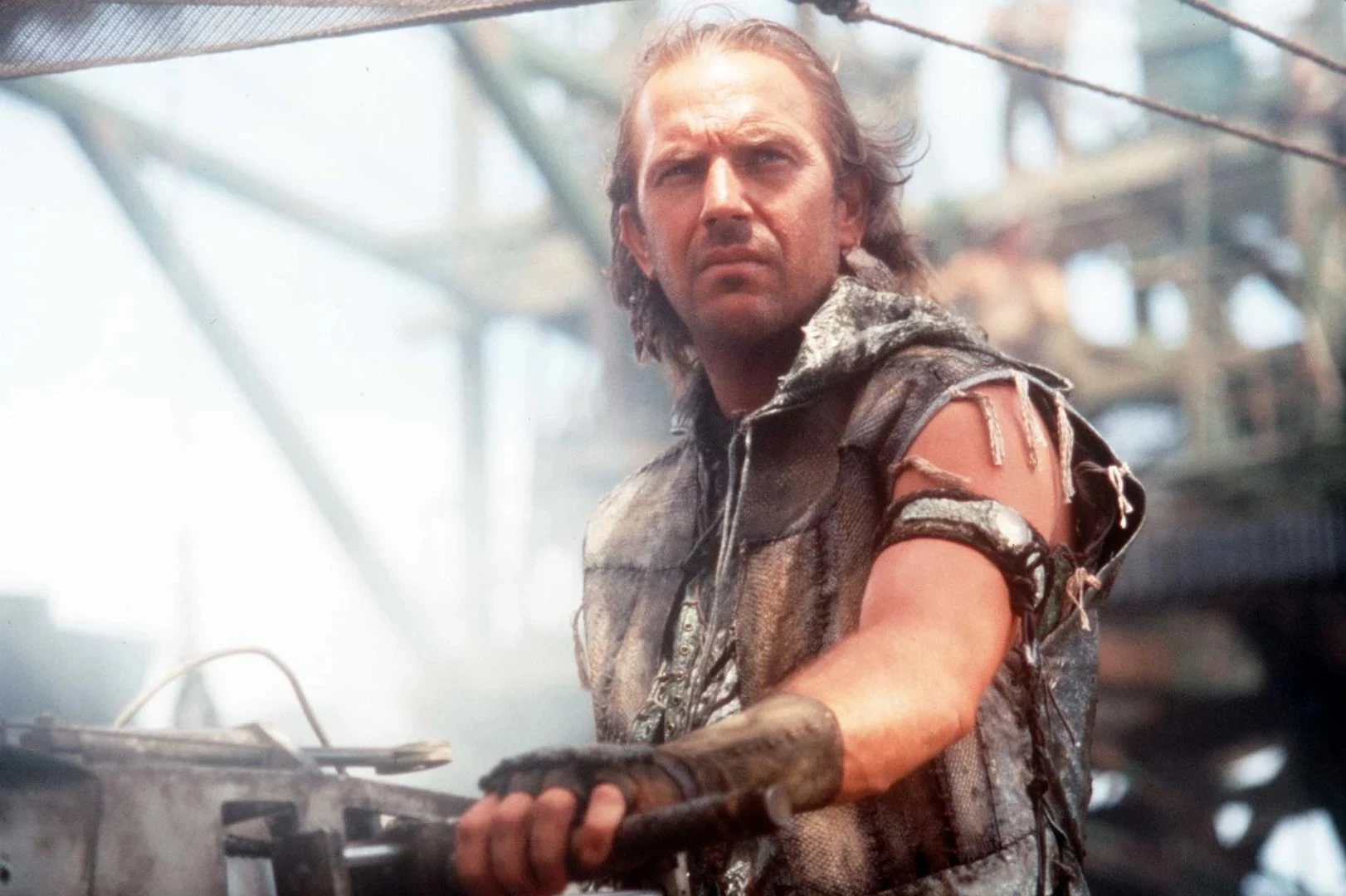
Waterworld (1995)
With a worldwide gross of $264.2 million, Waterworld—Kevin Costner’s ambitious sci-fi film—received a lot of media attention, especially considering its enormous production cost, which made it the most expensive movie ever made at the time. While the film initially received mixed reviews and struggled to impress audiences, it has since gained a cult following. Its impressive stunt show continues to be a popular attraction at Universal Studios Hollywood.

Godzilla (1998)
With a worldwide gross of $379 million, the 1998 American film Godzilla was a major production. Advertisements for the movie proclaimed “Size Does Matter,” and with TriStar investing a substantial amount of money, it seemed like a guaranteed success. This Godzilla was the first big-budget American adaptation of the iconic Japanese monster, and it followed director Roland Emmerich’s blockbuster hit Independence Day from 1996. However, Godzilla didn’t fare as well. Critics strongly disliked the film, and audiences weren’t much more receptive, resulting in a box office total that was less than half of what Independence Day earned globally.

Snakes on a Plane (2006)
The movie Snakes on a Plane earned $62 million worldwide and was an early attempt to use viral internet buzz to boost ticket sales. The film’s silly title became a huge hit on early social media, but that online attention didn’t translate into many people actually going to see it in theaters. Despite the hype, the Sam Jackson thriller struggled to attract audiences.

Speed Racer (2008)
The movie earned $93.9 million worldwide. A pattern with many films on this list is that they were directed by well-known directors after they had a major success, but then this new movie didn’t perform well. For example, Speed Racer was the Wachowskis’ first film after the hugely popular Matrix trilogy. While a fast-paced, visually exciting action movie seemed like a good follow-up to The Matrix, it didn’t do well in theaters. Over time, however, people began to appreciate Speed Racer as one of the Wachowskis’ more unique films after The Matrix.

The Last Airbender (2010)
The film The Last Airbender earned $319.7 million worldwide. However, despite having a popular animated series and a director known for box office success, the movie was a disappointment for Paramount Pictures. It caused significant problems and upset many fans of the original Avatar: The Last Airbender. Criticism focused on director M. Night Shyamalan’s adaptation and the casting choices, which many felt replaced Asian characters with white actors.

Cowboys & Aliens (2011)
The movie Cowboys & Aliens earned $174.8 million worldwide. Despite featuring huge stars – Daniel Craig during his James Bond era and Harrison Ford, famous for roles like Han Solo and Indiana Jones – and being directed by Jon Favreau (who directed the popular Iron Man and Iron Man 2 films), the movie didn’t perform as well as expected. A large marketing campaign couldn’t save it from a lackluster reception, and it quickly faded from theaters.

John Carter (2012)
The movie earned $284.1 million worldwide. For years, filmmakers attempted to adapt the ‘John Carter of Mars’ book series into a major film. Fans of the books point out that many popular science fiction ideas originated there. So, a faithful adaptation, especially directed by Andrew Stanton – known for animated hits like Finding Nemo and WALL-E – seemed like a sure success. However, the movie became one of Disney’s biggest failures.

Superman Returns (2006)
As a critic, I remember a lot of anticipation around Superman Returns. Warner Bros. clearly wanted to recapture the magic of the Christopher Reeve era, and they attempted a sort of sequel/reboot, imagining where that original story could have gone with a new Superman, played by Brandon Routh. Director Bryan Singer, fresh off the success of the X-Men films, was brought in to helm it. But honestly? The film felt…flat. It wasn’t terrible, and it made almost $391 million worldwide, but it lacked the spark of the originals – it was like a faded copy. That disappointing performance ultimately killed any immediate plans for sequels. It paved the way for a complete reinvention. Christopher Nolan and David S. Goyer eventually pitched a very different vision for Superman, which ultimately became Zack Snyder’s Man of Steel – a much bolder, more modern take.

Justice League (2017)
The movie grossed $661.3 million worldwide. Historically, the Justice League was the more popular superhero team, and Marvel even created the Fantastic Four as a response to its success. However, in the world of movies, Marvel flipped the script. They successfully launched The Avengers before DC could assemble its own team. When DC finally released Justice League in 2017, it felt like a copy of Marvel’s earlier film. The movie’s production was also troubled; the original director, Zack Snyder, had to leave mid-way through, and Joss Whedon (who directed The Avengers) finished it. Despite the initial excitement around seeing Superman, Batman, and Wonder Woman together, Justice League earned less than half the revenue of the first Avengers movie.

The Dark Tower (2017)
The film adaptation of Stephen King’s epic series, The Dark Tower, earned $113.2 million at the global box office. While the books are considered a high point in King’s career and seemed perfect for a large-scale film franchise, the movie struggled to find an audience. Director Nikolaj Arcel attempted a complex approach, creating a film that was both an adaptation and a sequel to the novels. This effort to appeal to both longtime fans and newcomers ultimately resulted in a film that pleased neither, and is now considered a major box office failure.

The Mummy (2017)
The 2017 reboot of The Mummy earned $409.2 million worldwide, but it was a major disappointment despite starring Tom Cruise. Universal Pictures had hoped it would kick off a new “Dark Universe” series of monster movies, featuring classic characters like Frankenstein and the Wolf Man. However, the film failed with both viewers and critics, leading Universal to scrap those plans. They then decided to develop separate films for each monster instead. The first of these, The Invisible Man, earned less money than The Mummy, but because it cost much less to make, it was ultimately more successful.

Solo: A Star Wars Story (2018)
The film earned $392.9 million worldwide. Interestingly, Ron Howard was once considered to direct The Dark Tower movie, but he ultimately directed the Han Solo film. He took over that project after the original directors, Phil Lord and Chris Miller, left due to disagreements with Lucasfilm. Despite seeming like a safe bet for Disney and Lucasfilm – it featured Alden Ehrenreich as young Han Solo alongside familiar characters like Chewbacca, the Millennium Falcon, and a young Lando Calrissian played by Donald Glover – the movie performed the worst financially of any film in the Star Wars franchise.

The Matrix Resurrections (2021)
The film grossed $157.3 million worldwide. Many were excited about Lana Wachowski’s return to direct a new installment of The Matrix, especially with Keanu Reeves and Carrie-Anne Moss reprising their roles. While the director cleverly explored themes about the franchise itself, the movie didn’t earn back its estimated $190 million production cost at the box office.

Jurassic World Dominion (2022)
With a worldwide gross of $1.001 billion, Jurassic World Dominion might be considered a disappointment. While a billion dollars is a significant amount, it fell short of Universal’s expectations, especially considering the financial success of the previous two Jurassic World films. Surprisingly, Dominion didn’t even earn as much as the original Jurassic Park ($1.05 billion worldwide), despite being the first sequel to bring back the original cast – Sam Neill, Laura Dern, and Jeff Goldblum. Coupled with some of the worst reviews the franchise has ever received, the film ultimately failed to meet the high expectations surrounding its release.

Black Adam (2022)
Let’s talk box office first: Black Adam pulled in $393.4 million worldwide. But honestly, the movie’s impact went way beyond the numbers. Dwayne Johnson had a big vision – he wanted Black Adam to shift the power dynamics in the DC Universe and become the new central figure. He even pushed for a post-credits scene with Henry Cavill’s Superman to set up a showdown! Unfortunately, the film didn’t perform as hoped. Then, Warner Bros. brought in James Gunn and Peter Safran to lead DC Studios, and they quickly decided to move in a different direction, effectively sidelining Cavill and starting fresh with a new Superman, played by David Corenswet. So, while Johnson aimed for a universe-altering moment, things didn’t quite pan out as planned.

Ant-Man and the Wasp: Quantumania (2023)
The film earned $476 million at the box office worldwide. However, like some DC films, Ant-Man and the Wasp: Quantumania didn’t quite live up to expectations. There was a lot of anticipation that the movie would establish Jonathan Majors’ Kang the Conqueror as a major villain, potentially on par with Thanos. Instead, the film—where Kang was defeated by Ant-Man and some giant ants—was considered a disappointment. After Majors was convicted of assault, Marvel decided not to recast the role of Kang. Instead, they brought back Robert Downey Jr. and changed the planned sequel, The Kang Dynasty, to Doomsday.

The Flash (2023)
With a worldwide gross of $271.3 million, The Flash significantly underperformed at the box office. Considering its reported $220 million budget, the film earned less than $300 million globally. Despite featuring multiple versions of both The Flash and Batman – including returns from Ben Affleck and Michael Keaton after 30 years – the movie failed to attract a large audience. While Michael Keaton’s return as Batman generated considerable publicity, it didn’t translate into ticket sales. This poor performance likely contributed to Warner Bros.’ decision to cancel Keaton’s next DC project, Batgirl, which was reportedly shelved for tax purposes.

Indiana Jones and the Dial of Destiny (2023)
The latest Indiana Jones film, Indiana Jones and the Dial of Destiny, earned $383.9 million worldwide. While this is a significant amount, it’s considerably less than the $786 million grossed by 2008’s Indiana Jones and the Kingdom of the Crystal Skull – despite the latter receiving mostly negative reviews. Reports suggest Disney may have lost over $140 million on Dial of Destiny, as the film’s production budget was approximately equal to its worldwide earnings.
Read More
- Если 2026 год принесет альтсезон, станут ли ETH, BNB, XRP, SOL и DOGE лидерами по эффективности?
- 8 Most Iconic Final Scenes in Superhero TV Shows
- Watson Puts Himself On The Line For A Patient In Exclusive Clip, And It Fits With Morris Chestnut’s Comments About Doing ‘Two Shows In One’
- Sydney Sweeney Leads Trailer for New R-Rated Thriller That Could End Her Box Office Nightmare
- Stranger Things Brings Back Divisive Season 2 Character in Season 5 Vol. 1
- Готов ли XRP к следующему большому обвалу? Спойлер: ситуация не выглядит обнадеживающе!
- Disney Plus Celebrates Zootopia 2 Special Look Debut With New Trailer
- Прогноз криптовалюты SKY: прогнозы цены SKY
- Black Phone 2 Ending & Grabber’s Fate Explained
- Brendan Fraser Reflects on Missing Out on Playing Superman in J.J. Abrams’ Canceled ‘Superman: Flyby’
2026-01-03 00:32