The series features compelling villains, and while some are truly evil, others are simply flawed and relatable people. A villain’s actions don’t necessarily mean their beliefs are incorrect. This is particularly evident in the world of Naruto, where the distinction between good and bad is often unclear. Even characters widely considered villains, like Danzo, understand that the system meant to protect the Hidden Villages often readily sacrifices its own citizens.
Because of this, many villains from Naruto still lead to discussions about whether their paths could have been different. Some opposed the established ninja system, while others highlighted the painful realities of ongoing conflict and resentment. While their actions weren’t right, they often resonated with viewers, showing there was some truth to their perspectives.
Pain Proved That Changing Hearts Changes Minds
Before becoming Pain, Naruto’s biggest enemy was a boy named Nagato, who lost his parents during wartime due to a ninja from the Hidden Leaf Village. Seeing how the major nations caused trouble in smaller countries, Nagato decided the only way to stop fighting was to make the world experience so much pain that no one would ever want to fight again.
Pain believed that lasting peace could only be achieved through immense suffering and widespread destruction. He thought that if people truly experienced the horrors of war, they would be terrified of repeating it, and finally understand the devastating consequences. While Pain eventually had second thoughts, he recognized that making people deeply feel something – even pain – was a powerful way to motivate them and achieve a desired outcome.
Itachi Had to Choose Between Two Great Evils
Itachi Uchiha revealed the troubling truths about the Hidden Leaf Village’s leadership and intentionally acted as a villain to safeguard Konoha and, most importantly, his brother Sasuke. Having seen the devastation of the Third Shinobi War as a child, he made the difficult decision to eliminate the Uchiha clan, believing it would prevent a much greater war.
Initially, the series Naruto presented Itachi as a ruthless villain. However, Naruto: Shippuden later explained his motivations. Itachi made the heartbreaking decision to destroy his own clan and sacrifice his life to prevent a bloody civil war. Despite existing problems within the Hidden Leaf Village, he chose to protect it, saving countless lives – including his brother Sasuke.
Madara Knew that True Peace is an Illusion and Conflict is Inevitable
Madara Uchiha, one of the founders of the Hidden Leaf Village, had a realistic and often harsh view of people and the ninja world. He experienced constant warfare as a child and lost many loved ones to violence. Although he initially strived for peace, Madara eventually believed that lasting peace was impossible and that conflict was inevitable.
Honestly, I’ve always been fascinated by Madara’s perspective. He didn’t see war and pain as something happening to people, but as something we actively choose, repeating the same cycles because, deep down, that’s what we want. He believed true peace and happiness were impossible dreams as long as we’re driven by conflict. He desperately wanted to bring peace to the ninja world, but he came to the conclusion that it just wouldn’t happen unless he could break that endless cycle for good.
Obito Proved the Shinobi World Can Make a Villain Out of Anyone
Watching Obito’s story in Naruto, it really struck me how quickly trauma can change someone in the ninja world. He started out as a genuinely kind kid, a lot like Naruto, and he actually wanted to be Hokage. But then everything fell apart for him. It was awful to see how Madara took advantage of Obito when he was at his lowest point, and how that set off a chain of events that ultimately led to…
Obito realized the ninja world stole the innocence of children, forcing them into endless battles and suppressing their feelings. He believed this system was fundamentally broken and unfit to govern people’s lives. Consequently, he decided that the only way to end suffering was through a simulated reality, leading him to join forces with Madara and initiate the Infinite Tsukuyomi.
Sasuke Exposed the Hatred Unifying the Shinobi World
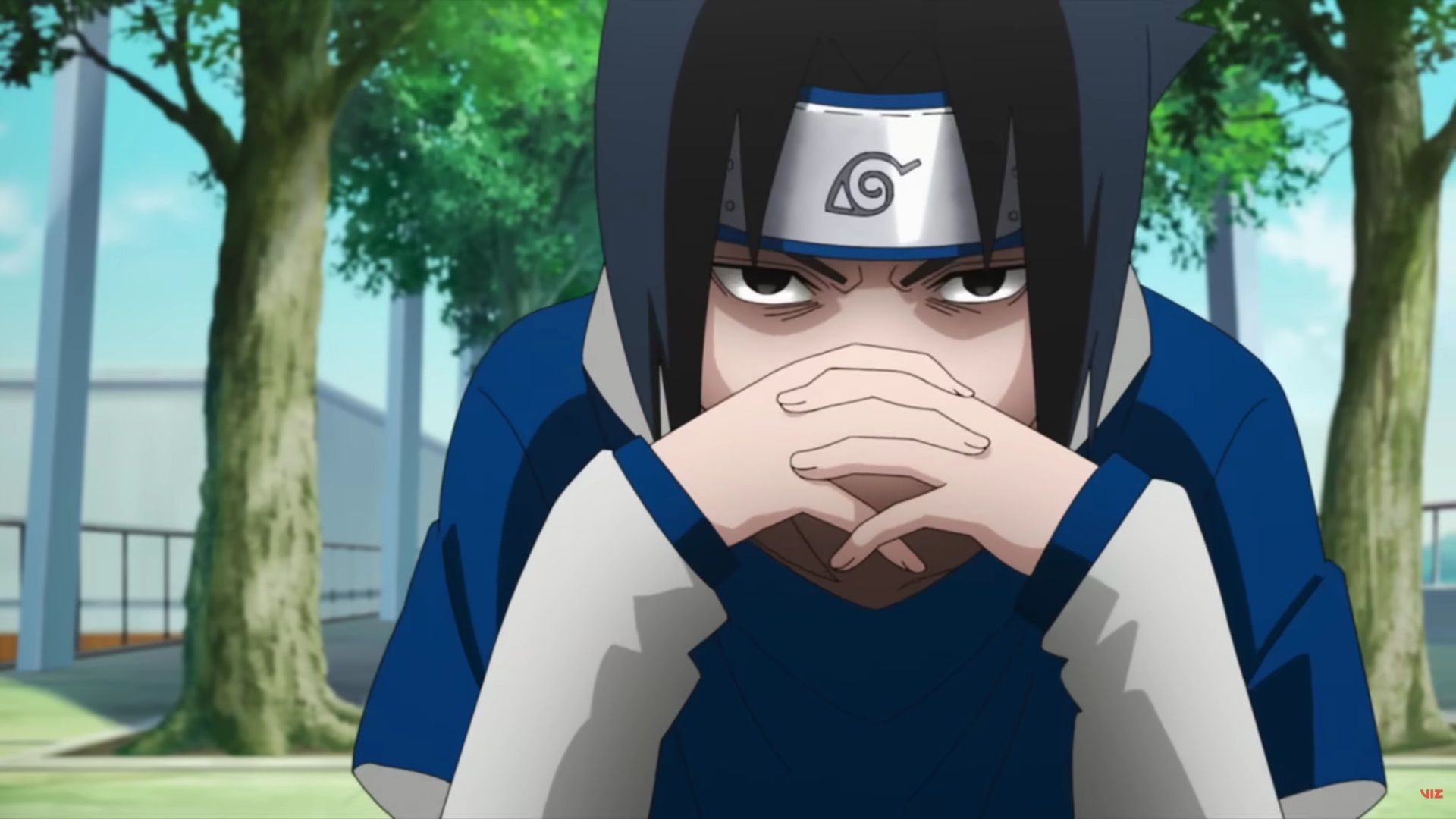
Sasuke didn’t start out wanting to be a villain. However, his intense desire for revenge after the destruction of the Uchiha Clan led him down a dark path. During the Fourth Ninja War, he aimed to become a figure of universal hatred, hoping this would unite the ninja world against a common enemy rather than have them fight amongst themselves.
Naruto convinced Sasuke to consider a peaceful path instead of revenge, but Sasuke believed this approach was unrealistic and wouldn’t truly end conflict in the ninja world. The series Boruto ultimately shows Sasuke was right, as problems like corruption, political maneuvering, and new dangers still persist.
Kisame’s Broken Trust Changed Him Forever
Kisame, once a dedicated ninja from the Hidden Mist village, didn’t have any personal goals beyond staying alive. After seeing constant betrayal within the Hidden Mist, he joined the Akatsuki, prioritizing strength and self-preservation. Ironically, his wish for a truthful world free of deceit led him to become fiercely loyal to the Akatsuki, a group known for its own deception.
Kisame was wrong about the Akatsuki’s goals of saving the world, but he was right to point out the flaws within the ninja system. He simply backed those he believed could create a better future, feeling he wasn’t capable of doing so himself.
Naruto’s Danzo Perfectly Embodies “By Any Means Necessary”
Many fans of Naruto saw Danzo as a ruthless villain who prioritized the safety of the Hidden Leaf Village above all else. However, he was ultimately loyal to the village and truly believed its well-being was more important than any single person. Despite his involvement in terrible acts, Danzo wasn’t motivated by personal gain, but by a desire to prepare the village for the constant conflicts inherent in the ninja world.
Danzo employed ruthless and unethical tactics, justifying them as vital for Konoha’s protection, and there was some truth to his reasoning. Without his controversial actions, Sasuke and Naruto wouldn’t have faced the challenges that ultimately prepared them to defeat Kaguya, potentially leading to the destruction of the ninja world.
Kimimaro Proved Shinobi World Creates Children as Weapons
Kimimaro from Naruto was the last of his clan, the Kaguya, and completely dedicated to Orochimaru. He saw serving Orochimaru as his only reason for living, much like the relationship between Zabuza and Haku. Similar to Haku, Kimimaro was raised only to be a tool for others, without developing a sense of self.
Kimimaro’s story illustrates how the ninja world prioritizes a child’s usefulness over their individuality, and defines their value by their fighting ability. He wasn’t a true villain in Naruto; he was a pawn, driven by a desire to protect his master’s plans and prevent Naruto, Lee, and Gaara from interfering.
Zabuza was Right About Shinobi World Creating Tools, Not People
Zabuza was a hardened ninja shaped by the harsh realities of the shinobi system in Naruto. He wasn’t naturally cruel, but was forced into a life of violence to survive the brutal training and tests of the Bloody Mist, which essentially turned people into weapons for their village. Despite his tough exterior, his bond with Haku showed that he was a caring person at heart.
Despite his own flaws, Zabuza understood that forcing children to fight to the death was wrong and he wanted to see that change. His life shows how common and accepted violence was among ninja, and how it only benefited those who were powerful and unforgiving.
Kakuzu Was Right to Think that Power Lies in Money, Not Loyalty
Long before the events of Naruto, Kakuzu was a dedicated ninja tasked with killing Hashirama. When he failed the mission, his village severely punished him, destroying any sense of loyalty he had towards them. This experience led Kakuzu to believe that money was the only true source of power – unlike ideals like loyalty or honor, or even nations, money could always be relied upon.
Following his experiences, Kakuzu became obsessed with money, viewing every mission as a business deal. He would only fight if it benefited him financially. Kakuzu believed money was the most important thing in the world, even more so than life itself – a cynical perspective that many viewers can relate to.
Found an error? Send it so it can be corrected.
Read More
- Доллар обгонит лев? Эксперты раскрыли неожиданный сценарий
- Hogwarts Sure Does Look Familiar In The New Harry Potter Trailer (But Not From The Movies)
- New Yellowstone Report Reveals The Real Reason Why Monica Dutton Was Killed In Marshals
- Steamy Series ‘Outlander’ Dominates Its Raunchy Competition on Streaming
- Уфргсинтез префы прогноз. Цена префов UFOSP
- Ready Or Not 2 Box Office Slammed With Week 2 Drop That’s Twice As Large As The OG Movie’s
- The Last Of Us Season 3 Set Photos Reveal Kaitlyn Dever’s Abby Return & New Character Lev
- Canon Events: Professor X Nearly Destroyed the X-Men’s Dream as Onslaught
- Supergirl Gets a Big Change Ahead of Release — Report
- Marvel Studios Officially Unveils Their 9th Kid Superhero
2026-02-23 03:19