Psychological thrillers delve into what makes us human, tackling topics like who we are, what scares us, and the battles we fight within ourselves. Unlike typical action-packed anime with clear enemies, these shows build suspense by exploring the intricate and often troubled workings of the human mind when faced with extreme circumstances.
Psychological anime often make it hard to tell who the ‘good guys’ and ‘bad guys’ really are, encouraging viewers to think deeply about each character’s motivations. These shows build suspense by putting characters in difficult and morally gray situations, adding extra tension to already captivating stories. The best ones handle these complexities skillfully, keeping you on the edge of your seat.
Monster Carefully Tracks the Devastating Fallout of One Flawed Decision
Few anime delve into the complexities of human nature and morality like Monster. The story centers on Kenzo Tenma, a highly principled neurosurgeon, who faces a difficult ethical crisis when choosing to save a young boy’s life inadvertently leads to the emergence of a dangerous criminal. The increasing weight of responsibility and guilt over his choice forms the core of the series’ intense narrative.
The film Monster brilliantly portrays how regular people can be led to do terrible things when faced with extreme circumstances. A standout feature of the movie is its villain, Johan Liebert. Johan isn’t simply evil or strong; he’s a deeply unsettling character. His profound darkness forces the audience to wonder whether he is the true monster, or if the society around him is responsible for creating him.
Death Note is an All-Time Classic Exploring the Balance Between Justice & Power
Death Note is a famous anime known for its intense psychological themes. It’s a gripping story that blends crime, suspense, and thriller elements, exploring ideas about ego, intelligence, and what people consider justice. The series shows how power can corrupt, particularly through the complex rivalry between the two main characters, Light Yagami and L Lawliet.
When Light Yagami was a teenager, he thought getting rid of criminals would improve the world. However, he soon discovered the conflict between what’s right and who has the power to decide. This conflict becomes clear as Light goes from wanting to fix the world to wanting complete control. Even now, Death Note continues to make viewers think about how tempting power can be.
Mushi-Shi Explores the Depths of the Human Psyche in the Face of the Unknown
Unlike most psychological thrillers, Mushi-Shi tells a more thoughtful and introspective story about the human mind. It deeply explores themes of sadness, suffering, and internal struggles through its central character. The series follows Ginko, who studies Mushi – enigmatic creatures that blur the line between the natural and supernatural.
The anime Mushi-Shi explores how people deal with situations beyond their control, focusing on both the strange and the emotional. Rather than fixing problems, the main character, Ginko, tries to understand them, helping others adjust. This highlights the idea that people aren’t as afraid of danger itself as they are of things they don’t understand.
Psycho-Pass Builds a Society Where Technology Defines Justice
Psycho-Pass is a thrilling anime set in a society where technology monitors and controls people’s behavior. The story follows Akane Tsunemori, an inspector working within this system, which uses the Sibyl System to measure and judge people’s morality. The anime explores whether this seemingly flawless technological judgment can truly replace justice based on individual free will.
The anime Psycho-Pass explores a thought-provoking idea: that a society focused solely on safety and control might actually end up sacrificing the individuality it’s trying to preserve. What really sets the show apart, though, is the complex conflict between the protagonist, Akane, and the villain, Shogo Makishima. Shogo challenges the system’s values and intentionally tests its limits to reveal its weaknesses, creating a powerful and compelling struggle between freedom and control – making Psycho-Pass a true psychological thriller.
Serial Experiments Lain Exposes How Digital Worlds Destroy Reality & Identity
Considered one of the most thought-provoking psychological thrillers ever made, Serial Experiments Lain explores the connection between our minds, technology, and who we are. The story centers on Lain Iwakura, an average girl who unexpectedly finds herself connected to a strange digital world called the Wired. As the digital and real worlds increasingly blur, the series makes you wonder if they can ever be truly distinct.
Perhaps most remarkably, Serial Experiments Lain foreshadows the psychological impact of using the internet and navigating digital worlds. As the story unfolds, Lain encounters multiple versions of herself, leading to confusion about who she truly is. This highlights how the internet can contribute to identity crises by blurring the lines between our real and online lives.
Steins;Gate’s Time Travel Unravels Minds & Timelines Side By Side
Steins;Gate is a thrilling and complex psychological story about time travel and how it affects people. What starts as a seemingly exciting scientific discovery for Rintarou Okabe quickly turns dark as the series shows the frightening results of altering time.
Steins;Gate is a gripping psychological thriller that delves into how trauma and guilt can shatter a person’s sense of self. The story masterfully creates a heavy emotional atmosphere by demonstrating how having knowledge can actually become a weight, constantly reminding Rintarou that he’s responsible for negative outcomes.
Neon Genesis Evangelion Is One of the Most Psychologically-Driven Anime Ever Created
Despite appearing like a typical show with giant robots fighting, Neon Genesis Evangelion is a deeply psychological series that focuses on its characters and how trauma affects who they are. The main character, like many others in the show, battles with feelings of inadequacy and loneliness. Unfortunately, even when he succeeds, it feels like a heavy responsibility rather than a true triumph.
Throughout the series, the story moves away from battles and outward struggles to focus on what the characters are feeling inside, particularly their fears and anxieties. Characters like Asuka and Gendo deeply desire connection with others, but they have trouble being open and honest, which causes miscommunication and keeps them emotionally isolated. This focus on the characters’ inner lives, combined with its use of symbolism, makes Neon Genesis Evangelion a uniquely psychological and thrilling anime.
Kaiji: Ultimate Survivor Exposes the Dark Side of Gritty Gambling Lifestyles
Kaiji: Ultimate Survivor explores how people’s minds work when they’re under extreme pressure. The main character, Kaiji Itou, constantly finds himself in difficult situations where his choices can either improve his fate or make things even worse.
Kaiji: Ultimate Survivor is a thrilling story about the intense psychological pressure of high-stakes gambling. It realistically portrays how far people will go to survive, revealing the dark sides of greed, betrayal, and the toll financial hardship takes on the human mind. The series powerfully depicts the strain of paranoia and desperation caused by extreme financial pressure.
Boogiepop Phantom Takes a Personal Approach to Exploring Thrilling Psychological Depths
Boogiepop Phantom is a unique psychological anime that doesn’t follow one continuous story. Instead, it presents different viewpoints of students and others linked by a local legend called Boogiepop. Each episode centers on a new character and explores how their fears, past traumas, and personal struggles affect their daily lives.
What sets Boogiepop Phantom apart as a psychological thriller is its skillful blend of supernatural events and deep psychological themes, such as identity, loneliness, and inner darkness. The show intentionally avoids giving easy answers, challenging viewers to connect the dots and create their own understanding, which makes for a truly captivating experience.
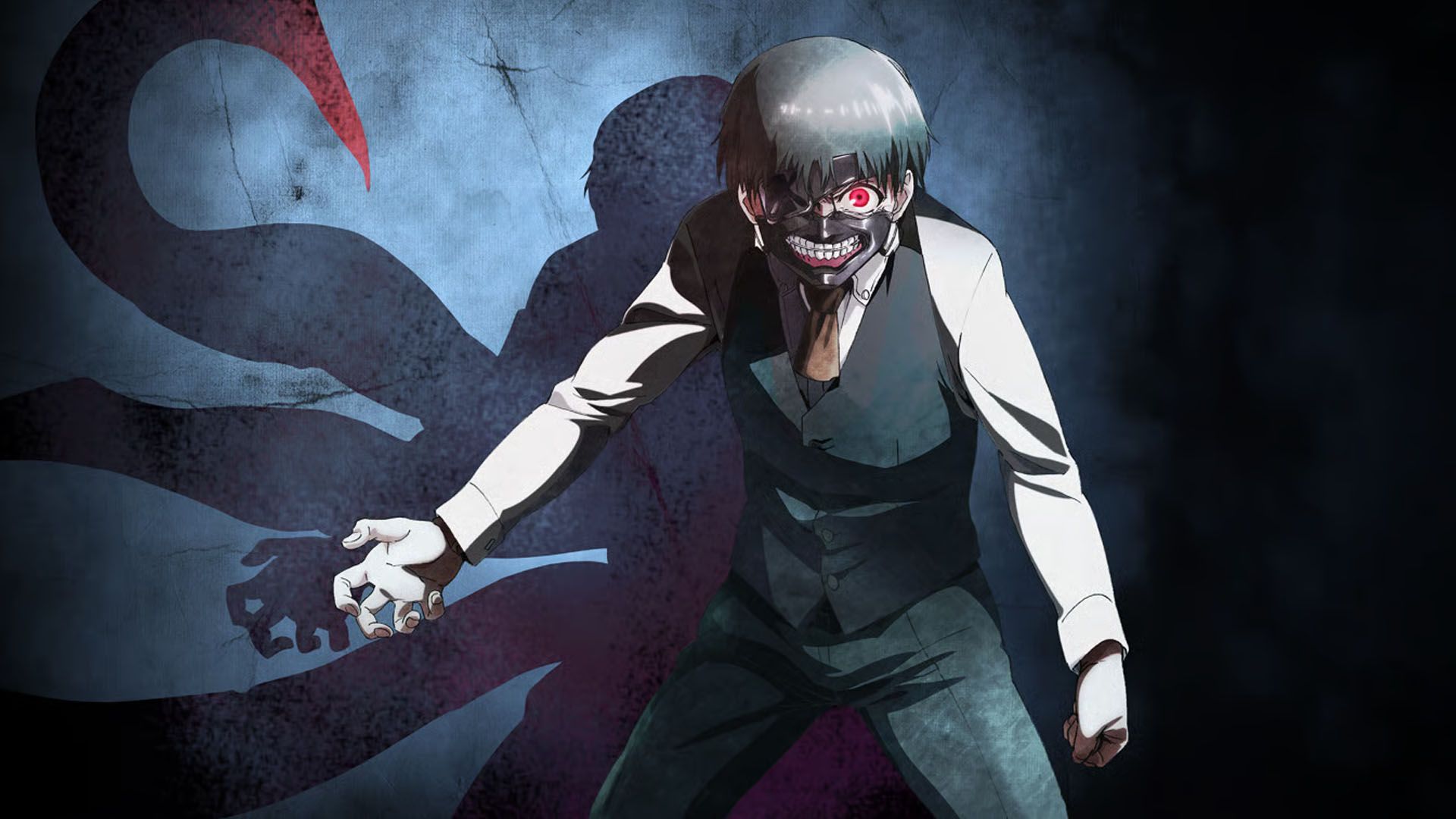
Ken Kaneki’s Psychological Suffering Stems From Living With Two Incompatible Identities
Tokyo Ghoul is a chilling horror story that focuses on a major identity crisis. After the main character, Ken Kaneki, transforms into a half-ghoul, he struggles to find his place in the world, no longer fully human but not quite a monster either. The story delves into his internal conflict as he tries to define who he is.
Instead of simply portraying a conflict between humans and ghouls, Tokyo Ghoul explores the gray areas of morality for both sides. Both species see each other as threats and engage in violence, making it difficult to decide who is truly the bad guy. This is highlighted by Kaneki’s emotional struggles, which demonstrate how deeply trauma can affect someone’s sense of self.
Found an error? Send it so it can be corrected.
Read More
- New Chris Pratt Sci-Fi Flop Already Out on Streaming
- Netflix’s Lincoln Lawyer Has a Secret Michael Connelly Easter Egg
- ‘Blades of the Guardians’ Rotten Tomatoes Score Revealed
- ЯТЭК акции прогноз. Цена акций YAKG
- Jenna Ortega’s 80% RT Netflix Mystery Thriller Is Now More Important Than Ever
- James Cameron Blasts America: Hollywood Billionaire Trashes the Nation That Made Him Rich
- Everything New on Peacock in March
- The Shield: Groundbreaking Crime Drama That Paved Way For Prestige TV
- Leonardo DiCaprio’s Post-Oscar Roles: A Surprising Trend In His Filmography
- The Asset Season 2 Must Fix The One Problem With Netflix’s Best New Thriller
2026-03-18 03:40