
Marvel’s Marvel Cinematic Universe (MCU) revolutionized filmmaking by proving how successful a shared, interconnected universe could be. Starting with Iron Man in 2008, they built a world where heroes like Captain America eventually teamed up in Avengers movies, and even shared continuity with TV shows. While the MCU may be slowing down now, it spent years inspiring others to replicate its success with their own superhero franchises.
Comic book universes really led the way in creating connected stories across different projects. But the idea became so successful that television also jumped on board, with even surprising studios developing plans to build interconnected worlds and maximize profits. Some of these attempts are struggling, others have been restarted, and many have simply failed. It leaves you wondering: were these ambitious visions that were just too early, or were they simply attempts to make money that were destined to fall apart?
The Dark Universe
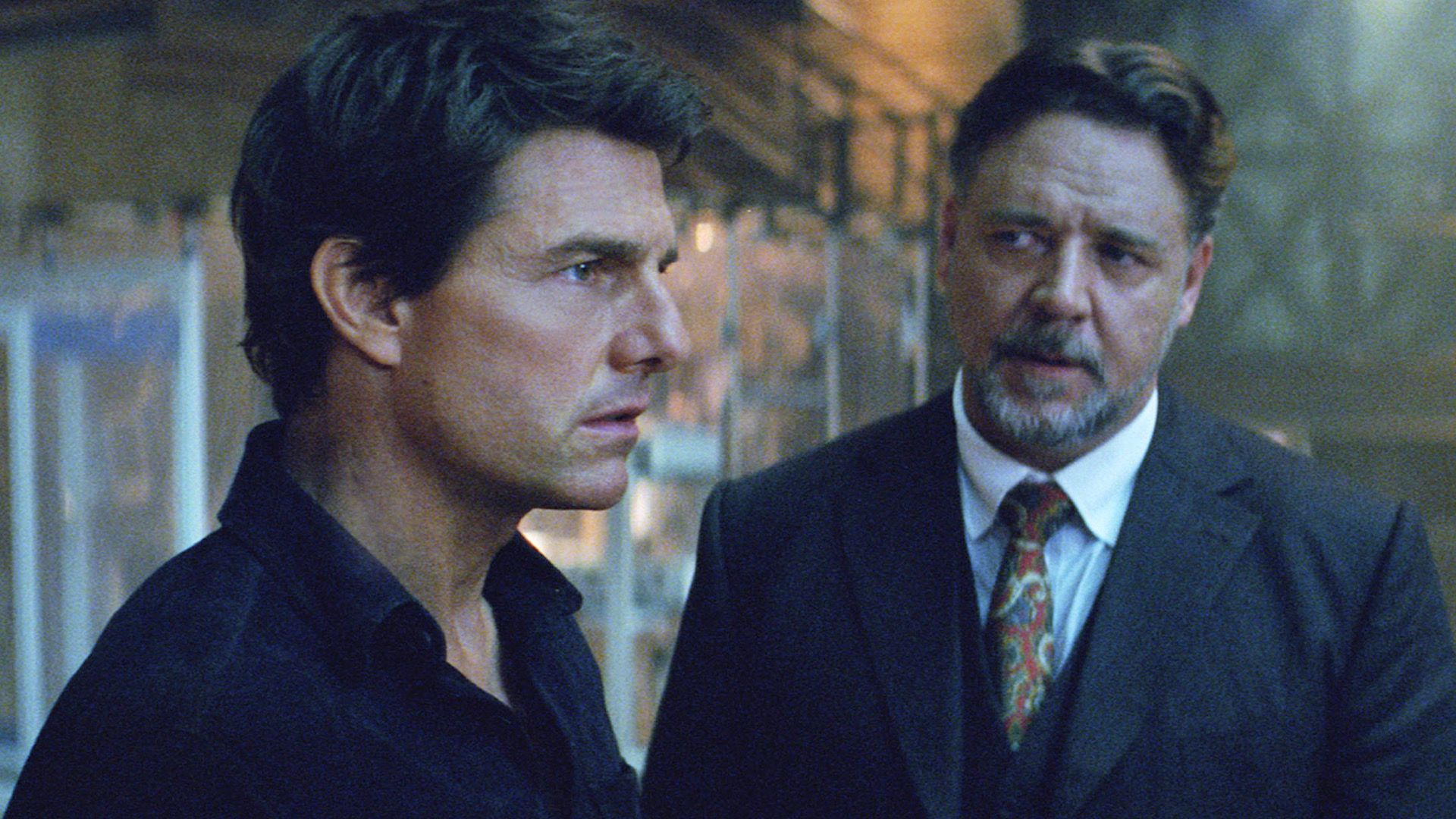
Universal had ambitious goals for its “Dark Universe” franchise, intending it to be a shared cinematic world for classic movie monsters. It began with the 2014 film Dracula Untold, though many viewers didn’t realize it was the start of a larger series. The plans became clearer with the 2017 remake of The Mummy, which introduced Russell Crowe as Dr. Henry Jekyll. Jekyll was envisioned as a central figure—similar to Nick Fury in the Marvel Cinematic Universe—who would tie all the future monster movies together.
Universal initially planned a shared universe of monster movies, casting Johnny Depp as the Invisible Man, Angelina Jolie as the Bride of Frankenstein, and Javier Bardem as Frankenstein’s monster. They also had ideas for films based on Van Helsing, the Wolfman, the Creature from the Black Lagoon, and a follow-up to Dracula Untold. However, The Mummy (2017) received very poor reviews – only 15% positive on Rotten Tomatoes – despite earning over $400 million worldwide. Because of the negative reception, the studio scrapped the interconnected universe and instead opted for standalone films like The Invisible Man (2020), The Wolfman (scheduled for 2025), and a new The Mummy film from Lee Cronin, set for release in 2026.
Anne Rice’s Immortal Universe
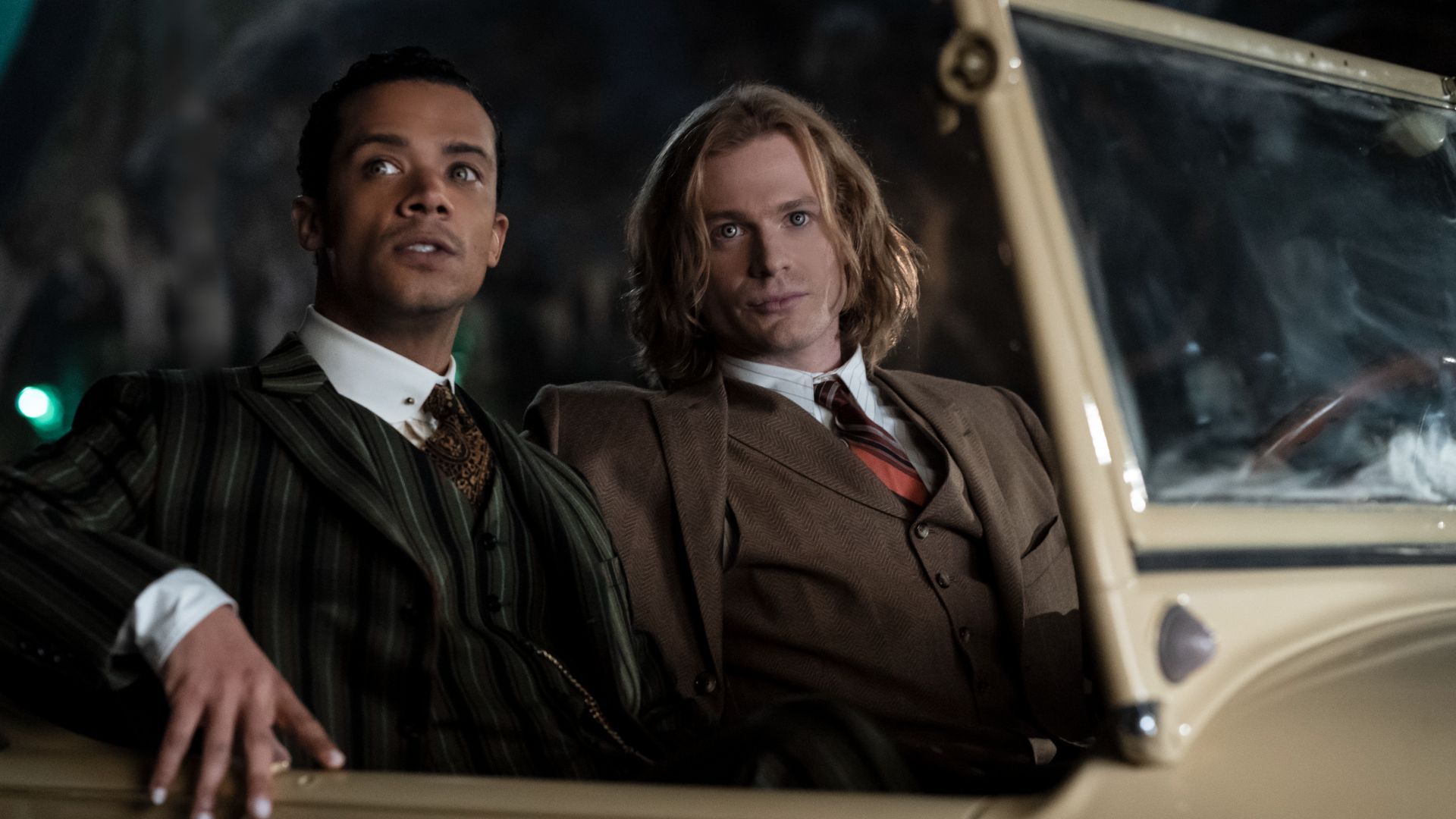
While not a complete failure, the future of Anne Rice’s interconnected vampire and witch stories is uncertain. The strongest part of the franchise right now is the show Interview with the Vampire, which will return for a third season later this year, now called The Vampire Lestat. The first two seasons received good reviews and initially suggested a successful adaptation of Rice’s novels.
The series Mayfair Witches had a rocky start with its first season, but improved significantly in season two, earning a renewal for a third. However, its spin-off, Talamasca: The Secret Order, received mixed reviews and was cancelled after just one season. While both shows share some characters and story elements, the interconnected universe hasn’t quite delivered on what viewers hoped for, and Talamasca’s cancellation hints at potential problems for the future.
The LEGO Cinematic Universe (LCU)
I remember when the LEGO movie universe really took off – it all started with The LEGO Movie in 2014. Everyone was so surprised by how well it did! Made with a $60 million budget, it actually earned almost $470 million worldwide, and they immediately started planning more LEGO films. The LEGO Batman Movie in 2017 was another huge success. But then, later that same year, The LEGO Ninjago Movie came out, and it felt like things started to slow down. It cost $70 million to make, but only brought in around $123 million. I think maybe people were getting a bit tired of LEGO movies by then, or maybe Ninjago just wasn’t as well-known outside of LEGO fans.
Although Ninjago didn’t perform as well as hoped, the creators believed The LEGO Movie 2: The Second Part could revive the franchise in 2019. Unfortunately, after a five-year wait and declining performance in previous films, The LEGO Movie 2 was a disappointment. Despite a $99 million budget, it only earned $199 million at the box office. While the movies initially received positive reviews, their success proved short-lived, and the idea of a shared cinematic universe seemed to fade.
Sony’s Spider-Man Universe (SSU)
It’s hard to know where to begin when discussing Sony’s Spider-Man Universe of films. While the Venom movies weren’t terrible, the quality declined with each installment. Despite lukewarm reviews, the first Venom film was a box office success, which encouraged Sony to make more movies based on Spider-Man villains while Spider-Man himself was busy in the Marvel Cinematic Universe.
Sony’s attempt to launch a new series of Marvel movies started poorly with Morbius, a film plagued by production issues and critically panned upon release. It failed to earn back its cost at the box office, foreshadowing trouble for upcoming movies like Madame Web and Kraven. Despite featuring stars like Dakota Johnson and Sydney Sweeney, Madame Web was even more disappointing, released in a confusing and remarkably low-quality state. By the time Kraven, starring Aaron Taylor-Johnson, arrived in theaters in late 2024, the franchise was failing, and the film effectively ended the series.
The Hanna-Barbera Cinematic Universe (HBCU)
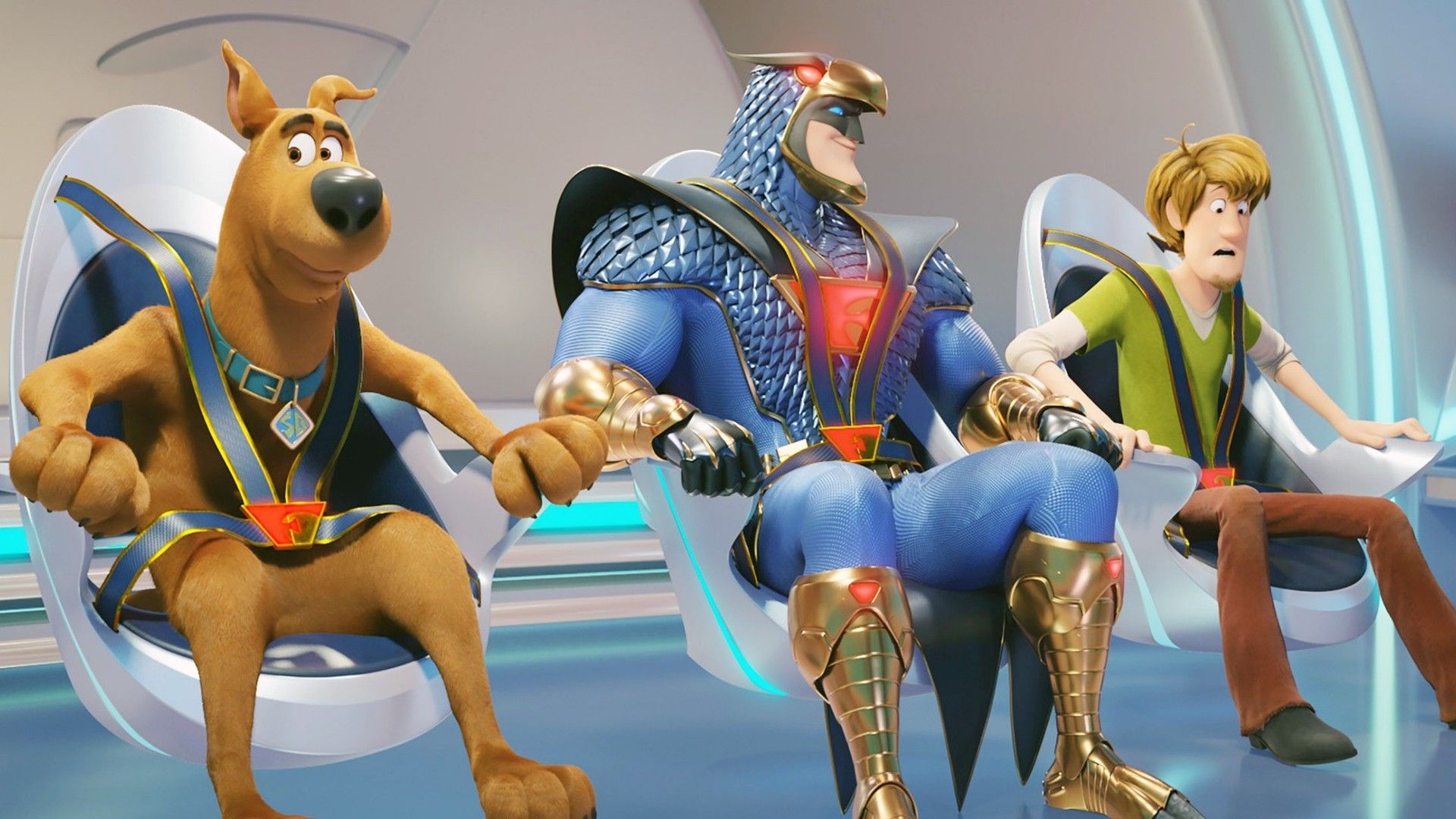
In 2020, Warner Bros. began a project intended to create a shared universe featuring its classic cartoon characters, starting with the animated film Scoob! The movie brought Scooby-Doo and his friends together with Blue Falcon on an adventure, and also included appearances from characters like Dick Dastardly, Captain Caveman, Atom Ant, and Dr. Quest. Unfortunately, the COVID-19 pandemic disrupted the film’s plans, and instead of a theatrical release in summer 2020, it was released for home viewing.
Despite not fully realizing its potential, plans to build on the world of Scoob! were abandoned. A sequel, Scoob! Holiday Haunt, was almost complete but was canceled and written off as a loss for tax purposes. This was part of a larger decision by Warner Bros. to cancel several projects, including Batgirl. While more Scooby-Doo content is planned, Scoob! remains the only film from this particular effort that was ever released.
DC Extended Universe (DCEU)
The DC Extended Universe (DCEU) has faced many challenges, which have been widely discussed. Hoping to replicate the success of Marvel’s cinematic universe, DC rushed to create its own interconnected series of films. Warner Bros. supported Zack Snyder’s Man of Steel, aiming for a more serious and realistic tone compared to Marvel’s movies. While Man of Steel earned a good amount of money, critics were divided. Snyder was then put in charge of building the DCEU with individual hero films leading up to a large Justice League story told over multiple movies.
The DC Extended Universe (DCEU) had some successes, notably Wonder Woman and Birds of Prey. However, the negative reaction to Batman v Superman: Dawn of Justice caused major problems, leading the studio to change direction on several films already in production. Suicide Squad was heavily re-edited after filming, and Justice League faced a famously troubled production. Overall, the DCEU struggled to consistently deliver quality films with a consistent tone. Disappointing releases like Black Adam and The Flash ultimately led to the franchise being discontinued, paving the way for James Gunn’s new DC Universe, which is currently getting off to a strong start.
The Supernatural Multiverse
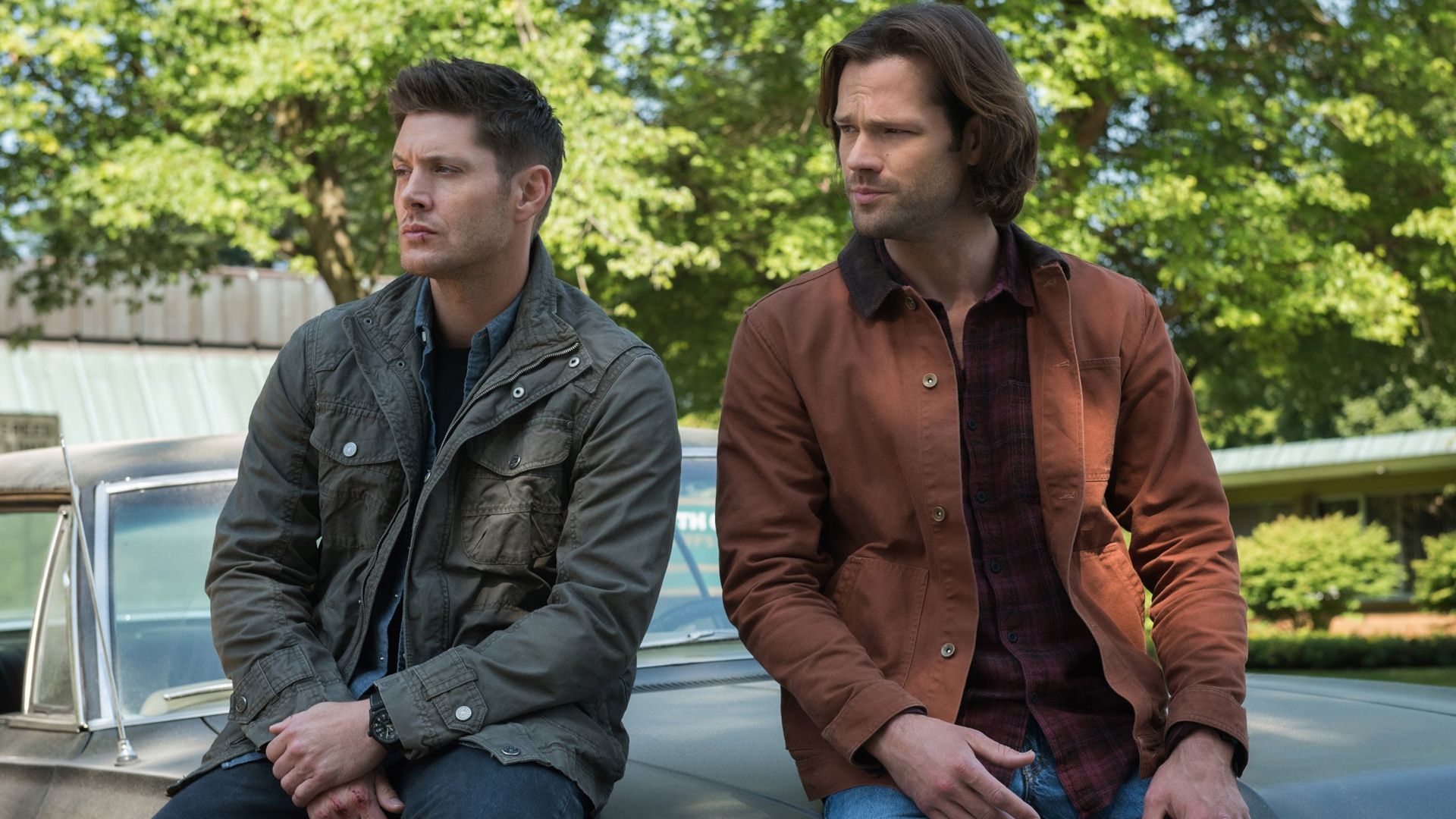
Even after ending its impressive 15-season run, Supernatural still has a huge and dedicated fanbase. Several efforts have been made to create new shows within the Supernatural universe. The original series included two episodes intended as pilots for spin-offs: Season 9’s “Bloodlines” and Season 13’s “Wayward Sisters.” Unfortunately, neither spin-off was picked up. While “Bloodlines” wasn’t well-received by fans, “Wayward Sisters” gained some traction before the network ultimately decided not to move forward with it.
As a huge Supernatural fan, I was really excited when The Winchesters came out in 2022. It was so cool to see Sam and Dean’s parents, John and Mary, and how their love story began! They did things a little differently, setting it in a separate reality so it wouldn’t mess with the original show’s timeline, and it actually opened the door to the idea of a whole Supernatural multiverse. It felt like they were building something bigger, but sadly, the show only got one season of 13 episodes before it was canceled. We’re still hoping Supernatural will come back somehow, but so far, every attempt to create a connected universe of shows hasn’t worked out.
The Amazing Spider-Man Universe
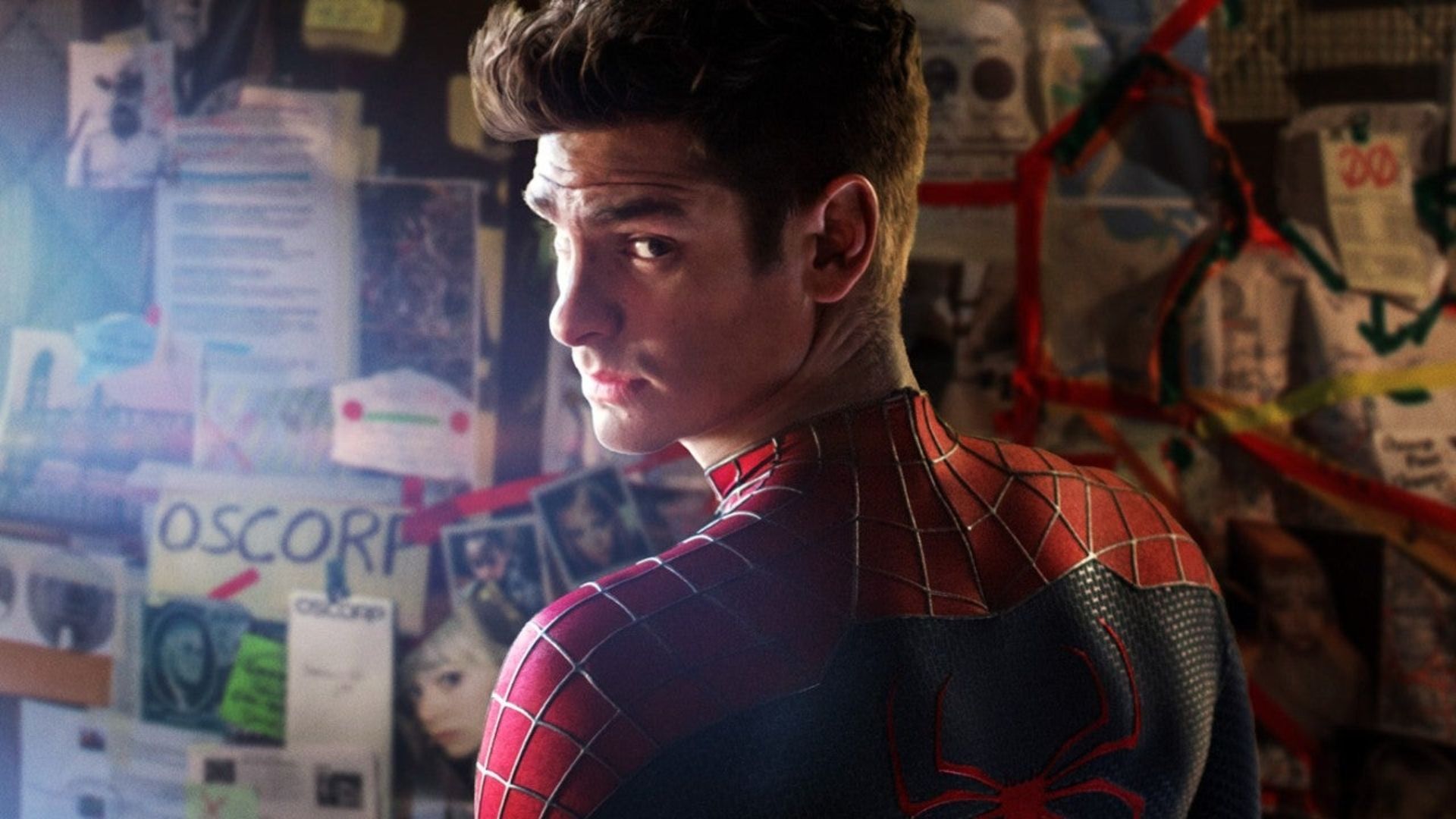
The Amazing Spider-Man is a fun and engaging story of how Spider-Man began. Andrew Garfield delivers a strong performance as Peter Parker, and Emma Stone is perfectly cast as Gwen Stacy, setting the stage for a new take on the Spider-Man series. The first movie did well, leading to plans for multiple sequels and spin-offs, including one focusing on the Sinister Six villains. However, The Amazing Spider-Man 2 wasn’t well-received by critics and didn’t perform as well at the box office as the studio had hoped.
The Amazing Spider-Man movies were a second effort to quickly build a connected universe of films, but the quality declined rapidly. The 2014 Sony hack also contributed to the difficulties, as details about future plans were made public. Faced with these issues, Sony ultimately decided to abandon the shared universe after only two films.
The Dark Tower Universe
Stephen King’s The Dark Tower is a complex series of books with a rich backstory that would lend itself well to a connected set of films and TV shows. The 2017 movie, featuring Idris Elba and Matthew McConaughey, was intended to launch this larger universe, with sequels and spin-off shows planned. However, after the film received poor reviews and didn’t perform well in theaters, those plans were cancelled.
The movie adaptation of The Dark Tower didn’t live up to expectations. Despite being based on a complex sci-fi world, the 95-minute film failed to capture the imagination of most viewers and disappointed fans of Stephen King’s books. As a result, plans for a series were cancelled. With a low score of 16% on Rotten Tomatoes and a worldwide gross of only $113 million on a $60 million budget, it’s no surprise the studio decided against continuing the franchise after just one film, despite a difficult production.
The How I Met Your Mother Universe (The HIMYM Universe)
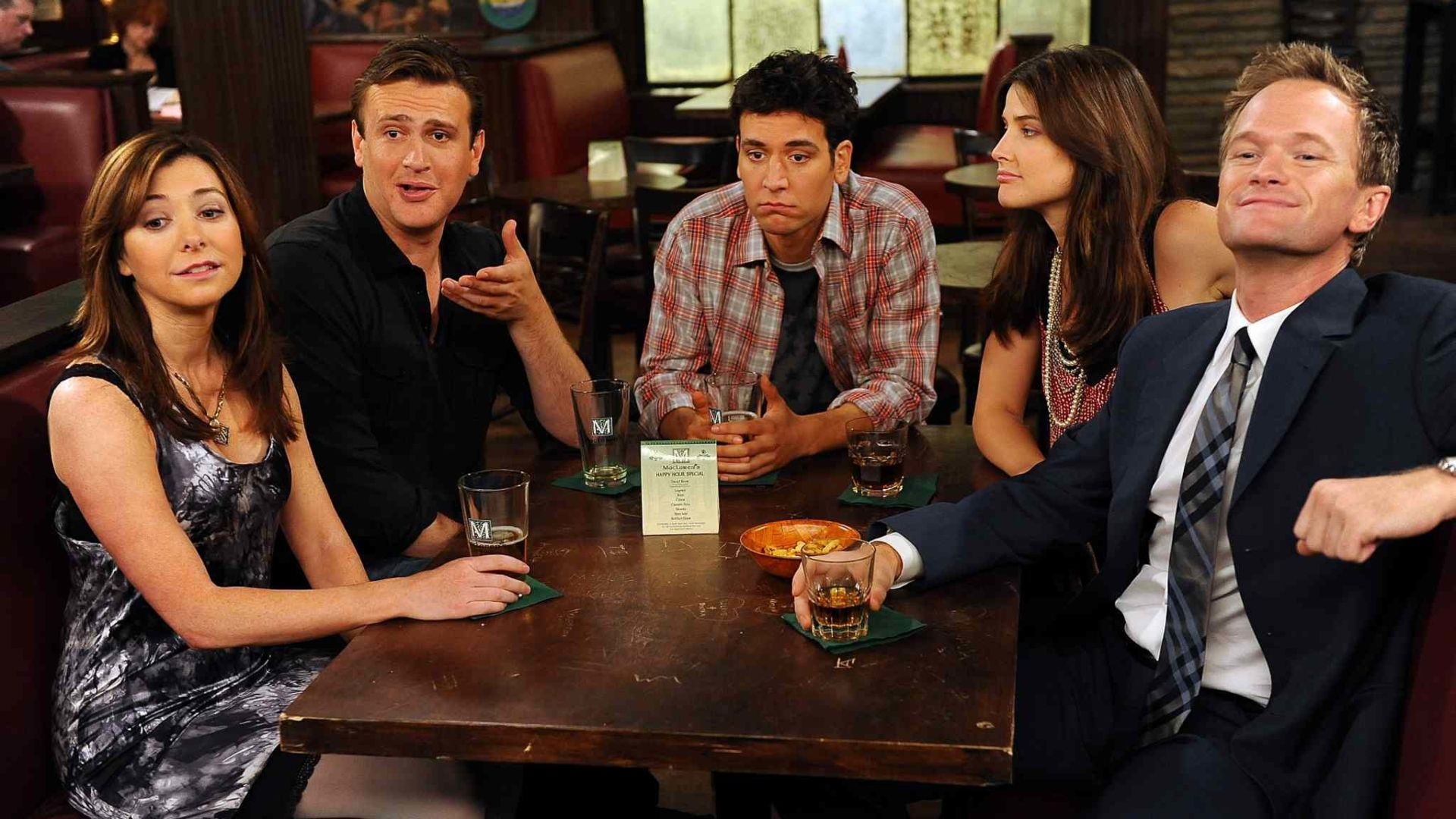
The sitcom How I Met Your Mother is well-known for its controversial ending, and many fans skip the final season when rewatching the show. Despite this, HIMYM became a major part of pop culture, making it a good candidate for spin-offs. The first attempt at expanding the story was How I Met Your Dad in 2014, starring Greta Gerwig, and intended to share the same universe with new characters. However, the show wasn’t picked up by the network, potentially due to the negative reaction to the HIMYM finale, which aired the same year.
In 2022, Hilary Duff starred in How I Met Your Father, a sequel to How I Met Your Mother. Featuring guest appearances by original cast members like Cobie Smulders and Neil Patrick Harris, the show aired for two seasons on Hulu before being canceled. Though it didn’t achieve the same success as the original, How I Met Your Father ultimately concluded the story of the How I Met Your Mother universe.
Read More
- William Shatner Expresses ‘Sorrow’ Over Starfleet Academy End, Mocks Criticism
- Marvel Studios Confirms Historic Release For 2nd Chapter Of MCU Netflix Reboot
- Sean Bean’s Best TV Role Since Game Of Thrones Is In This City Is Ours
- Hannah Montana 20th Anniversary Special Dominates Disney+ Streaming Charts
- Доллар обгонит лев? Эксперты раскрыли неожиданный сценарий
- Nintendo Officially Cuts Switch 2 Production After Low Sales
- Daredevil: Born Again Easter Egg Reveals a Thunderbolts* Villain You May Have Missed
- CBR’s Nintendo Trivia Quiz
- Daredevil Born Again Reveals Full Look At Bullseye’s Comic-Accurate Costume In Season 2
- There’s Officially 2 Weeks Left Until Prime Video Changes Forever
2026-04-05 05:06