While characters often come back to life in anime, some deaths are truly impactful. These shocking, violent, and heartbreaking moments fundamentally change the direction and overall feel of the shows they occur in.
Stories often change characters, raise the stakes, and completely alter what we expect, forcing us to confront a new reality. Sometimes, the impact of a loss is more significant than the loss itself, leading to characters – and audiences – experiencing deep emotional and ideological shifts. When done well, these impactful moments stay with viewers, leaving lasting emotional impressions around the world.
Gon Lost His Innocence When Kite Was Killed in Hunter x Hunter
The Chimera Ant arc was a turning point in the story, filled with disturbing deaths. Gon Freecss, previously known for his innocence, was deeply affected by the horrors he witnessed. The death of Kite specifically signaled a shift away from the series‘ lighthearted adventures and towards a much darker, more psychologically intense narrative.
It wasn’t simply Kite’s death that was so devastating. Neferpitou cruelly toyed with his severed head and then stitched his body back together as a horrifying puppet. This extreme violence deeply affected Gon, unleashing his anger and guilt and pushing him to the edge of becoming a villain. Moreover, what happened to Kite established the Chimera Ants as truly terrifying villains, unlike anything seen before in Hunter x Hunter.
Losing Kento Nanami Broke Yuji’s Heart and Soul in Jujutsu Kaisen
Even with all the sad events in Jujutsu Kaisen, Kento Nanami’s death was particularly devastating, shaking viewers and characters alike in a world where heroes often face the greatest hardships. Nanami always handled his dangerous job with a quiet sense of duty, believing it was his responsibility to fight curses. Both fans and the main character, Yuji Itadori, grew to love Nanami, making his untimely death at the hands of Mahito all the more heartbreaking.
Nanami tried to stay strong even though he had severe burns, but it wasn’t enough to save him. Yuji was forced to watch his mentor’s brutal death, as Mahito callously destroyed Nanami’s upper body. When Nobara Kugisaki was also killed by Mahito soon after, Yuji was completely devastated, and the emotional impact of these losses continued to affect him long after the events in Shibuya ended.
Erwin Smith’s Death Indirectly Triggered the Rumbling in Attack on Titan
Watching Attack on Titan meant getting used to characters dying – some deaths were truly shocking, like those of Mike Zacharius, Faye Yeager, and Marco Bodt. But the loss that really stuck with me, and with everyone in the story, happened during the Return to Shiganshina. Erwin Smith was the driving force behind Paradis, and he hid how tired he was with his incredible personality, strong morals, and practical thinking. His death felt different; it truly echoed throughout everything that happened next.
Erwin’s selfless and knowingly fatal attack on the Beast Titan, done to create an opening for Levi, felt like a dark sign because viewers knew what would happen. Though a Titan serum could have saved him, Attack on Titan chose the also-dying Armin to carry on – a sacrifice Erwin would have approved of. Sadly, this decision caused a deep division, leading to the rise of the Yeagerists and ultimately, widespread conflict.
Kyojuro Rengoku Would Never Be Forgotten in Demon Slayer
Demon Slayer quickly became known for its heartwarming portrayal of Tanjiro Kamado as a kind and strong hero, but also for its shockingly tragic moments. While the series showed the deaths of young characters during the Final Selection, the death of Kyojuro Rengoku, a powerful and inspiring Hashira, was particularly devastating. Rengoku perfectly represented the bravery and high ideals often found in shonen anime.
Rengoku, the Flame Hashira, seemed destined to be a central figure in the story, which made his battle with Akaza incredibly heartbreaking. Even knowing he was going to die, Rengoku bravely fought on, focusing on saving everyone else. His sacrifice deeply impacted Tanjiro, Zenitsu, and Inosuke, and Tanjiro especially carried on Rengoku’s spirit by incorporating the Hashira’s hand-guard into his own sword.
Losing Portgas D. Ace Literally Resulted in One Piece’s Timeskip
Compared to many anime today, One Piece started when characters dying didn’t always mean they were gone for good. So many characters have been killed and brought back to life that death often feels less impactful. This might be why Portgas D. Ace’s death was so shocking – it was a truly permanent loss. Fans hadn’t seen Luffy so devastated, either before or after that moment.
Ace almost succeeded in escaping with his brother, briefly giving fans hope for their survival, but his death was ultimately confirmed. This loss was a major turning point in One Piece, directly leading to the two-year timeskip and motivating Luffy and the Straw Hats to become much stronger. Beyond that, the story still needs to address the consequences of what happened, and it seems likely that will involve a confrontation with a key antagonist in the upcoming Final Saga.
Jiraiya’s Death Forced Naruto to Understand Pain in Naruto: Shippuden
At first, Naruto relied heavily on Jiraiya, a mentor who was like a grandfather to him and helped guide him. Jiraiya remained hopeful even after facing many failures and witnessing war, so his death felt like a huge loss of security for Naruto. After that, the story became noticeably more serious and somber.
Jiraiya discovered Pain’s secret while fighting him, but sadly passed away before he could fully utilize the knowledge. Despite this, Jiraiya’s death profoundly impacted Naruto, driving him to fight with a new intensity. Ultimately, Naruto defeated Pain not through anger or revenge, but by truly understanding his enemy.
Thors Snorresson’s Death Continues to Echo Loudly in Vinland Saga
This story explores the endless human capacity for revenge. Thorfinn is driven entirely by a desire to avenge his father, Thors, whose death in Episode 4 deeply impacts his formative years. It’s ironic that Thors himself had come to believe violence was pointless and tried to leave war behind, yet his past ultimately led his son down the very path he’d abandoned.
Though a highly skilled fighter, Thors gave up to Askeladd only to safeguard Thorfinn, a selfless act that cost him his life. This event shattered Thorfinn’s innocence, turning him into a ruthless killer, and each subsequent battle demonstrated how his father’s lessons had been twisted. Throughout Vinland Saga, the series consistently revisits Thors’ core belief – that a real warrior doesn’t need a weapon – prompting both Thorfinn and the audience to question the true meaning of combat.
Code Geass Was Thoroughly Recontextualized by Lelouch’s Chosen Fate
The ending of Code Geass dramatically changed how viewers understand the entire series. Initially, the story seems to be about Lelouch Lamperouge trying to take over the world. However, a closer look reveals his actions stemmed from a deep need to control others and rebuild society based on his own vision. Ironically, Lelouch’s pursuit of a perfect world ultimately turned him into the kind of oppressive ruler he originally fought against.
While many anime villains embrace evil, Lelouch chose a path to redemption through a plan called the Zero Requiem. He deliberately acted as the world’s greatest villain, hoping to rally everyone against him, and then carefully arranged his own death to secure lasting peace. Though only a handful truly understood his sacrifice, Lelouch proved that even someone deeply flawed could ultimately choose good.
Hawks Murdering Twice Shattered the Foundations of Heroism in My Hero Academia
The story highlights how easily the line between hero and villain can become blurred, particularly when society defines these roles. The League of Villains, aside from the manipulation of All For One, arose because society cast aside and ignored people who were already struggling, ultimately creating a cycle of failure. Twice perfectly embodies this heartbreaking truth.
When Hawks falsely claimed to switch sides from the Hero Public Safety Commission, Twice believed he’d finally found someone who understood him. However, their connection was a deception, and Hawks was the one who ultimately caused Twice’s death. The motive behind it was irrelevant, as the act itself blurred the lines between hero and villain. After this event, My Hero Academia began to heavily explore the difficult and often terrible price of upholding a heroic society.
Nina and Alexander Suffered an Unforgivable Fate in FMA: Brotherhood
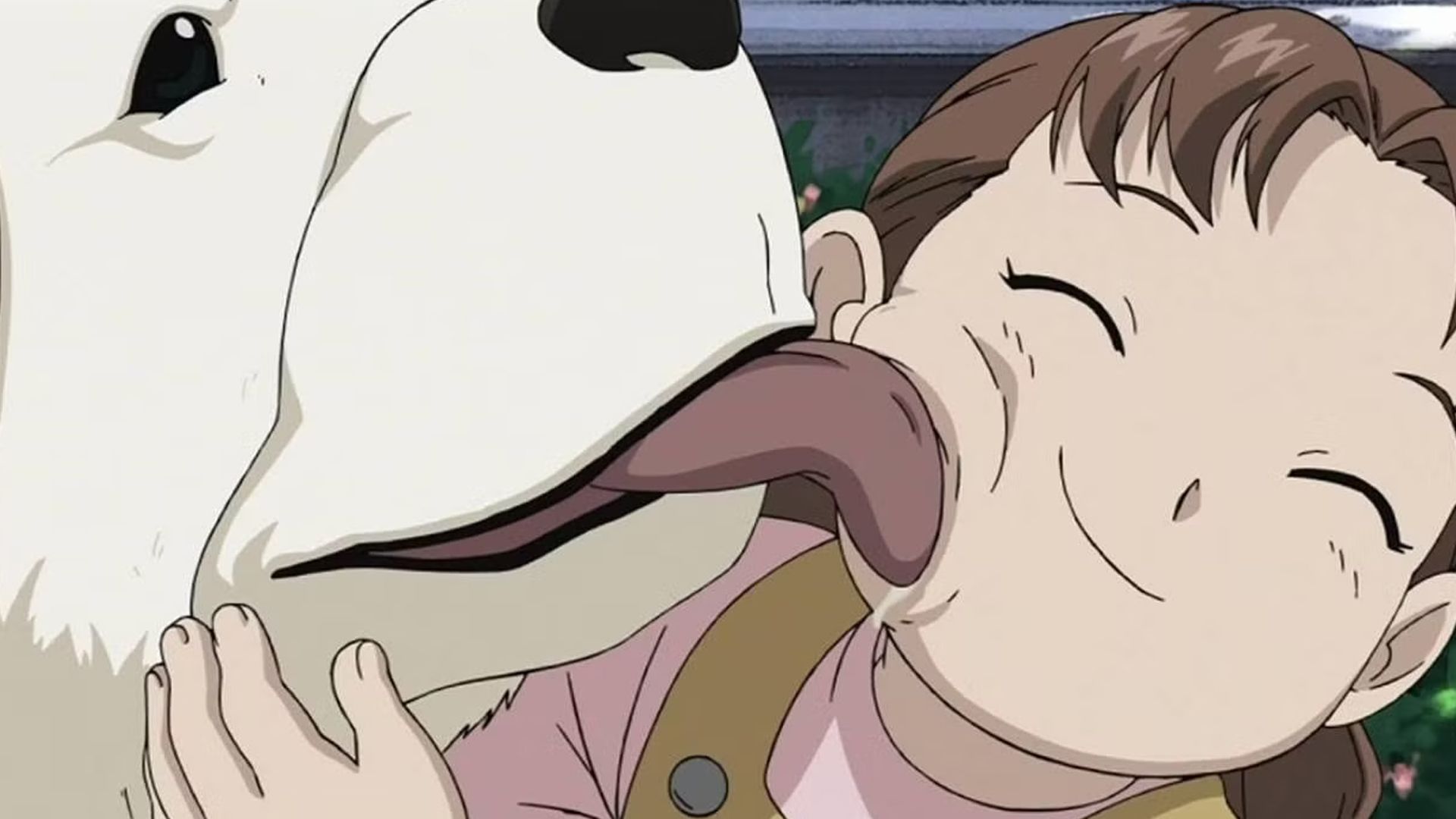
Few moments in anime are as deeply disturbing as the tragedy of Nina Tucker and Alexander in Fullmetal Alchemist: Brotherhood. What makes this event so horrifying isn’t battle or conflict, but a deeply personal betrayal: a father cruelly using his own daughter and pet in a heartless experiment. Nina isn’t simply killed; she’s robbed of her identity and turned into a monstrous creature.
Shou Tucker’s horrifying choice to combine Nina and Alexander into a Chimera dramatically shifted the tone of the anime, and remains a deeply upsetting moment for many viewers. The complete lack of control in that situation makes it especially painful to remember. Nina has become a lasting symbol of how far people will go to achieve their goals, highlighting a central theme of the series: that certain acts are simply unforgivable violations of human dignity.
2026-05-28 00:33