Great storytelling is all about change and growth. Characters need to develop, and plots need to become more exciting over time. While comic books and heroes have certainly changed, the most memorable Marvel comics remain classics, and they’ve had a lasting impact on the genre.
Truly great comics are uncommon, but these titles excelled in every way, resonating with readers and significantly shaping the Marvel Universe. They’re essential reads for any Marvel enthusiast and have left a lasting mark on the world of comics, making them impossible to overlook.
Ultimate Spider-Man Introduced An Icon
Okay, so Brian Michael Bendis and Sara Pichelli came up with Miles Morales, and they first introduced him in Ultimate Spider-Man. Honestly, it was a huge deal for Marvel. Bendis actually wanted to retire the original Peter Parker and bring in someone new, and that’s where Miles came in. He was a really smart, capable kid, but stepping into Peter’s shoes? That was a lot of pressure!
Miles Morales quickly became a popular character, and his appearances in Ultimate Spider-Man helped make the comics a huge success. He was so important because without him, we wouldn’t have Spider-Man: Into the Spider-Verse or the Miles Morales video game. Miles revitalized the Spider-Man franchise and proved so popular that he was later officially added to the main Spider-Man universe.
Marvel’s Civil War Drew New Battle Lines
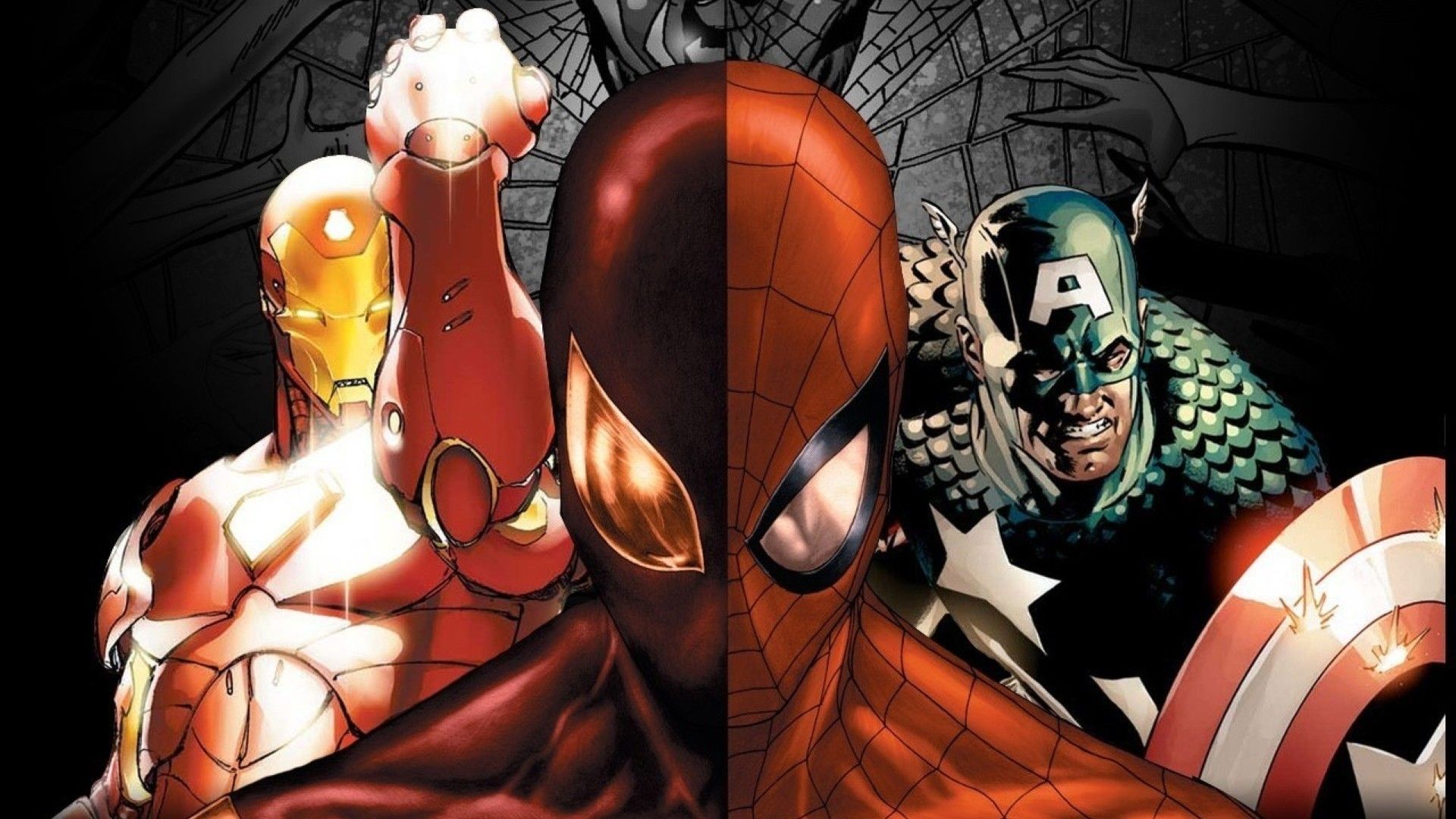
While Mark Millar and Steve McNiven are best known for the core Civil War storyline, many talented writers and artists helped create one of Marvel’s biggest and most complex events. The story featured incredibly high stakes, with the entire Marvel Universe potentially at risk due to the Superhuman Registration Act. Though heroes had fought before, this conflict was unlike anything fans had ever witnessed.
That storyline featured several pivotal events, like the death of Goliath, the Stamford incident, Spider-Man unmasking himself, and the epic battle between Captain America and Iron Man. The impact of Civil War is still felt in the comics today, leading to storylines like Captain America’s death, the Dark Reign period, and numerous other large-scale crossover events.
Days Of Future Past Pushed The X-Men To The Brink
Many X-Men stories have been game-changers for Marvel, but X-Men: Days of Future Past is particularly memorable, especially considering how early it appeared in the series. The concept of sending mutants back in time to prevent a terrible future was brilliant, and the story expertly built suspense around the potential extinction of mutants. The Sentinels were truly frightening villains, and the story significantly expanded Marvel’s rules around time travel.
Man, ever since reading Days of Future Past, that feeling of total dread has just stuck with me as a fan. It’s cool how many stories have gone back to that messed-up future timeline. Time travel became a bigger deal in the X-Men universe after that, for sure. But what really stuck with me was Kitty Pryde. That comic book totally made her a star, and Marvel’s kept her as a fan favorite ever since – she’s always been a character I really connect with.
The Fantastic Four Dominated An Era
Jonathan Hickman is a remarkably talented writer who has breathed new life into many characters, but his work on The Fantastic Four from 2009 to 2012 is perhaps his most celebrated achievement. He transformed the series into a grand science fiction epic, portraying the team as bold explorers and groundbreaking scientists. During this time, he also created the Future Foundation, which continues to be influential.
Current Fantastic Four comics still heavily build on the ideas introduced in this series, particularly in how the characters are portrayed, their costumes, and their connections to the Future Foundation. This run notably depicts Mr. Fantastic as a troubled leader who struggles with difficult questions, a characterization that’s been explored repeatedly since. The way Doctor Doom is used is also significant; his growing relationship with the Richards family, especially through Valeria, adds complexity to his villainous role and prepares him for future storylines.
Secret Invasion Was The Ultimate Thriller
Brian Michael Bendis and Leinil Francis Yu created the core Secret Invasion storyline, which directly followed the events of Civil War and led into the Dark Reign period. The story is incredibly suspenseful, with Skrulls secretly infiltrating and impersonating humans, even superheroes, without detection. The initial discovery that Elektra had been replaced was a surprise, but the danger escalates as more prominent figures become involved in the plot.
This story is full of surprises, from the reveal that Jessica Drew was a Skrull leader to Hank Pym admitting he could change his shape. These events directly led to Dark Reign, where Norman Osborn killed the Skrull queen and seized power. He replaced Tony Stark as the head of security and took control of S.H.I.E.L.D. Afterward, Spider-Woman was left shaken, and fans were left wondering if Hank Pym and Tigra’s child might have Skrull heritage.
Hawkeye Changed The Stakes For A Classic Marvel Character
Matt Fraction’s run on the Hawkeye comic focuses on the personal side of the hero, telling a story about everyday struggles and difficult issues. It’s rare to see a superhero comic that explores the mundane details of life, especially for someone without superpowers. From Clint Barton needing a hearing aid due to years of fighting, to the harsh reality of even small battles, Hawkeye shows readers that being a vigilante is far from glamorous.
The current portrayal of Hawkeye in Marvel comics is based on a particularly creative and popular run by writer Matt Fraction, and the Disney+ series Hawkeye takes a lot of inspiration from it. This run was a turning point for the character, making him funnier, more daring, and ultimately more important to the Marvel Universe. It proved that even lesser-known heroes could be compelling, and many comics since then have tried to replicate that success with other characters, making the entire Marvel team stronger as a result.
Kraven’s Last Hunt Changed How Villains Were Depicted
Kraven’s Last Hunt is a famous Spider-Man story that temporarily removes Peter Parker from the picture. It centers on Kraven the Hunter, who appears to kill Spider-Man and then takes on the hero’s identity, trying to rid New York City of crime using his harsh methods. This story completes Kraven’s arc and solidifies his legendary status. Ultimately, it’s a tragic tale, ending with Kraven taking his own life after believing he’s achieved his goals and can’t reconcile with the person he’s become.
This comic is deeply pessimistic and established the style of villain-focused stories that J.M. DeMatteis and Mike Zeck would become famous for. While Kraven has been reimagined over the years, Spider-Man still feels the weight of that tragic event. Kraven’s Last Hunt is a grim tale that eliminated a key character and opened doors for future stories centered around villains.
Jason Aaron’s Thor Reinvigorated The Character’s Mythology
Jason Aaron’s work on Thor revitalized the character, updating the classic mythology for a modern audience. He introduced the memorable villain Gorr the God Butcher and explored the depths of Marvel’s godly universe, all while challenging Thor himself. When Thor was deemed unworthy, the power passed to Jane Foster, setting her off on a compelling new journey.
This period had a significant and lasting impact, especially because Jane Foster has become a prominent hero since then. Asgard and its inhabitants developed during this time, with the War of the Realms storyline being a key part of it. Thor’s journey to becoming the new All-Father was driven by the deep self-reflection he underwent. This version of Thor was a realistic and intense portrayal, always remembering his status as a god and a legendary figure.
The Dark Phoenix Saga Still Has Major Repercussions
The Dark Phoenix Saga dramatically changed the direction of the X-Men comics. When Jean Grey transformed into a destructive force, her eventual death, though tragic, gave the X-Men a renewed sense of mission. The story powerfully portrayed Jean’s internal struggles, and the battle between the powerful Phoenix Force and the X-Men was truly grand in scale. Written by Christopher Claremont and illustrated by John Byrne, this story is often considered the high point of their collaboration on the team. It remains a landmark achievement, frequently referenced and imitated, but never quite matched.
The Dark Phoenix storyline significantly impacted the Marvel Universe by introducing the Phoenix Force as a powerful and central element. It also established a recurring pattern in X-Men stories: when the stakes are high, characters often look to Jean Grey and the immense power of the Phoenix. The tragic deaths seen in Dark Phoenix have been revisited in various forms, but this story truly pioneered the idea that major characters weren’t immune to permanent consequences, creating a sense of unpredictability and danger within the X-Men universe.
Daredevil Added Complexity To A B-List Hero
Frank Miller’s run on Daredevil is often hailed as one of the best, fundamentally changing the character. He transformed Daredevil from a minor hero with interesting stories into a major, complex figure grappling with inner demons, faith, family, and love. Many consider it the most important Daredevil comic ever created.
As a comic fan, I can tell you this Daredevil run basically set the standard for how we see street-level heroes today – everything from Punisher to Spider-Man owes a lot to it. After this series, Daredevil really became a huge deal in the Marvel Universe, and the ideas it explored still feel super relevant in how the character is written now. Plus, the whole noir vibe gave him this really smart, thinking-person’s edge that’s become a big part of what makes him cool these days.
Read More
- Five Nights At Freddy’s 2 Review: The Video Game Movie Sequel Limbos Under The Low Bar Set By The First Film
- Black Phone 2 Ending & Grabber’s Fate Explained
- ‘And Then The Chesty One Comes In.’ SNL’s Cut For Time Sketch Hilariously Reimagined Sydney Sweeney And Zendaya’s Euphoria
- Прогноз криптовалюты USD1: прогнозы цены USD1
- Прогноз криптовалюты BNB: прогнозы цены BNB
- Netflix’s #1 Trending Comedy Proves Critics Are Wrong About This $523 Million Franchise
- I Spotted A Few Travis Kelce-Related Easter Eggs In Taylor Swift’s Life Of A Showgirl Release Party, And I Need To Talk About Them
- It’s Been Weeks Since I Watched Freaky Tales, And I’m Still Thinking About That Random Tom Hanks Scene
- Scarecrow Is The Perfect Villain For Andy Muschietti’s DCU Batman Movie, Here’s Why
- The Western That Launched Kevin Costner’s Career Is Finally Streaming For Free
2025-11-24 05:12