The 1990s were a controversial time for comics. While the decade gave us cool, complex characters like Spawn and Azrael, it also featured dramatic, sometimes over-the-top storylines for heroes like Batman and Superman. It was a period defined by intense violence, a darker art style, and a focus on collectible issues, leading to a lot of big events, team-ups, and new characters. Though some stories from that era are still fantastic, others haven’t held up very well over time.
The 1990s were a mixed bag for comics, but often criticized for fueling a frenzy of collecting and speculation with constant special events. Both Marvel and DC focused too much on shock value and copying the style of Image Comics, leading to many problems. Some potentially great series ended up being disappointing, overly silly, and haven’t held up well over time.
War of the Gods Is Much Too Crowded For Comics
George Perez’s work on Wonder Woman is still considered a high point for the character. In 1991, he introduced the War of the Gods storyline, which pitted the different groups of gods against each other. This led to the Amazons being seen as enemies, and Earth’s heroes had to step in to restore order amidst the resulting conflict.
War of the Gods is visually impressive and features a compelling cast of characters, but the story feels overly complicated. While readers might appreciate the artwork and character designs, the dense page layouts, large teams, and excessive explanations ultimately detract from the experience. The series feels like it could have been truly great if George Pérez had more space to develop the narrative, or if he’d collaborated with writers like Jim Starlin or Marv Wolfman.
Heroes Reborn Was a Good Idea With Abysmal Execution
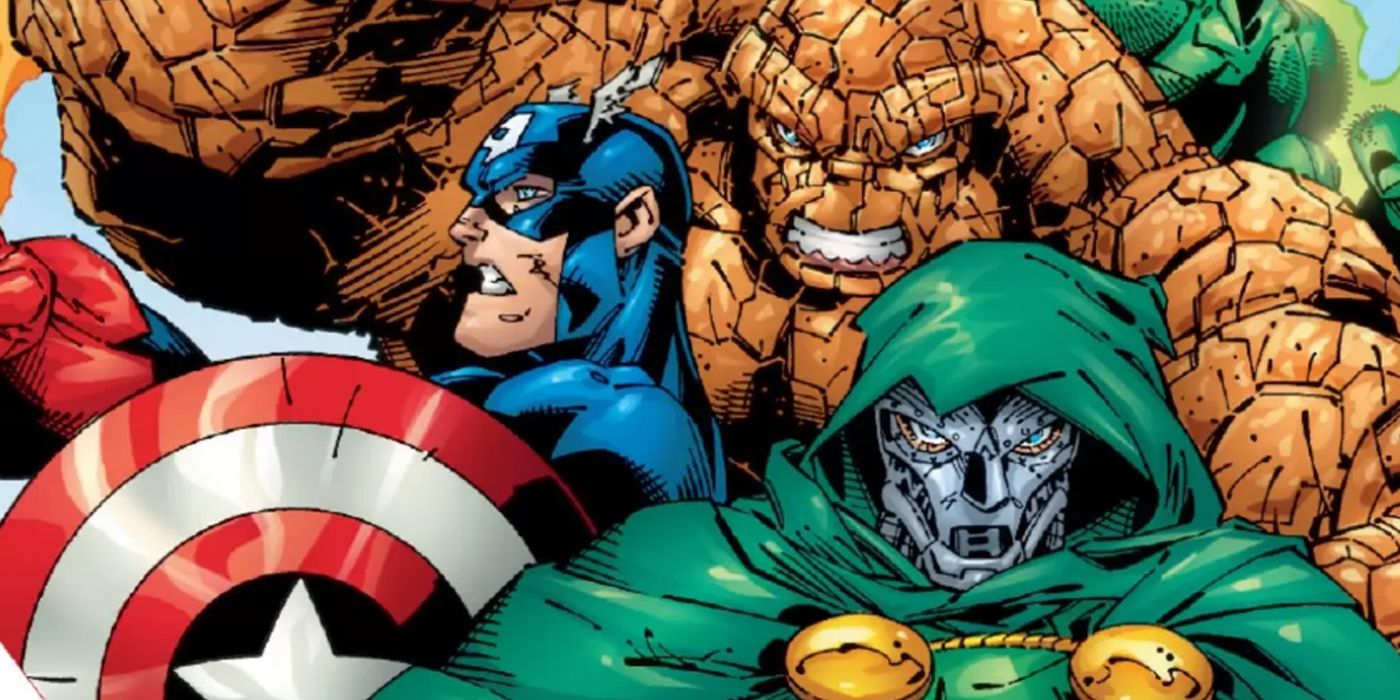
By the early 1990s, Marvel noticed readers were losing interest in the original Avengers team. They started giving characters like Captain America and Iron Man to creators who were launching a new comic book company called Image. This decision led to a poorly received experiment where these iconic heroes were given darker, more extreme storylines that didn’t fit their established personalities.
The comic series Heroes Reborn tried to update some of Marvel’s most iconic heroes with a darker, grittier style popular in the 1990s, but it didn’t quite work. This sudden change in tone surprised and disappointed many readers, and Marvel quickly followed it up with Heroes Return as a sort of reset. Ironically, this misstep might have actually helped readers rediscover their appreciation for these classic characters.
Spawn Was Carried By Its Stellar Artwork
I still remember when Todd McFarlane launched Spawn back in 1992! It really kicked off what’s become the biggest independent comic book universe out there. The story of Al Simmons, a mercenary who’s killed and then becomes a hellspawn trying to do good, is just amazing – it’s definitely McFarlane’s most famous work. Honestly, though, the first few years were a little tough. It wasn’t until his incredible artwork, and the amazing work of Greg Capullo, that the series really took off and became the hit it is today.
Spawn is a prime example of a comic book where the artwork always stood out more than the writing. It emerged from the Image Comics movement, which prioritized artists, and often depended on writers to create strong narratives. While the idea behind Spawn is appealing, the comic lost its momentum fairly quickly. The original 1990s run doesn’t age well, and it took a long time for the story to develop in a meaningful way.
Extreme Justice Earned Its Edgy Title
DC’s Extreme Justice comic perfectly captured the bold, dynamic style of the 1990s, building on the foundation of previous titles like Justice League International and Justice League Europe. It brought together popular heroes such as Captain Atom, Booster Gold, and Firestorm. While the team was strong, the comic’s main draw was always its compelling characters.
Few DC comics capture the spirit of the 1990s quite like Extreme Justice. It clearly tried to appeal to fans of Image Comics. However, the series hasn’t held up well over time. The over-the-top artwork, which was difficult to look at even in the ’90s, is especially jarring when reading thirty-year-old copies in 2026. It’s a real struggle to get through visually.
The Wild Wolverine Era Was An Abomination For Marvel
The 1990s were a period of big changes for many comic book characters, and Wolverine was no exception. A storyline by Larry Hama and Adam Kubert stripped him of his adamantium claws, turning him into a more animalistic and wild version of himself. This is often seen as a weak point in Wolverine’s comic book history, as it focused too much on his physical strength and diminished his other qualities.
Wolverine was always appealing because of the interesting mix of humanity and animal instinct that made him a classic tough, reluctant hero. However, a period where he was portrayed as purely savage stripped away what made him special, turning him into a generic, edgy character that felt out of place. This direction didn’t add anything meaningful to the story and was a mistake, prioritizing flashy action over the core of what made Wolverine compelling.
Emerald Twilight Is a Mixed Bag For DC Comics
In the mid-1990s, DC Comics focused on dramatic, ‘death of’ storylines, and they chose Hal Jordan, the Green Lantern, as their next subject. Writer Ron Marz was responsible for portraying Hal’s downfall, beginning with the devastation of Coast City in the story arc “Emerald Twilight.” Hal ultimately murdered his fellow Green Lanterns, then traveled to Oa where he killed both the Guardians and more Lanterns, leaving a trail of destruction in his wake and seemingly ending the Green Lantern Corps on Earth.
Most Green Lantern fans would probably prefer to forget “Emerald Twilight,” particularly because later stories essentially undid it. The dark, edgy themes of the ’90s, including characters suddenly dying or turning evil, feel jarring compared to how these characters are portrayed now, and that trend really should have ended with the Superman storyline.
Knightfall Can Be a Frustrating Reading Experience
In 1993, Batman faced a massive challenge when the villain Bane unleashed all of his enemies upon Gotham City. After tirelessly working to recapture them all, Batman was left completely drained, and Bane seized the opportunity to strike. Unable to continue, Batman asked Jean-Paul Valley to become the new Batman and protect the city.
The “Knightfall” storyline is often debated by Batman fans, and many find it frustrating. A key issue is watching Bruce Wayne fail to notice Azrael’s worsening mental state, ultimately giving him the Batman role and diminishing characters like Nightwing. Looking at the entire arc – “Knightfall,” “KnightQuest,” and “KnightsEnd” – the story feels unnecessarily long and doesn’t quite deliver on its promise, making it one of the most stretched-out events in comic book history.
Batman: The Death of Innocents Proves DC Should Avoid Real-World Politics
In 1996, Dennis O’Neil and Joe Staton collaborated on a Batman comic called The Death of Innocents that focused on the horrors of war. The story follows Batman as he attempts a rescue mission in countries like Bosnia, which are devastated by landmines and unexploded bombs. Of course, his biggest challenge is surviving the dangerous minefields.
The recent storyline, The Death of Innocents, demonstrates the challenges comic book publishers face when tackling serious real-world issues. While the story’s intentions are good, combining superhero narratives with realistic tragedies feels awkward and insensitive. Both Marvel and DC often struggle to address global events without appearing heavy-handed, and this is a clear instance of that difficulty.
The Clone Saga Is Everything Wrong with ’90s Spider-Man
Following the success of DC’s large-scale storylines, Marvel tried something similar with Spider-Man, resulting in “The Clone Saga” – a story that sharply divided fans. The initial reveal that Ben Reilly was supposedly the original Peter Parker signaled trouble, and things quickly worsened with the introduction of multiple clones and a series of misleading deaths.
The “Clone Saga” aimed for the same impact as “Death of Superman,” but fell far short. It became an overly long and drawn-out story that seemed endless at the time. Poor planning and a loss of focus from the writers made it one of the most poorly handled events in comic book history. Looking back, it really highlights the problems with Marvel in the 1990s.
Youngblood Didn’t Age With Its Audience
Rob Liefeld’s 1992 comic Youngblood captured the spirit of the ’90s, offering a new take on superhero teams like the X-Men. The series, featuring unconventional heroes such as Shaft, Badrock, Chapel, and Riptide, was incredibly popular. However, it hasn’t remained popular with readers, particularly as tastes have changed and Liefeld’s unique art style has fallen out of favor. Despite this, Liefeld consistently maintained his artistic vision and played a significant role in defining the decade’s comic book aesthetic.
Rob Liefeld played a huge role in the popularity of comics in the 1990s, driving a lot of business to comic book stores. While his ‘Youngblood’ series really resonated with readers of that era, it hasn’t aged as well as some other classics like ‘Kingdom Come’. It was a perfect fit for ’90s teens, but readers today likely won’t find it as appealing.
Read More
- Mortal Kombat II Scores Fresh Rotten Tomatoes Score In Franhise First
- Золото прогноз
- РБК акции прогноз. Цена акций RBCM
- Bambi The Reckoning Sets Peacock Streaming Date in March 2026
- 3 Best Prime Video Shows To Watch This Weekend (Mar 6–8, 2026)
- 7-Part Netflix Series Starring A Hollywood Icon Broke All The Rules
- 9 Best New Movies Coming To HBO Max In May 2026
- Stephen King Praises New Horror Collection “I Know A Place”
- Star Wars Needs Episode 10 More Than It Ever Needed Episode 7
- Stephen King-Approved Survival Series Lord of the Flies Becomes a Netflix Instant Hit
2026-05-15 14:12