The underdog story is so compelling because it taps into our natural desire to see people overcome challenges. The most effective versions of this story aren’t about easy luck or secret talents. Instead, they show that real growth requires genuine sacrifice, and the audience should feel that struggle before any reward comes.
The key difference between a classic underdog story and a simple power fantasy is permanent sacrifice. Characters who truly grow don’t just gain strength – they lose something they can never get back, like naiveté, security, or a sense of self based on others’ opinions. This loss isn’t a setback; it’s how they become strong.
Subaru Natsuki’s Arc In Re:Zero Is a Masterclass In Earned Humility
Subaru starts the series Re:Zero believing his role as the main character means he’s special. His initial pride isn’t malicious, but simply the overconfidence of someone who hasn’t faced real hardship. The story quickly shatters this belief, repeatedly killing him and ultimately breaking him down emotionally.
Unlike many characters who grow stronger after hardship, Subaru doesn’t gain power from his lowest moments. He improves by accepting his limitations, not overcoming them. He shifts from trying to be a hero to simply being helpful, becoming a strategist who wins through knowledge, patience, and understanding people, rather than through fighting.
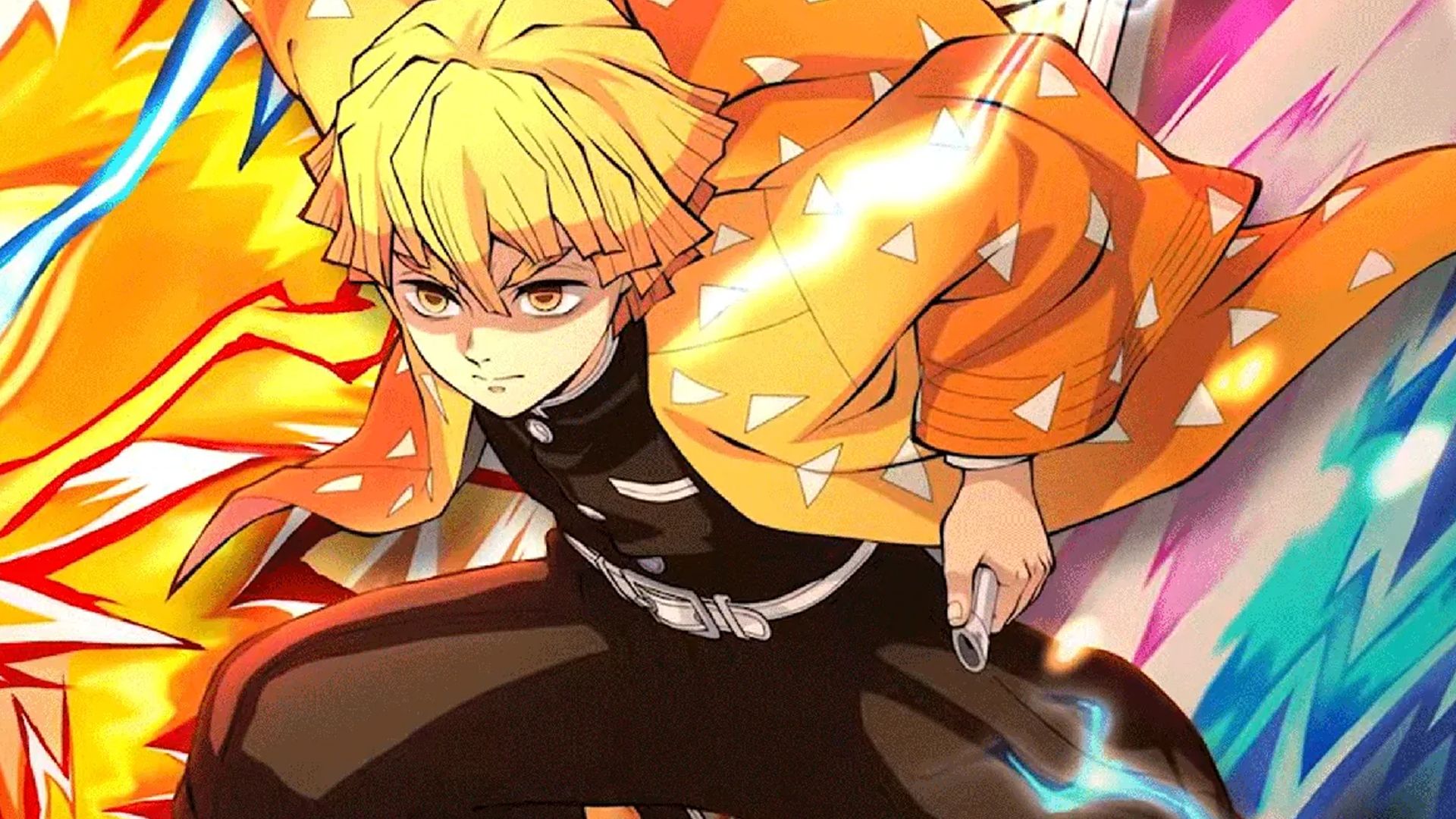
Zenitsu Agatsuma Proves Demon Slayer Understands That Fear Is Not Weakness
Throughout much of Demon Slayer, Zenitsu is portrayed as screaming, crying, and running away, which initially seems like simple comic relief. However, the series later reveals a deeper meaning behind his behavior. His fear isn’t a sign of weakness or foolishness; facing demons with almost no chance of winning is genuinely terrifying, and Zenitsu is unique in that he openly acknowledges this fear.
I’ve been watching Zenitsu, and it’s become clear his incredible Thunder Breathing isn’t some kind of shortcut. It’s what happens when his body just knows what to do, free from the usual panic that holds him back. The truly amazing part is when he developed the Seventh Form, Flaming Thunder God – a completely original technique. He doesn’t actually defeat his fear; he gets so skilled at what he does that fear simply doesn’t matter anymore. It’s like he’s transcended it through pure mastery.
Rock Lee Remains Naruto’s Most Honest Argument Against Talent Gatekeeping
Rock Lee’s role in Naruto is to directly question a core idea of the series. The show often focuses on power gained through family lineage and natural ability, which could suggest that someone’s worth is determined by their inherent talent. Lee’s story serves as a powerful response to this idea, proving that hard work and determination can overcome a lack of natural gifts, even if it means pushing himself to his physical limits.
I still remember Lee’s battle with Gaara during the Chunin Exams – it was incredible. He didn’t win, but the sheer speed and power he displayed completely shocked everyone watching. It really hit home how underestimated he was. What impressed me even more was what came after. Facing the possibility of never being able to fight again, Lee chose to undergo a dangerous surgery just for the chance to continue training. It proved he wasn’t just working harder than everyone else, he was willing to risk everything to pursue his dream.
Kenichi Shirahama’s Arc Is Built On Suffering No Sane Person Would Choose
Kenichi starts his journey in History’s Strongest Disciple Kenichi with absolutely no natural ability – he’s not gifted physically, and he has no fighting skills. This isn’t a story about a secret power; Kenichi is genuinely weaker than most, and the series explores whether hard work and dedication can overcome a complete lack of talent. He trains at Ryozanpaku, a dojo with five masters who push him to his physical limits every day. History’s Strongest Disciple Kenichi focuses on the training process itself, showing Kenichi’s struggles and suffering as proof of his progress, rather than relying on a quick, dramatic transformation.
Kenichi doesn’t strive for overwhelming power; instead, he develops a way to protect himself. Knowing he won’t win by simply overpowering opponents, he focuses on building an incredibly strong defense, able to redirect attacks even from much larger fighters. Every victory – whether against gang members, rescuing classmates, or defeating elite opponents – stems directly from accepting his limitations and building his skills around them.
Ken Kaneki’s Tokyo Ghoul Transformation Is About Surviving the Self
At the start of Tokyo Ghoul, Ken Kaneki is a quiet, indecisive young man who often lets others make choices for him. This becomes dangerous when those choices put his life at risk. When he unwillingly becomes half-ghoul, the series doesn’t portray it as a positive change. Each new power he gains comes with emotional and psychological struggles, forcing him to question who he is.
The brutal torture Kaneki endures at the hands of Aogiri Tree is a turning point, marking one of the most disturbing character transformations in recent memory. While it doesn’t make him a good person, it does allow him to become capable and self-reliant. He can finally protect others because he’s stopped trying to disappear and has embraced a stronger sense of self – something that previously left him open to harm.
Simon’s Arc Is the Definitive Portrait of Grief-Driven Growth
For the first part of Gurren Lagann, Simon relies on Kamina’s strength and charisma, as he lacks confidence himself. The show initially seems to be setting up a story about Simon finding himself, but then Kamina’s death throws everything into question. Gurren Lagann then delves into the difficult situation of someone whose sense of self was entirely dependent on another person, and what happens when that person is suddenly gone.
Simon’s breakdown after his loss is complete and deeply embarrassing. When he recovers, he isn’t simply the person he was when Kamina was alive. Instead, he builds a completely new identity, one shaped by his grief, not defined by its absence. By the end of the series, Simon consciously chooses to be confident – Gurren Lagann emphasizes that this deliberate choice marks the difference between immaturity and true adulthood.
Thorfinn’s Pacifism Is the Hardest Thing Vinland Saga Asks Anyone to Do
Vinland Saga introduces Thorfinn as a highly skilled warrior. He’s quick, deadly, and completely focused on getting revenge on Askeladd by defeating him in a fair fight. The first season carefully sets up this revenge story, but then unexpectedly takes it away by preventing Thorfinn from ever getting his chance.
Many viewers found the Farmland arc slow because they wanted more action, but this section of Vinland Saga actually focuses on the idea that creating something lasting is much more difficult than simply destroying it. It also suggests that choosing peace takes more bravery than any battle. Thorfinn’s change from a boy driven by revenge and killing to a man who won’t fight, even when tortured, is a huge shift. It’s so dramatic because it requires him to unlearn everything he was previously valued for – the skills that typical action stories celebrate.
Ranking of Kings Bojji Demonstrates That Kindness Is a Form of Power
Everything about Bojji in Ranking of Kings emphasizes how weak and incapable he seems. He’s deaf, struggles to communicate effectively, and isn’t strong enough to even handle simple training. The series’ central idea – a kingdom based on ranking – puts him firmly at the very bottom.
I’ve been watching Bojji, and it’s clear the ranking system misses something crucial about him. It can’t quantify his ability to inspire others to defend him, and even more importantly, it doesn’t account for how he turns his physical weaknesses into strengths with his unique, agile fighting style. He doesn’t get stronger in the typical way; instead, he becomes more intelligent, more accurate, and surprisingly, more emotionally stable than all those who rely on brute force. It’s a different kind of growth, and it’s really something to see.
Ippo’s Journey Is About Building an Identity From Nothing
At the start of Hajime no Ippo, Ippo is a lost young man with no hobbies, friends, or goals – he doesn’t really know himself. The bullying he faces isn’t about anything specific, but simply the result of being overlooked in a world that values self-assurance. His incredible hand strength, developed from years of fishing, isn’t a special talent so much as proof that he’s been diligently working hard without a way to express it.
Boxing allows Ippo to find his own voice and sense of self. The series follows his growth over many chapters, focusing not just on the sport itself, but on how he builds his identity. Each fight reveals something new about his mind, his physical capabilities, and what’s truly important to him. Ultimately, Hajime no Ippo demonstrates that who we are isn’t something we find, but something we create.
My Hero Academia’s Izuku Midoriya Succeeds Because Deku Never Stops Being Afraid
What sets Deku apart from typical shonen heroes who gain immense power is that he doesn’t overcome his fears or self-doubt. The early parts of My Hero Academia emphasize that One For All simply provides Deku with a power he still needs to learn to control without hurting himself.
The show is most compelling when it explores the conflict between Deku’s sensitive nature and his strong desire to be a hero. His tendency to injure himself while trying to save others demonstrates that he prioritizes the well-being of others over his own, a characteristic that stems from his past feelings of helplessness. My Hero Academia suggests that Deku’s true strength has always been his personality, and One For All simply brought that strength to the forefront.
2026-05-25 17:51